

STEM Education & School Innovation
in Singapore & Malaysia
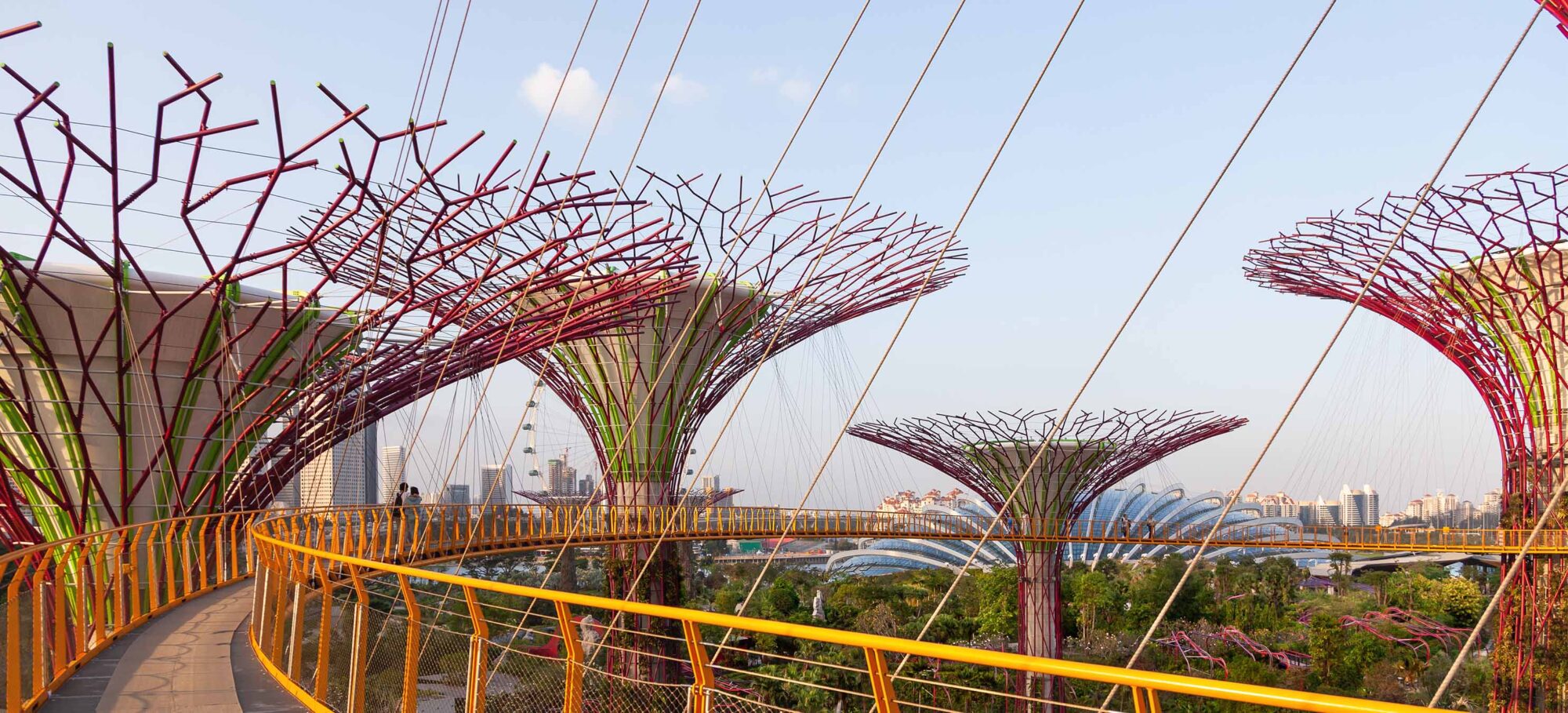
Model Schools, Future Classrooms and Peranakan Heritage Across Singapore, Kuala Lumpur and Malacca
 Singapore
&
Singapore
&
 Malaysia
STEM
10 Days / 9 Nights
Malaysia
STEM
10 Days / 9 Nights
Sustainable Development Goals in Action
The Destination
Program Overview
STEM faculty-led study abroad program in Singapore and Malaysia
Education and School Innovation is a 10-day STEM faculty-led study abroad program in Singapore and Malaysia for educators, featuring model STEM schools, future classrooms, and Peranakan heritage in Singapore, Kuala Lumpur, and Malacca.
Singapore runs one of the world's highest-performing education systems, consistently leading global assessments in mathematics and science and pioneering technology-enabled 'future schools' and STEM teaching. Just across the causeway, Malaysia offers a contrasting, richly multicultural setting. Together they make a compelling classroom for educators studying how a top-performing system teaches STEM — and how heritage and diversity shape learning.
Over ten days, participants go inside that system. They meet the national education ministry and a technology-and-innovation agency behind future-schools initiatives and visit a wide range of model primary and secondary schools recognized for STEM education. They tour a national science center and a city-planning gallery, engage with a community education-support organization, and immerse in the Peranakan heritage of Singapore, Kuala Lumpur, and the UNESCO city of Malacca.
Woven through the program is a rich cultural thread: Peranakan (Straits Chinese) heritage, multicultural cities, and the landmarks of three destinations. Participants leave with practical, transferable insight into STEM teaching in a world-leading system, and with sharpened skills in pedagogy, comparative education analysis, cross-cultural communication, and reflective practice.
Ideal for educators, STEM and science teachers, and teaching professionals.
What You'll Do
Key Program Elements
Model Schools and STEM Teaching
- Visit a range of model primary and secondary schools recognized for STEM education.
- Observe how mathematics and science are taught in a top-performing system.
- Compare approaches across primary, secondary, and specialized science schools.
- Split into small groups for in-depth classroom visits.
Education Policy and Future Classrooms
- Meet the national education ministry for an overview of the system and its STEM strategy.
- Explore a technology agency's future schools and education-innovation initiatives.
- Tour a national science center and a city-planning gallery.
- Engage with a community education-support organization and its student enrichment center.
Culture, Heritage and Diversity
- Discover the Peranakan (Straits Chinese) heritage of Singapore and Malacca.
- Explore the UNESCO old town of Malacca and its living history.
- Take in the landmarks of Singapore and Kuala Lumpur.
- Try hands-on crafts such as batik painting and traditional pewter work.
Impact
UN Sustainable Development Goals in Action for this Program
SDG 4: Quality Education
- Immerses educators in one of the world's top-performing school systems.
- Studies on how mathematics and science are taught across model schools.
SDG 9: Industry, Innovation and Infrastructure
- Explores technology-enabled future-schools and education innovation.
- Connects classroom STEM with national science and technology institutions.
SDG 10: Reduced Inequalities
- Engages with community education-support and student enrichment programs.
- Examines how the system widens opportunities across diverse communities.
SDG 17: Partnerships for the Goals
- Builds cross-border relationships among educators and institutions.
- Fosters knowledge exchange participants carry back to their home systems.
Beyond the Classroom
Program Highlights
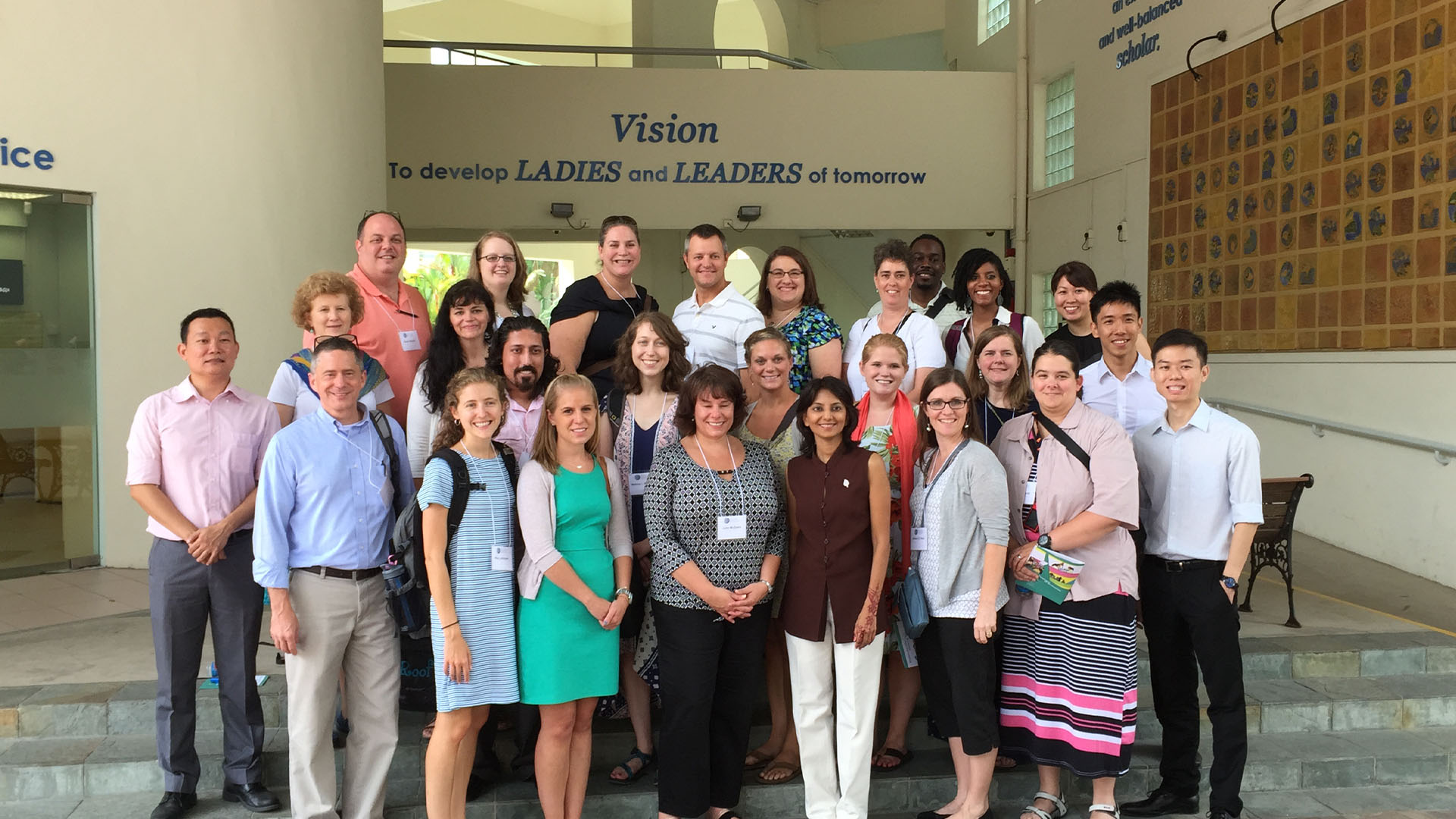
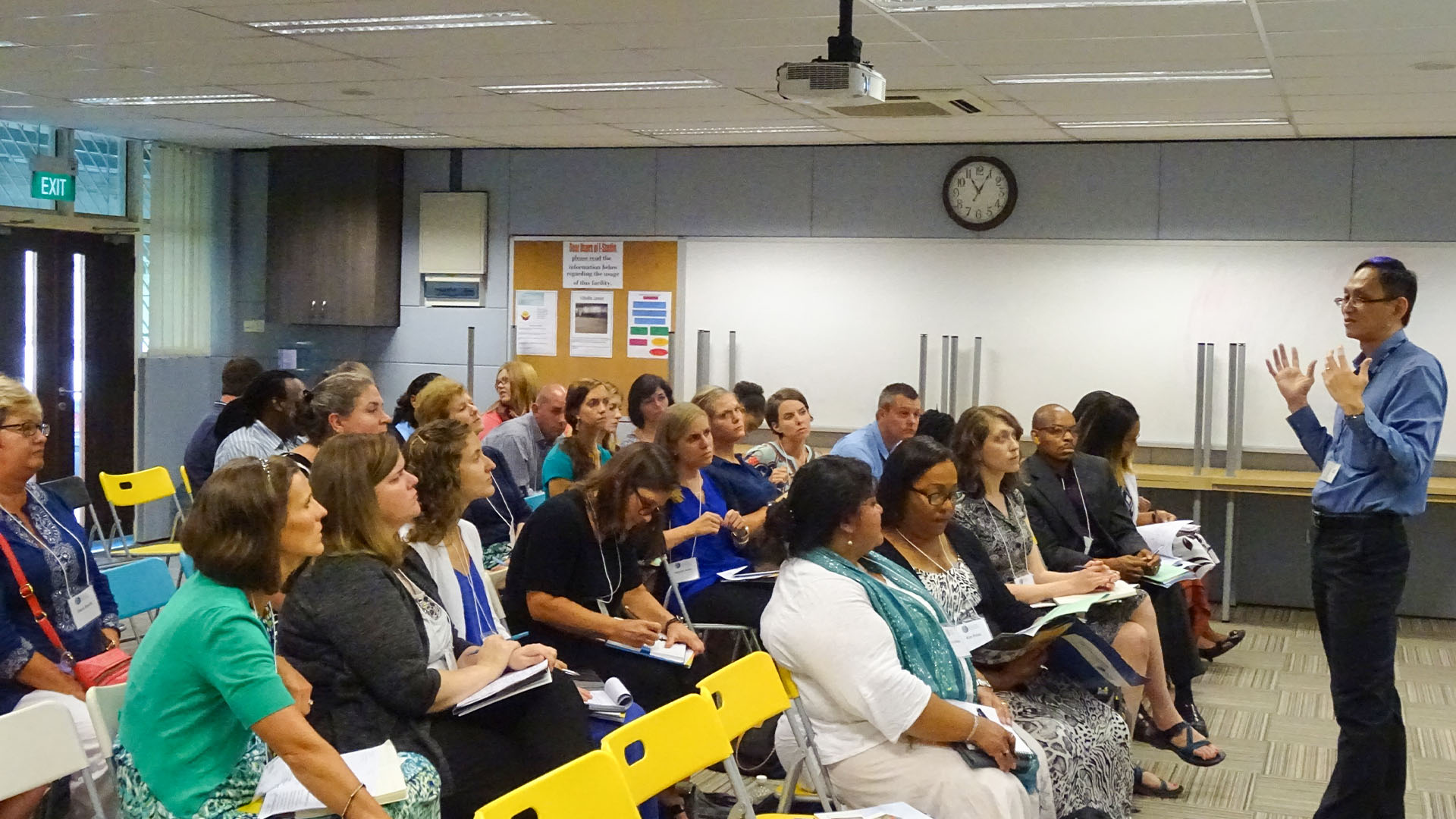
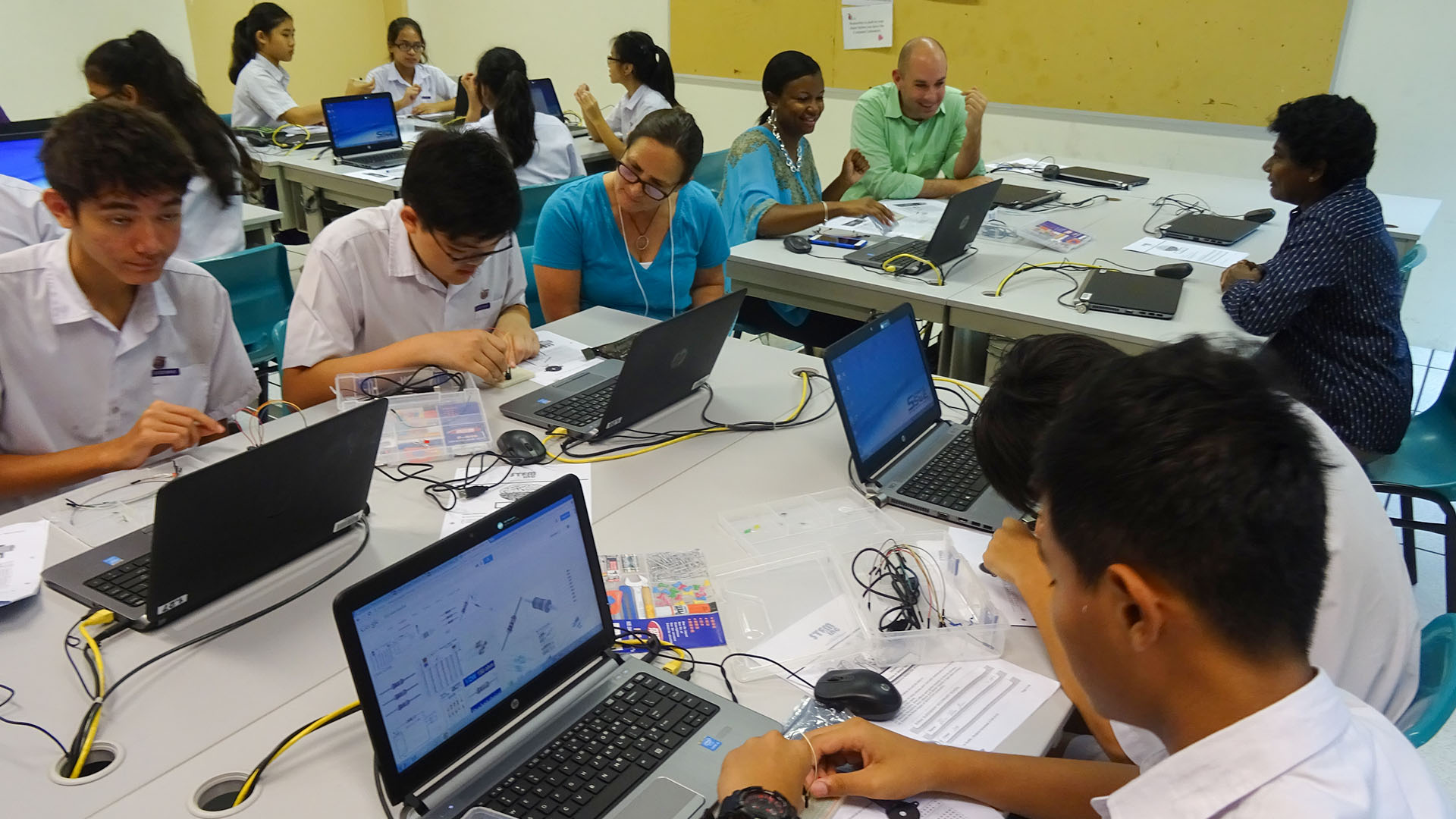
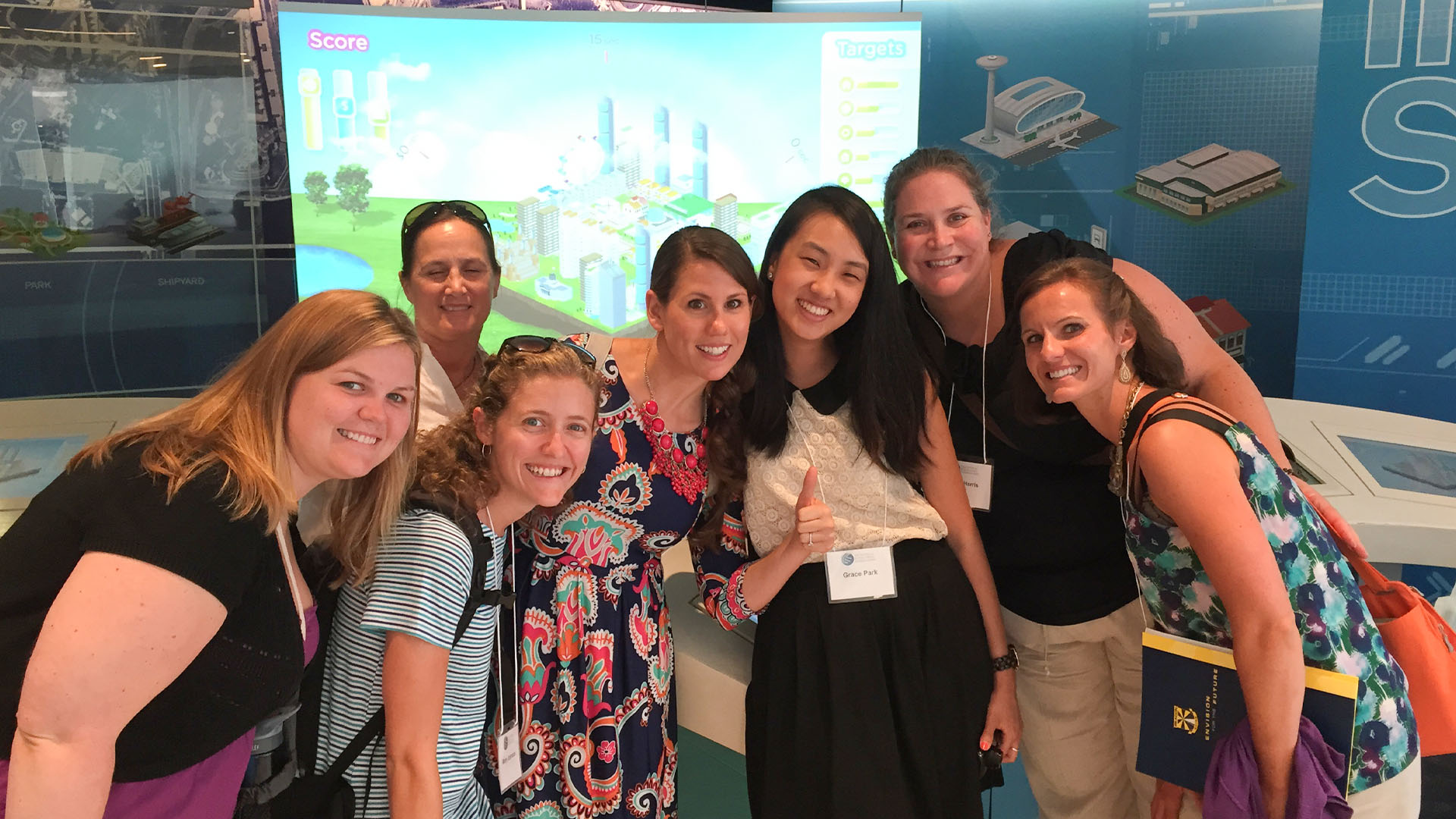
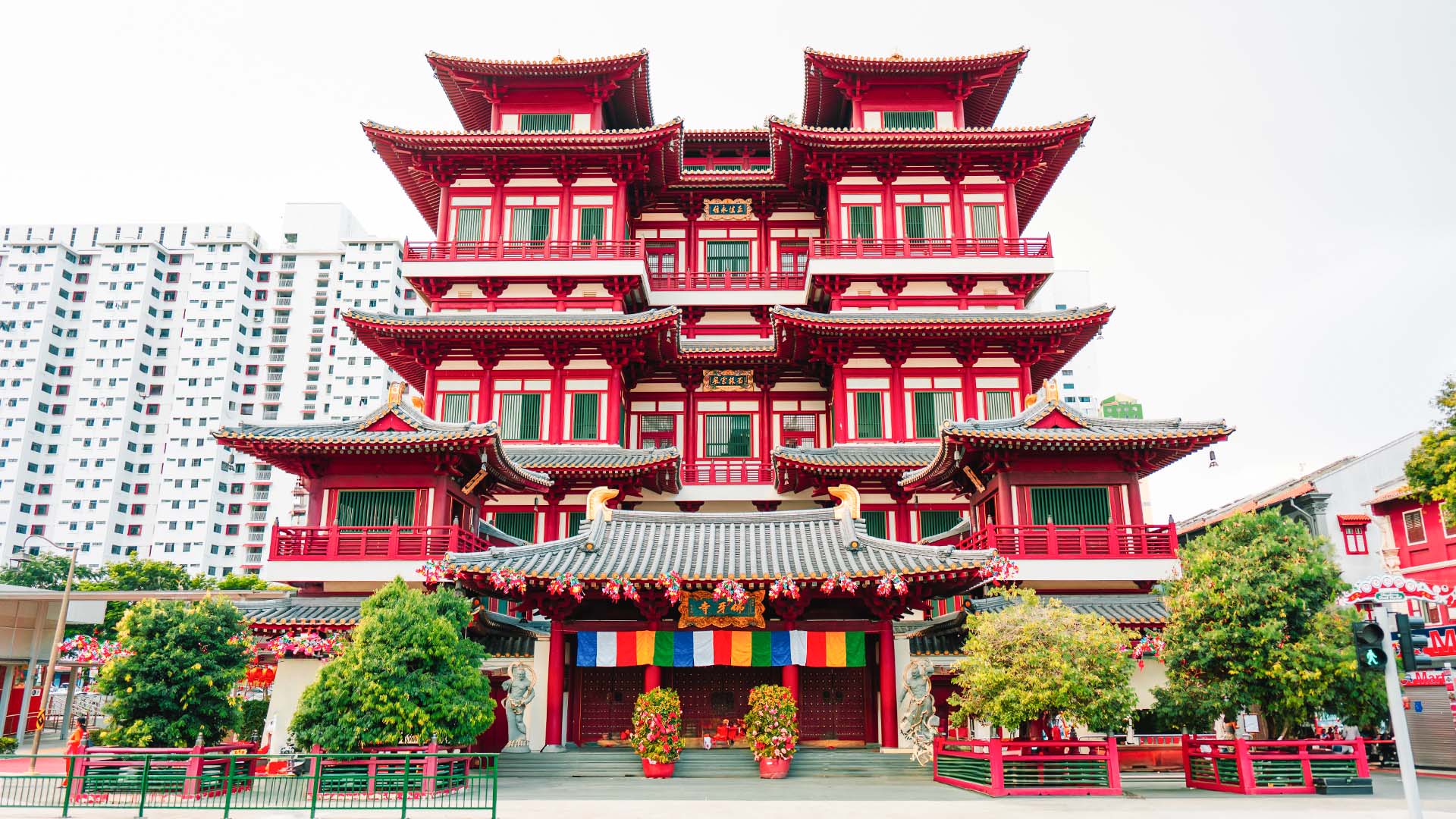
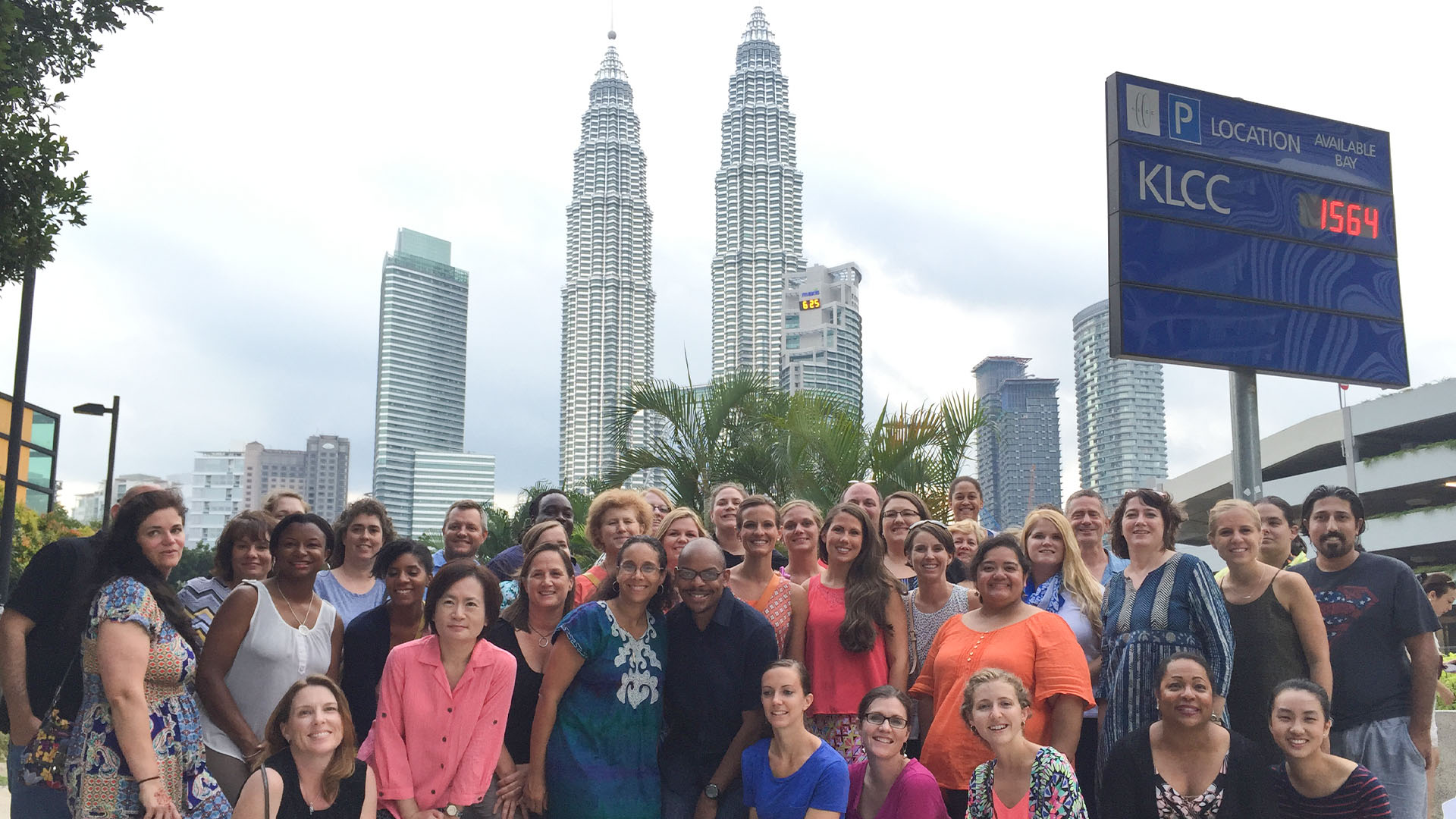
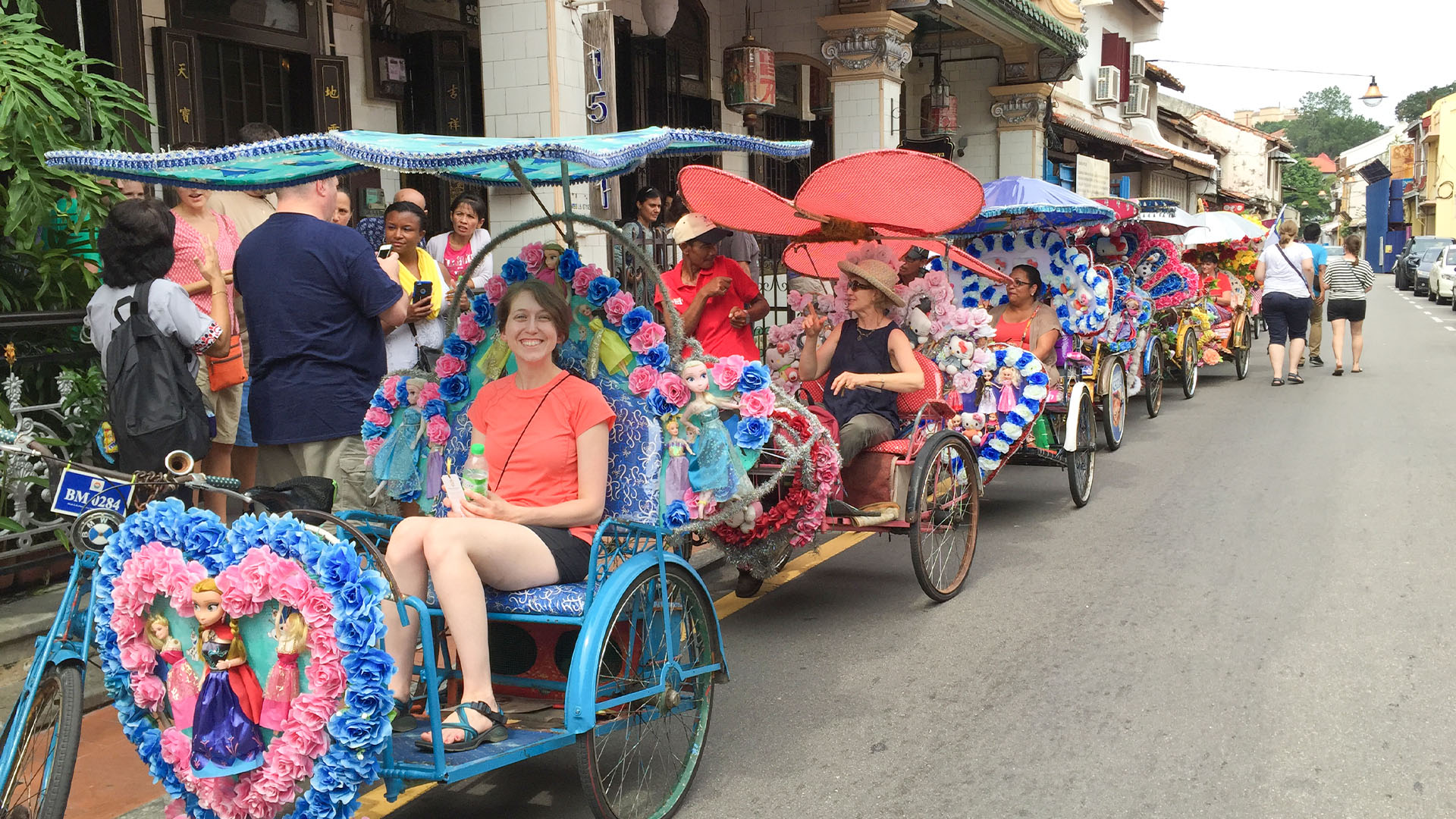
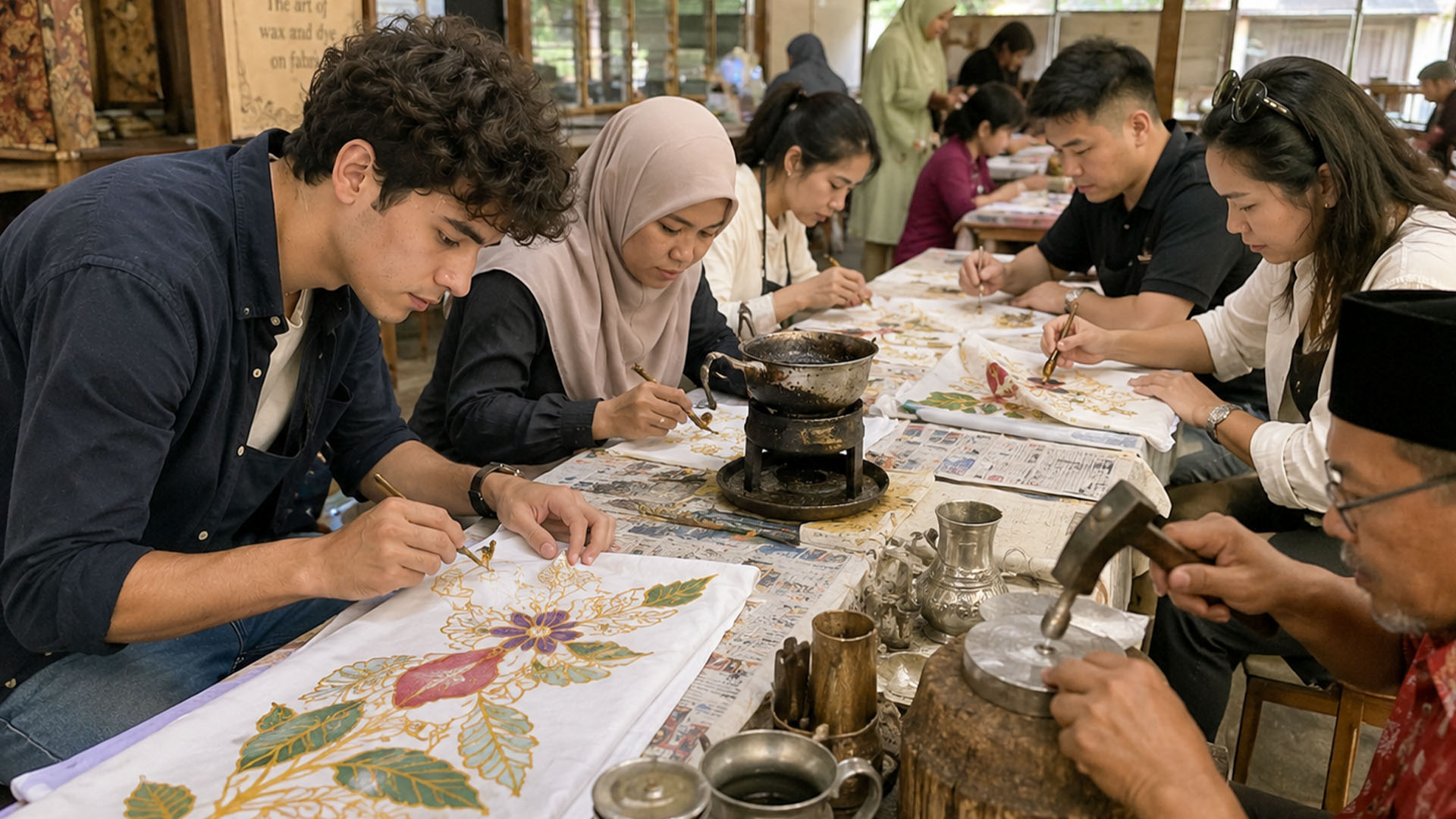
Free time in Singapore allows for optional visits to the Botanic Gardens, the Asian Civilizations Museum, or the Peranakan Museum.
What You'll Take Home
Learning Outcomes
STEM Teaching and Pedagogy
Educators observe how a top-performing system teaches mathematics and science and gather approaches to adapt for their own classrooms.
Education Systems and Innovation
Meetings with policymakers and technology agencies reveal how policy, infrastructure, and innovation drive results in a leading system.
Cross-Cultural Competency
Immersion in the multicultural societies of Singapore and Malaysia builds the confidence to teach and work across cultures.
Reflective Professional Practice
Daily debriefs, independent time, and cultural immersion help participants translate observations into concrete classroom change.
Day by Day
Sample Itinerary
Specific organizations, schools, and visits are curated around the faculty's learning objectives and may vary by cohort; the descriptions below reflect the types of engagements included in the program.
Arrival in Singapore
Arrive in Singapore, gather for orientation and a group lunch with panoramic city views, then a guided tour through Little India, Chinatown, and the Peranakan enclave of Joo Chiat, closing with a bumboat cruise along the Singapore River past the historic civic district.
Meals: LEducation Policy and Future Schools
A morning briefing with the national education ministry on the school system and its approach to teaching mathematics and STEM, followed by a session with a technology-and-innovation agency on its future-schools initiatives.
Meals: BModel Schools and Community Learning
Small-group visits to model primary and secondary schools recognized for STEM, a tour of the city-planning gallery, and a visit to a community education-support organization and one of its student enrichment centers.
Meals: B, LSchools and Social Innovation
Further visits to model schools, a session at a social-enterprise and innovation hub, and a group debrief dinner.
Meals: B, DScience Centre and City Views
Small-group visits to several more model schools, a tour of the national science center, and panoramic views from the observation wheel, with a group dinner at a waterfront hawker market.
Meals: B, DSustainability and Transfer to Kuala Lumpur
A free morning to explore Singapore's museums or botanic gardens, a visit to a water-recycling and sustainability education center, and an in-program flight to Kuala Lumpur, Malaysia.
Meals: BKuala Lumpur Heritage and Crafts
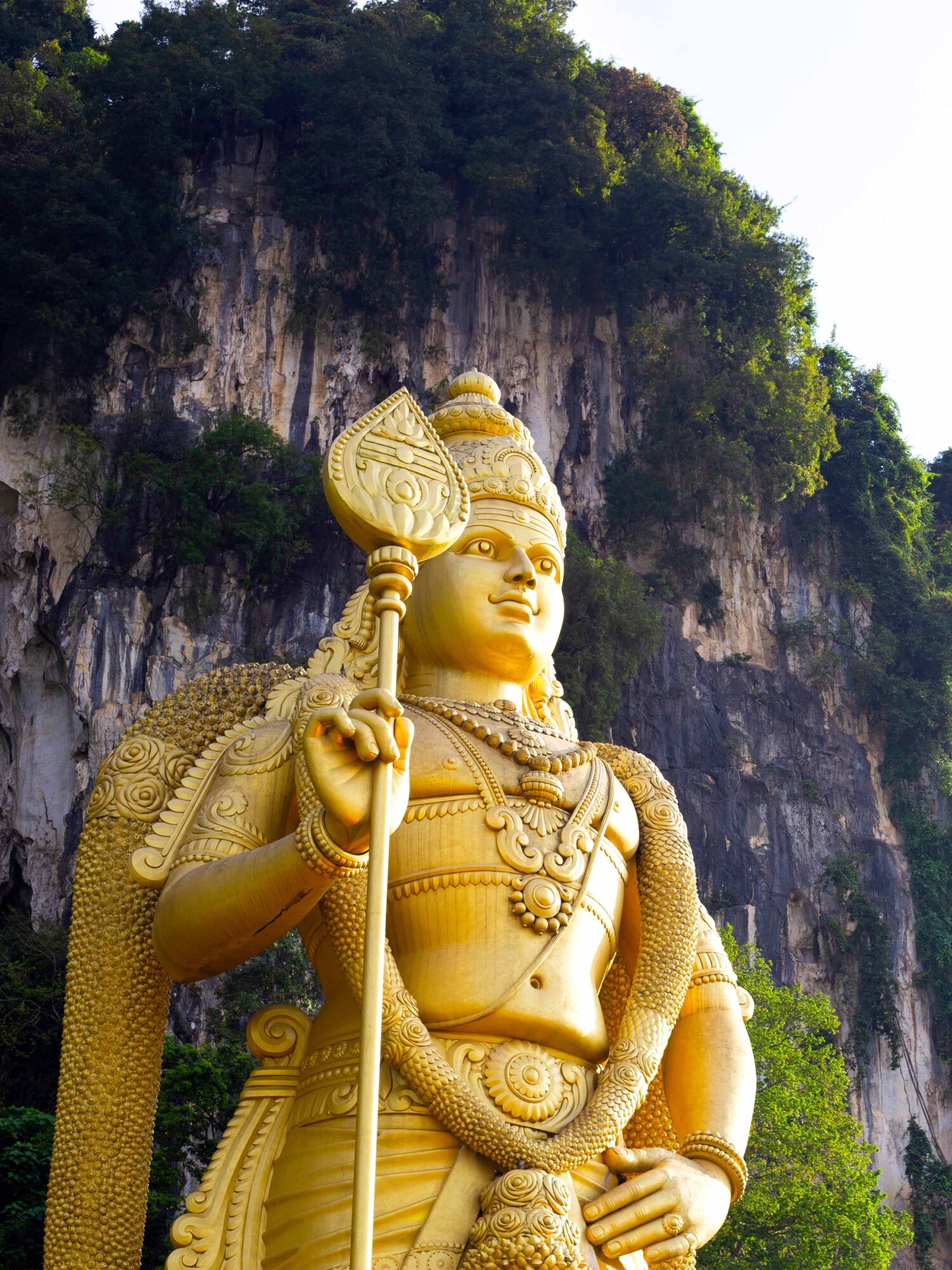
A guided cultural tour taking in Batu Caves, hands-on batik painting or traditional pewter crafting, the city's colonial-era monuments and Independence Square, and the Petronas Twin Towers skyline.
Meals: B, L, DKuala Lumpur to Malacca
A visit to the national museum before driving to the UNESCO city of Malacca for a heritage tour, a Peranakan museum, a trishaw ride through Jonker Street, and a sunset cruise on the Malacca River.
Meals: B, L, DMalacca and Return to Singapore
A guided walking tour of Malacca's European and Straits heritage — including Bukit China and the Portuguese Settlement — before the drive back to Singapore.
Meals: BDeparture
Transfer to the airport for onward journeys.
At a Glance
Program Snapshot
Meals Included
Sustainability
On-Ground Support
Insurance
Investment
Pricing & Inclusions
Program Cost
On Request*
Pricing available on request — quotes are tailored to each cohort.
Final cost varies with group size, program inclusions and the number of program days. Request a quote built around your cohort and objectives.
Request a customized quote*Costs may vary depending on group size, program inclusions, number of program days, and other factors. Please contact us for a customized quote.
What's Included
- Accommodation on a bed and breakfast basis (9 nights)
- Air-conditioned coach for visits, tours, and transfers
- In-program flight (Singapore to Kuala Lumpur)
- Airport transfers on arrival and departure
- 8 Breakfasts, 4 Lunches and 4 Dinners
- Assistance arranging school visits and meetings
- Guided cultural tours with English-speaking local guides
- Entry fees for scheduled visits and tours
- Bottled water on transfers and sightseeing
- 24x7 Authentica Program Manager support
- Carbon offset for a carbon-neutral program
- All applicable taxes
Good to Know
FAQs About the Program
1. What is the best time of year to run this program, and what is the weather like?
The program is designed for the summer window (roughly June to August), which aligns well with academic calendars. Singapore and Malaysia sit near the equator and are warm and humid year-round, with sudden tropical showers, so light clothing and an umbrella are essential. The itinerary can flex to your calendar.
2. What should participants pack and wear?
Pack semi-formal attire for school visits and meetings, light cotton clothing for the tropics, modest dress for temple and mosque visits, comfortable walking shoes, and sun and rain protection.
3. Do participants need visas for Singapore and Malaysia?
This is a two-country program. Many travelers can enter both Singapore and Malaysia visa-free for short stays, but requirements depend on nationality, so confirm both countries' current rules before departure.
4. What organizations and sites do the program engage in, and how does the group travel?
The program engages education ministries and agencies, model primary and secondary schools, science and community-education institutions, and heritage sites across Singapore, Kuala Lumpur, and Malacca. The group travels by in-program flight and private coach. Specific hosts are curated around the faculty's objectives and may vary by cohort.
5. What does Authentica provide, and how is the program structured?
Authentica designs the itinerary, arranges school visits, meetings, and cultural experiences, and provides an on-ground Program Manager throughout. The program balances school visits and policy sessions with cultural immersion, reflection, and free time.
6. What are the accommodation and meals like?
Participants stay on a twin-share basis in comfortable hotels on a bed and breakfast basis, with 4 lunches and 4 dinners included; the remaining meals are at leisure. Single occupancy is available at a supplement.
7. How should participants handle money, cards, and tipping?
Singapore uses the Singapore dollar and Malaysia the ringgit, and cards are widely accepted in both. Tap water is safe to drink in Singapore. Tipping is not customary in Singapore but is commonly expected for guides and drivers in Malaysia.
8. Is the program safe, and what support is provided?
A dedicated Authentica Program Manager accompanies the group 24x7 from orientation to departure, and the program opens with an orientation and safety briefing. Authentica also carries USD $5M Commercial General Liability and USD $1M Errors and Omissions insurance.
Interested in a Similar Program?
Contact us at info@authentica.com to design a faculty-led immersion around your objectives.