

Social Enterprise & Cultural Heritage
in Vietnam & Cambodia
Sustainable Development, Service Learning and Southeast Asian Heritage across Ho Chi Minh City, Hoi An, Hue, Hanoi and Siem Reap
 Vietnam
&
Vietnam
&
 Cambodia
Education
13 Days / 12 Nights
Cambodia
Education
13 Days / 12 Nights
Sustainable Development Goals in Action
The Destination
Program Overview
Service Learning Study Abroad Program in Vietnam & Cambodia
Social Enterprise and Cultural Heritage is a 13-day service-learning study abroad program in Vietnam & Cambodia, combining hands-on community engagement, social enterprise, and immersive exploration of Southeast Asian cultural heritage in Ho Chi Minh City, Hoi An, Hue, Hanoi, and Siem Reap.
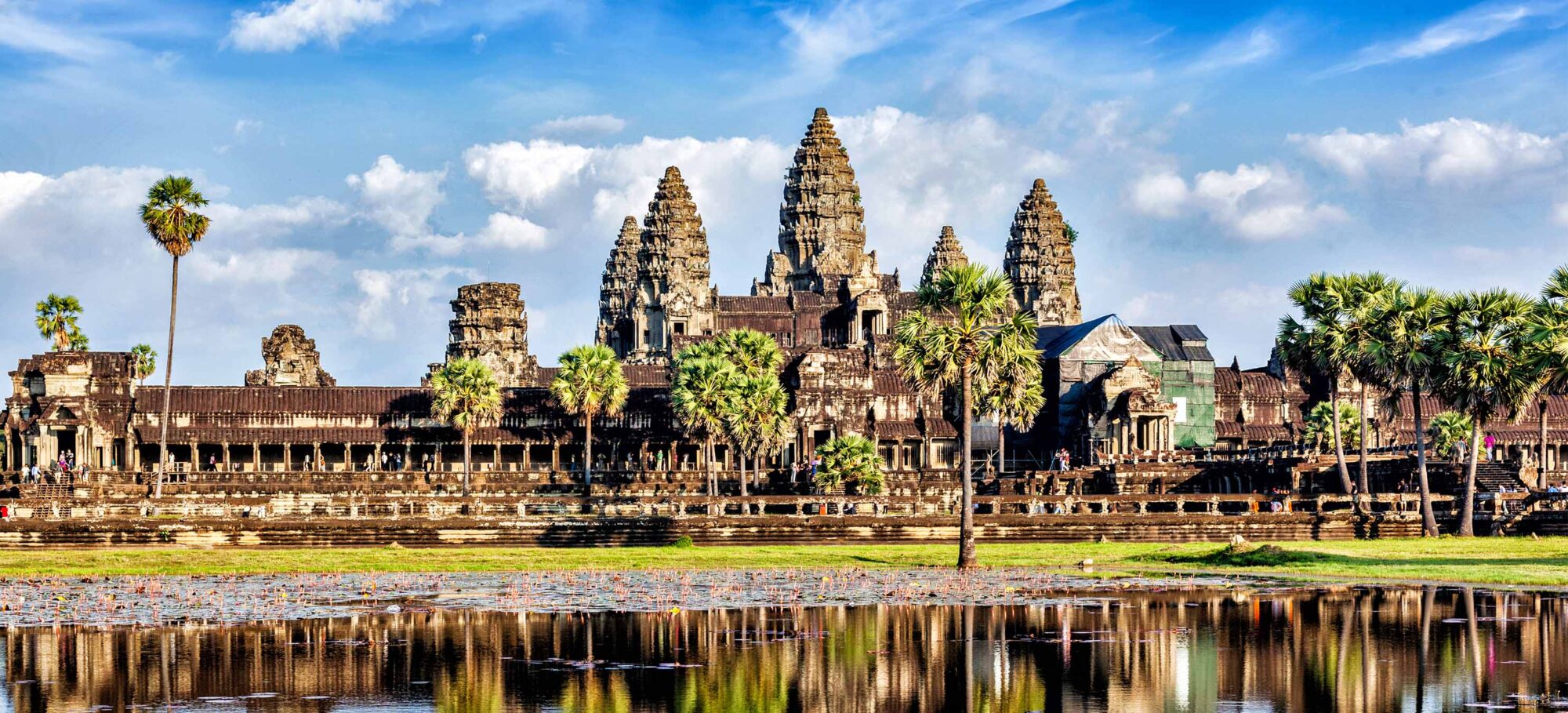
Vietnam and Cambodia are two of Southeast Asia's most dynamic, fast-developing nations — rich in heritage, from French-colonial Saigon and the imperial city of Hue to the ancient port of Hoi An and the temples of Angkor, and home to a thriving social-enterprise movement that turns craft, textiles, and hospitality into pathways out of poverty. For participants, that makes the region a compelling place to study how ethical business, sustainable development, and cultural heritage intersect.
Over thirteen days, participants travel from Ho Chi Minh City through Hoi An, Hue, Hanoi, and Ha Long Bay to Siem Reap. They work alongside social enterprises — a hospitality-training school for disadvantaged youth, ethical-textile and artisan-craft ventures, and training restaurants — through hands-on service learning, while immersing in the Mekong Delta, UNESCO-listed old towns, an overnight Ha Long Bay cruise, and the temples of Angkor. Cooking classes, guided heritage tours, and free time round out the program.
Woven through the program is a rich thread of Southeast Asian heritage, craft, and community: the social-enterprise model in practice, the layered history of two countries, and daily cross-cultural exchange. Participants leave with transferable insight into ethical business and sustainable development, and with sharpened skills in social-enterprise analysis, cross-cultural communication, service leadership, and reflective practice.
Ideal for educators, graduate students in education, and teaching professionals.
What You'll Do
Key Program Elements
Social Enterprise and Sustainable Development
- Visit social enterprises turning crafts, textiles, and hospitality into livelihoods.
- Explore the pillars of sustainable development in practice — economic, social, and environmental.
- Examine ethical supply chains and eco-friendly production.
- Meet the founders and trainees behind community-focused ventures.
Service Learning and Community Engagement
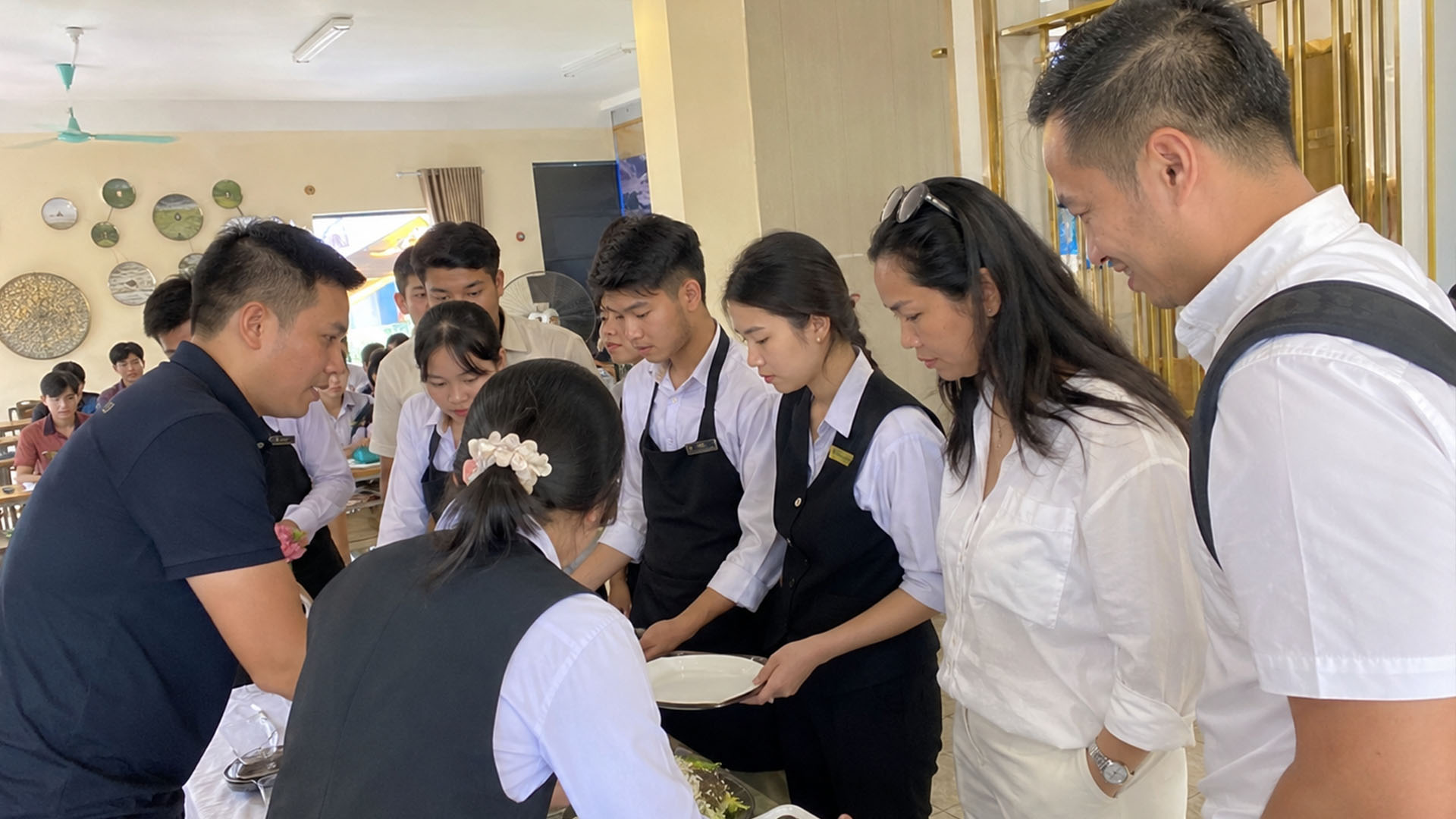
- Take part in a hands-on service-learning day at a hospitality-training school for disadvantaged youth.
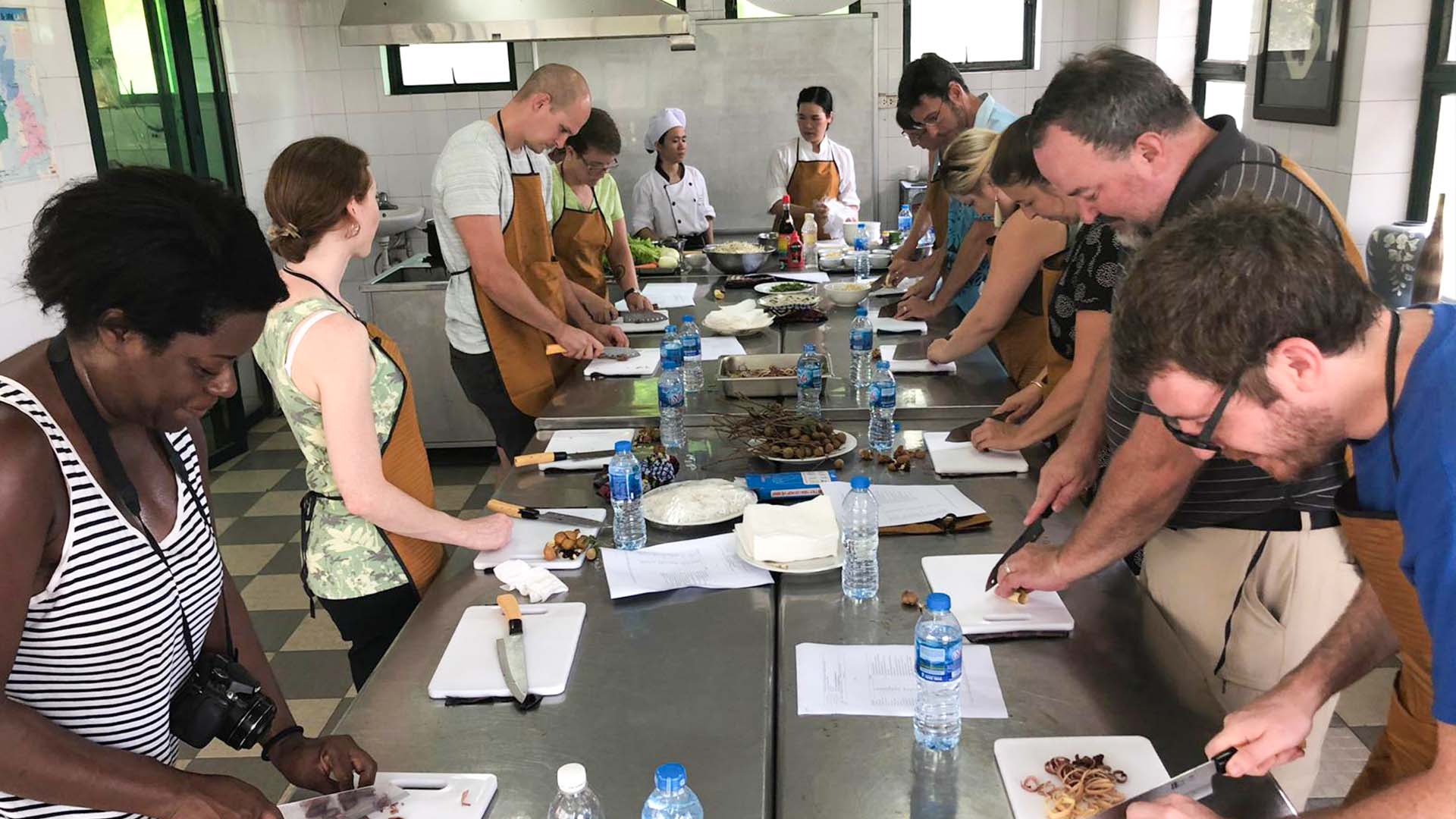
- Prepare and share a meal alongside vocational students.
- Engage with training restaurants and workshops that support at-risk youth.
- Reflect on the role of enterprise in widening opportunity.
Cultural Heritage and Immersion
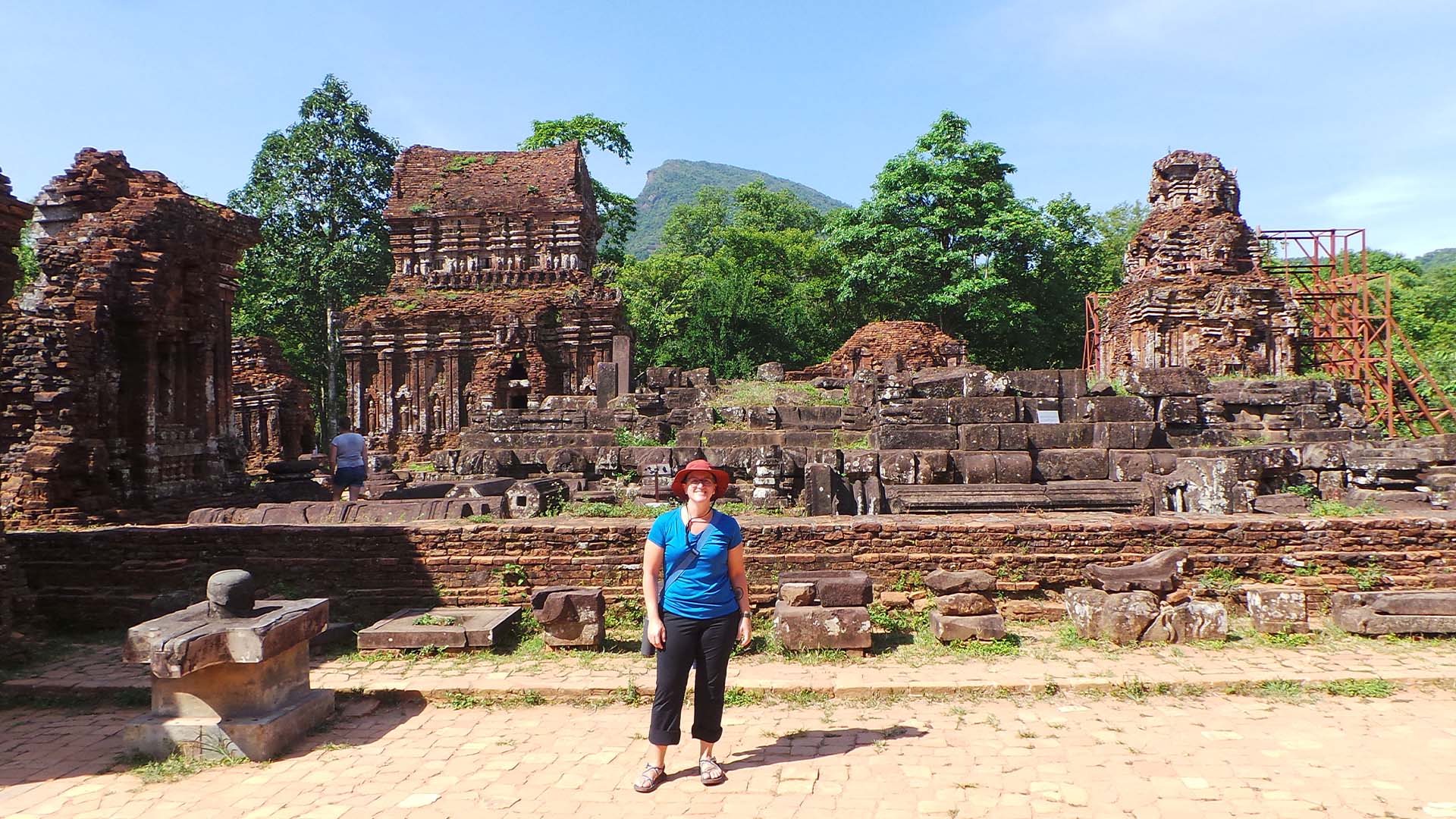
- Explore UNESCO-listed old towns, imperial cities, and the temples of Angkor.
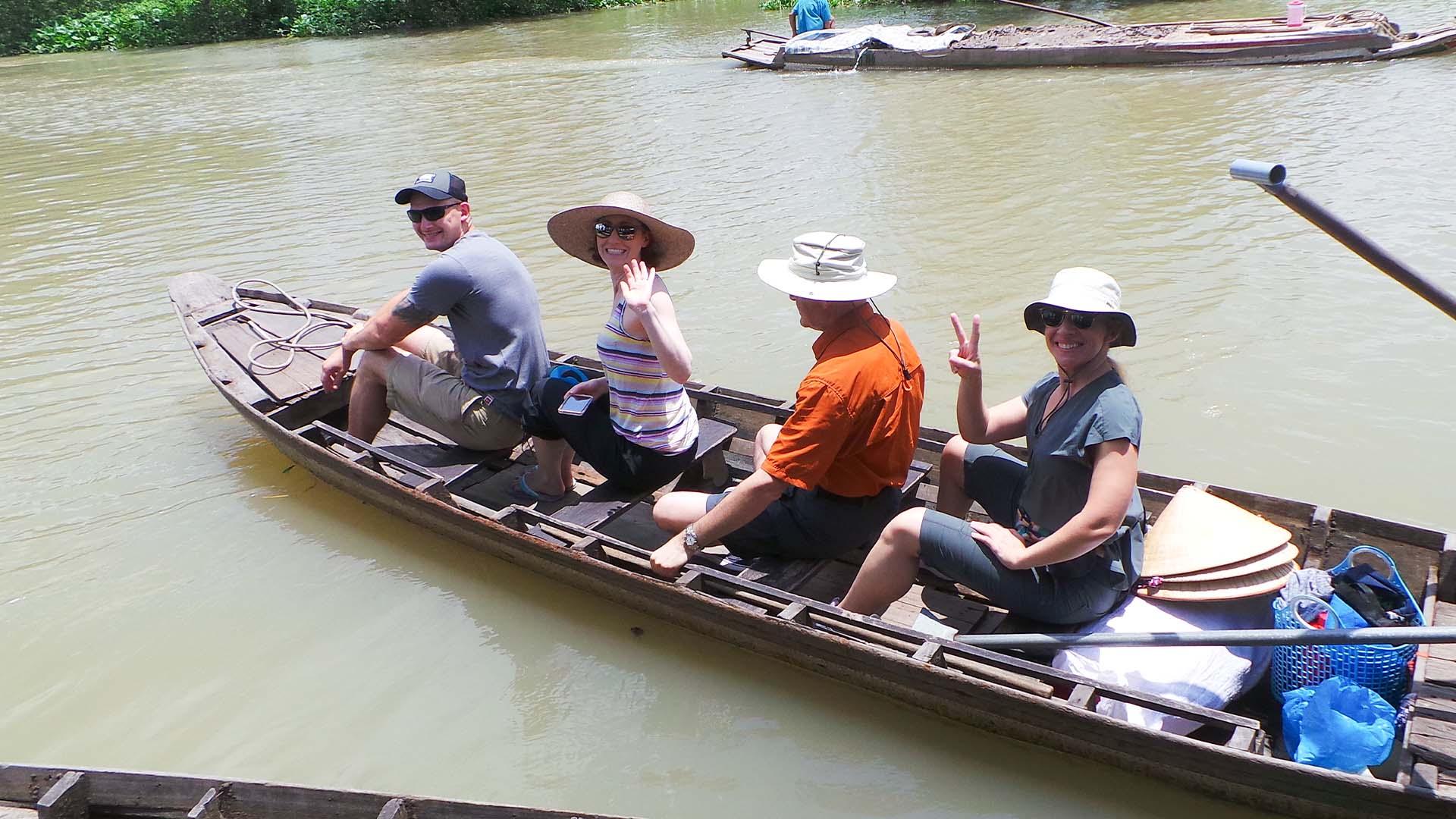
- Cruise the Mekong Delta and Ha Long Bay.
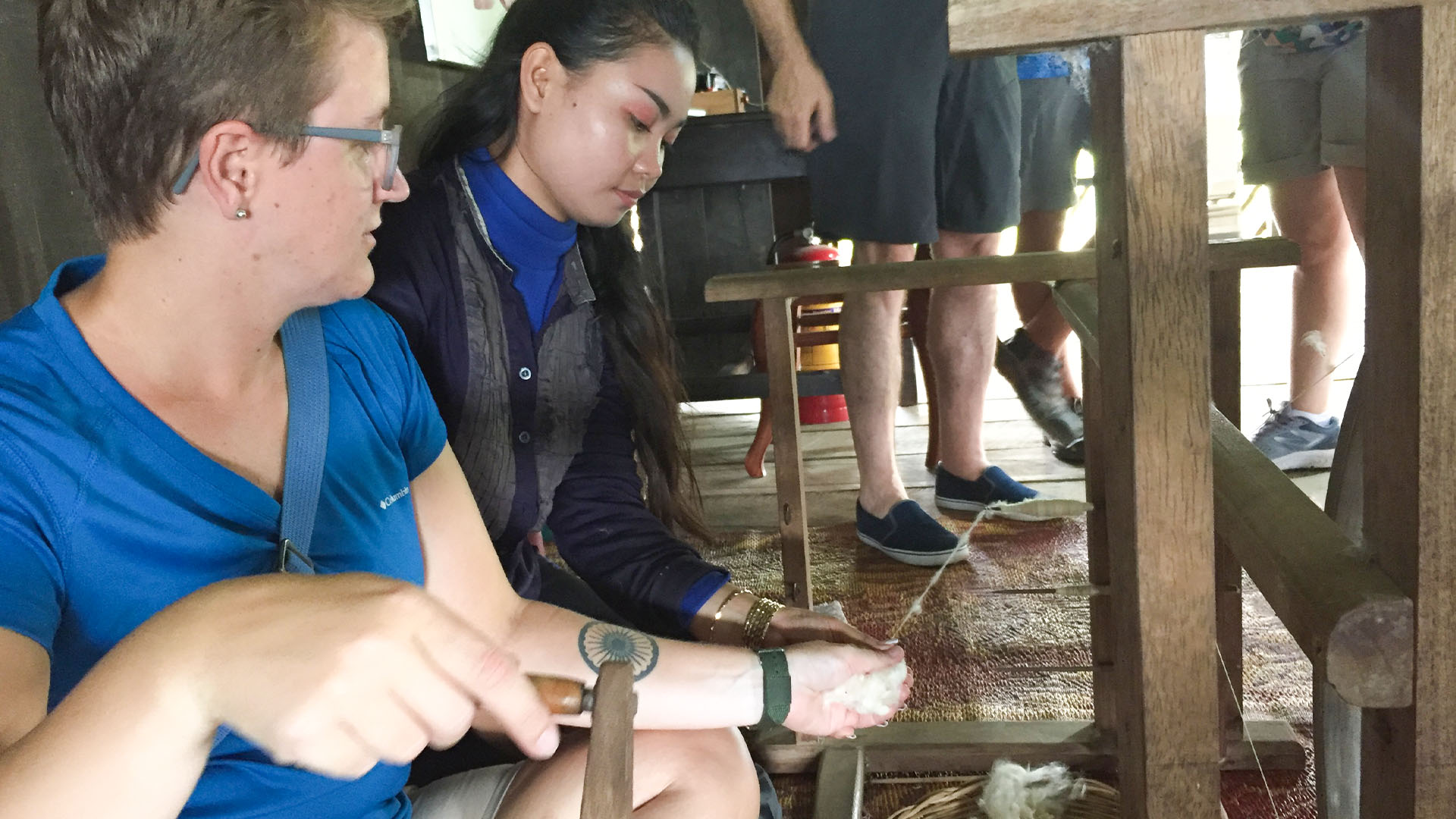
- Join hands-on cooking and craft experiences.
- Trace French-colonial, imperial, and Khmer history across two countries.
Impact
UN Sustainable Development Goals in Action for this Program
SDG 4: Quality Education
- Engages participants in service learning alongside vocational and hospitality students.
- Supports schools and workshops that train disadvantaged youth.
SDG 8: Decent Work and Economic Growth
- Studies of social enterprises that create livelihoods through craft, textiles, and hospitality.
- Examines how ethical business models sustain communities.
SDG 10: Reduced Inequalities
- Connects participants with programs serving disadvantaged and at-risk youth.
- Explores enterprise as a pathway out of poverty.
SDG 12: Responsible Consumption and Production
- Visits eco-friendly textile and artisan-craft enterprises.
- Examine ethical supply chains and sustainable materials.
Beyond the Classroom
Program Highlights
What You'll Take Home
Learning Outcomes
Social Enterprise and Sustainable Development
Participants see how ventures across two countries build economic, social, and environmental value, and how ethical business creates opportunity.
Service Leadership and Community Engagement
Through hands-on service learning, participants contribute alongside vocational students and reflect on responsible community engagement.
Cross-Cultural Competency
Immersion across Vietnam and Cambodia builds the confidence to work across cultures, languages, and business contexts.
Reflective Professional Practice
Cultural immersion, debriefs, and independent time help participants connect experience to their own goals and values.
Day by Day
Sample Itinerary
Specific organizations and visits are curated around the faculty's learning objectives and may vary by cohort; the descriptions below reflect the types of engagements included in the program.
Arrival in Ho Chi Minh City
Arrive in Ho Chi Minh City, meet the local guide, and set out on a guided city tour taking in the Reunification Palace, the French colonial-era Central Post Office, and the landmark Opera House.
Mekong Delta
A full-day Mekong Delta tour by coach and traditional sampan through Ben Tre, visiting cottage industries and riverside villages, with a local lunch.
Meals: B, LHo Chi Minh City to Hoi An
A flight to Da Nang and transfer to the UNESCO-listed Old Town of Hoi An, with a free afternoon to explore on foot.
Meals: BHoi An at Leisure
A free day in Hoi An, with optional excursions at additional cost such as the UNESCO temple ruins of My Son, an organic farming village by bike, or a countryside tour.
Meals: BHoi An to Hue
A scenic transfer over the Hai Van Pass to Hue for a 'mandarins and family life' experience — a village bike ride, a home-cooked meal, and a boat trip on the Perfume River.
Meals: B, DImperial Hue and Overnight Train
A cultural tour of the imperial city of Hue — the royal tombs and the Citadel — followed by an overnight train to Hanoi.
Meals: B, L, DHanoi to Ha Long Bay
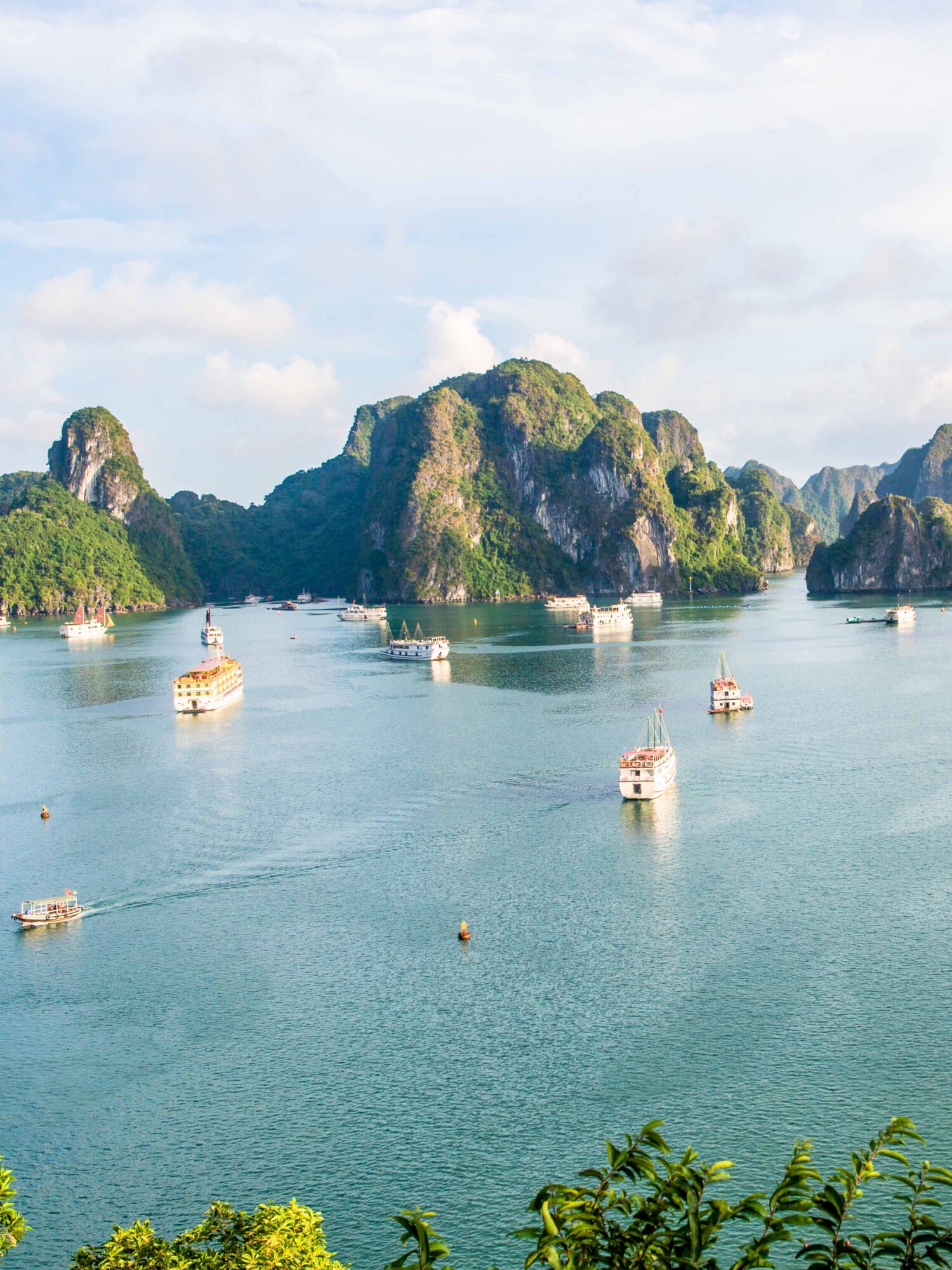
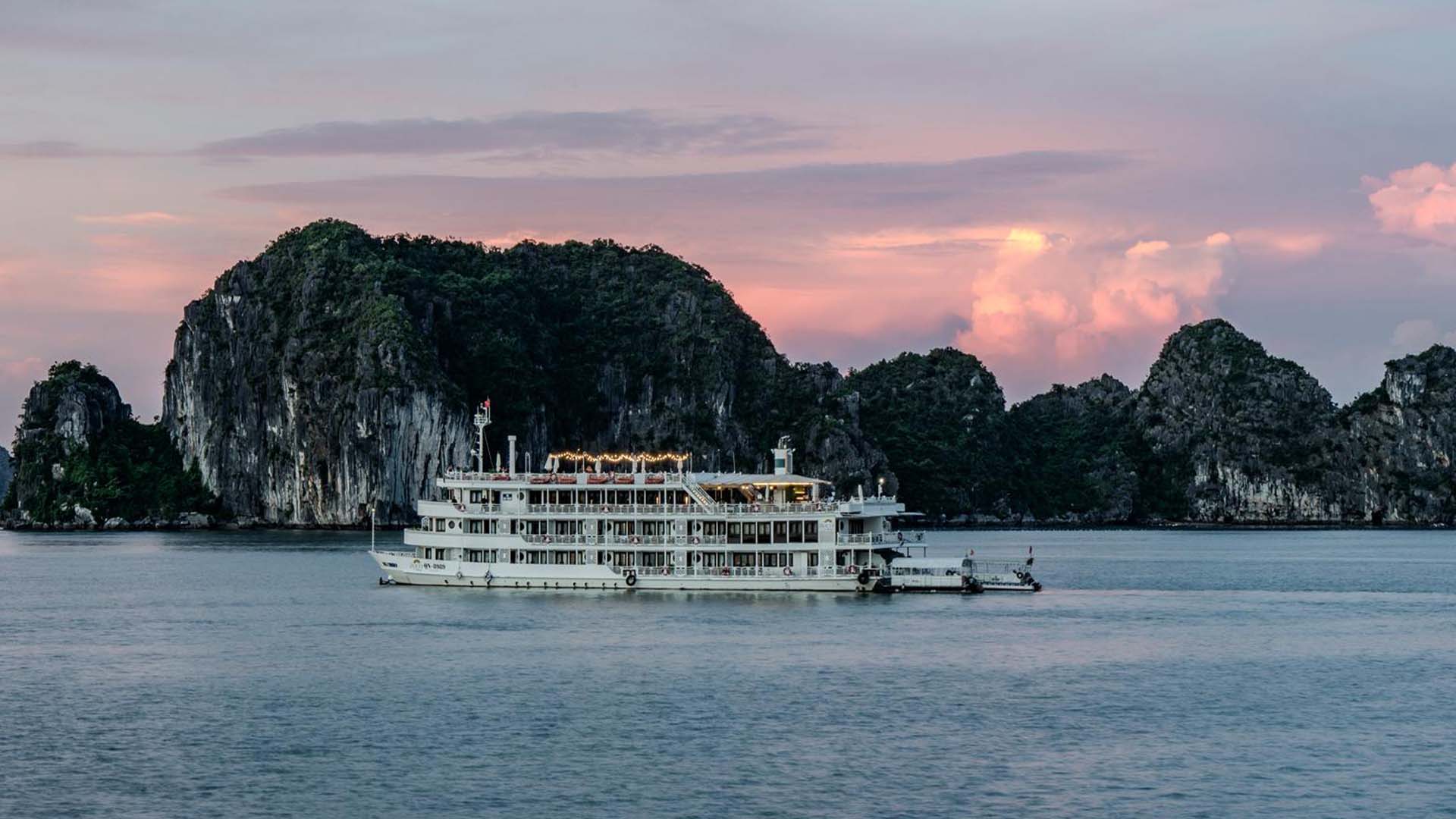
Arrival in Hanoi and transfer to Ha Long Bay for an overnight cruise among its limestone karsts, with a cave visit and onboard activities.
Meals: B, L, DHa Long Bay to Hanoi
A morning of tai chi, a floating-village visit by kayak or rowing boat, and a cruise through the bay before transferring back to Hanoi.
Meals: BService Learning and Siem Reap
A service-learning morning at a hospitality-training school for disadvantaged youth — cooking and sharing a meal with vocational students — before a flight to Siem Reap, Cambodia.
Meals: B, LTonle Sap and Khmer Culture
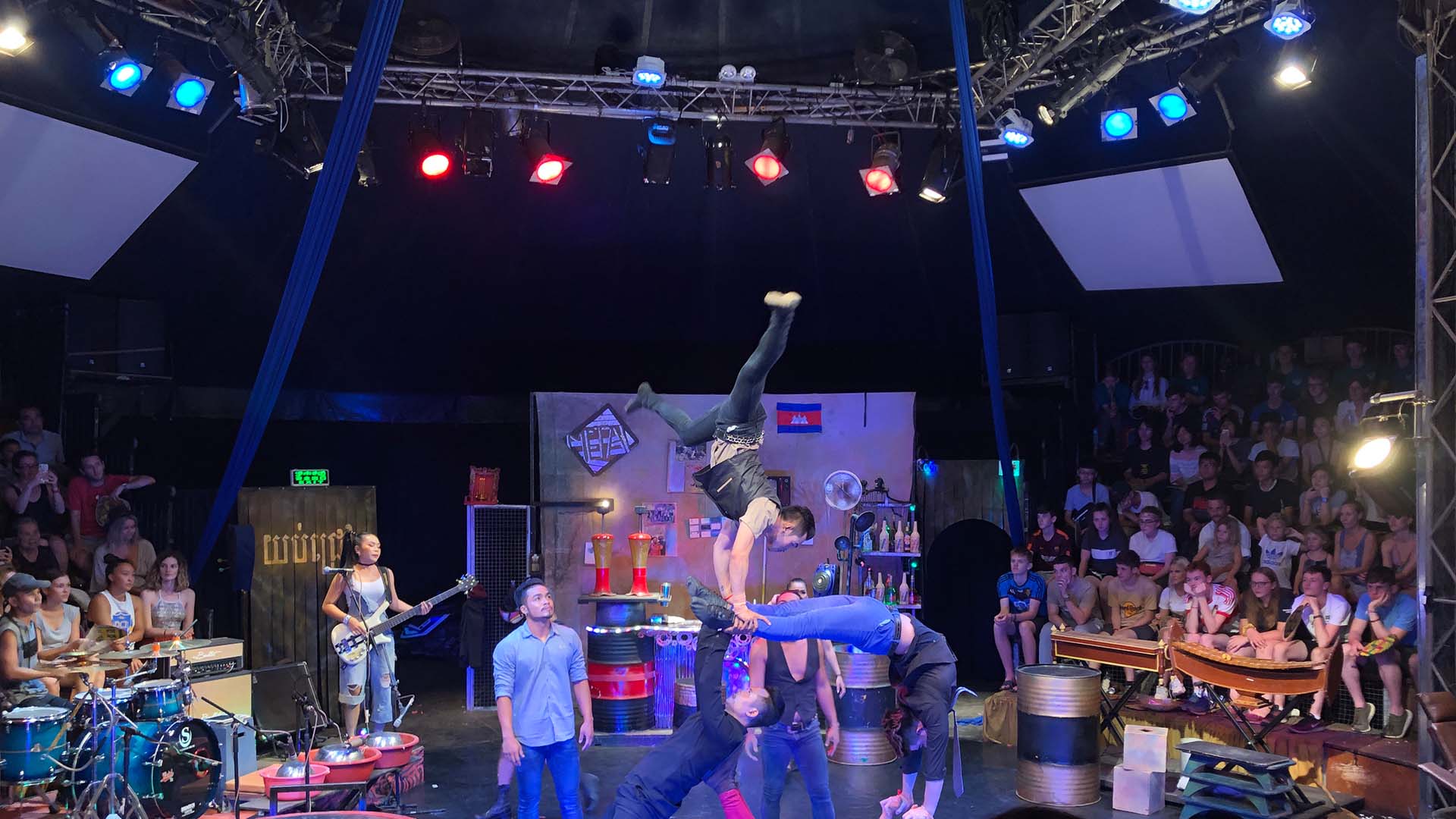
A boat trip to a floating village on Tonle Sap Lake, a visit to the Angkor National Museum, a dinner at a training restaurant that supports disadvantaged youth, and a contemporary Cambodian circus performance.
Meals: B, DThe Temples of Angkor
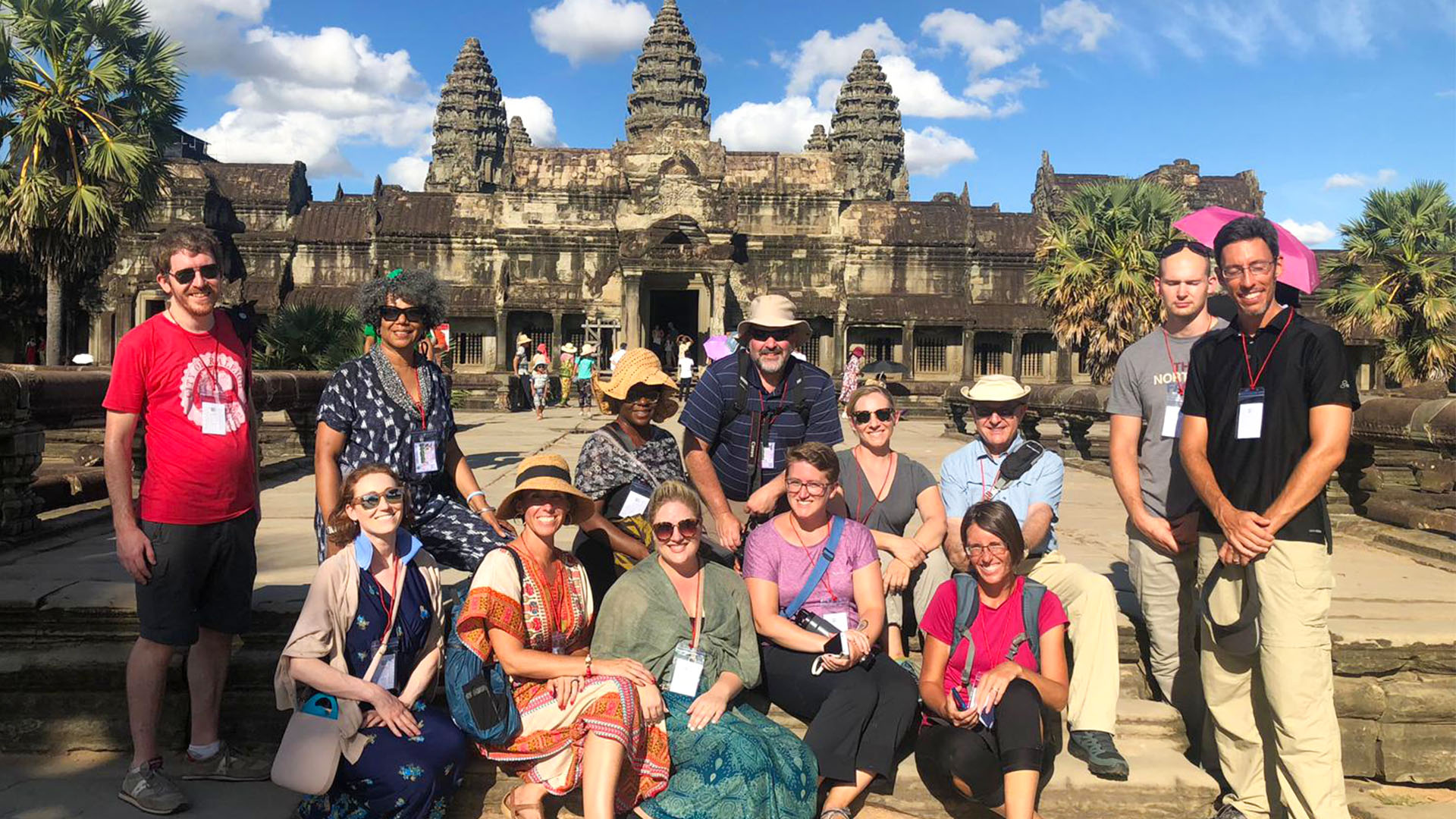
A full day among the temples of Angkor: Ta Prohm, the South Gate of Angkor Thom and the Bayon, and the great temple of Angkor Wat.
Meals: BSocial Enterprise in Siem Reap
Visits to an ethical, eco-friendly textile social enterprise and an artisan workshop reviving traditional Khmer crafts, with a free afternoon.
Meals: BDeparture
Transfer to the airport for the return journey, connecting through Ho Chi Minh City for onward flights.
Meals: BAt a Glance
Program Snapshot
Meals Included
Sustainability
On-Ground Support
Insurance
Investment
Pricing & Inclusions
Program Cost
From USD $2,400*
≈ AUD $3,360
per participant · twin-share basis
Per-participant pricing scales with group size; final quotes are tailored to your cohort and inclusions.
Request a customized quote*Costs may vary depending on group size, program inclusions, number of program days, and other factors. Please contact us for a customized quote.
What's Included
- Accommodation on a bed and breakfast basis (hotels, an overnight cruise, and an overnight train)
- Air-conditioned coach for tours and transfers
- Economy in-program flights (three sectors across Vietnam and Cambodia)
- Overnight train berth (Hue to Hanoi)
- Airport transfers on arrival and departure
- 12 Breakfasts, 4 Lunches and 4 Dinners
- Overnight Ha Long Bay cruise (private cabin)
- Assistance arranging social-enterprise and service-learning visits
- Guided cultural tours with English-speaking local guides
- Entry fees for scheduled visits and tours
- Bottled water on transfers and sightseeing
- Carbon offset and all applicable taxes
Good to Know
FAQs About the Program
1. What is the best time of year to run this program, and what is the weather like?
The program is built for the summer window (roughly June to August), which aligns well with academic calendars. Expect warm, tropical weather across Vietnam and Cambodia, with occasional monsoon showers, so light and quick-drying clothing is ideal. The itinerary can flex to your calendar.
2. What should participants pack and wear?
Pack light, breathable clothing for the tropics, modest attire that covers shoulders and knees for temple visits (required at the upper level of Angkor Wat), comfortable walking shoes, sun protection, and a light rain layer.
3. Do participants need visas for Vietnam and Cambodia?
This is a two-country program, so most travelers need an e-visa or visa for Vietnam and a visa (e-visa or on arrival) for Cambodia. Requirements depend on nationality, so confirm both countries' current rules with the relevant authorities and apply well in advance.
4. What organizations and sites do the program engage, and how does the group travel?
The program engages social enterprises, a training school, and artisan workshops, alongside UNESCO heritage sites, museums, and the temples of Angkor. The group travels by private coach, in-program flights, an overnight train, and an overnight cruise. Specific hosts are curated around the faculty's objectives and may vary by cohort.
5. What does Authentica provide, and how is the program structured?
Authentica designs the itinerary, arranges social-enterprise and service-learning visits and cultural experiences, and provides an on-ground Program Manager throughout. The program balances hands-on engagement with heritage immersion, reflection, and free time.
6. What are the accommodations and meals like?
Participants stay on a twin-share basis in comfortable hotels, plus one night on an overnight train and one on a Ha Long Bay cruise, on a bed and breakfast basis, with 4 lunches and 4 dinners included. Single occupancy is available at a supplement.
7. How should participants handle money, cards, and tipping?
Vietnam uses the dong and Cambodia the riel, with US dollars widely accepted in Cambodia. Cards work in the cities, so carry some cash for markets and rural stops. Tipping is customary for guides and drivers and is not included in the program price.
8. Is the program safe, and what support is provided?
A dedicated Authentica Program Manager accompanies the group 24x7 from orientation to departure, and the program opens with an orientation and safety briefing. Authentica also carries USD 5M Commercial General Liability and USD 1M Errors and Omissions insurance.
Interested in a Similar Program?
Contact us at info@authentica.com to design a faculty-led immersion around your objectives.