

Renaissance Art and Intercultural
Communication in Florence
Renaissance Art History, Cultural Immersion and Communication Studies Across Florence, Siena and Arezzo
 Florence, Italy
Arts and Humanities
17 Days / 16 Nights
Florence, Italy
Arts and Humanities
17 Days / 16 Nights
Sustainable Development Goals in Action
The Destination
Program Overview
Renaissance art and intercultural communication in Florence is a 17-day faculty-led immersion in the birthplace of the Renaissance, from USD $2,980 per student, with day trips to Siena and Arezzo.
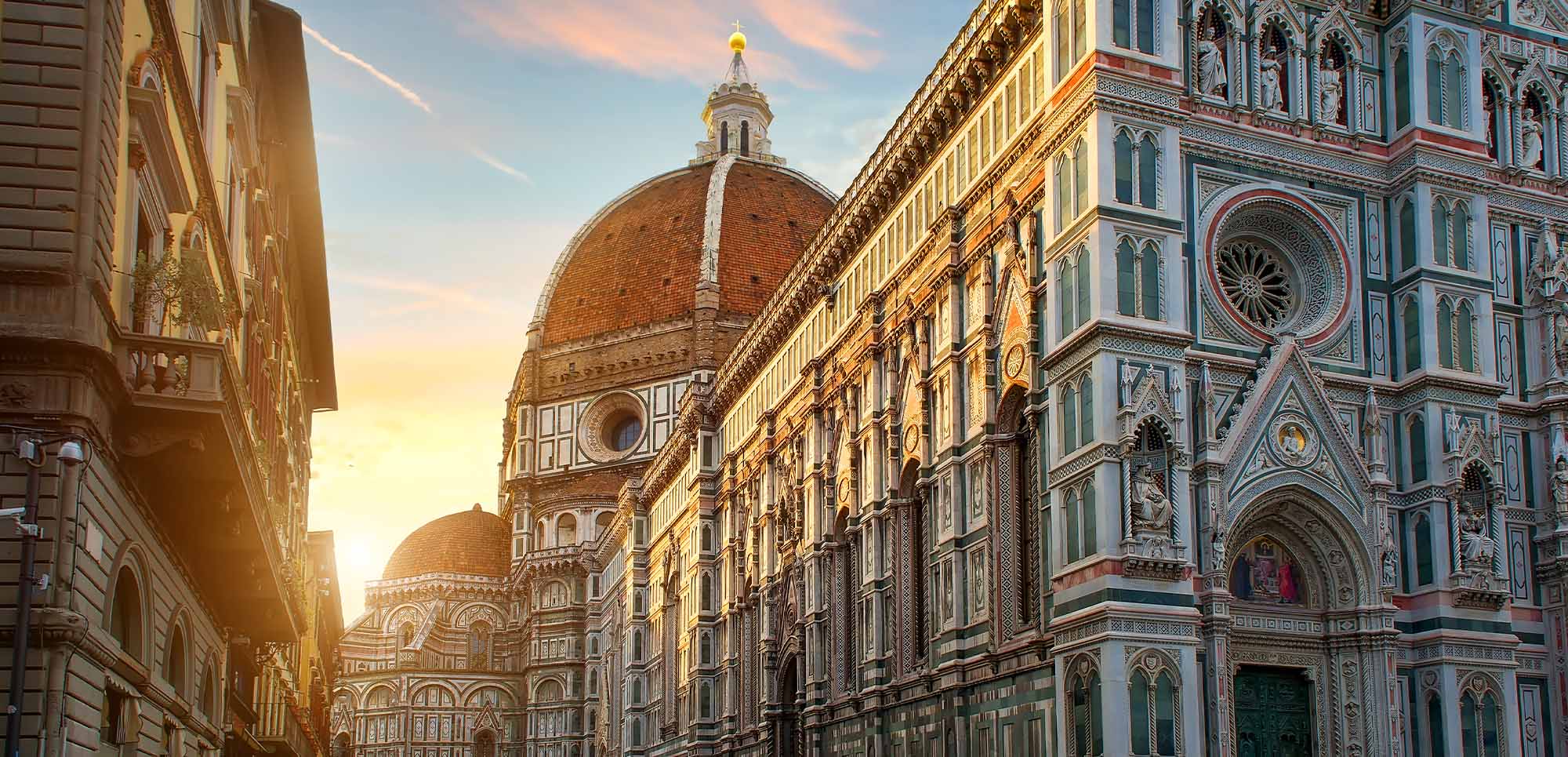
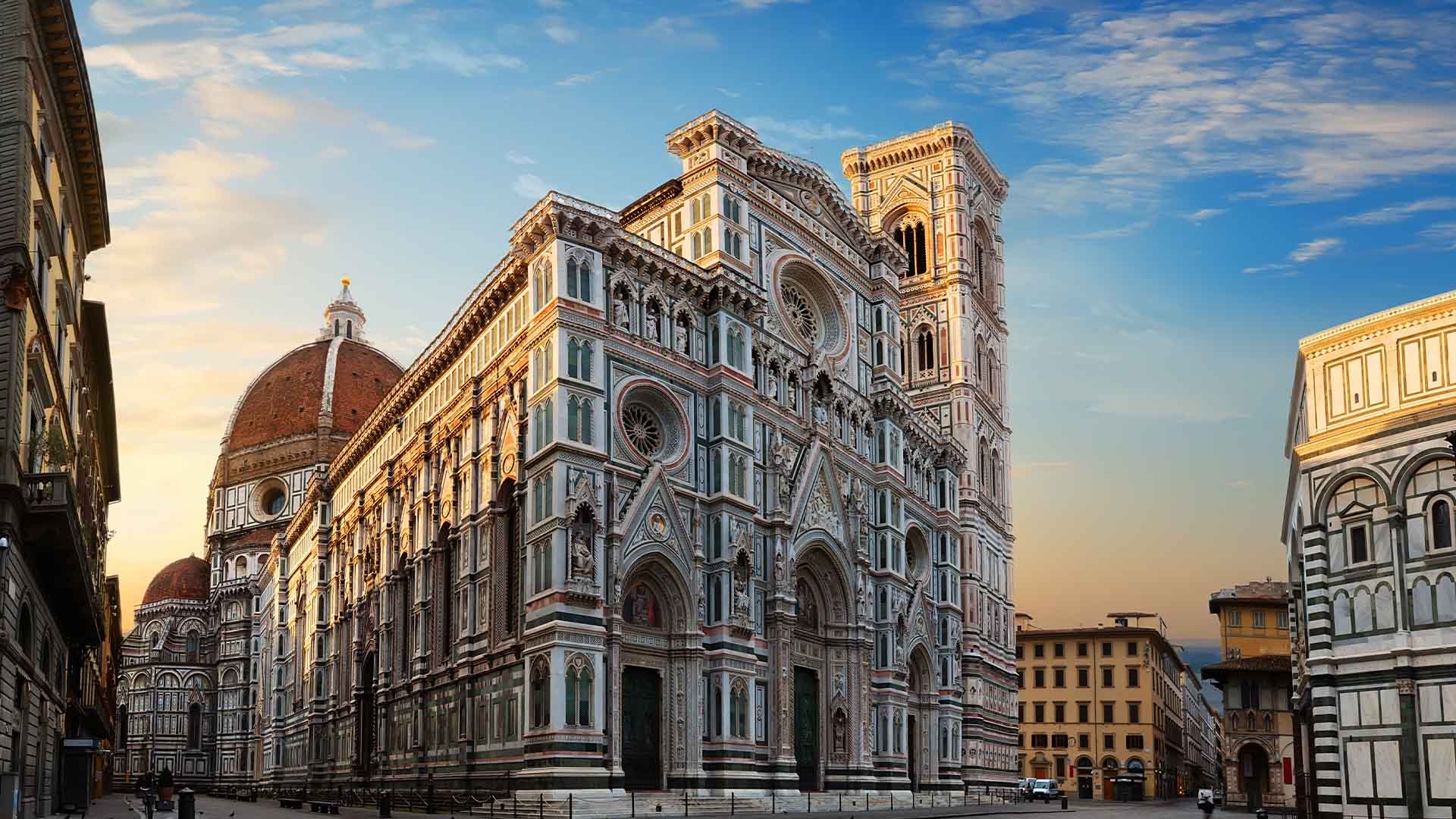
Florence is the birthplace of the Renaissance and one of the world’s great open-air museums, making it an unparalleled destination for a study-abroad program at the intersection of art history, cultural heritage, and intercultural communication. Home to more UNESCO-recognized treasures than almost anywhere on earth, the city lets students examine artistic masterpieces in their original contexts while developing essential cross-cultural competencies.
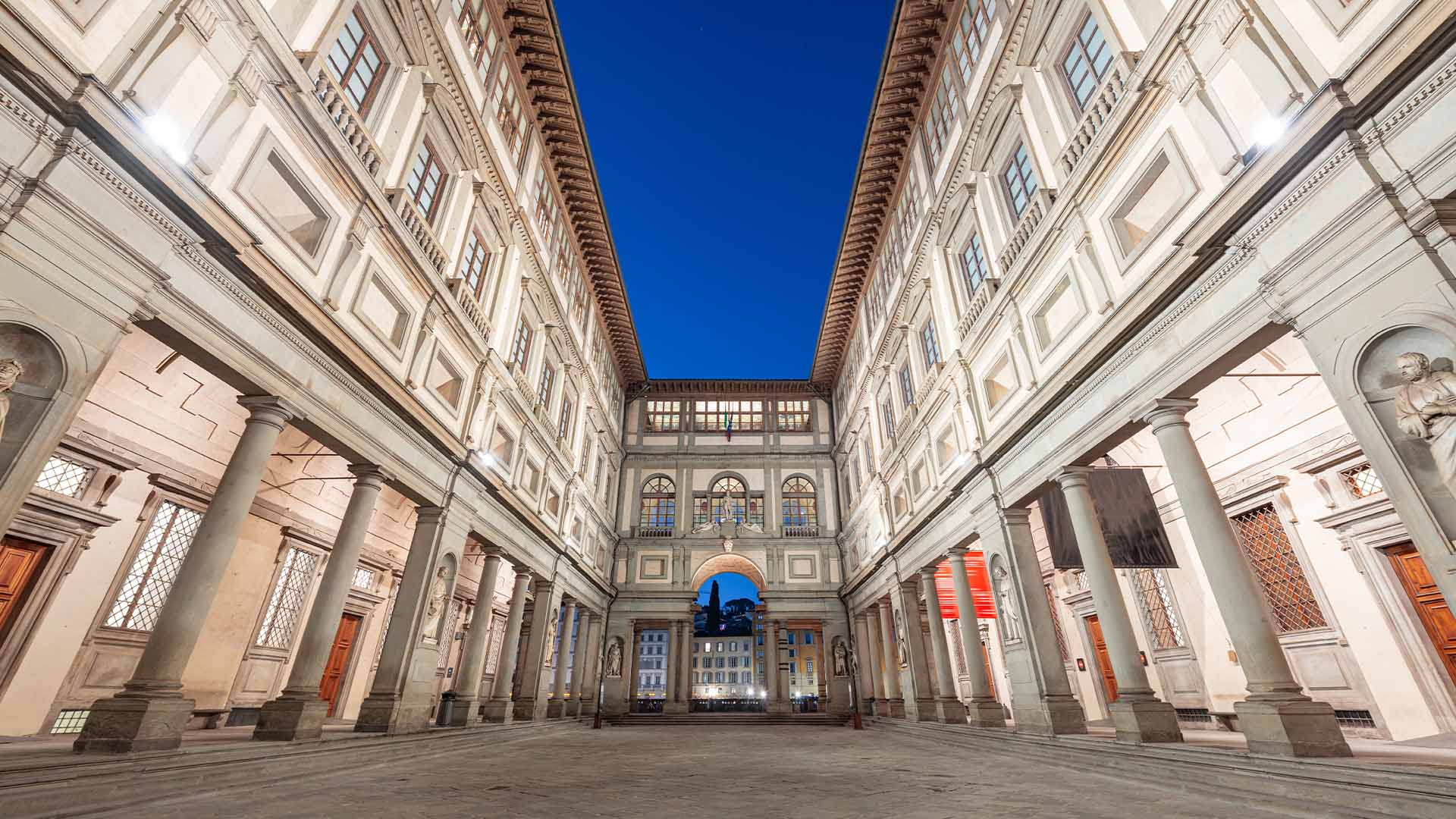
The program pairs classroom study with direct encounters at world-renowned collections — the Uffizi Gallery, the Galleria dell’Accademia, and the Pitti Palace — alongside Florence’s most significant landmarks, including the Duomo, Santa Croce, and San Marco. A beginner Italian crash course, expert guest lectures, and guided cultural immersions help students read art as a universal language that transcends cultural boundaries.
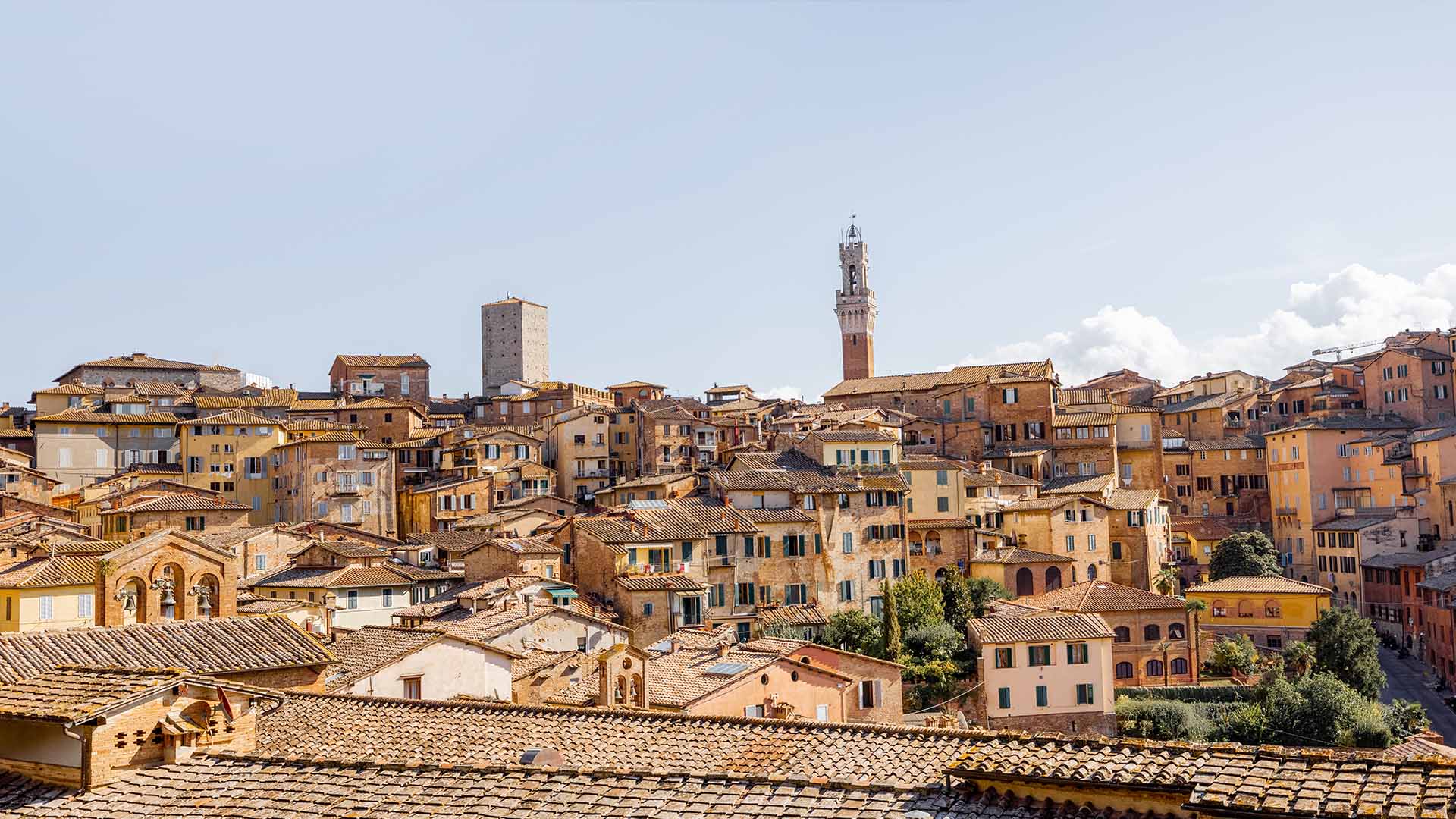
Beyond Florence, day trips into wider Tuscany — to medieval Siena and to Arezzo — deepen students’ understanding of how Renaissance innovation, civic identity, and living heritage continue to shape contemporary Italian culture, sharpening their skills in visual analysis, cultural interpretation, and intercultural communication.
Ideal for students in Art History, Studio Art, Communication, Intercultural Studies, Italian, Humanities, Liberal Arts, and related disciplines.
What You’ll Do
Key Program Elements
Explore Renaissance Art and Architecture
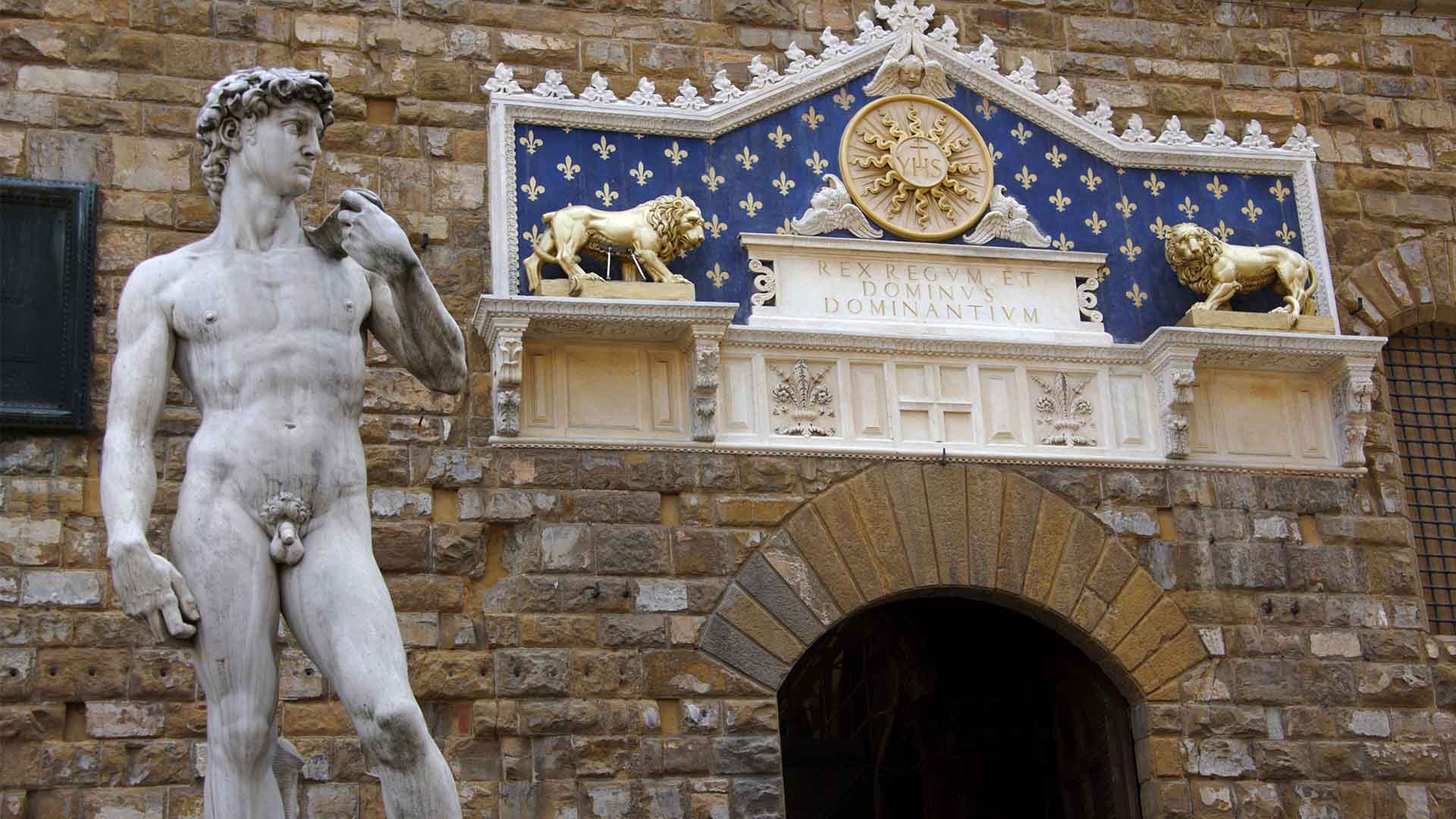
- Encounter Renaissance masterpieces in their original settings at the Uffizi Gallery, the Galleria dell’Accademia, the Pitti Palace, and the Bargello.
- Study the architecture and religious art of the Duomo complex, Santa Croce, San Lorenzo, and San Marco.
- Examine Medici patronage and the evolution of artistic taste that shaped the Florentine Renaissance.
Develop Intercultural Communication Skills
- Take dedicated coursework in art history and intercultural communication, taught for academic credit.
- Learn how art functions as a universal language that bridges cultural and historical boundaries.
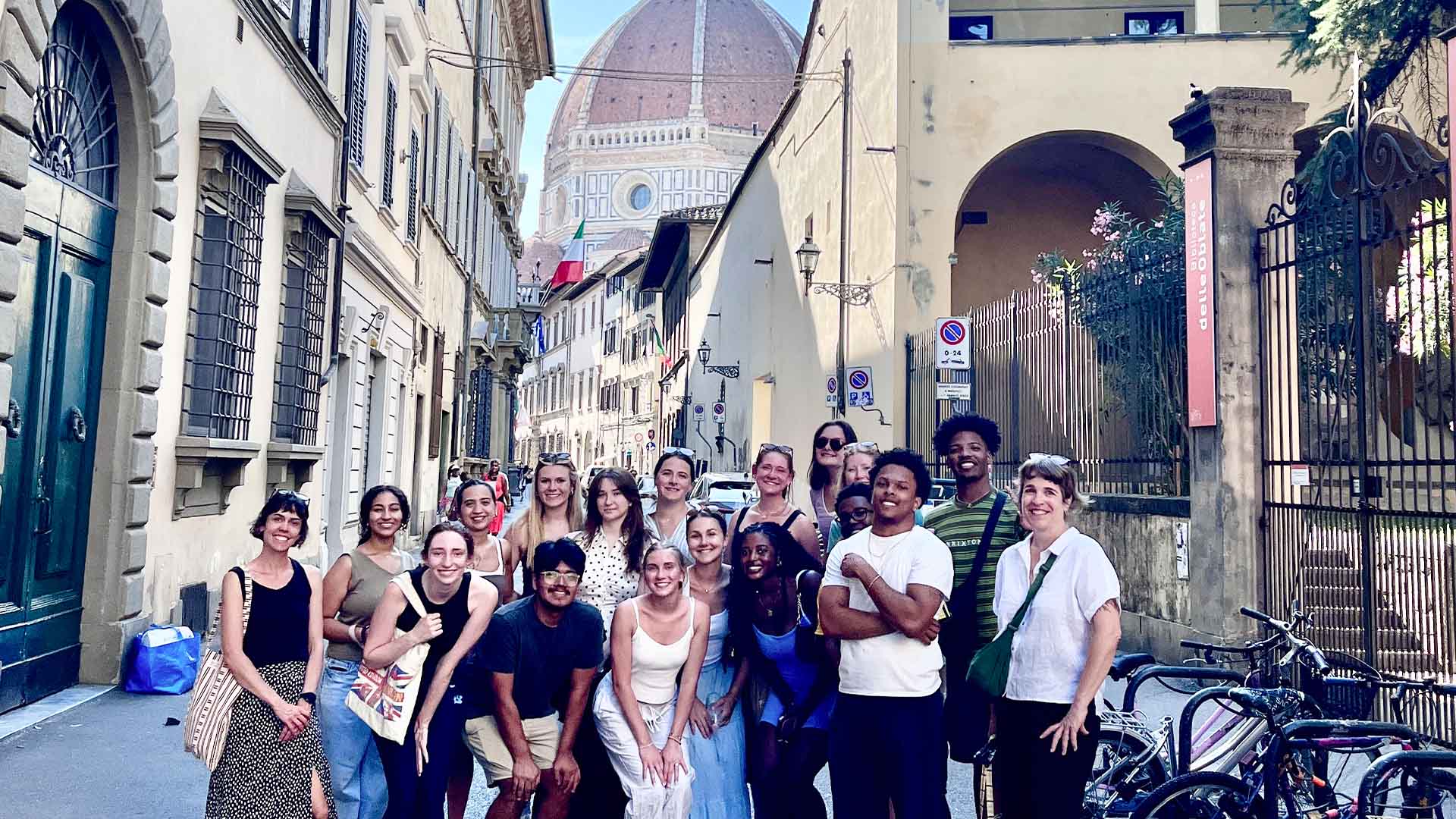
- Build cross-cultural competencies through daily immersion in Florentine life and a beginner Italian crash course.
Experience Tuscan Culture and Heritage
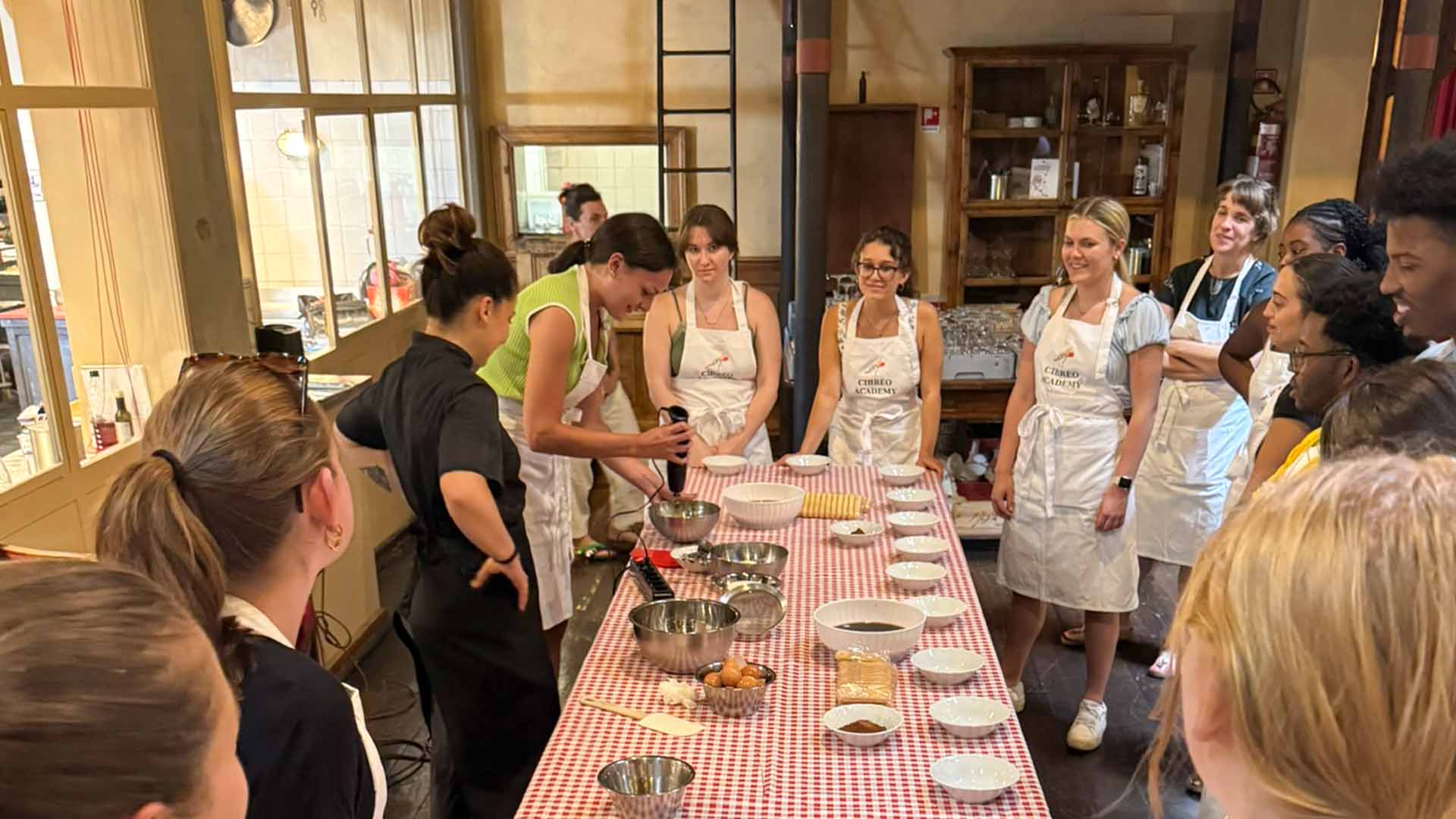
- Take part in a hands-on Italian cooking class and explore contemporary food culture at Florence’s central market.
- Discover medieval civic identity on a full-day guided excursion to Siena.
- Step into the art and history of Arezzo on a guided Tuscan day trip.
Impact
UN Sustainable Development Goals in Action for this Program
SDG 4: Quality Education
- Delivers a cross-cultural academic experience combining art history, intercultural communication, and Italian-language instruction.
- Grounds learning in authentic cultural settings through hands-on museum and heritage-site study.
SDG 8: Decent Work and Economic Growth
- Examine the creative economy, cultural-heritage tourism, and traditional artisan crafts.
- Explores how cultural industries generate sustainable economic value.
SDG 11: Sustainable Cities and Communities
- Studies Florence’s urban planning and the preservation of its historic center.
- Analyzes sustainable tourism and the balance between heritage and modern city life.
SDG 16: Peace, Justice and Strong Institutions
- Builds cross-cultural dialogue and global citizenship through immersive intercultural communication.
- Examine Renaissance governance and the role of cultural institutions in society.
SDG 17: Partnerships for the Goals
- Fosters cross-cultural academic collaboration between institutions and communities.
- Builds international networks that advance future cooperation and understanding.
Beyond the Classroom
Program Highlights
What You’ll Take Home
Learning Outcomes
Renaissance Art and Visual Analysis
Gain firsthand understanding of Renaissance art, architecture, and iconography by studying masterpieces in their original Florentine contexts.
Intercultural Communication
Develop intercultural communication skills essential to navigating cultural differences, using art and daily immersion as a shared language.
Cultural Heritage and Comparative Awareness
Compare how Florence, Siena, and Arezzo preserve and interpret their heritage, and relate those approaches to culture and community at home.
Reflective and Experiential Learning
Connect academic study to lived experience through guided immersions, reflection, and a beginner Italian-language foundation.
Day by Day
Sample Itinerary
Specific organizations and sites visited are curated based on the faculty’s learning objectives and may vary by cohort. The categories below reflect the types of engagements included in this program.
Arrival in Florence
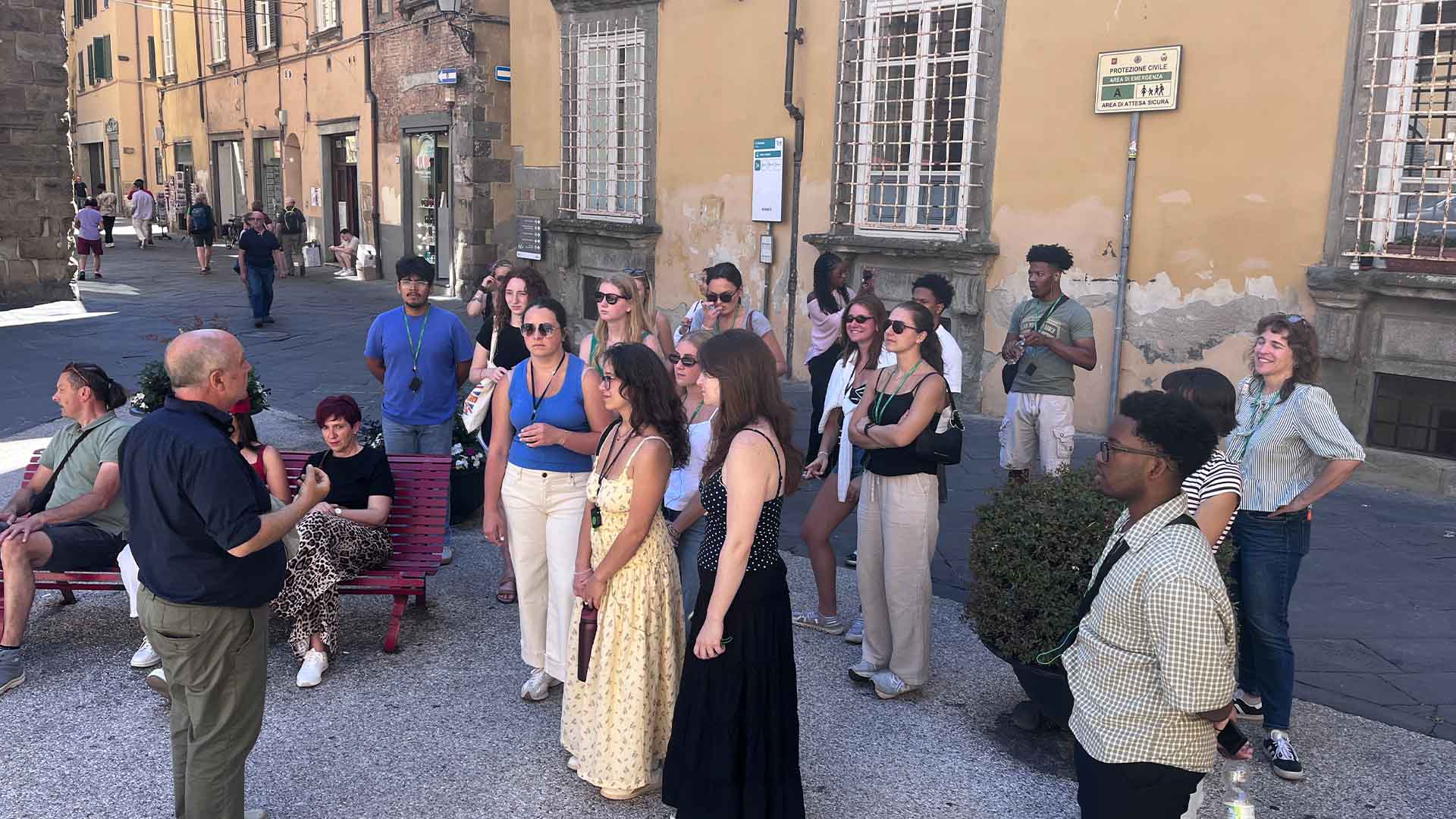
Arrival and transfer to the program accommodation. Afternoon: program orientation and a guided walking tour of Florence, followed by check-in, with a safety briefing led by the Authentica Program Manager.
Florentine Foundations
Morning: opening classroom session and a beginner Italian crash course. Afternoon: a guided cultural immersion of Florence, including San Marco, San Lorenzo, and the Bargello. Evening: welcome dinner.
Meals: DRenaissance Masters
Full day: a guided cultural immersion of Florence, including the Galleria dell’Accademia, Palazzo Medici Riccardi, and Santa Croce.
Classroom Study
Full-day classroom session on Renaissance art and intercultural communication.
Classroom Study
Full-day classroom session on Renaissance art and intercultural communication.
Galleries and Gardens
Full day: visits to the Uffizi Gallery, the Pitti Palace, and the Boboli Gardens.
Taste of Tuscany
Full day: a hands-on authentic Italian cooking class exploring local ingredients and traditions.
Classroom Study
Full-day classroom session with faculty-led instruction.
Siena Day Trip
Full day: a guided excursion to the medieval city of Siena and its historic center.
Guest Lecture
Guest lecture on the economic history of culture and natural resources in Florence.
Guest Lecture
Guest lecture on climate change and measuring sustainable development in Italy and Florence.
Classroom Study
Full-day classroom session with faculty-led instruction.
Classroom Study
Full-day classroom session with faculty-led instruction.
Arezzo Day Trip
Full day: a guided excursion to the Tuscan city of Arezzo, led by an Authentica chaperone.
Classroom Study
Full-day classroom session and synthesis of the program’s themes.
Reflection and Farewell
Program wrap-up and reflection. Evening: farewell dinner.
Meals: DDeparture
Check-out and transfer for onward travel.
At a Glance
Program Snapshot
Meals Included
Sustainability
On-Ground Support
Insurance
Investment
Pricing and Inclusions
Program Cost
*Costs may vary depending on group size, program inclusions, number of program days, and other factors. Please contact us for a customized quote.
What’s Included
- 16 nights’ apartment accommodation with utilities, Wi-Fi, weekly cleaning, and linens
- Florence city public transport pass for the full program
- Round-trip train tickets for the Siena and Arezzo day trips
- Private transfers between the orientation point and accommodation
- Welcome and farewell group dinners
- Faculty-taught art history and intercultural communication courses
- Beginner Italian crash course and expert guest lectures
- Amici degli Uffizi Card and a cultural fund per student
- Guided cultural tours by English-speaking professionals
- Carbon offset for all participants (certificates provided after the program)
- 24×7 on-ground support by an Authentica Program Manager
- Tips for guides and drivers, and all applicable taxes
Good to Know
FAQs About the Program
1. When is the best time of year to run this program, and what is the weather like?
Florence is at its most rewarding in spring (roughly April to June) and early autumn (September to October), when the weather is mild and the city and wider Tuscany are ideal for both study and exploration. Summers can be hot, so outdoor visits are best scheduled for cooler mornings; the itinerary can be tailored to your academic calendar, and packing layers is advisable.
2. Who is this program designed for?
It is designed for students in art history, studio art, communication, intercultural studies, Italian, and the broader humanities and liberal arts — anyone who wants firsthand exposure to Renaissance art and to intercultural communication in one of Europe’s richest cultural settings.
3. What will students gain academically and professionally?
Students earn coursework in art history and intercultural communication while building visual-analysis skills, cross-cultural competencies, and a foundation in Italian — developing the kind of global perspective valued in further study and a wide range of careers.
4. Are the specific museums, sites, and visits guaranteed?
Site visits and engagements are curated around the faculty’s learning objectives and may vary by cohort, depending on availability, timed-entry limits, and local schedules. Every effort is made to arrange equivalent visits that meet the same learning objectives.
5. Do participants need a visa, and how does travel around Tuscany work?
Italy is part of the Schengen Area, and many nationalities, including U.S. citizens, can enter visa-free for short stays; a simple pre-travel authorization (such as ETIAS) may apply depending on nationality and timing. Within Tuscany, the program uses Florence’s public transport and regional trains for the Siena and Arezzo day trips. Requirements should be confirmed by passport well ahead of departure.
6. What language are the sessions in?
Program sessions, guided tours, and lectures are conducted in English, and a beginner Italian crash course is included. English is widely understood in Florence’s cultural and tourist settings, so participants do not need to speak Italian to take part fully.
7. How do money, cards, and tipping work in Italy?
Italy uses the euro (EUR), and cards and mobile payments are widely accepted, though carrying some cash is useful for small purchases. Tipping is modest and not expected; the program already includes tips for guides and drivers.
8. Is the program safe, and what support is provided?
Italy is a well-established, welcoming study-abroad destination; the main day-to-day caution is petty theft in crowded tourist areas, which the orientation addresses. The single European emergency number is 112. A dedicated Authentica Program Manager provides 24×7 on-ground support, the program opens with an orientation and safety briefing, and Authentica carries a US$5M commercial general liability policy and a US$1M errors and omissions policy.
Interested in a Similar Program?
Contact us at info@authentica.com to design a faculty-led immersion around your objectives.