

Italian Food, Culture & Health
Immersion in Italy
Mediterranean Diet, Sustainable Food Systems & Tuscan Heritage across Lucca and Florence
 Lucca & Florence, Italy
Healthcare
23 Days / 22 Nights
Lucca & Florence, Italy
Healthcare
23 Days / 22 Nights
Sustainable Development Goals in Action
The Destination
Program Overview
Italian food culture and health immersion in Italy is a 23-day faculty-led program based in Lucca and Florence that studies the UNESCO-recognized Mediterranean diet and its measurable health outcomes, from USD $5,389 per participant.
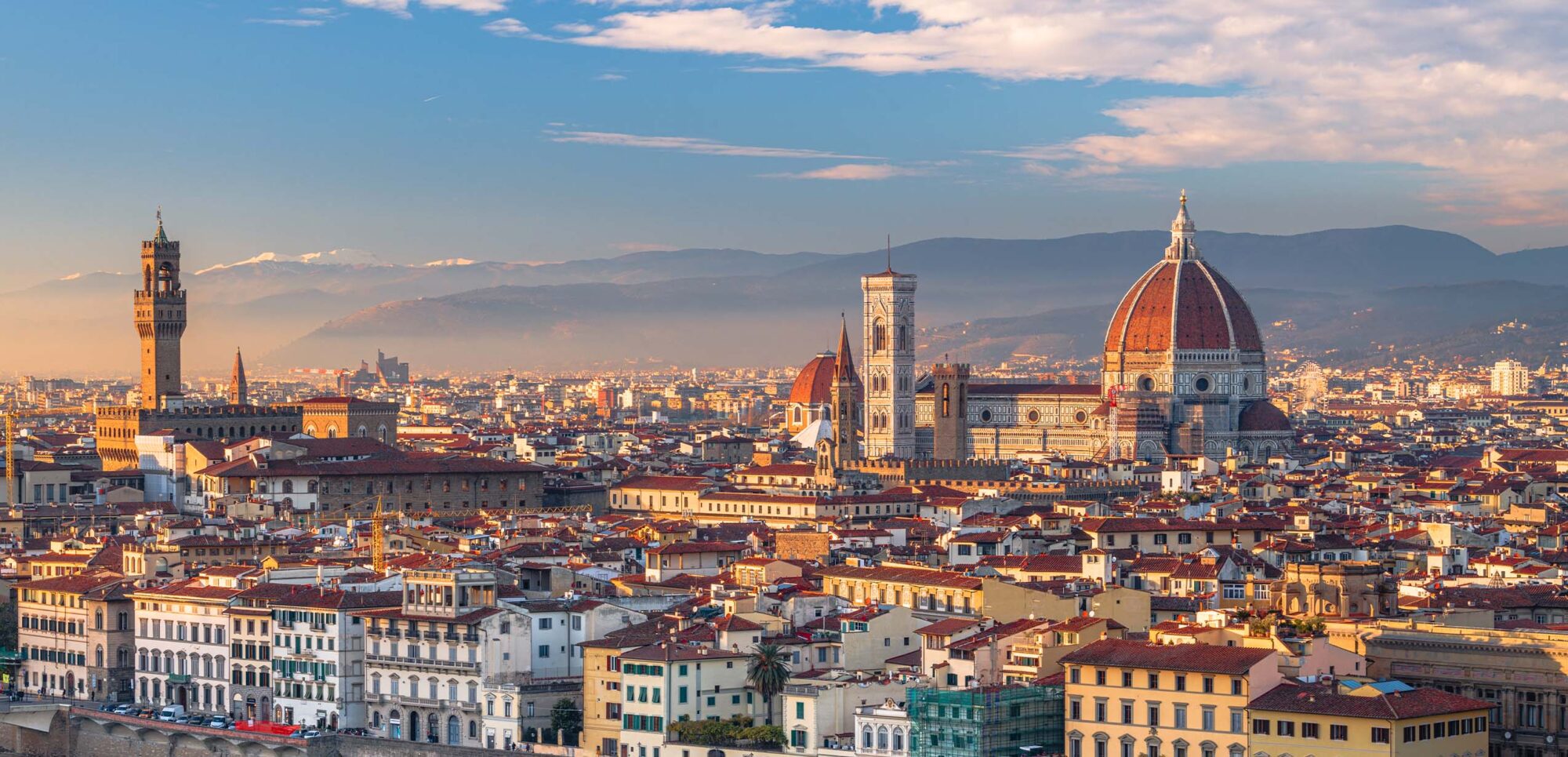
In 2010, UNESCO recognized the Mediterranean Diet as an Intangible Cultural Heritage of Humanity, acknowledging its profound impact on health, sustainability, and cultural identity across the Mediterranean basin, making Italy the ideal destination for studying nutrition's role in preventing chronic disease. Based in the Tuscan cities of Lucca and Florence, this program immerses students in Italy's centuries-old culinary traditions and the science behind them.Students explore Italy's food and health landscape through hands-on cooking classes, guided visits to artisanal food producers, and engagement with leading nutrition researchers. Daily morning classroom sessions and expert guest lectures anchor the academic content, while visits to DOP- and IGP-certified producers, sustainable agriculture initiatives, and traditional food markets show how Italy's Mediterranean diet principles translate into measurable health outcomes.
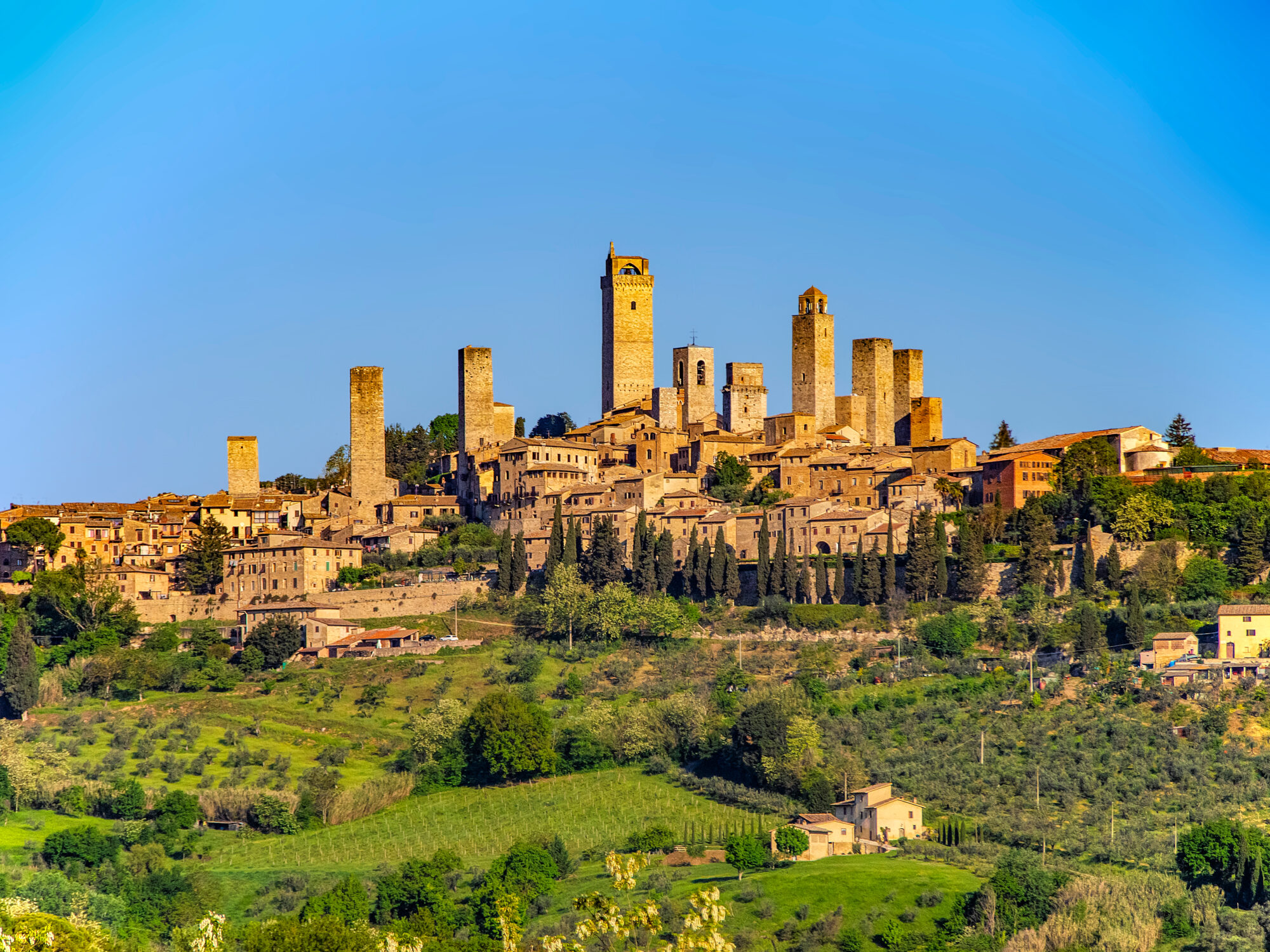
Alongside the academic program, students experience Tuscany's rich cultural heritage — UNESCO World Heritage sites in Florence, Lucca, and San Gimignano, traditional food markets, and excursions to the Chianti region and Emilia-Romagna — building cultural competency, nutritional science knowledge, and a deeper appreciation for how food traditions shape community health and well-being.
Ideal for students in Nutrition, Public Health, Food Science, Dietetics, Health Sciences, and related disciplines.
What You'll Do
Key Program Elements
Mediterranean Diet & Nutrition Science
- Engage with nutrition researchers at a leading Italian university on Mediterranean diet adherence, cardiovascular health, and the nutritional properties of traditional Tuscan ingredients.
- Learn from Italy's national agricultural research council about food-based dietary guidelines and the scientific basis for Mediterranean diet recommendations.
- Meet Italy's national human nutrition society to understand nutrition education, public health initiatives, and the role of dietitians in promoting healthy eating.
- Examine how Mediterranean diet principles translate into measurable health outcomes.
Sustainable Food Systems & Traditional Agriculture
- Learn how the slow-food movement protects food biodiversity and supports small-scale producers.
- Understand how agricultural practices affect ecosystems and community health in rural Tuscany, including organic farming operations.
- Engage with local agricultural cooperatives and food-waste reduction initiatives connecting farmers, businesses, and schools.
Artisanal Production, Culinary Heritage & Public Health
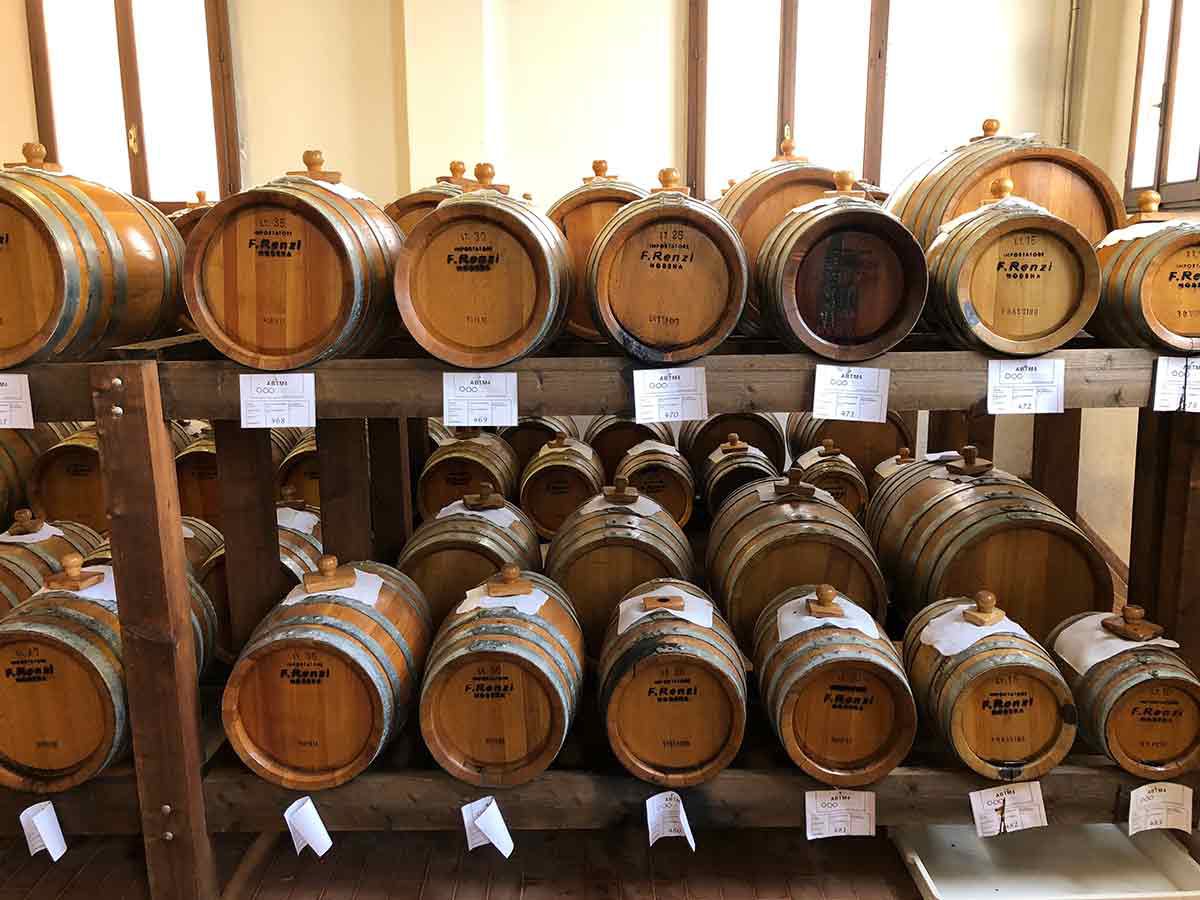
- Visit Parmigiano Reggiano DOP and traditional balsamic vinegar producers to see how certification preserves quality, nutrition, and heritage.
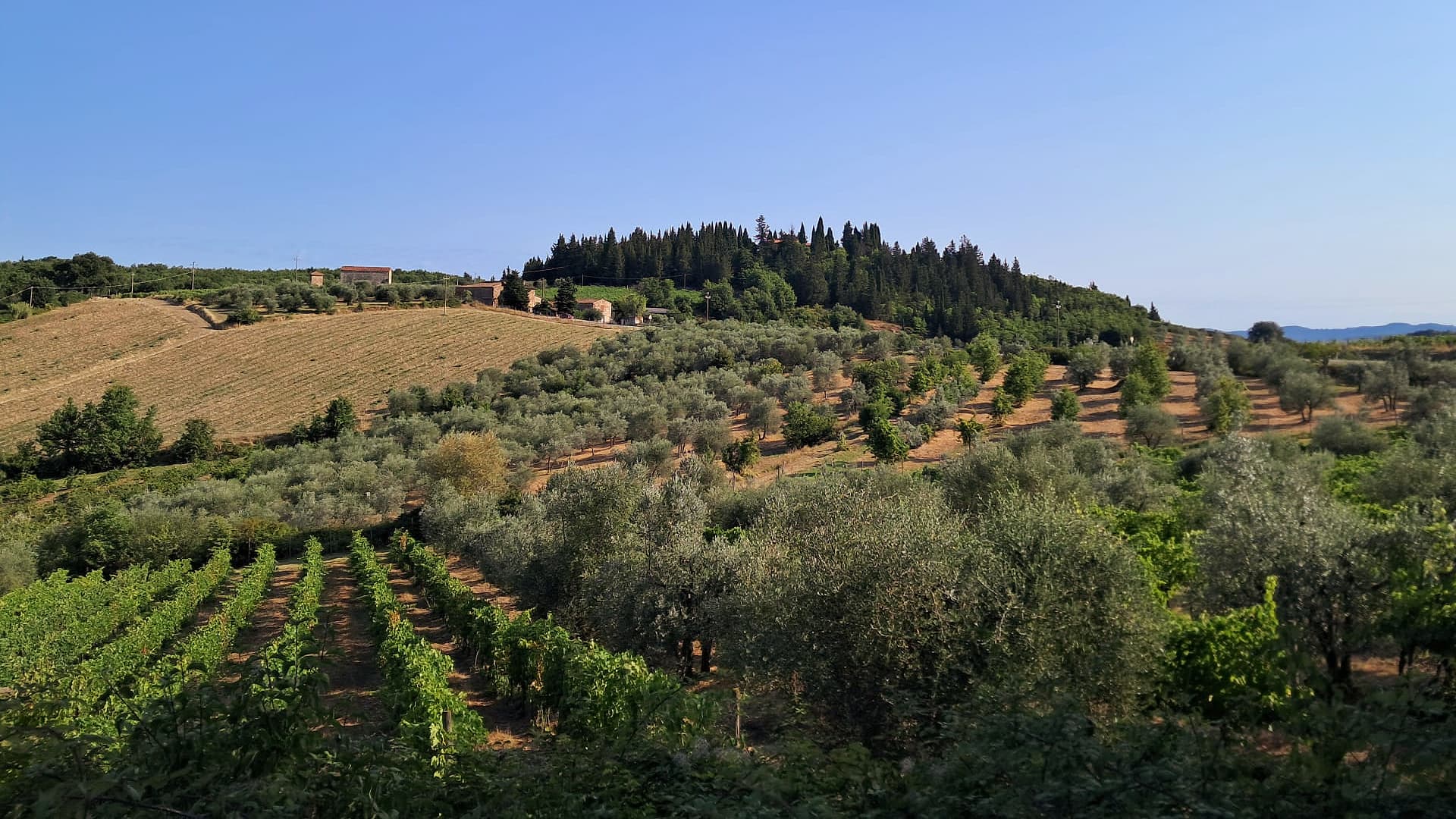
- Learn about olive cultivation, cold-pressing techniques, and the health benefits of high-polyphenol Tuscan extra virgin olive oil.
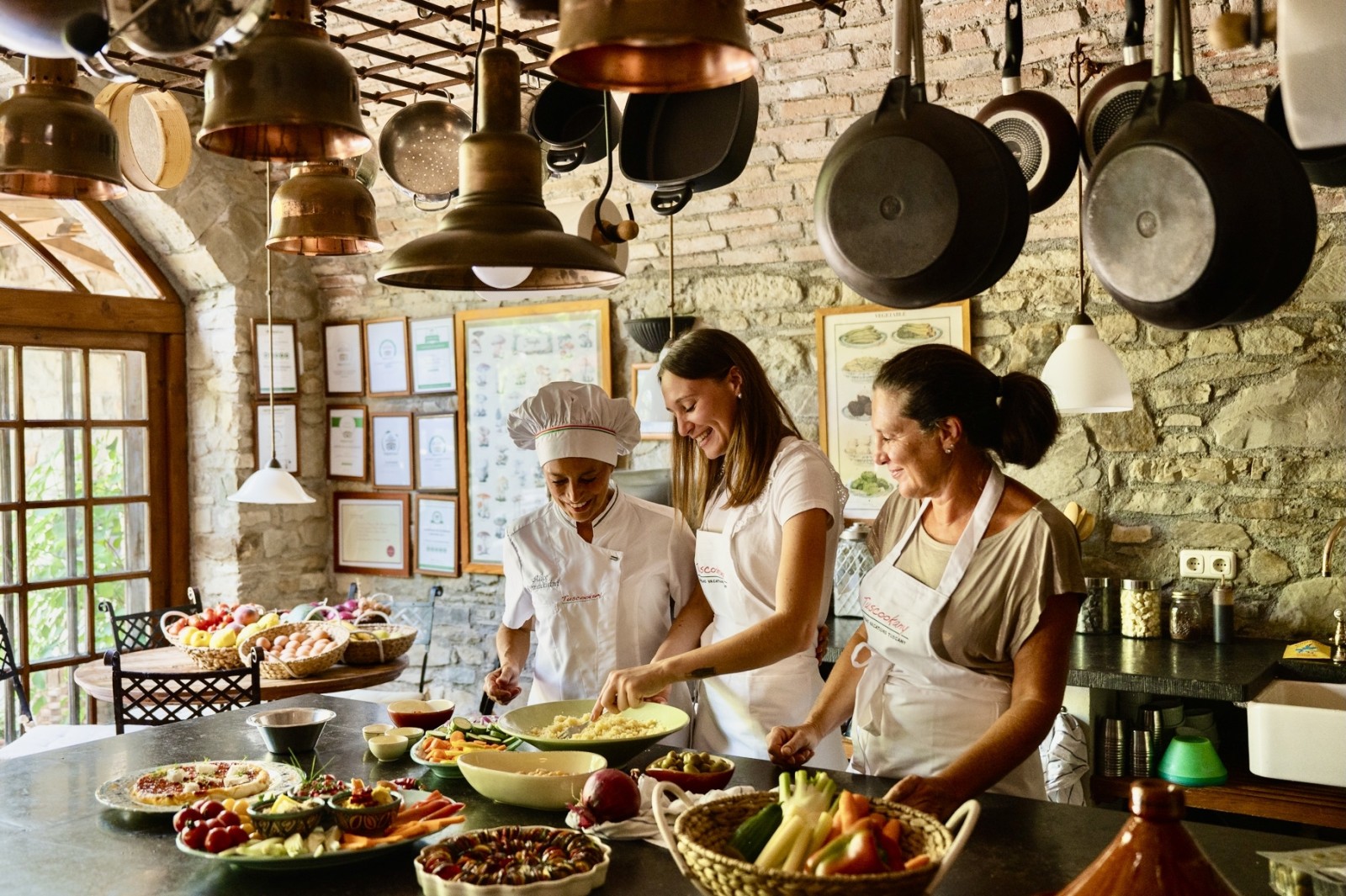
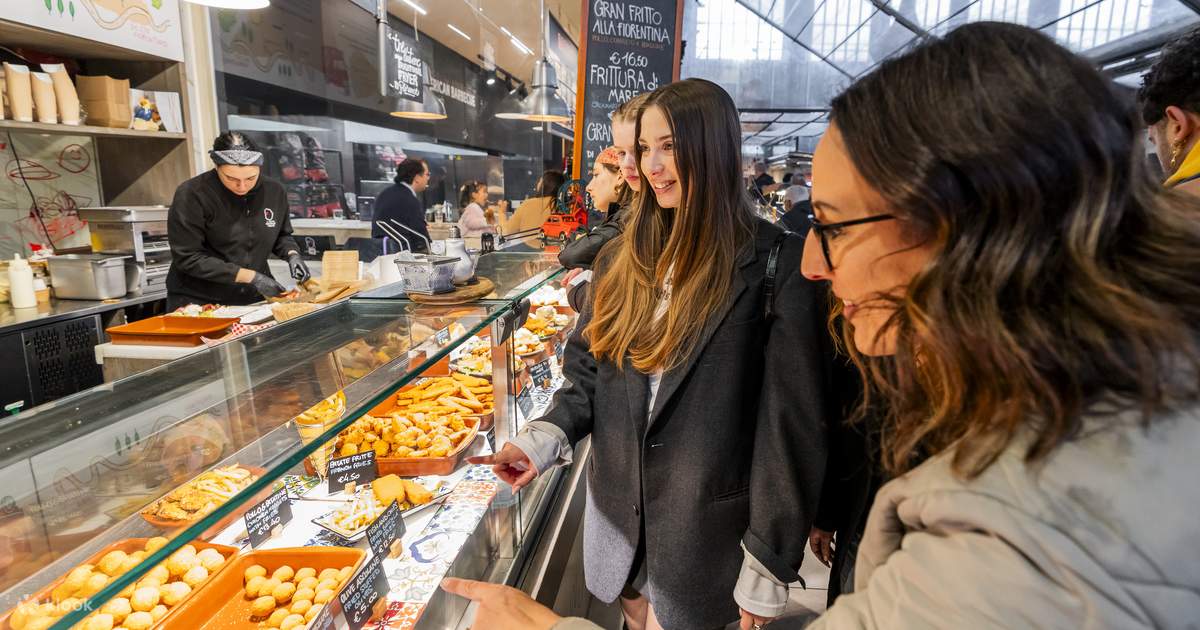
- Take three hands-on cooking classes and guided market tours exploring seasonal, local food culture.
- Understand how public institutions implement Mediterranean diet principles in daily meal programs.
Impact
UN Sustainable Development Goals in Action for this Program
SDG 2: Zero Hunger
- Students explore sustainable agricultural practices through visits to organic farms, traditional food producers, and agricultural cooperatives, learning how local food systems ensure food security while maintaining nutritional quality.
- Examines how DOP and IGP certifications support small-scale farmers and preserve agricultural biodiversity, contributing to resilient food production systems.
SDG 3: Good Health and Well-Being
- Through research engagement and hands-on experiences, students examine the Mediterranean diet's scientifically proven benefits in preventing chronic diseases including cardiovascular disease and diabetes.
- Explores how traditional food cultures, meal patterns, and the social aspects of eating contribute to mental health, longevity, and overall well-being.
SDG 4: Quality Education
- Provides transformative experiential education through direct engagement with nutrition researchers, food producers, and culinary experts, building critical thinking and cultural competency for global health professionals.
- Students gain practical knowledge that cannot be replicated in the classroom — hands-on cooking classes, market visits, and direct observation of food production.
SDG 12: Responsible Consumption and Production
- Through the slow-food movement and sustainable agriculture initiatives, students examine how food production and consumption patterns can minimize environmental impact and preserve cultural heritage.
- Addresses food-waste reduction, seasonal eating, and the environmental benefits of Mediterranean diet patterns in students' own communities.
SDG 13: Climate Action
- Students learn how plant-based Mediterranean diet patterns significantly reduce carbon footprints, while visits to organic and biodynamic farms demonstrate climate-resilient agriculture.
- Examines how traditional food systems based on local, seasonal ingredients naturally align with climate mitigation strategies.
Beyond the Classroom
Program Highlights
What You'll Take Home
Learning Outcomes
Nutrition Science & Public Health Insight
Understand the science behind the Mediterranean diet and how traditional food patterns translate into measurable health outcomes and public health policy.
Sustainable Food Systems Perspective
Examine how sustainable agriculture, DOP and IGP quality certifications, and food-waste reduction initiatives shape resilient local food systems.
Culinary & Cultural Competency
Build hands-on culinary skills and the cultural competency to understand how food traditions shape community health, identity, and well-being.
Experiential Learning & Reflection
Bridge theory and practice through daily academic sessions, expert guest lectures, field observation, and final student presentations.
Day by Day
Sample Itinerary
Specific organizations visited are curated based on the faculty's learning objectives and may vary by cohort. The categories below reflect the types of engagements included in this program.
Arrival in Lucca
Airport arrival and transfer by private bus to Lucca, followed by hotel check-in. Evening: welcome dinner.
Meals: DOrientation & Lucca Walking Tour
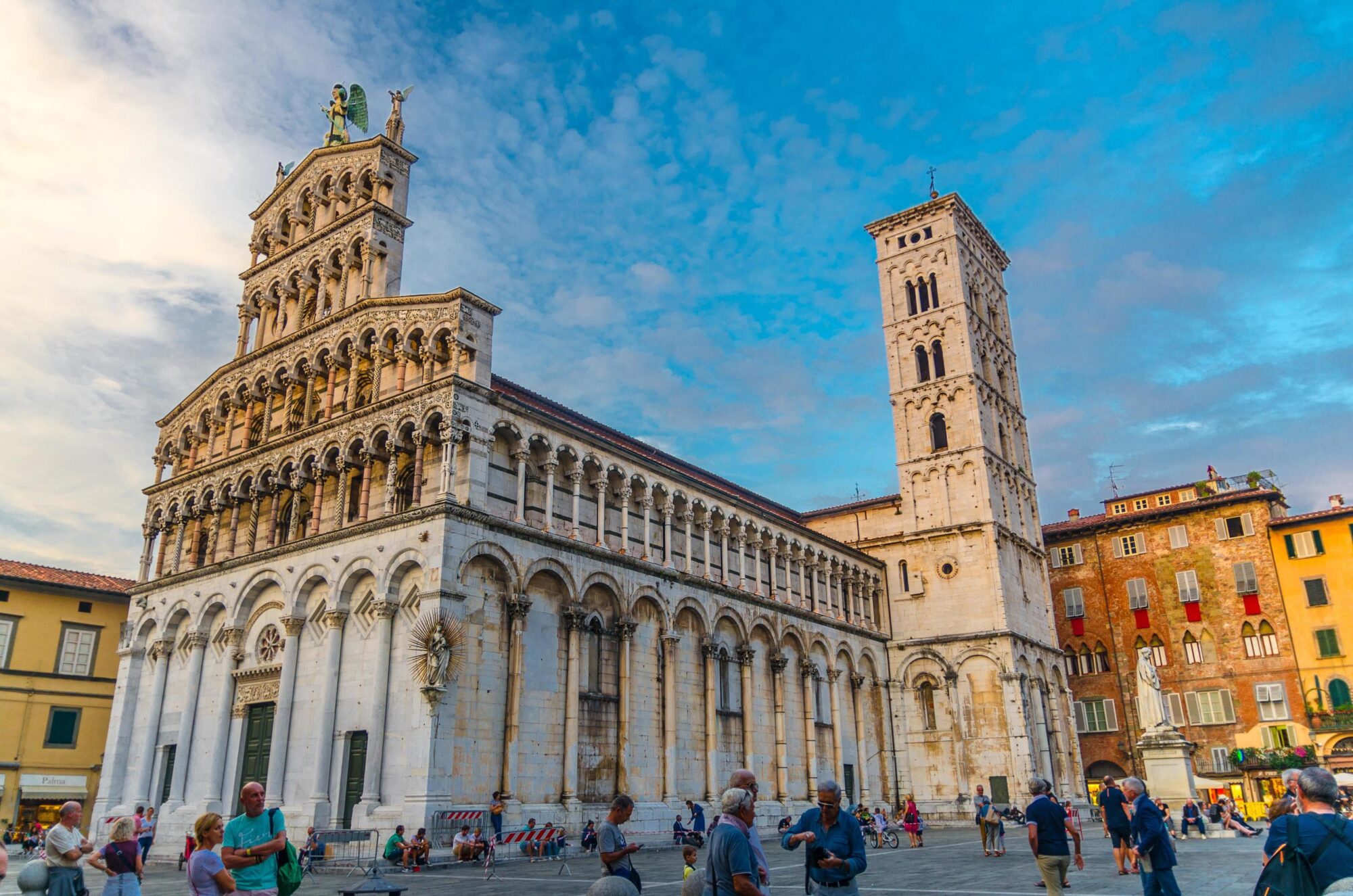
Morning: program orientation covering health, safety, and program details, led by the Authentica Program Manager. Afternoon: guided walking tour of Lucca — San Michele in Foro, the Duomo di San Martino, and the Guinigi Tower. Evening: group dinner.
Meals: B, DLucca — Free Exploration
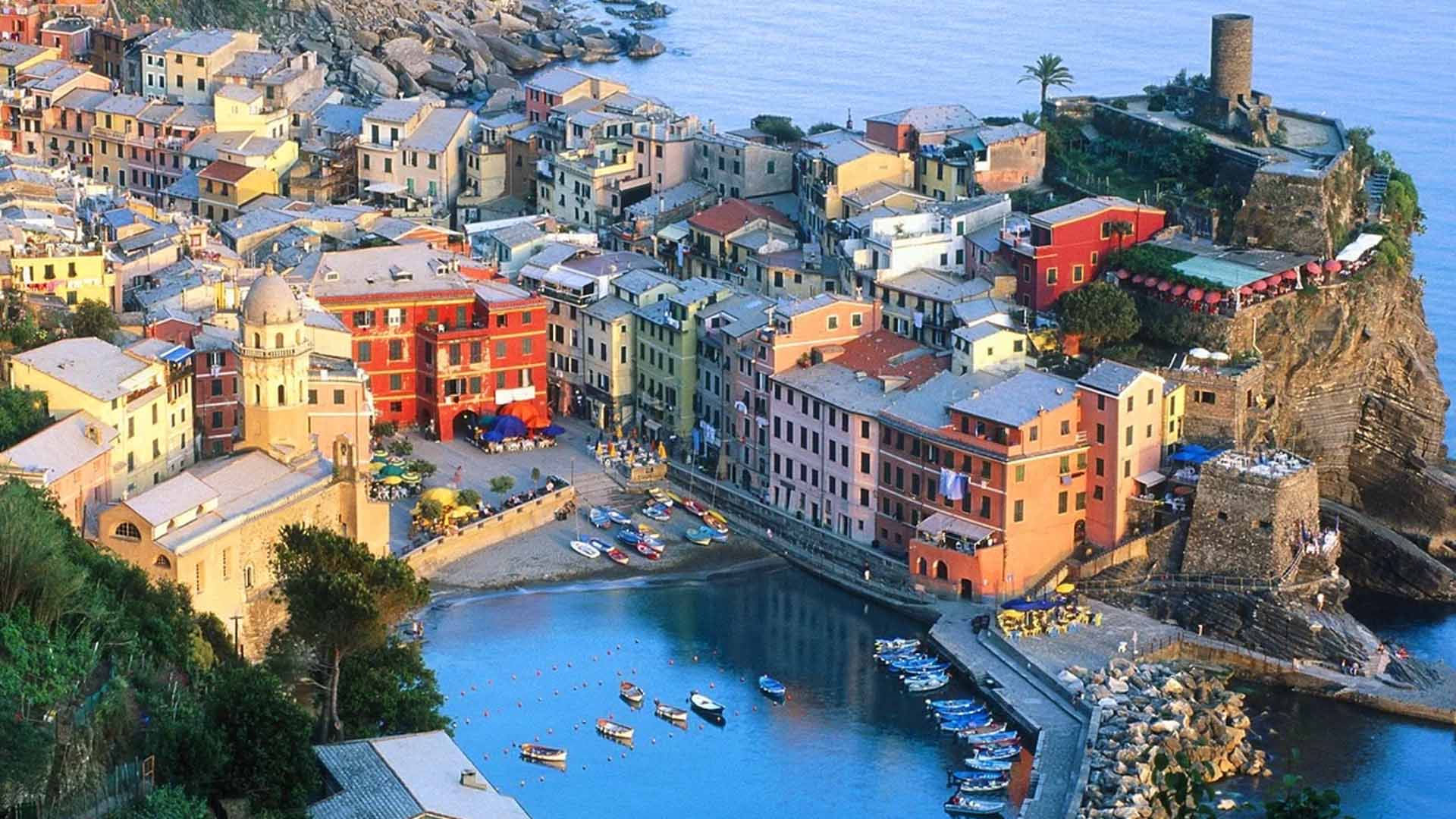
Free time to explore independently, with options such as a bike tour atop Lucca's Renaissance walls, a day trip to Viareggio beach, or the Cinque Terre. Evening: group dinner.
Meals: B, DTransfer to Florence
Morning: check-out and private bus to Florence; apartment check-in. Afternoon: walking stroll of Florence up to Piazzale Michelangelo. Evening: time to settle in and shop for groceries.
Meals: BClasses Begin & Welcome Dinner
Morning: classroom session. Afternoon: guest lecture on regional cooking and sustainable food. Evening: welcome dinner in Florence.
Meals: DMarket Tour & First Cooking Class
Morning: classroom session. Afternoon: guided food market tour with tastings. Evening: first hands-on cooking class followed by dinner.
Meals: DChianti Classico Excursion
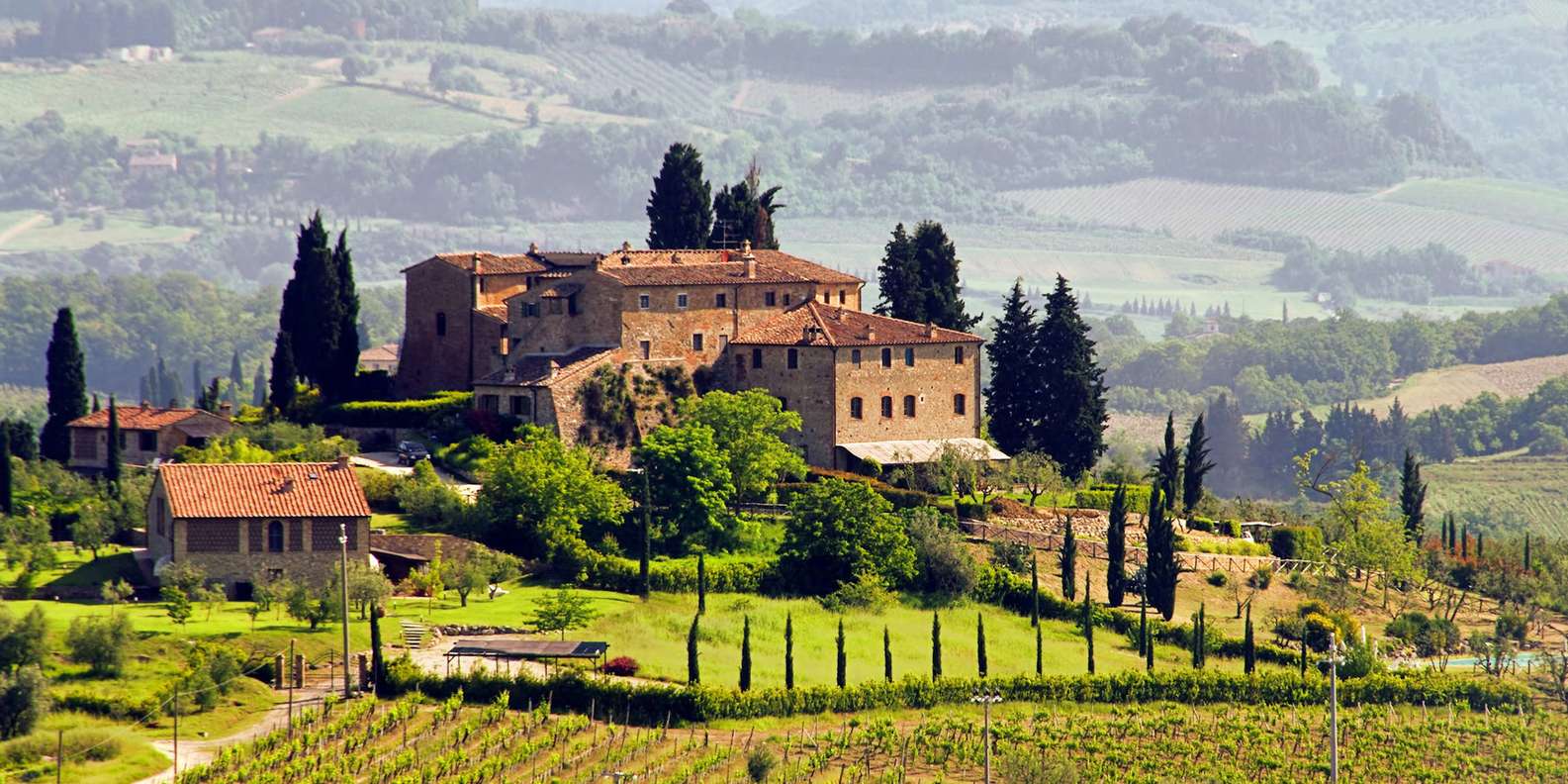
Full-day trip to the Chianti Classico region: a working wine farm, the medieval villages of Greve and Montefioralle, and a family pasta producer.
Classes & Free Long Weekend
Morning classroom sessions with free afternoons, followed by a free long weekend for independent travel.
Coffee Academy, Market & Cooking Class
Classroom sessions continue, with a guest lecture and tasting at a renowned coffee academy, a second guided market tour, and a second cooking class followed by dinner.
Meals: DEmilia-Romagna Excursion
Full-day trip to Parma and Modena: a Parmigiano Reggiano DOP production facility and a traditional balsamic vinegar producer, with a light lunch. Afternoon: guided visit of Bologna and the Archiginnasio before returning to Florence.
Meals: LClasses, Free Weekend & Third Cooking Class
Morning classroom sessions with free afternoons and a free long weekend, closing with the third cooking class followed by dinner.
Meals: DTuscan Countryside Excursion
Full-day excursion: either the medieval hamlet of San Gimignano with a truffle hunt alongside trained dogs, or a certified organic farm with biological olive oil production. Evening: optional Saint John's Day fireworks in Florence.
Presentations & Departure
Morning: student presentations and reflection sessions, with free time to pack. The following morning: check-out and departure transfers by private bus.
At a Glance
Program Snapshot
Meals Included
Sustainability
On-Ground Support
Insurance
Investment
Pricing & Inclusions
Program Cost
*Costs may vary depending on group size, program inclusions, number of program days, and other factors. Please contact us for a customized quote.
What's Included
- Accommodation — 3 nights in a 3-star Lucca hotel (bed & breakfast) and 19 nights in fully furnished student apartments in Florence
- Private coach for airport transfers, the Lucca-to-Florence transfer, and all three full-day excursions
- 20 single-use bus tickets for public transportation within Florence
- Daily morning classroom sessions (9:00 AM to 12:00 PM) plus two expert guest lectures
- Group meals — 3 breakfasts, 1 lunch, and 7 dinners (including cooking-class dinners)
- Guided cultural tours by professionals fluent in English and familiar with local culture
- Carbon offset for all participants (certificates provided after the program)
- 24×7 on-ground support by an Authentica Program Manager
- All applicable taxes
Good to Know
FAQs About the Program
1. When is the best time of year to run this program, and what is the weather like?
June is one of the best months for Tuscany — warm, sunny days, long evenings, and the region's markets and farms in full swing. Late June can be hot (often around 30°C / 86°F), so sun protection and regular hydration matter; excursions build in shade, water breaks, and air-conditioned coach travel. The program also coincides with Florence's Saint John's Day celebrations, when students can watch the fireworks in their free time. Programs can be tailored to your academic calendar.
2. What should I pack and wear for the program?
Light, breathable clothing and comfortable walking shoes are essential — Lucca and Florence are best explored on foot over cobblestones, and excursions include vineyard, farm, and woodland terrain. Bring modest attire (covered shoulders and knees) for visiting churches, closed shoes for cooking classes and production facilities, and a hat, sunglasses, and sunscreen for the Tuscan summer sun.
3. Do I need a visa for Italy?
Italy is part of the Schengen Area. Many nationalities — including U.S. passport holders — can visit visa-free for short stays, while others need a Schengen visa in advance. Requirements depend on your nationality, so we recommend confirming well ahead of departure. Authentica provides guidance and a pre-departure docket, though the visa itself is the participant's responsibility.
4. What kinds of companies and organizations will we visit?
The program engages organizations across Italy's food and health ecosystem: university nutrition research groups, national agricultural research and nutrition bodies, sustainable food and slow-food organizations, DOP- and IGP-certified producers of cheese, balsamic vinegar, olive oil, wine, and pasta, culinary schools, a renowned coffee academy, and Florence's historic food markets. Specific hosts are curated around the faculty's learning objectives and may vary by cohort.
5. How is the program structured academically?
Weekday mornings are anchored by three-hour classroom sessions (9:00 AM to 12:00 PM), complemented by expert guest lectures, three hands-on cooking classes, two guided market tours, and three full-day excursions. Free afternoons and long weekends leave room for independent travel, and the program closes with student presentations and reflection sessions.
6. What are the accommodations and meals like?
The group spends the first three nights in a 3-star hotel in Lucca on a bed & breakfast basis, then moves to fully furnished student apartments in Florence, shared on a twin/triple basis with kitchens for self-catering; faculty stay in one-bedroom apartments. Group meals include 3 breakfasts, 1 lunch, and 7 dinners — several following the cooking classes — and dietary requirements are collected in advance and accommodated.
7. How do money, cards, and tipping work in Italy?
The local currency is the euro (EUR). Cards are widely accepted, though a little cash is handy at markets and cafés. Tipping is modest in Italy — a service or cover charge (coperto) is often included, and rounding up is appreciated but not expected. Since the Florence apartments include kitchens, students should budget for groceries and meals not covered by the program.
8. Is Italy safe, and what support is provided?
Italy is a safe destination with excellent infrastructure and a single European emergency number (112); as in any popular tourist region, sensible precautions against pickpocketing are advised, and the program briefs students on securing valuables. A dedicated Authentica Program Manager provides 24×7 on-ground support, the program opens with an orientation and safety briefing backed by a program-specific risk management plan, and Authentica carries a US$5M commercial general liability policy and a US$1M errors & omissions policy.
Interested in a Similar Program?
Contact us at info@authentica.com to design a faculty-led immersion around your objectives.