

Education Systems and Teaching Innovation
in South Korea
Korean School Models, Education Reform and Student Well-Being Across Seoul and Busan
 South Korea
Education
11 Days / 10 Nights
South Korea
Education
11 Days / 10 Nights
Sustainable Development Goals in Action
The Destination
Program Overview
Education Systems and Teaching Innovation is an 11-day education faculty-led study abroad program in South Korea for educators and graduate students, exploring Korean school models, education reform, and student well-being across Seoul and Busan.
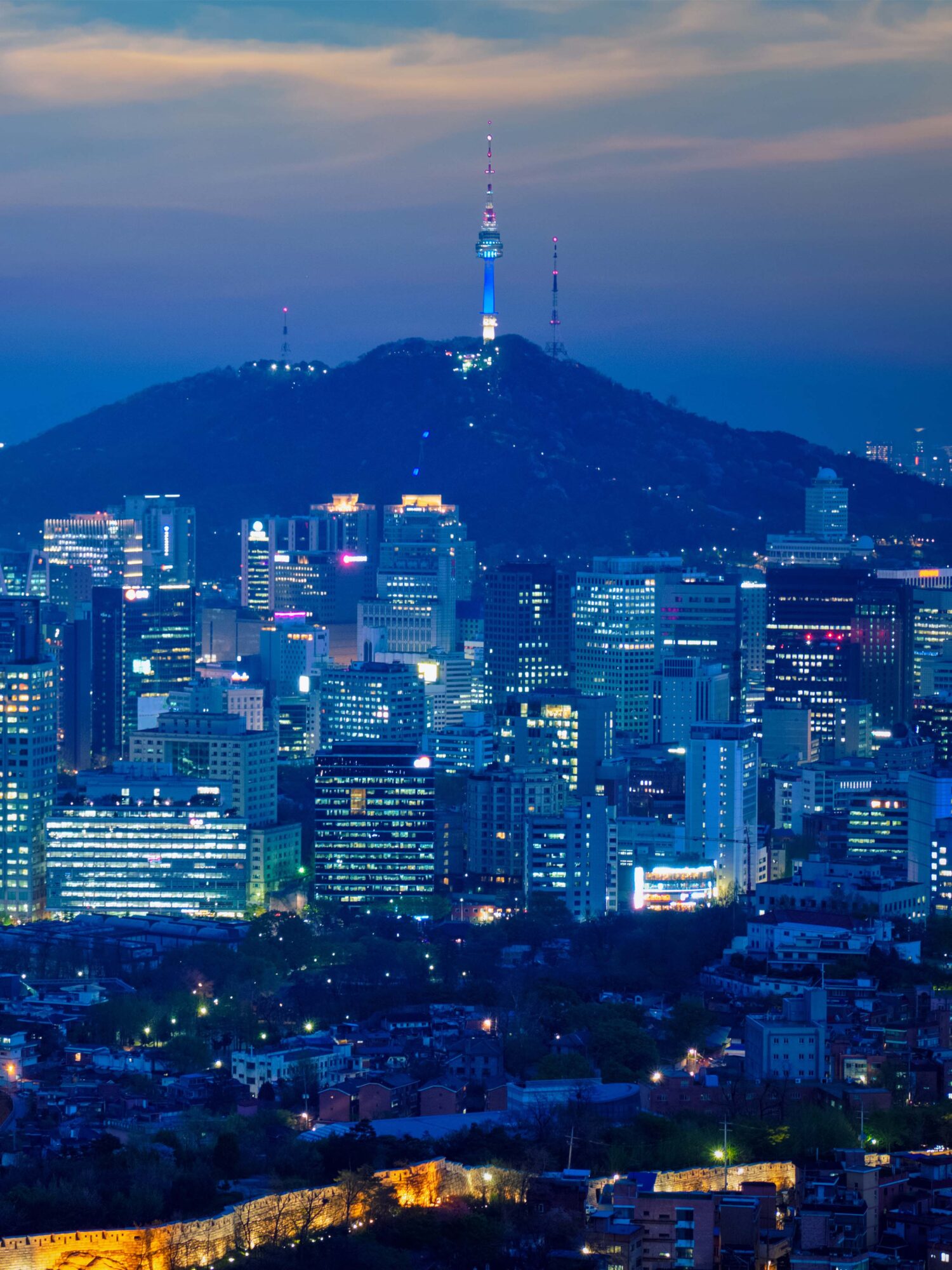
South Korea's rise from post-war poverty to global affluence has been so dramatic it is called the "Miracle of the Han River," and its education system is central to that story. Now one of the world's largest economies and a leader in innovation, the country consistently ranks among the very top performers on international measures such as the OECD's Programme for International Student Assessment. For educators, that makes it one of the most compelling places in the world to study how a school system reaches near-universal enrolment and world-leading results — and how it is now reforming to address the well-being costs of intense competition.
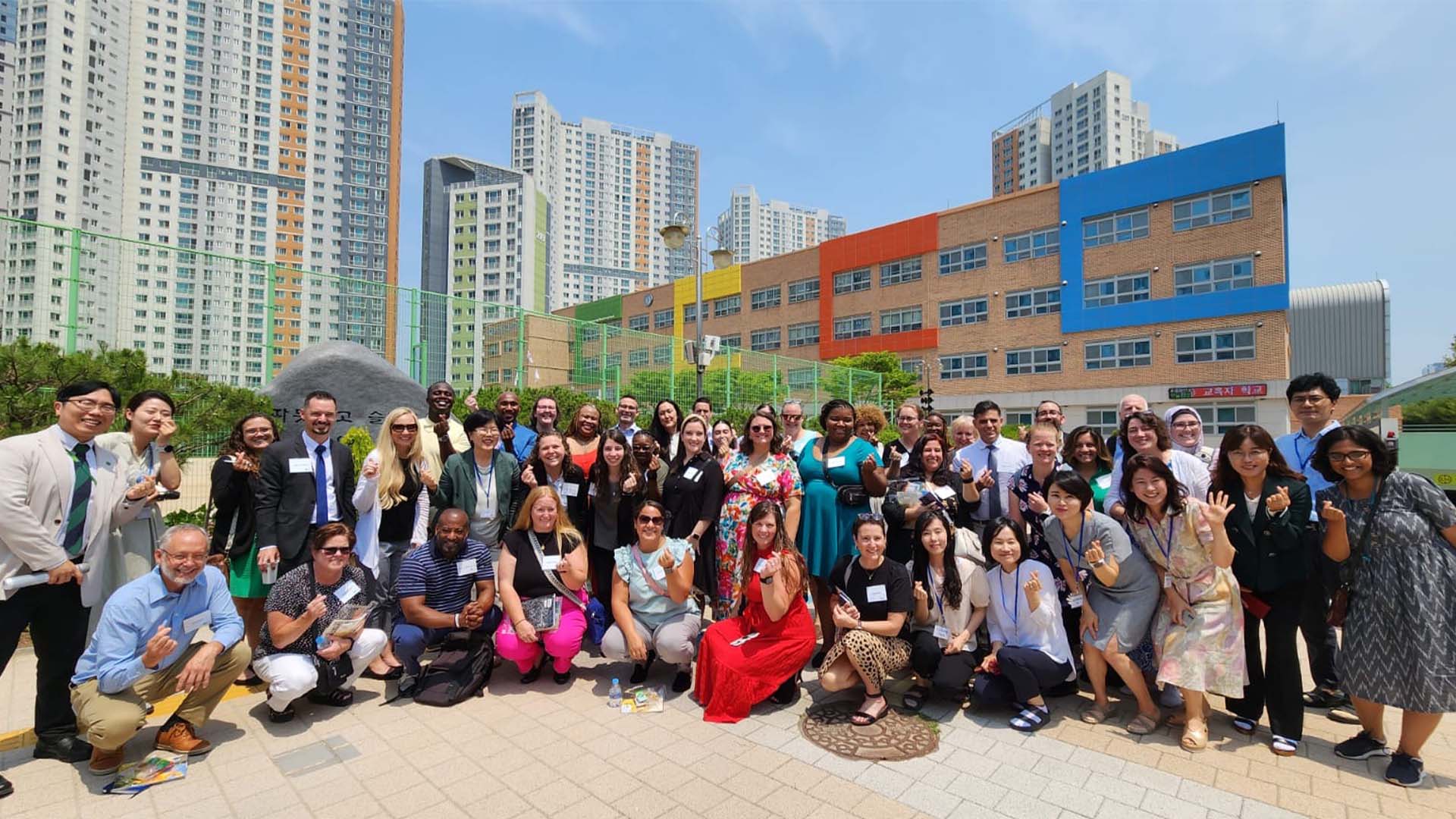
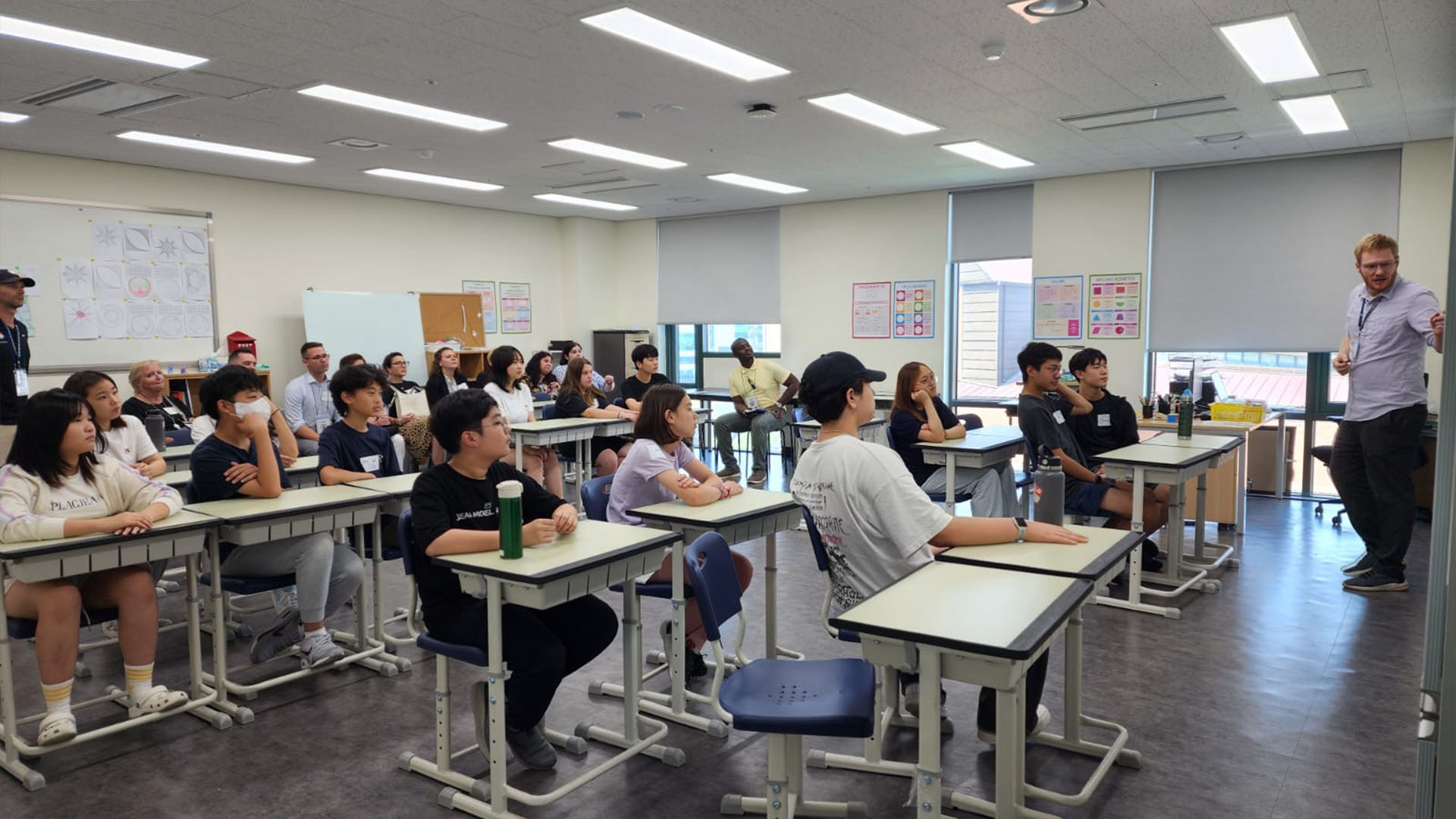
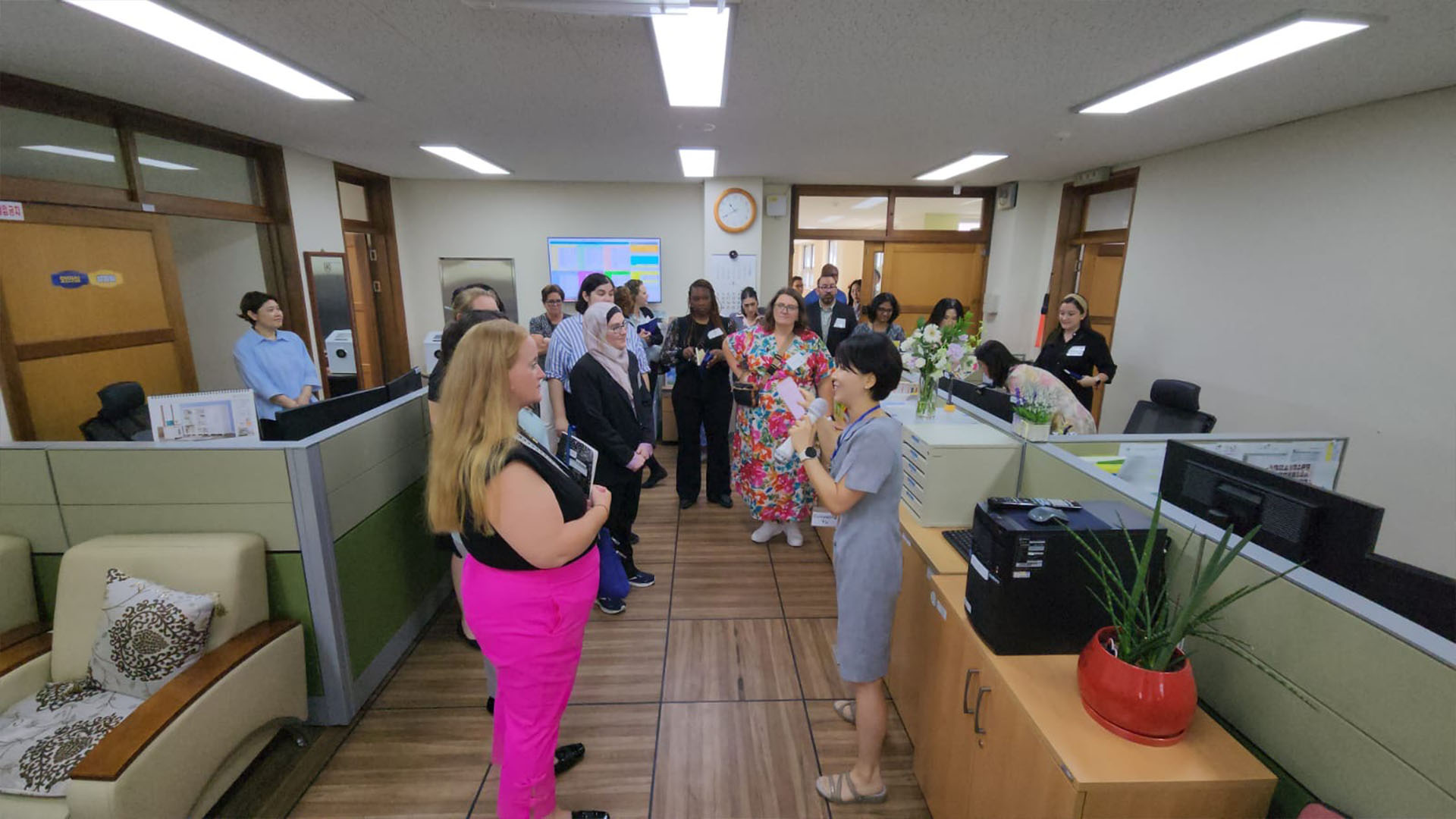
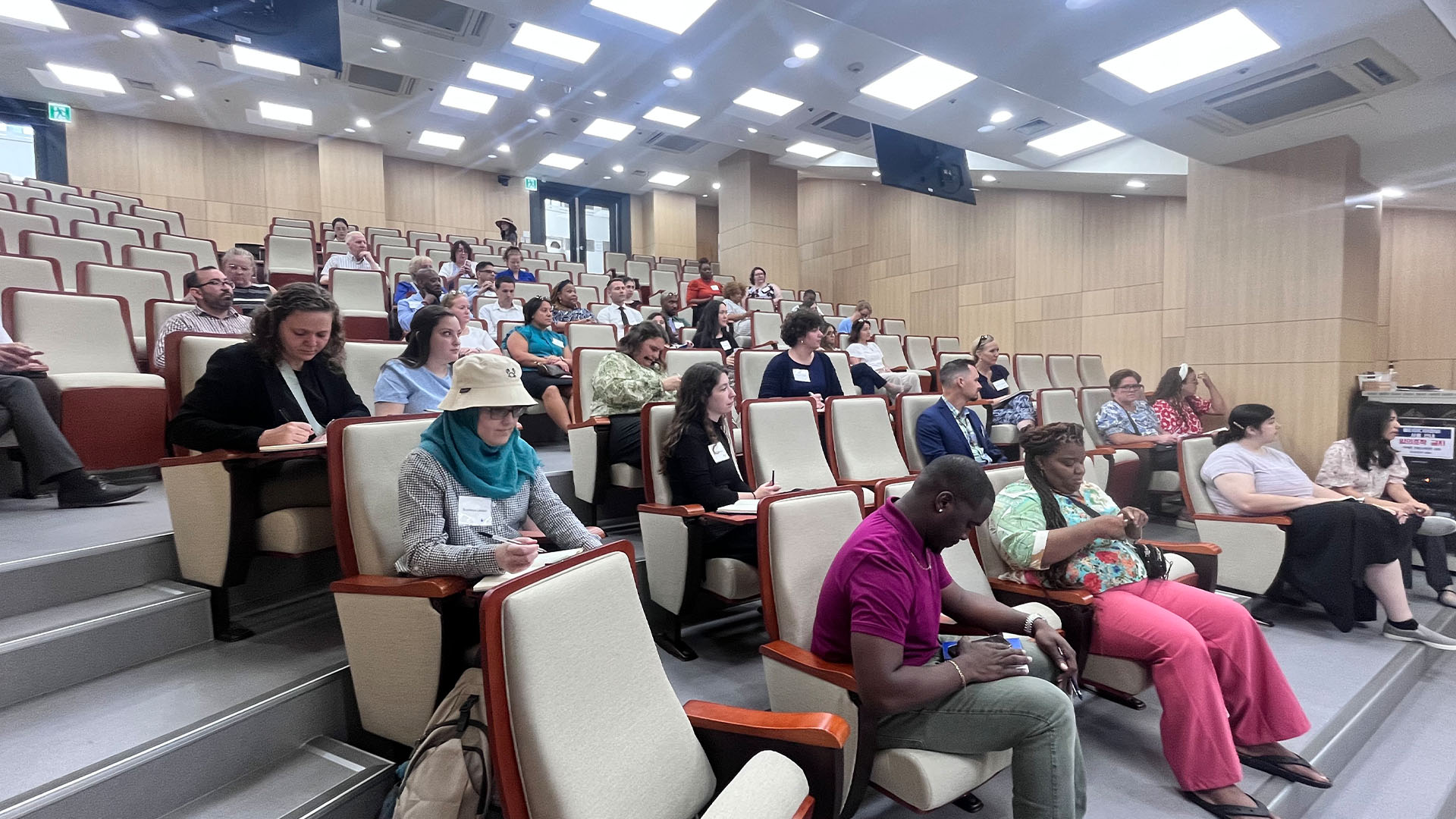
Over eleven days across Seoul and Busan, participants go inside that system. They visit a range of schools — public, private, international, heritage, specialized, and alternative — and meet the teachers, students, researchers, and policymakers who shape them. They observe project-based and STEM-focused teaching, examine reforms designed to build a more democratic and balanced culture of learning, and engage with education organizations and non-profits widening access to opportunity. Structured meetings are balanced with independent study days and optional excursions.
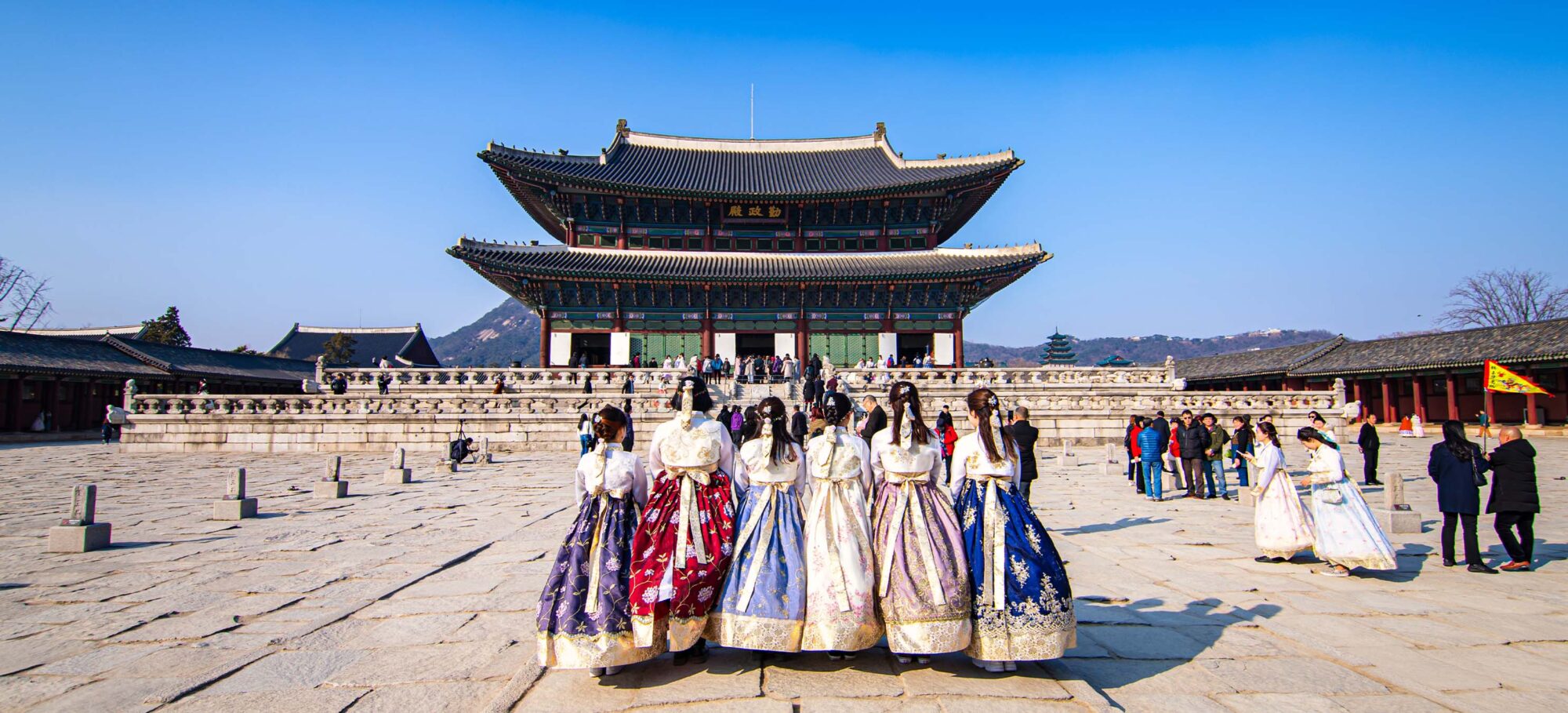
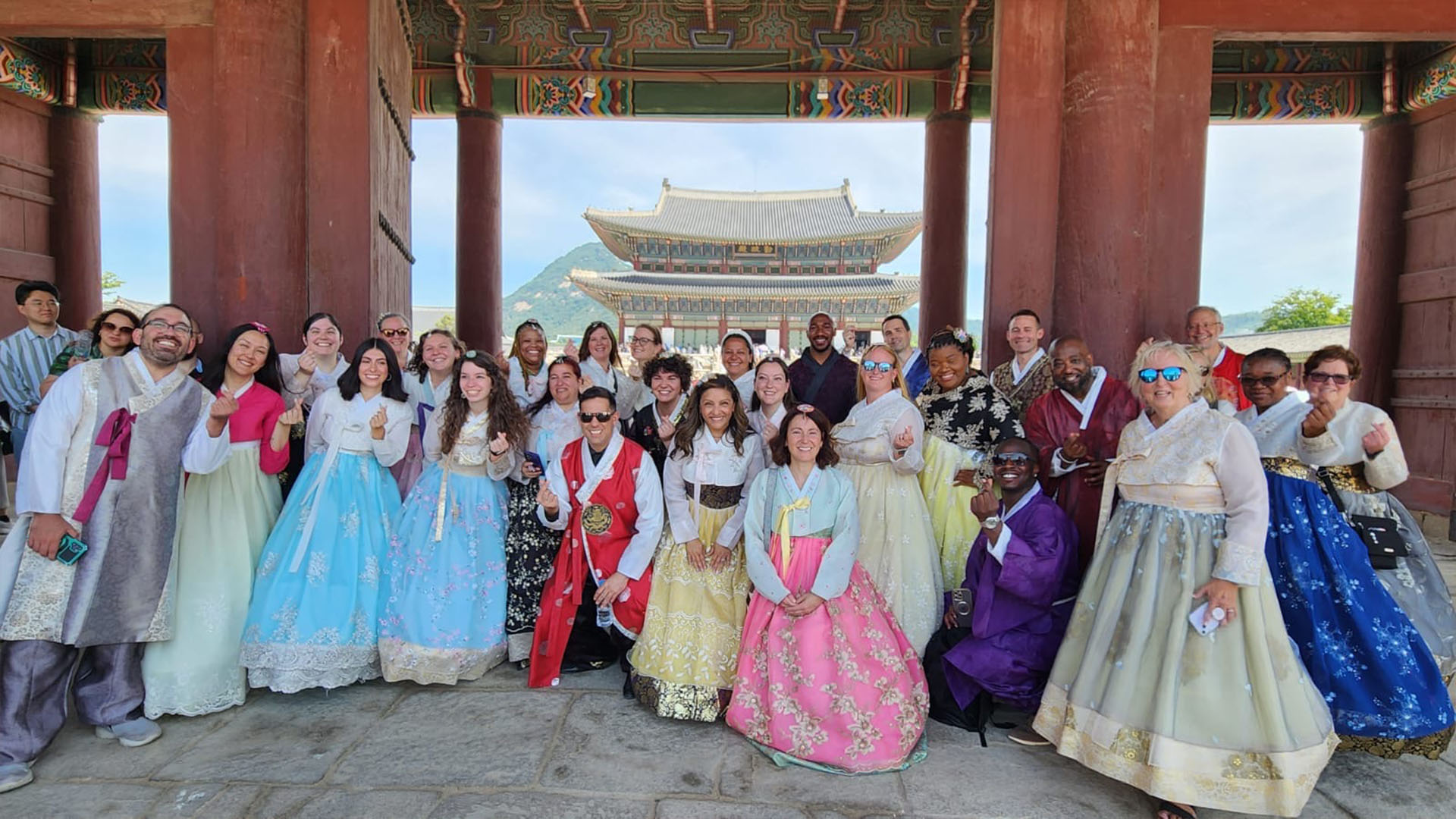
Woven through the program is a rich cultural thread: royal palaces and the country's modern history, a K-Pop dance class, a hands-on cooking session, coastal temples, and a reflective sunset cruise. Participants leave with practical, transferable insight into a high-performing system and with sharpened skills in comparative analysis, cross-cultural communication, and reflective professional practice they can carry back to their own classrooms.
Ideal for educators, graduate students in education, and teaching professionals.
What You'll Do
Key Program Elements
Schools and Classroom Practice
- Visit and interact with teachers and students across public, private, international, and heritage schools.
- Observe a specialized agricultural-science high school and an alternative school serving refugee learners.
- Compare traditional and modern teaching approaches within a single national system.
- Examine how schools balance academic excellence with student well-being.
Education Organizations, Innovation and Non-Profits
- Engage with education companies pioneering project-based and STEM-focused learning.
- Meet researchers at leading education research institutes and universities.
- Interact with non-profits and volunteer networks that widen access to learning.
- Explore innovation centres promoting creativity and science education.
Policy, Reform and Cultural Context
- Meet policymakers shaping national and municipal education strategy.
- Understand reforms addressing competition, student happiness, and democratic learning cultures.
- Experience local culture through music, dance, cuisine, and history.
- Reflect on lessons transferable to participants' own teaching contexts.
Impact
UN Sustainable Development Goals in Action for this Program
SDG 3: Good Health and Well-Being
- Examines how Korean schools are addressing student stress, competition, and happiness.
- Surfaces reforms that place well-being alongside academic achievement.
SDG 4: Quality Education
- Immerses educators in one of the world's top-performing school systems.
- Compares public, private, international, and alternative models to inform practice.
SDG 10: Reduced Inequalities
- Engages with alternative schools and programs serving refugees and under-served learners.
- Studies equity-focused reforms and access-widening education organizations.
SDG 17: Partnerships for the Goals
- Builds cross-border relationships among educators, policymakers, and institutions.
- Fosters knowledge exchange participants carry back to their home systems.
Beyond the Classroom
Program Highlights
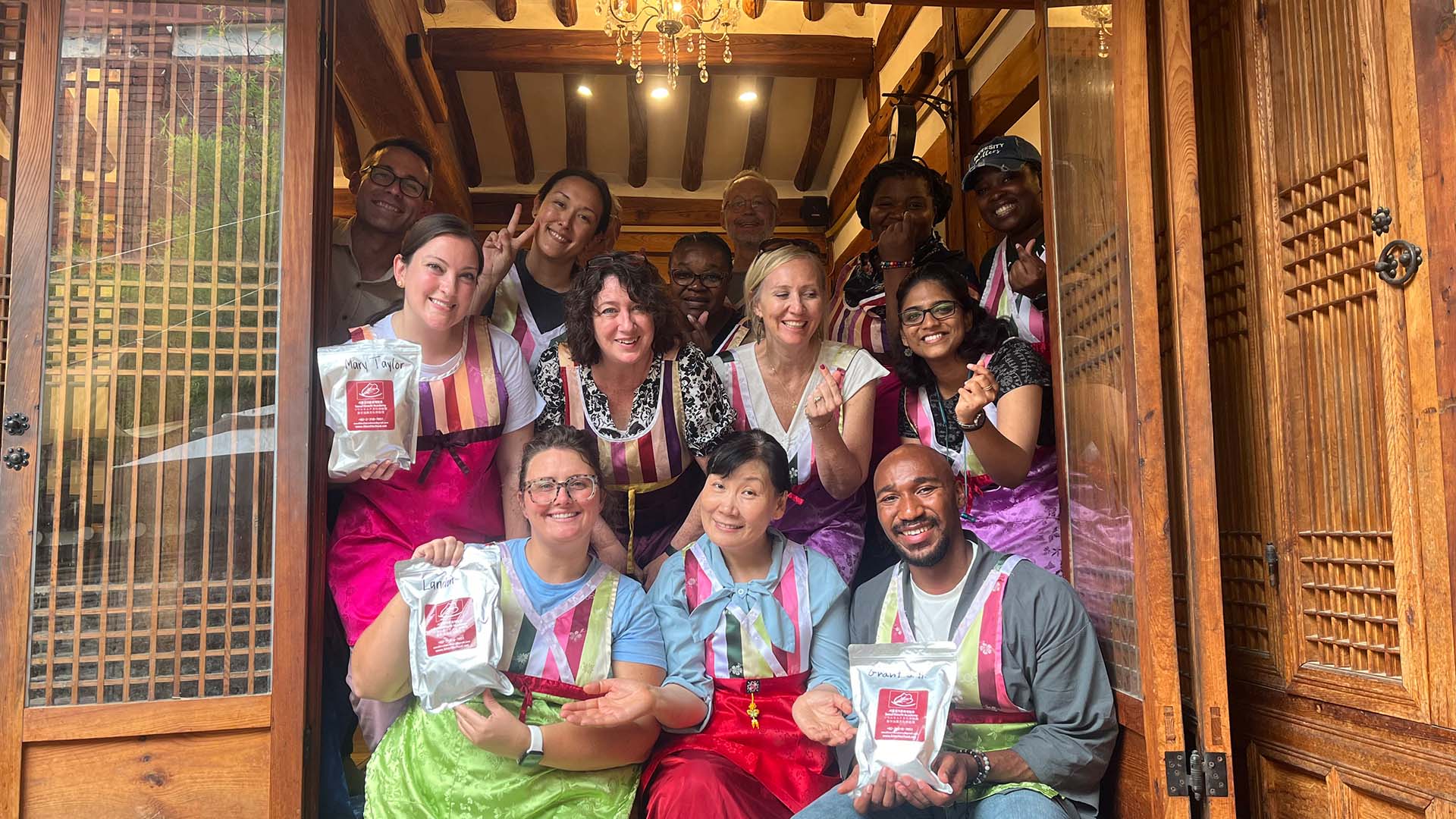
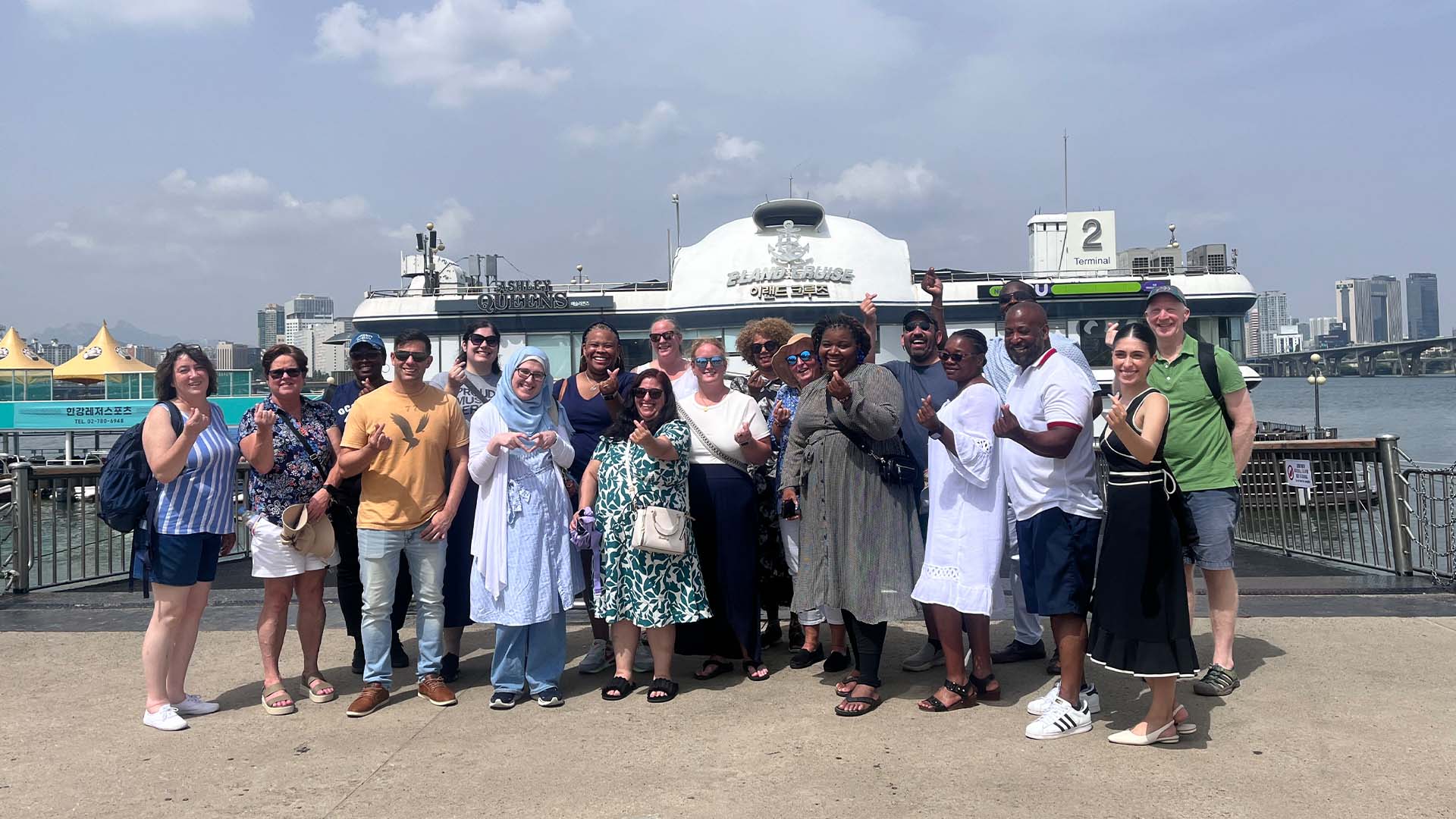
Optional excursions include a Bukhansan National Park hike, a Han River cruise, a kimchi-making workshop, or a DMZ tour.
What You'll Take Home
Learning Outcomes
Comparative Understanding of Education Systems
Participants gain first-hand insight into how one of the world's highest-performing school systems is structured, funded, and reformed.
Classroom and Teaching Innovation
Educators observe project-based, STEM, and creativity-driven teaching models they can adapt for their own classrooms.
Cross-Cultural Communication
School visits, cultural immersions, and stakeholder meetings build the confidence to work across cultural and linguistic differences.
Reflective Professional Practice
Debriefs, independent study, and a closing reflection help participants translate observations into concrete changes in their own practice.
Day by Day
Sample Itinerary
Specific organizations and visits are curated around the faculty's learning objectives and may vary by cohort; the descriptions below reflect the types of engagements included in the program.
Arrival in Seoul
Arrive in Seoul and transfer as a group to a centrally located 3-star hotel in the Gangnam district for check-in and settling in.
Seoul Immersion and First Engagement
A half-day guided immersion of Seoul takes in Gyeongbokgung Palace and the War Memorial of Korea, followed by an afternoon visit to a host education organization and a welcome dinner.
Meals: B, L, DKorean Culture and School Visits
The morning brings an energetic beginner K-Pop dance class; the afternoon is given to visits with education institutions and their teachers and students.
Meals: BA Full Day of Education Engagements
A full day of visits to schools, education organizations, and research bodies across the city.
Meals: B, LEducation by Day, Cuisine by Evening
Morning and afternoon education visits are followed by a hands-on Korean cooking class and a group dinner.
Meals: B, DSeoul to Busan
Travel to Busan by high-speed KTX train and check in to a 4-star hotel in central Busan, with afternoon education visits.
Meals: B, LBusan Immersion and Sunset Cruise
A full-day guided immersion of Busan featuring Beomeosa Temple, Dongbaek Island, Haeundae Beach, and Gamcheon Culture Village, closing with a reflective sunset yacht cruise.
Meals: BReturn to Seoul
A free morning in Busan precedes a KTX transfer back to Seoul and a free evening to explore independently.
Meals: BEngagements, Study and Farewell
A blend of education visits, independent study, and optional tours, ending with a farewell dinner.
Meals: B, L, DIndependent Study and Optional Tours
A flexible day for independent study or optional excursions such as a national park hike, a museum and river cruise, a kimchi-making workshop, or a DMZ tour.
Meals: BDeparture
Check out and transfer as a group to the airport for onward journeys.
Meals: BAt a Glance
Program Snapshot
Meals Included
Sustainability
On-Ground Support
Insurance
Investment
Pricing & Inclusions
Program Cost
From USD $2,990*
≈ AUD $4,190 · per participant · twin-share basis
*Costs may vary depending on group size, program inclusions, number of program days, and other factors. Please contact us for a customized quote.
Request a customized quoteWhat's Included
- Accommodation on a bed and breakfast basis (10 nights)
- Air-conditioned coach for visits, immersions, and transfers
- High-speed KTX rail between Seoul and Busan
- Airport transfers on arrival and departure
- 10 Breakfasts, 4 Lunches and 3 Dinners
- Assistance arranging education and organization visits
- Guided cultural immersions with English-speaking experts
- 24x7 Authentica Program Manager support
- Carbon offset for a carbon-neutral program
- Tips for guides and drivers
- All applicable taxes
- Two bottles of water per person per day
Good to Know
FAQs About the Program
1. What is the best time of year to run this program, and what is the weather like?
The program is designed for the late-spring to early-summer window, when South Korea is warm and generally dry — comfortable for full days of school visits, city walking, and travel between Seoul and Busan. This window also aligns well with academic calendars for visiting educators. Programs can be scheduled at other times of year on request.
2. What should participants pack and wear?
Pack smart-casual attire for school and organization visits, comfortable walking shoes for cultural sites, modest clothing for temple visits, and a light layer for air-conditioned interiors and cooler evenings. A small day bag, a reusable water bottle, and a travel adaptor are useful additions.
3. Do participants need a visa for South Korea?
Requirements depend on nationality, so check current rules well before departure. Many travellers must hold a valid electronic travel authorization (K-ETA) or a visa to enter South Korea; confirm the latest guidance with the relevant authority and allow time for processing.
4. What organizations and sites does the program engage?
The program engages a curated mix of public, private, international, and alternative schools, education organizations and non-profits, research institutes, and policy bodies, alongside heritage and cultural sites. Specific hosts are selected around the faculty's objectives and may vary by cohort.
5. What does Authentica provide, and how is the program structured?
Authentica designs the itinerary, arranges visits and cultural immersions, and provides an on-ground Program Manager throughout. The program balances school visits and stakeholder meetings with cultural experiences, independent study days, and structured reflection so learning is both immersive and applicable.
6. What are the accommodations and meals like?
Participants stay on a twin-share basis in a centrally located 3-star hotel in Seoul and a 4-star hotel in Busan, both on a bed and breakfast basis, with 4 lunches and 3 dinners included. Single occupancy is available at a supplement.
7. How should participants handle money, cards, and tipping?
The local currency is the South Korean won. Cards are widely accepted across both cities, and ATMs are easy to find. Tipping is not customary in South Korea, and tips for guides and drivers are already included in the program.
8. Is the program safe, and what support is provided?
A dedicated Authentica Program Manager accompanies the group 24x7 from orientation to departure, and the program opens with an orientation and safety briefing. Authentica also carries USD 5M Commercial General Liability and USD 1M Errors and Omissions insurance.
Interested in a Similar Program?
Contact us at info@authentica.com to design a faculty-led immersion around your objectives.