
Real Estate and Urban Development in South Korea and Vietnam
Real Estate Development, Smart Cities and Urban Planning Across Seoul, Busan and Ho Chi Minh City
 South Korea
 Vietnam
Business
12 Days / 11 Nights
Vietnam
Business
12 Days / 11 Nights
Sustainable Development Goals in Action
The Destination
Program Overview
Real estate and urban development in South Korea and Vietnam is a 12-day faculty-led immersion that compares a high income market and a fast-growing emerging one across Seoul, Busan, and Ho Chi Minh City.
South Korea and Vietnam offer a rare side-by-side study of how real estate and urban development unfold across two very different economies—one a high-income innovation leader, the other one of Asia's fastest-growing emerging markets. This contrast makes the pairing an exceptional destination for students of real estate, urban planning, and business seeking to understand how cities are financed, built, and reinvented.
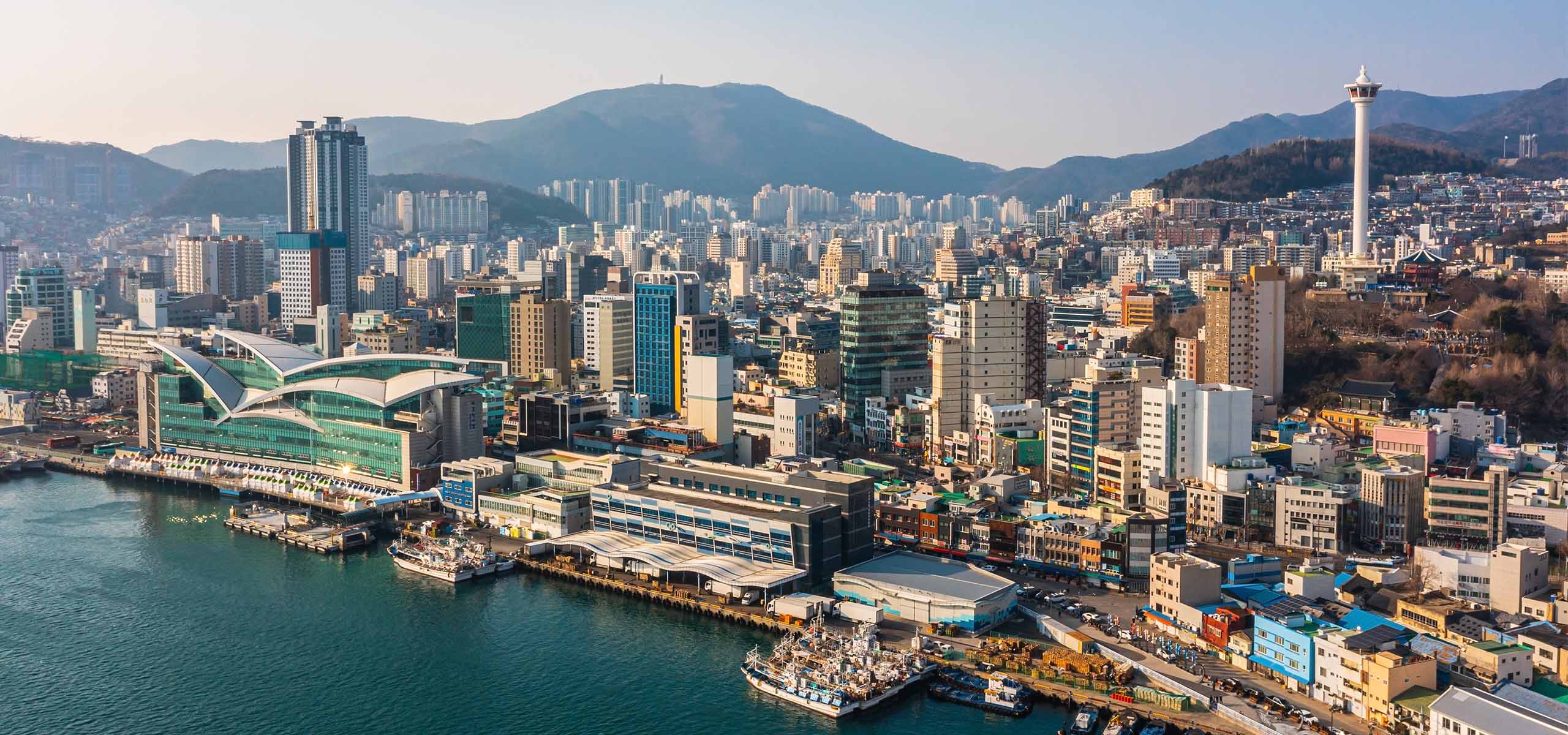
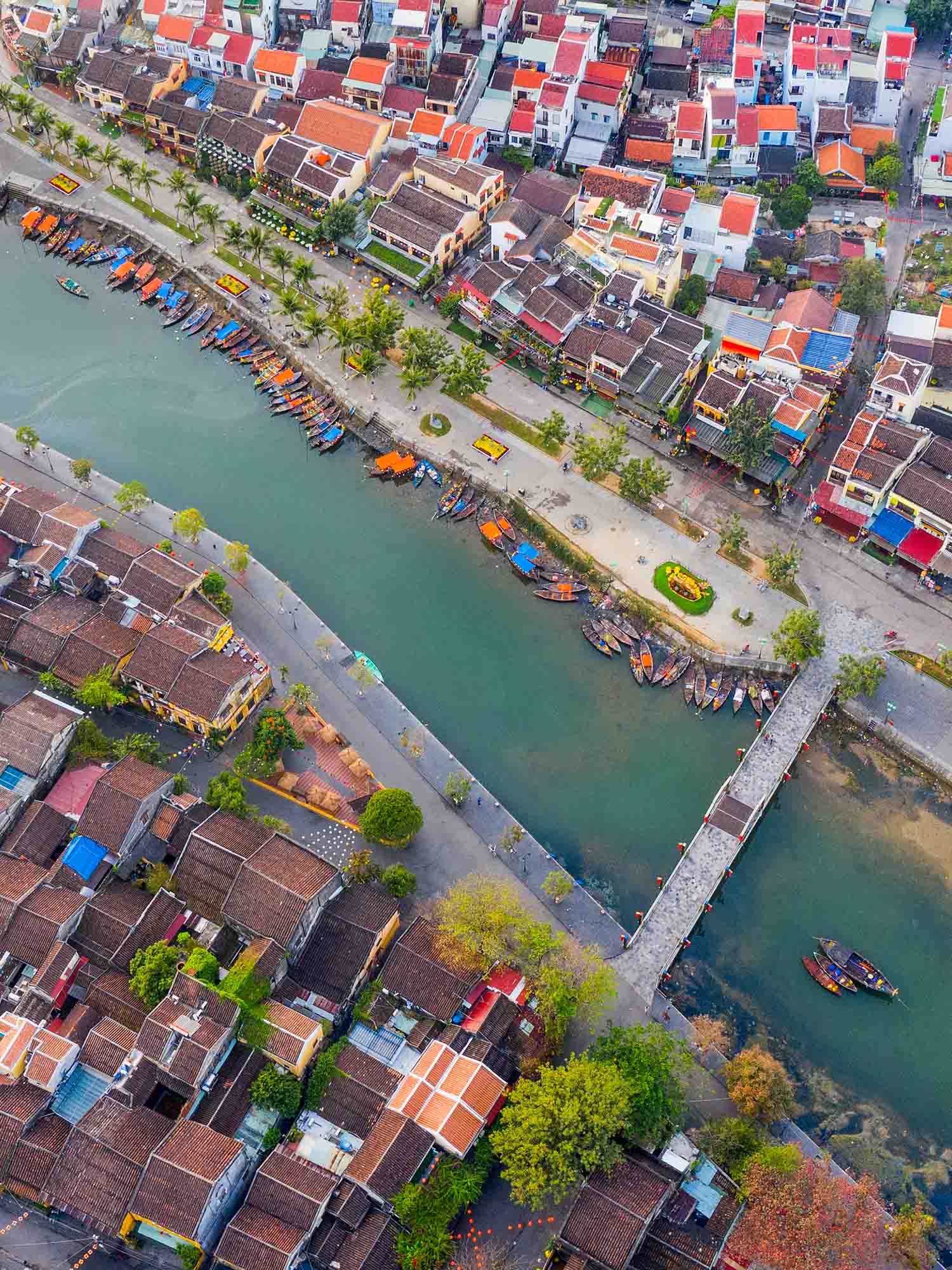
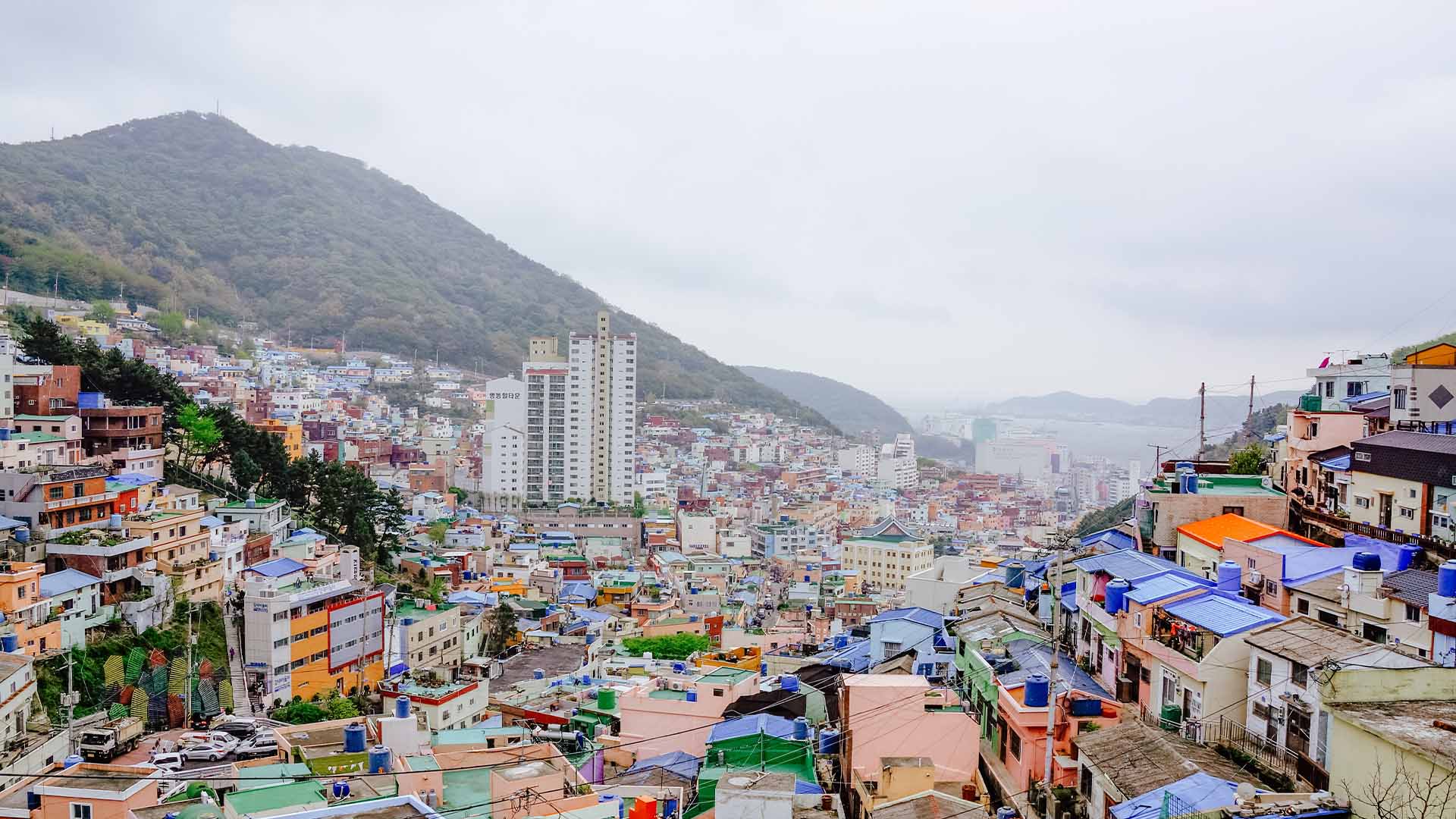
In South Korea, students explore Seoul and Busan's high-density developments, smart-city technology, and green-building practices through company visits with leading construction, engineering, and development organizations. In Vietnam, they examine rapid urbanization in Ho Chi Minh City, emerging financing models, and new urban-area master planning, gaining first-hand insight into how emerging markets leapfrog traditional development stages.
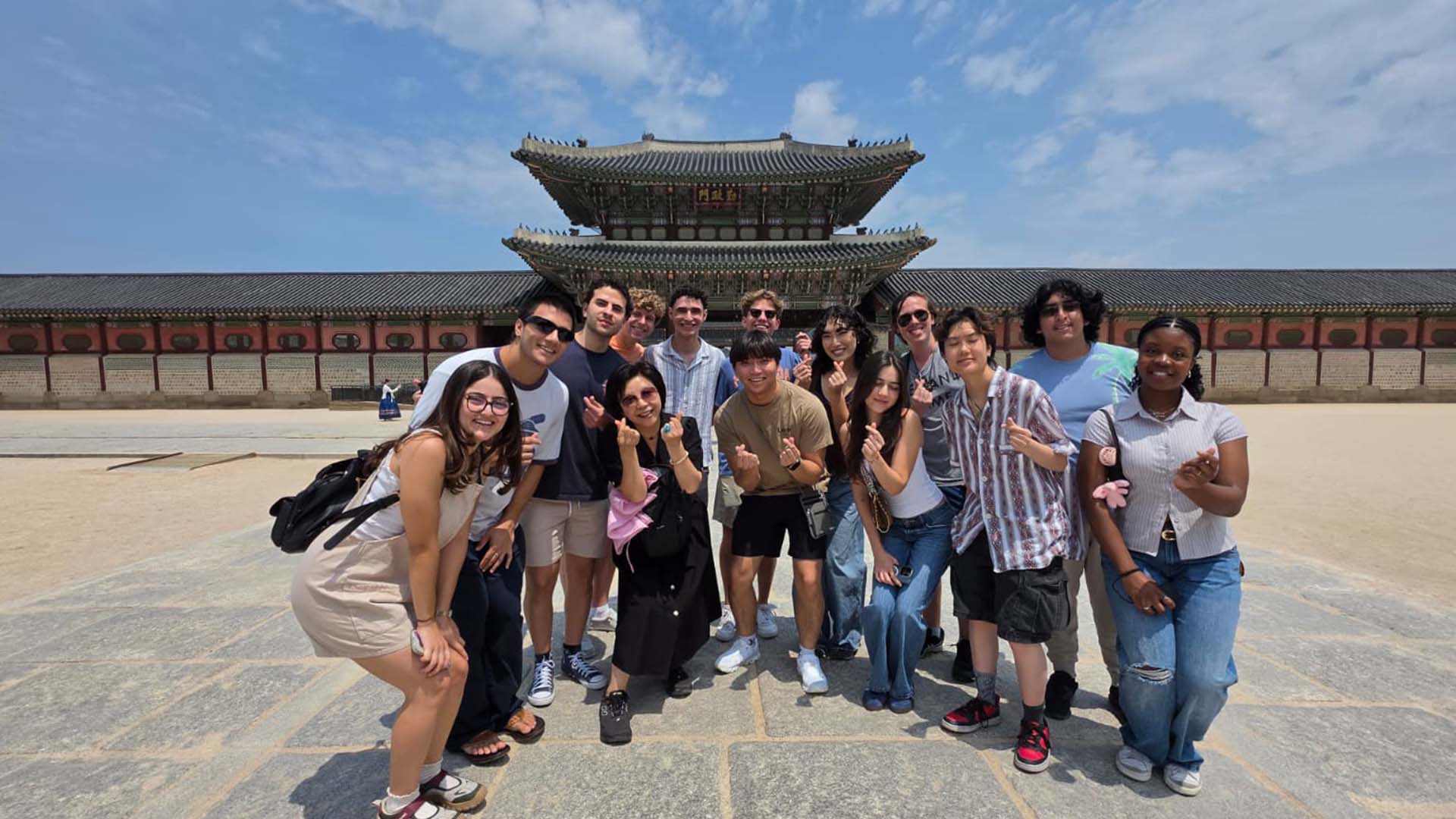
Woven throughout are cultural immersion, from royal palaces and traditional hanok villages to a Buddhist temple-stay and the waterways of the Mekong Delta, that reveal how heritage, community, and identity continue to shape the built environment. Students leave with sharpened skills in comparative market analysis, cross-cultural business communication, and sustainable urban thinking.
Ideal for students in Real Estate, Business, Finance, Urban Planning, Architecture, Economics, and related disciplines.
What You'll Do
Key Program Elements
Explore Real Estate Development and Smart Cities
- Visit leading construction, engineering, and development organizations to understand green building, smart-city technology, and energy-efficient design.
- Examine high-density and compact-city development in Seoul and Busan and rapid urbanization in Ho Chi Minh City.
- Explore new urban-area master planning and climate-responsive architecture in Southeast Asian contexts.
Compare Two Real Estate Markets
- Contrast a developed, high-income market with a fast-growing emerging one across financing, planning, and delivery.
- Study how different financing systems shape housing affordability and inequality.
- Analyze how foreign investment, technology transfer, and public-private partnerships drive urban growth.
Experience Cultural Context and Urban Heritage
- Discover how traditional Korean architecture and hanok villages inform modern high-density housing.
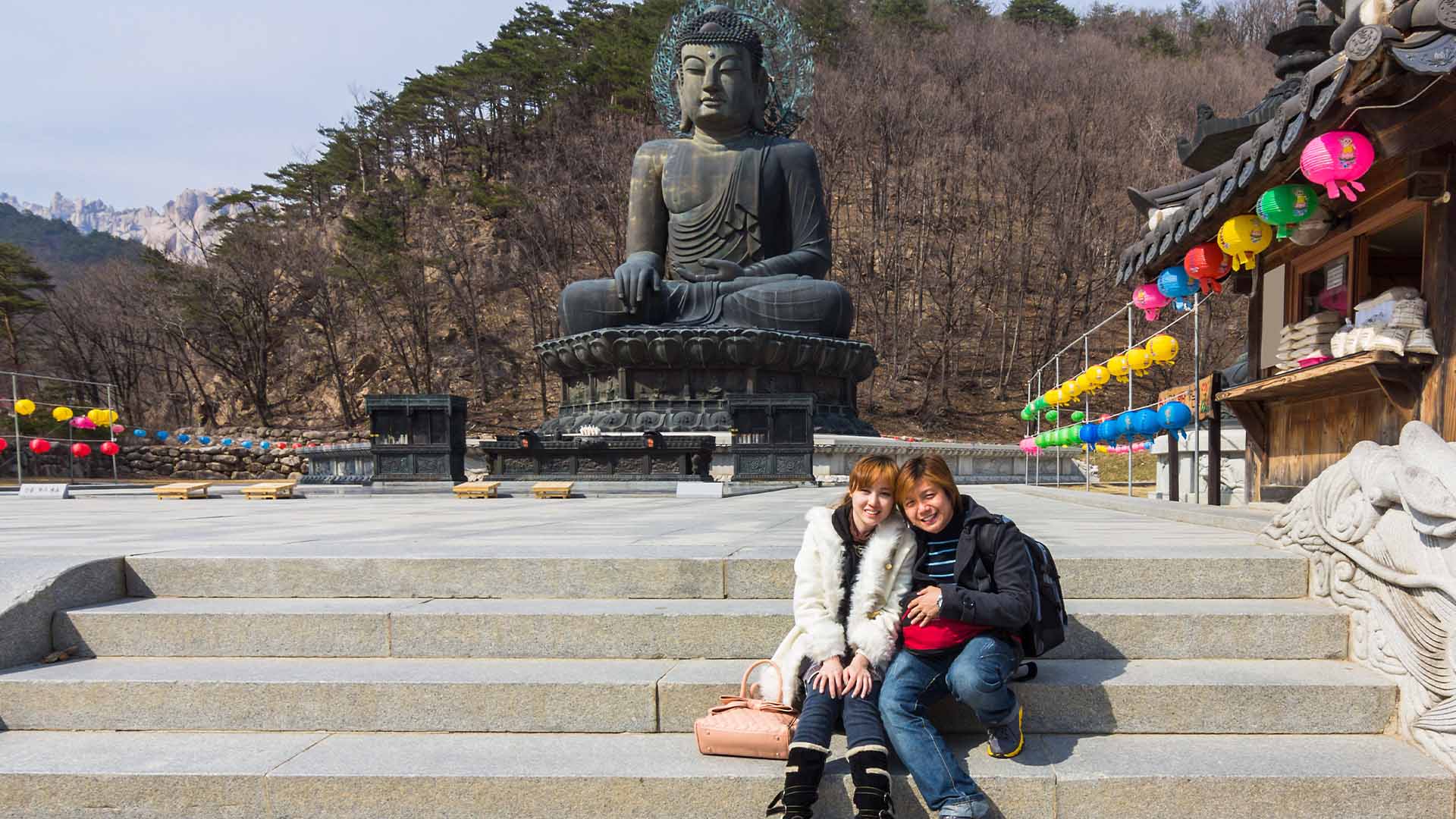
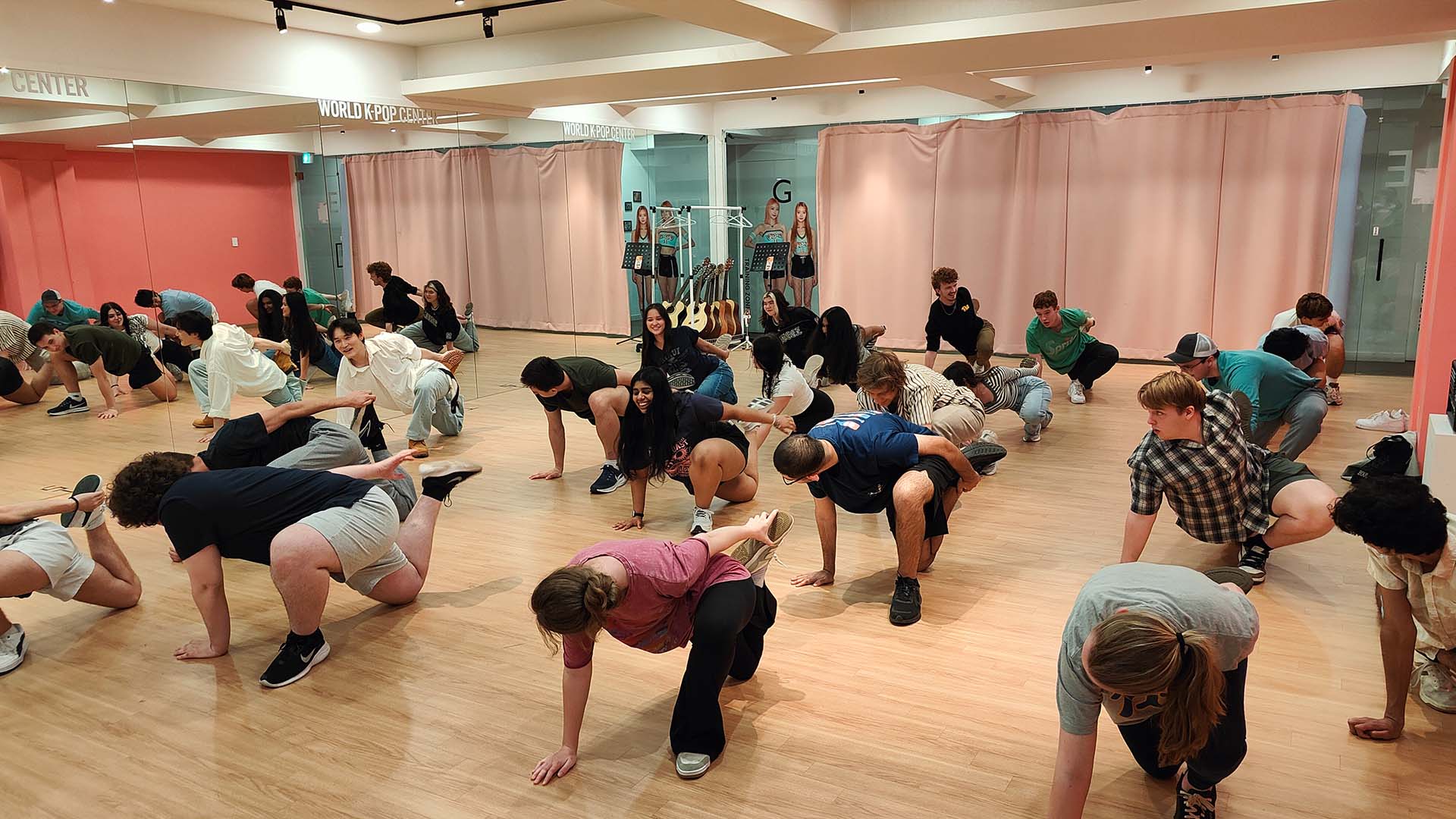
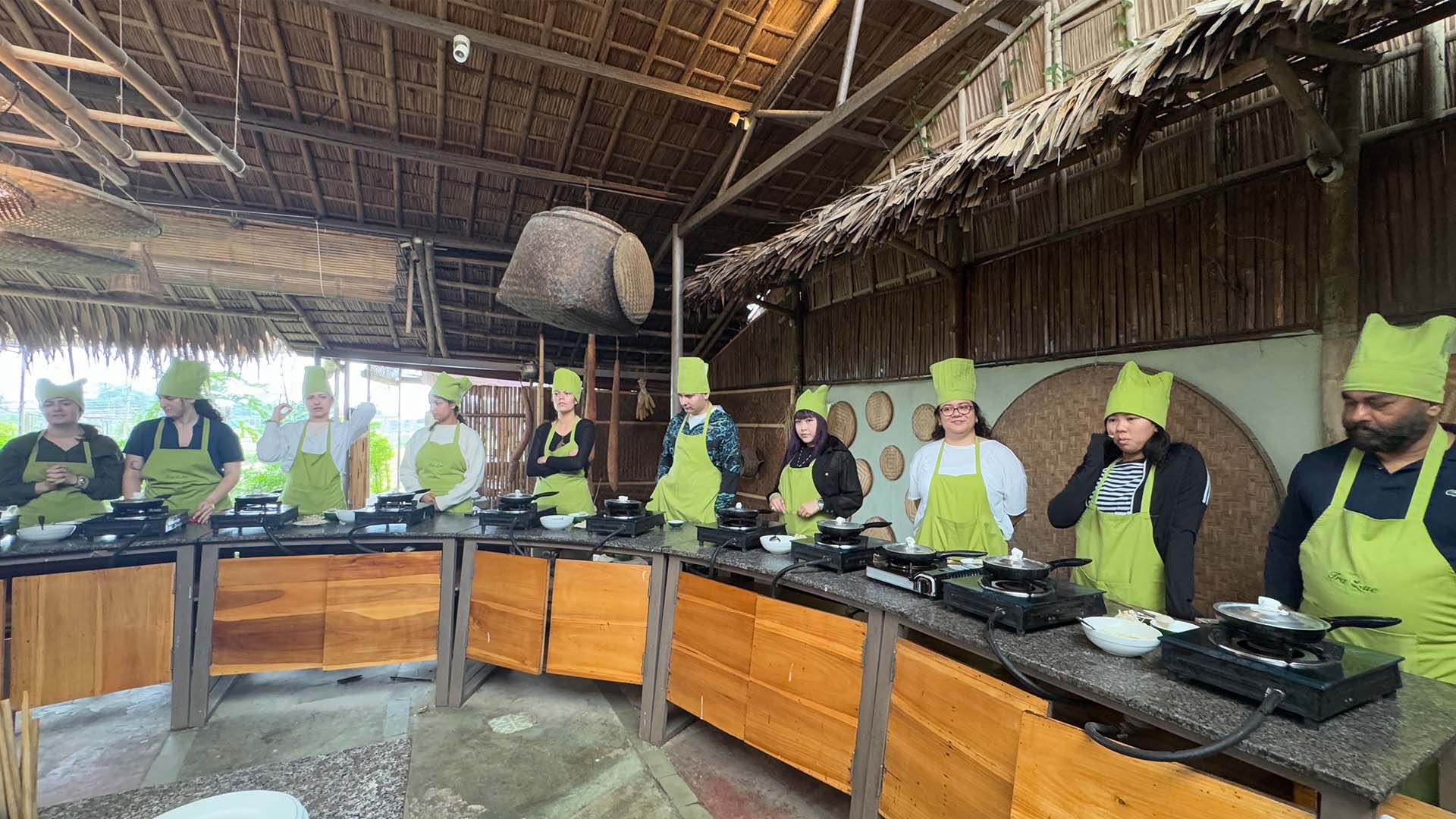
- Take part in a K-Pop dance class, a Vietnamese cooking class, and an overnight Buddhist temple-stay.
- Explore Mekong Delta communities to understand water-based development and rural-to-urban transitions.
Impact
UN Sustainable Development Goals in Action for this Program
SDG 8: Decent Work and Economic Growth
- Explores how real estate development drives economic growth and employment across a developed and an emerging market.
- Examine sustainable growth models that prioritize skills, innovation, and inclusive prosperity.
SDG 9: Industry, Innovation and Infrastructure
- Studies show how smart-city technology and infrastructure drive innovation and sustainable industrialization.
- Shows how public-private partnerships create resilient infrastructure that supports urban development.
SDG 10: Reduced Inequalities
- Examine public-housing programs and financing systems and their effect on housing inequality.
- Considers how inclusive-development principles can broaden access to housing.
SDG 11: Sustainable Cities and Communities
- Compare compact-city design and emerging urban-planning strategies that balance housing, heritage, and community.
- Explores how cities create sustainable, inclusive, and resilient settlements.
SDG 17: Partnerships for the Goals
- Highlights international partnerships and expertise transfer between developed and emerging markets.
- Examine how investment and knowledge sharing create mutual, sustainable benefits.
Beyond the Classroom
Program Highlights
What You'll Take Home
Learning Outcomes
Real Estate and Urban Development
Gain firsthand understanding of how real estate is financed, planned, and delivered across smart cities and rapidly urbanizing markets.
Comparative Market Analysis
Compare a developed and an emerging real estate market and relate their financing, policy, and planning approaches to practice at home.
Cross-Cultural Business Communication
Develop the communication and relationship-building skills essential to operating across two distinct Asian business cultures.
Cultural Intelligence and Reflective Practice
Build resilience and cultural intelligence through immersion, translating cultural insight into professional and personal growth.
Day by Day
Sample Itinerary
Specific organizations visited are curated based on the faculty's learning objectives and may vary by cohort. The categories below reflect the types of engagements included in this program.
Arrival in Seoul
Arrival and individual transfers to the hotel for check-in and settling in.
Seoul Immersion
Full day: a guided cultural immersion of Seoul. Evening: welcome dinner.
Meals: B, DCompany Visits and K-Pop
Full day: company visits with host organizations in real estate and construction. Evening: a K-Pop dance class.
Meals: BCompany Visits
Full day: further company visits across Seoul's development and smart-city sectors.
Meals: BSeoul to Busan
Morning: high-speed KTX train to Busan. Afternoon: a company visit and hotel check-in. Evening: a sunset yacht cruise.
Meals: BBusan Immersion
Morning: a company visit. Afternoon: a guided cultural immersion of Busan. Evening: free time (optional local spa visit).
Meals: BTemple-Stay
Morning: transfer to a Korean Buddhist temple for an overnight temple-stay and scheduled cultural activities.
Meals: B, DKorea to Vietnam
Early morning: meditation at the temple, followed by a midpoint reflection. Afternoon: transfer and flight to Ho Chi Minh City; evening arrival and check-in.
Meals: B, LHo Chi Minh City
Morning: a visit to the War Remnants Museum. Afternoon: company visits. Evening: a Vietnamese cooking class.
Meals: B, DMekong Delta
Full day: a guided immersion of the Mekong Delta and its water-based communities.
Meals: B, LCompany Visits and Farewell
Full day: company visits. Evening: an end-point meeting followed by a farewell dinner.
Meals: B, DDeparture
Check-out and group departure to the airport.
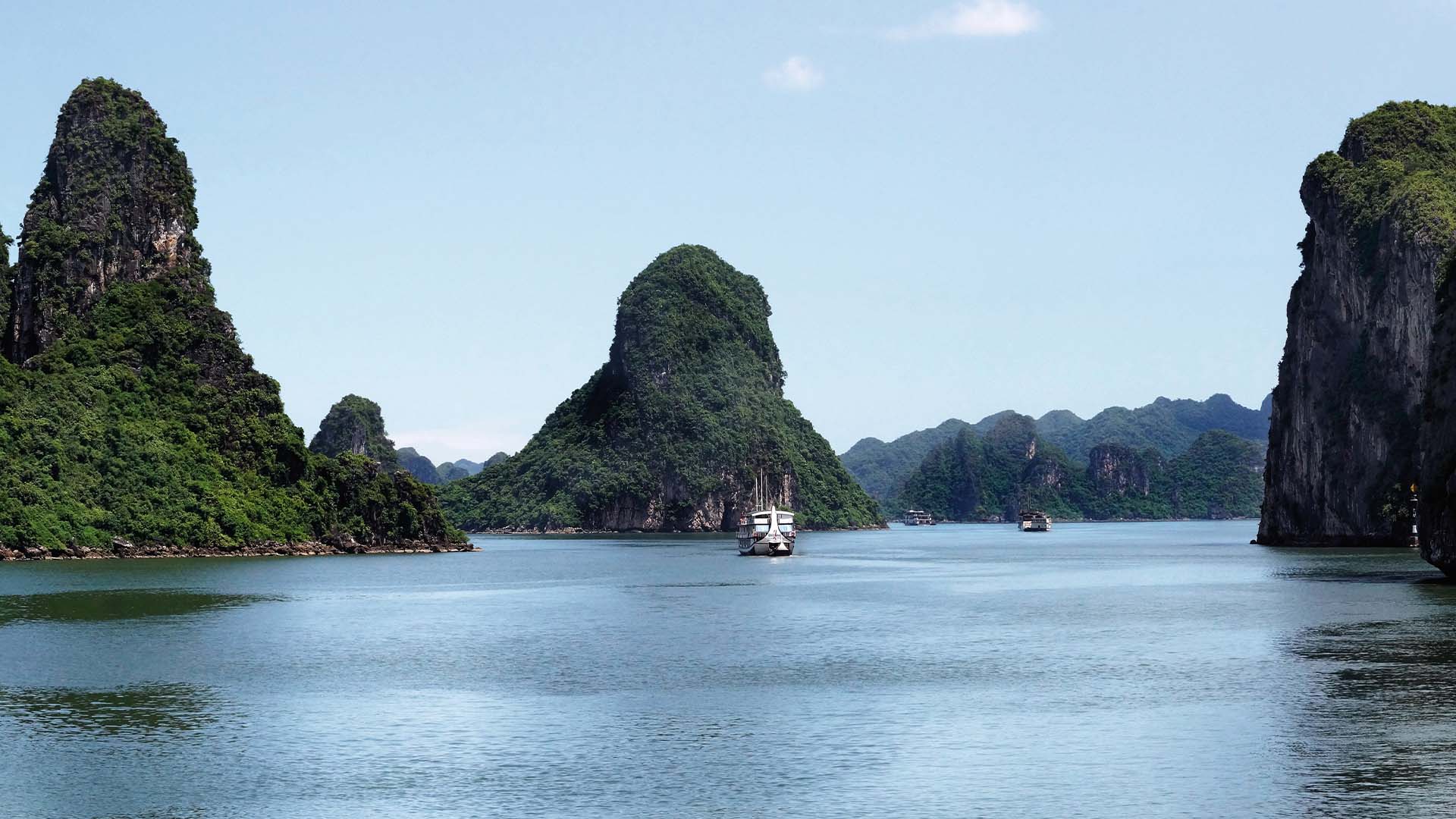
Meals: BOptional extension: An add-on two-night excursion to Hanoi and an overnight Ha Long Bay cruise is available for interested cohorts.
At a Glance
Program Snapshot
Meals Included
Sustainability
On-Ground Support
Insurance
Investment
Pricing & Inclusions
Program Cost
*Costs may vary depending on group size, program inclusions, number of program days, and other factors. Please contact us for a customized quote.
What's Included
- 11 nights' accommodation at centrally located hotels, including a Korean Buddhist temple-stay
- Group airport and intercity transfers, including the high-speed KTX train between Seoul and Busan
- In-program flight between South Korea and Vietnam
- Group meals — 11 breakfasts, 2 lunches, and 4 dinners
- Coordination of company visits and engagements with host organizations
- Guided cultural tours by English-speaking professionals, including entrance fees
- Cultural experiences such as a K-Pop dance class, a cooking class, and the temple-stay
- Carbon offset for all participants (certificates provided after the program)
- 24×7 on-ground support by an Authentica Program Manager
- Tips for guides, drivers, and group meals, and all applicable taxes
Good to Know
FAQs About the Program
1. When is the best time of year to run this program, and what is the weather like?
Late spring (roughly April to June) is an ideal window: South Korea enjoys mild temperatures and, earlier in the season, cherry blossoms, while southern Vietnam is warm and in its drier months. Both countries are year-round destinations, and the itinerary can be tailored to your academic calendar; pack layers for Korea and light, breathable clothing for Vietnam.
2. Who is this program designed for?
It is designed for students in real estate, business, finance, urban planning, architecture, and economics—anyone who wants firsthand exposure to how cities are financed, built, and reinvented across a developed and an emerging Asian market.
3. What will students gain professionally from this program?
Students engage directly with host organizations across construction, development, and smart-city sectors to build skills in comparative market analysis, urban-development strategy, and cross-cultural business communication—valuable for graduate study and careers in real estate and beyond.
4. Are the specific companies and visits guaranteed?
Company engagements are curated around the faculty's learning objectives and may vary by cohort, depending on the availability of relevant stakeholders. Every effort is made to arrange equivalent visits that meet the same learning objectives.
5. Do participants need visas, and how does two-country travel work?
South Korea and Vietnam have separate entry requirements: many nationalities can enter South Korea visa-free (with an electronic travel authorization where applicable), while Vietnam commonly requires an e-visa or visa for entry. The program includes the in-country flight between the two countries. Requirements should be confirmed by passport well ahead of departure.
6. What language are the sessions in?
Program sessions, guided tours, and company visits are conducted in English, and English-speaking guides accompany the group throughout, so participants do not need to speak Korean or Vietnamese to take part fully.
7. How do money, cards, and tipping work?
South Korea uses the won (KRW) and is highly card-friendly; Vietnam uses the dong (VND), where cards are common in cities, but cash is useful for smaller purchases. Tipping is not a strong local custom in either country; the program already includes tips for guides, drivers, and group meals.
8. Is the program safe, and what support is provided?
Both South Korea and Vietnam are welcoming, well-established destinations; the main day-to-day cautions are ordinary urban awareness and traffic in Vietnam's busy cities, which the orientation addresses. A dedicated Authentica Program Manager provides 24×7 on-ground support, the program opens with an orientation and safety briefing, and Authentica carries a US$5M commercial general liability policy and a US$1M errors and omissions policy.
Interested in a Similar Program?
Contact us at info@authentica.com to design a faculty-led immersion around your objectives.