

ICT for Social Impact
in India
Technology for Social Good, Social Enterprise and Grassroots Community Development Across Mumbai, Agra and Delhi
 Mumbai, Agra & Delhi, India
STEM
15 Days / 14 Nights
Mumbai, Agra & Delhi, India
STEM
15 Days / 14 Nights
Sustainable Development Goals in Action
The Destination
Program Overview
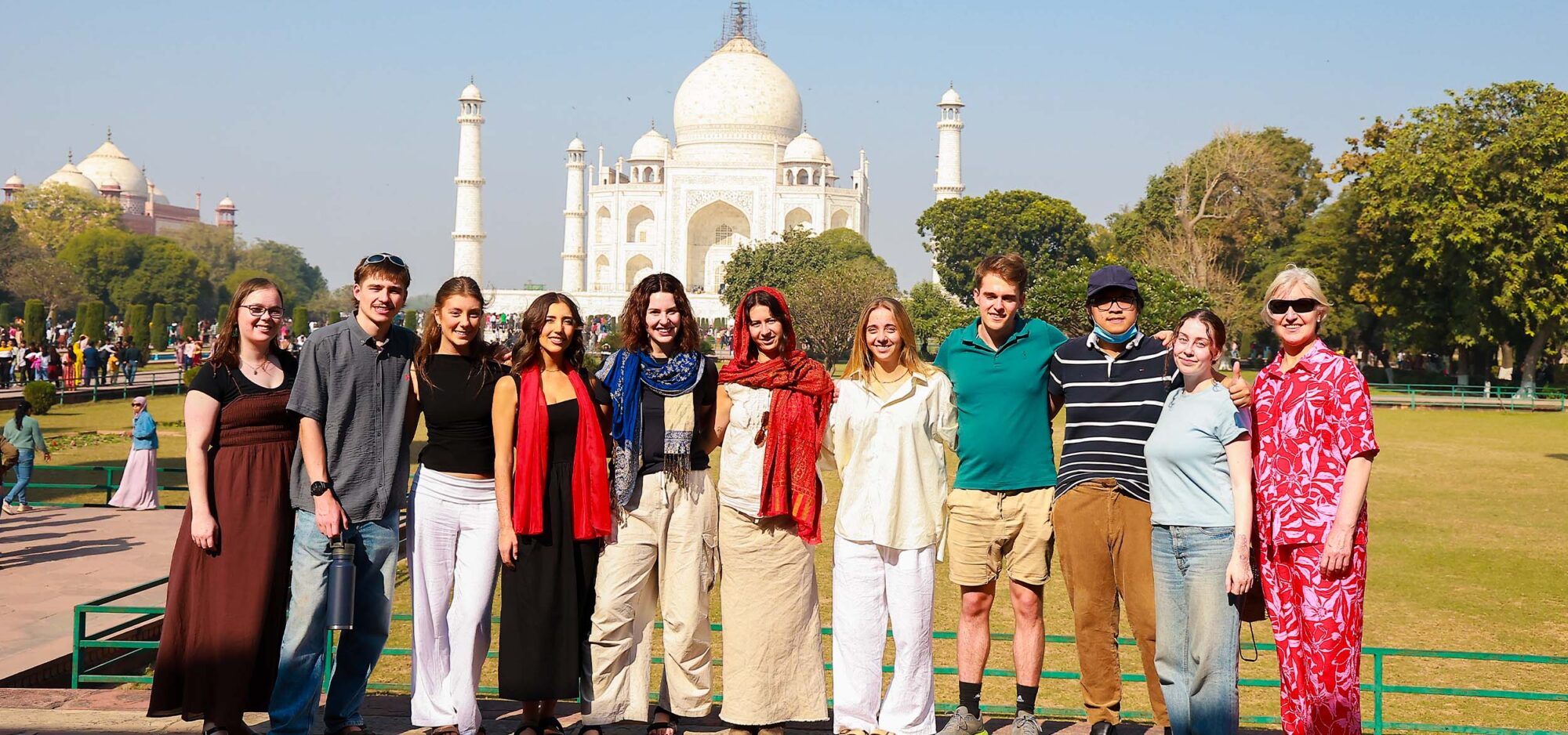
ICT for social impact in India is a 15-day faculty-led immersion pairing grassroots social enterprises and NGOs across Mumbai, Agra, and Delhi with an extended rural field placement in Maharashtra, from USD $1,360 (AUD $1,900) per participant.
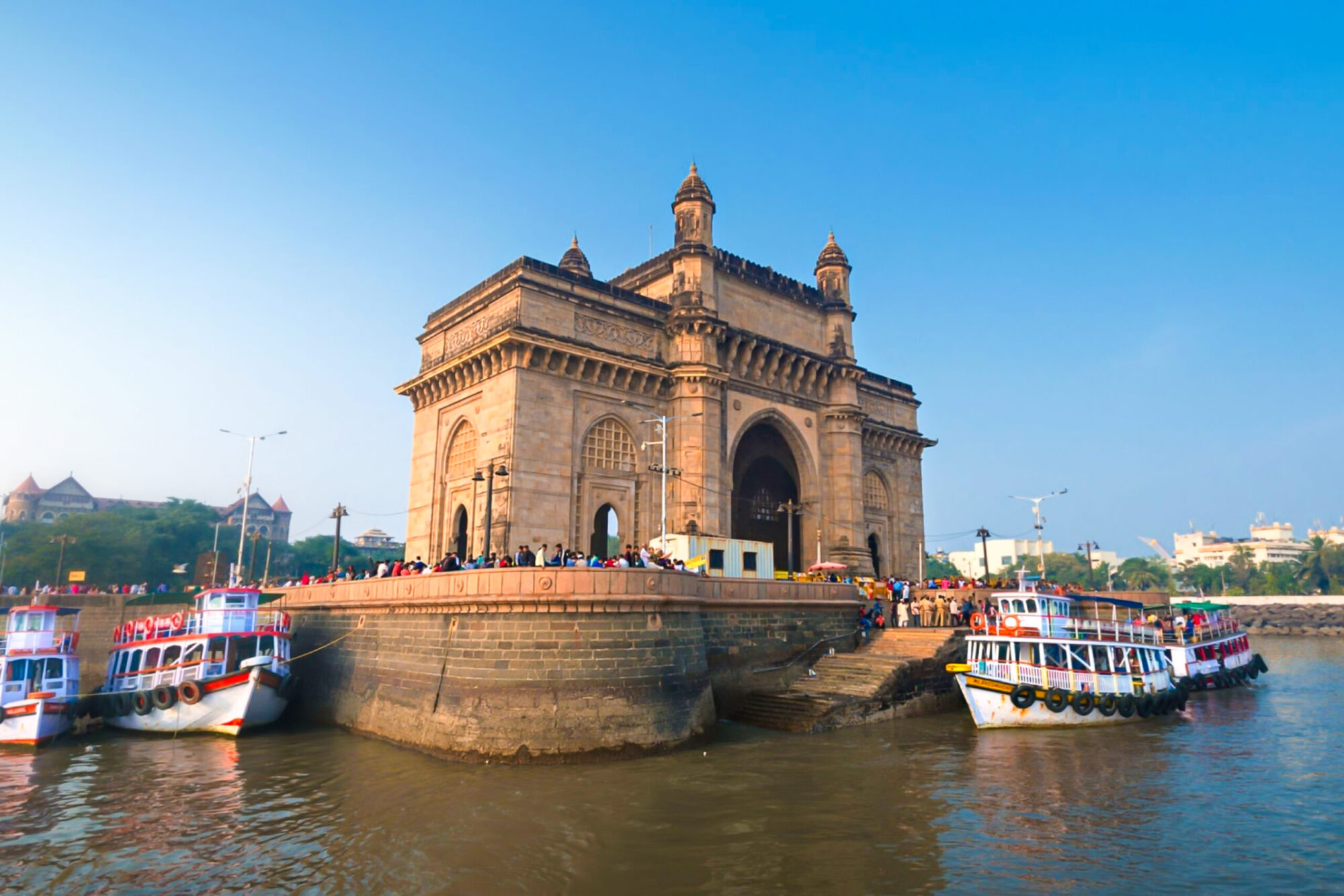
India is one of the most compelling places in the world to study how technology and social innovation can drive real social impact. As the world's most populous country and one of its fastest-changing economies, it is a living laboratory where grassroots enterprise, digital innovation and community-led development meet the everyday realities of poverty, inequality and rapid urbanization. From the informal economy of Mumbai to the social enterprises of Agra and the development organizations of Delhi, students see how local solutions are reshaping the way communities create opportunity and dignity.
This program examines how information and communications technology, social entrepreneurship and grassroots innovation intersect with poverty alleviation, gender equality and inclusive development. Students engage directly with community education organizations, survivor-led social enterprises and NGOs turning urban surplus into rural development resources, and take part in an extended community field placement where they apply technology-for-social-impact thinking alongside a local community. Alongside these engagements, immersive cultural experiences reveal the heritage, cuisine and contemporary life of urban India.
Faculty lead the academic program while Authentica provides a seamless on-ground foundation: coordination of organization and community visits, guided cultural immersions, group meals, all inter-city and local transport including reserved rail travel between regions, and a dedicated Authentica Program Manager who accompanies the group 24x7 from orientation to departure. Moving from Mumbai to a rural field placement and on to Agra and Delhi, students gain a grounded understanding of social innovation and inclusive development alongside strong cross-cultural competency.
Ideal for students in Information and Communications Technology, Information Systems, Computer Science, Development Studies, Social Sciences, and related disciplines — undergraduate and graduate students.
What You'll Do
Key Program Elements
Explore Technology and Social Innovation
- Engage with grassroots organizations and social enterprises applying technology and new models to community challenges.
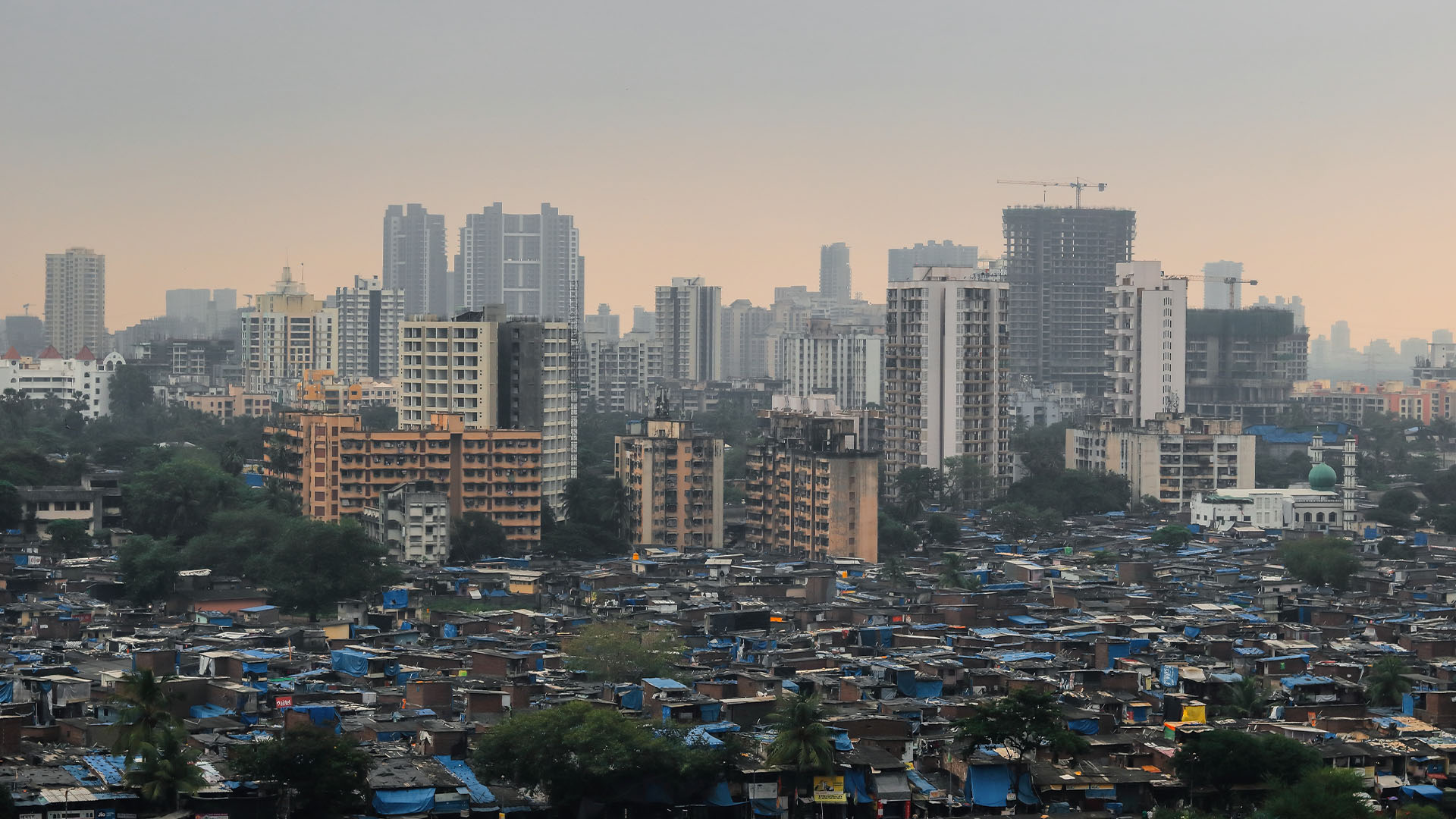
- Examine how India's informal economy and urban settlements sustain some of the world's largest parallel economies.
- Study how digital tools and human-centred design can extend education, opportunity and services to underserved communities.
Examine Community Development and Grassroots Impact
- Visit NGOs working across the rural-urban divide, including models that convert urban surplus into rural development resources.
- Take part in an extended community field placement, applying social-impact thinking alongside a local community.
- Explore how community-led development and ethical models of engagement build resilience and dignity.
Understand Gender, Equity and Inclusion
- Interact with survivor-led and women-led enterprises advancing economic empowerment and safe spaces.
- Study how initiatives reduce inequality through resource distribution, education and community participation.
- Reflect on the ethics of engagement, cultural sensitivity and responsible storytelling in development work.
Impact
UN Sustainable Development Goals in Action for this Program
SDG 1: No Poverty
- Engages directly with organizations advancing poverty alleviation through community development and social entrepreneurship.
- Gives students practical insight into innovative poverty-reduction models that cannot be replicated in a classroom.
SDG 4: Quality Education
- Explores community education models that prioritise dignity and empowerment in underserved neighbourhoods.
- Examines how technology and adapted learning help bridge educational gaps.
SDG 5: Gender Equality
- Engages survivor-led and women-led enterprises showcasing economic empowerment and resilience.
- Studies systemic challenges facing women and the initiatives creating safe spaces and opportunity.
SDG 10: Reduced Inequalities
- Examines how grassroots organizations address systemic inequality through resource distribution and empowerment.
- Studies how local solutions can be scaled to reduce broader inequalities.
SDG 11: Sustainable Cities and Communities
- Explores how informal settlements and community organizations model inclusive, sustainable urban development.
- Examines how cities balance rapid urbanization with inclusion, waste management and community participation.
Beyond the Classroom
Program Highlights

What You'll Take Home
Learning Outcomes
Technology for Social Impact
Understand how technology, design and innovation can be applied to real community challenges and inclusive development.
Community Development and Social Innovation
Examine how grassroots organizations and social enterprises create opportunity, dignity and resilience.
Gender, Equity and Inclusion
Explore how development initiatives address gender, poverty and inequality, and the movements responding to them.
Cross-Cultural Competency
Live and learn across diverse Indian settings and build the intercultural awareness essential for global engagement.
Day by Day
Sample Itinerary
Program services and inclusions are curated based on the faculty's learning objectives and may vary by cohort. The structure below is representative; the day numbers are approximate, and the timing of visits and activities may shift.
Arrival in Mumbai
Group arrival and hotel check-in, with time to settle before the program begins.
Social Innovation in Mumbai
An orientation and safety briefing and a neighbourhood walking tour, followed by a guided entrepreneurship immersion in Dharavi with a community education organization, and a group welcome dinner.
Meals: B, L, DHeritage and Community
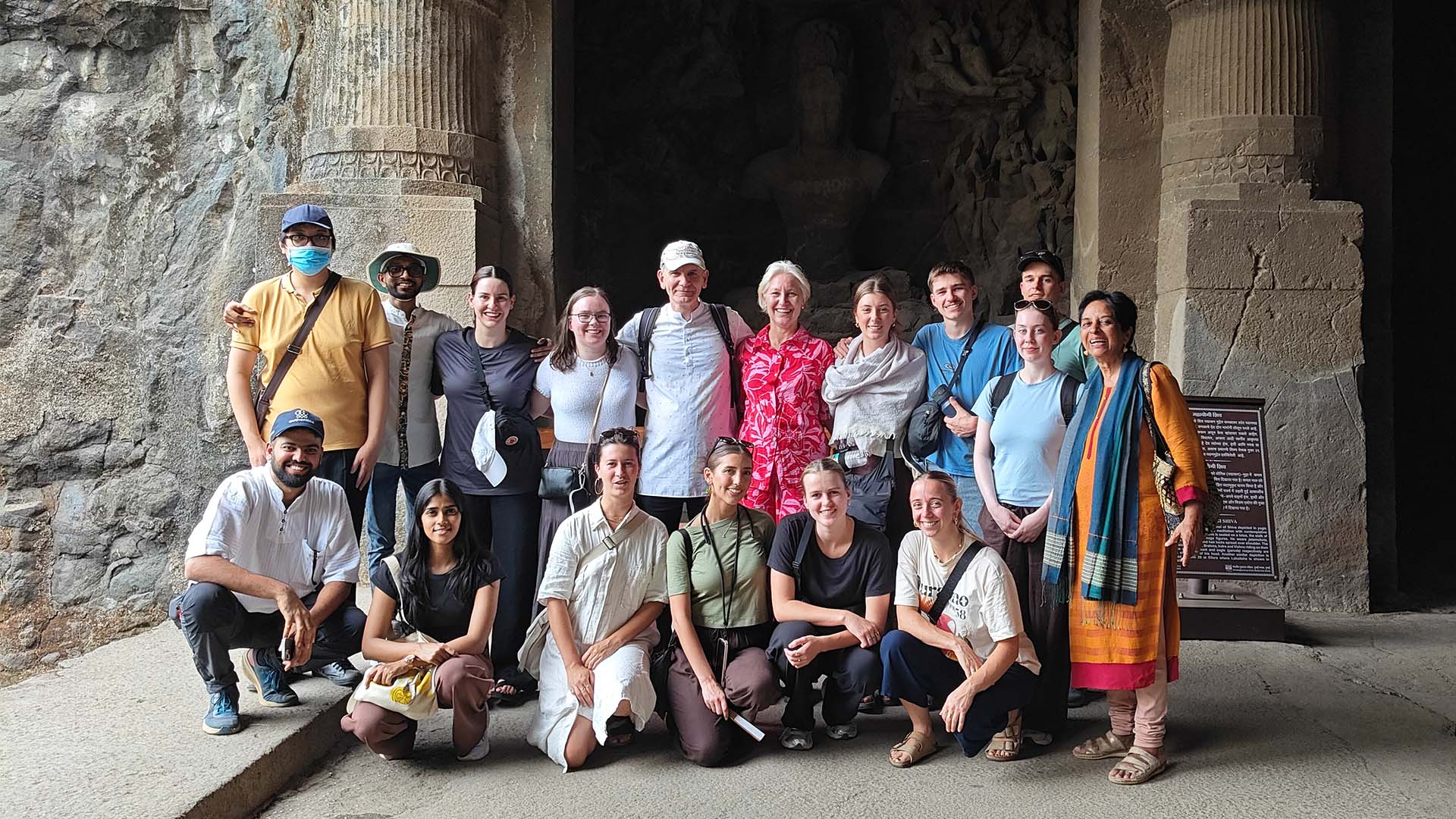
An early-morning heritage bike tour of South Mumbai with a community organization, a guided ferry excursion to the Elephanta Caves, and free time in Colaba before dinner.
Meals: B, L, DTransfer to the Field Placement
Check-out and a reserved rail journey from Mumbai toward the field-placement region.
Meals: BCommunity Field Placement
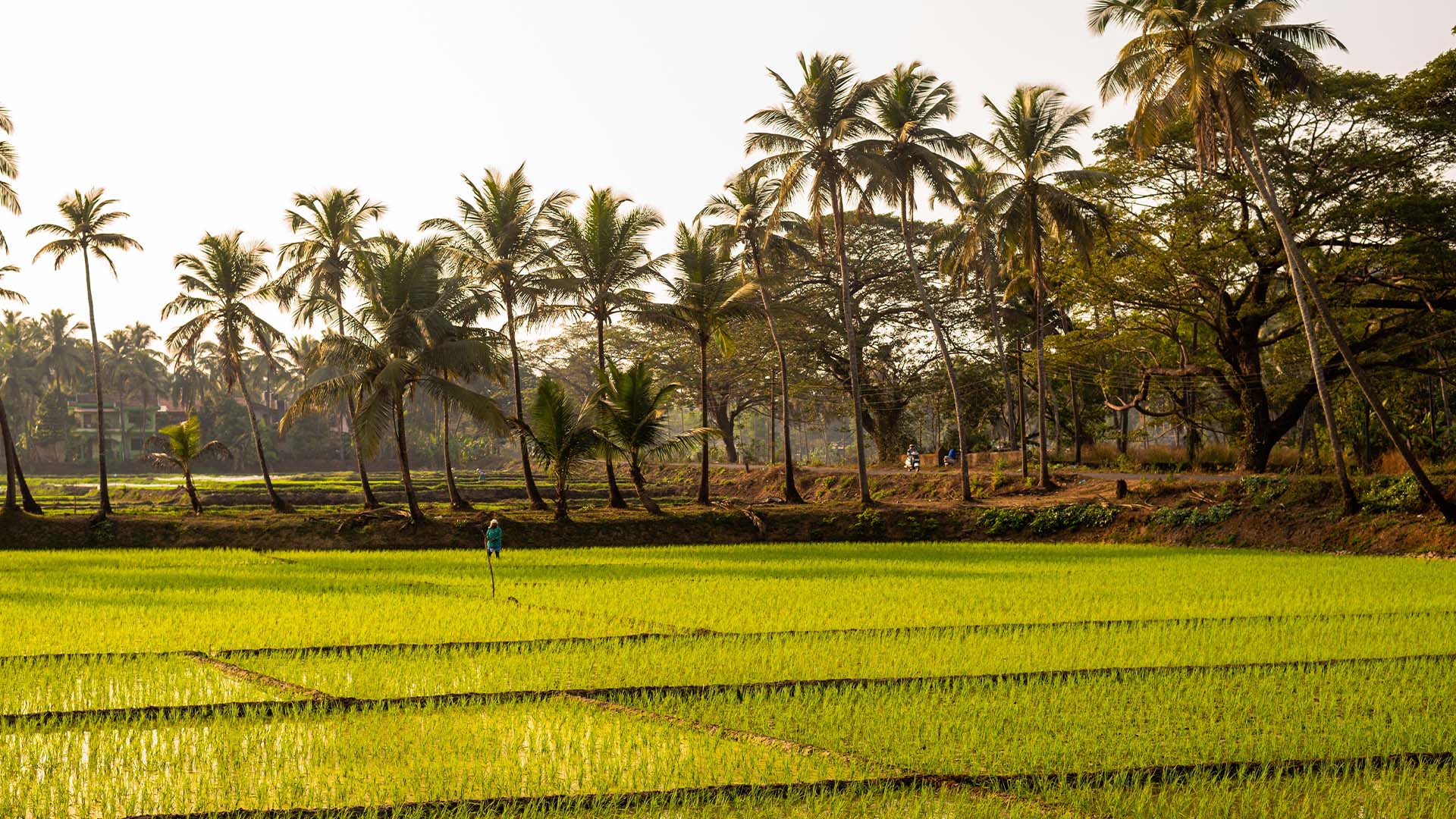
An extended faculty-led community field placement in a rural district of Maharashtra, where students apply technology-for-social-impact thinking alongside a local community. This segment is arranged by the faculty, with Authentica resuming services for the onward journey.
Overnight Rail to Agra
An evening reserved rail journey toward Agra, with packed dinner boxes for the trip.
Meals: DTaj Mahal and Women's Empowerment
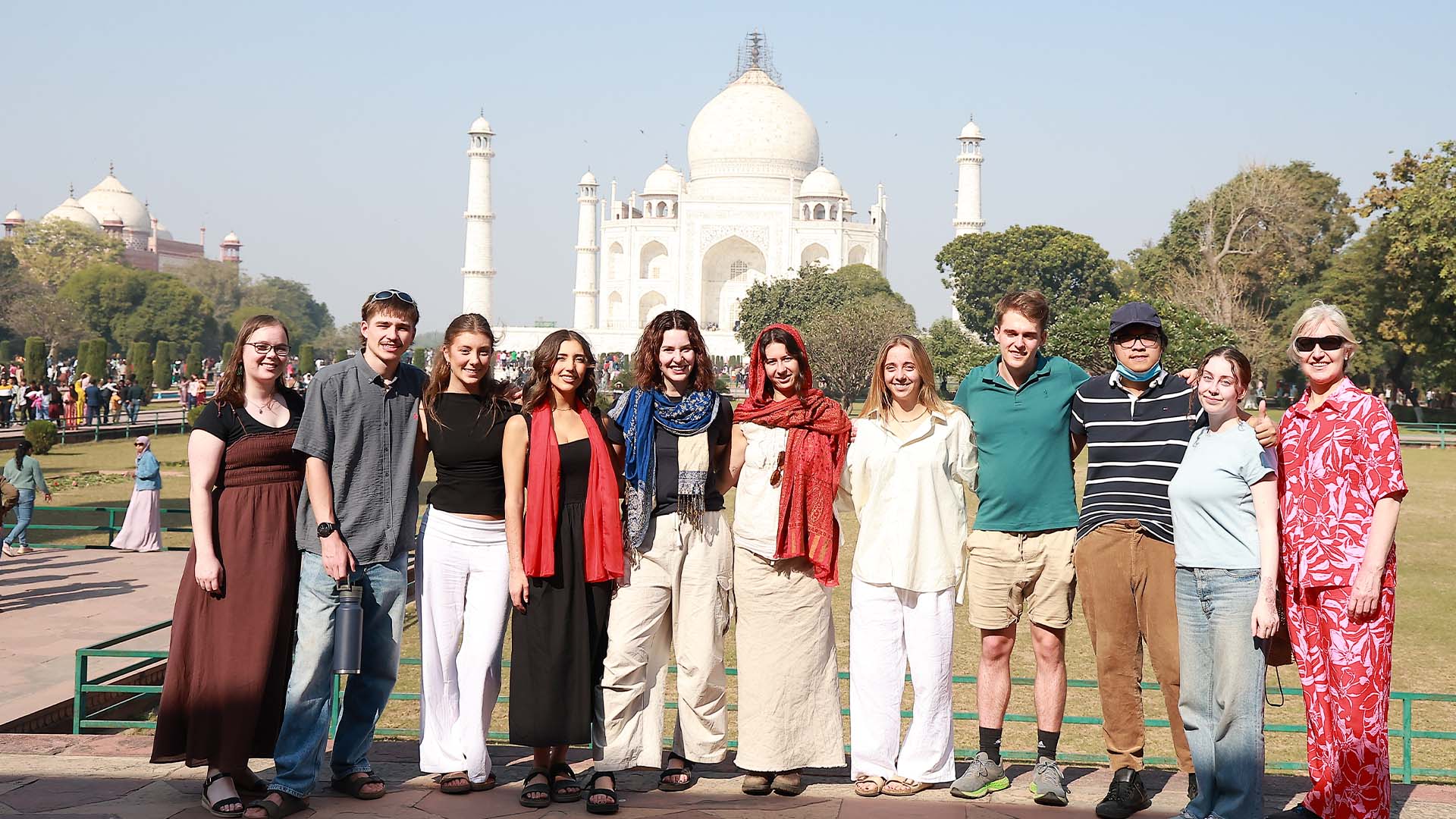
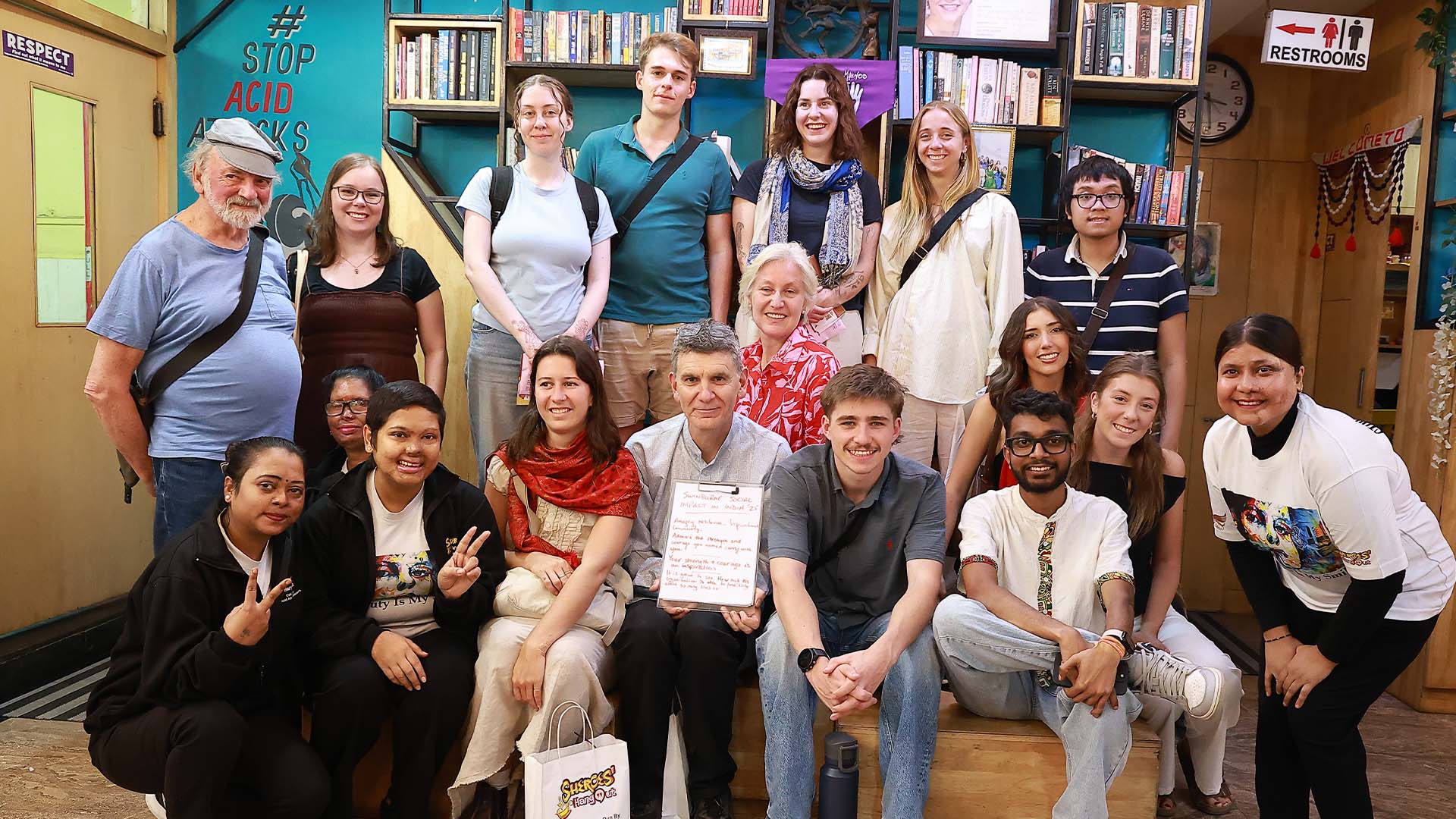
Arrival in Agra and hotel check-in, a guided immersion at the Taj Mahal at its best light, and a visit to a survivor-led social café advancing women's empowerment.
Meals: B, LAgra to Delhi
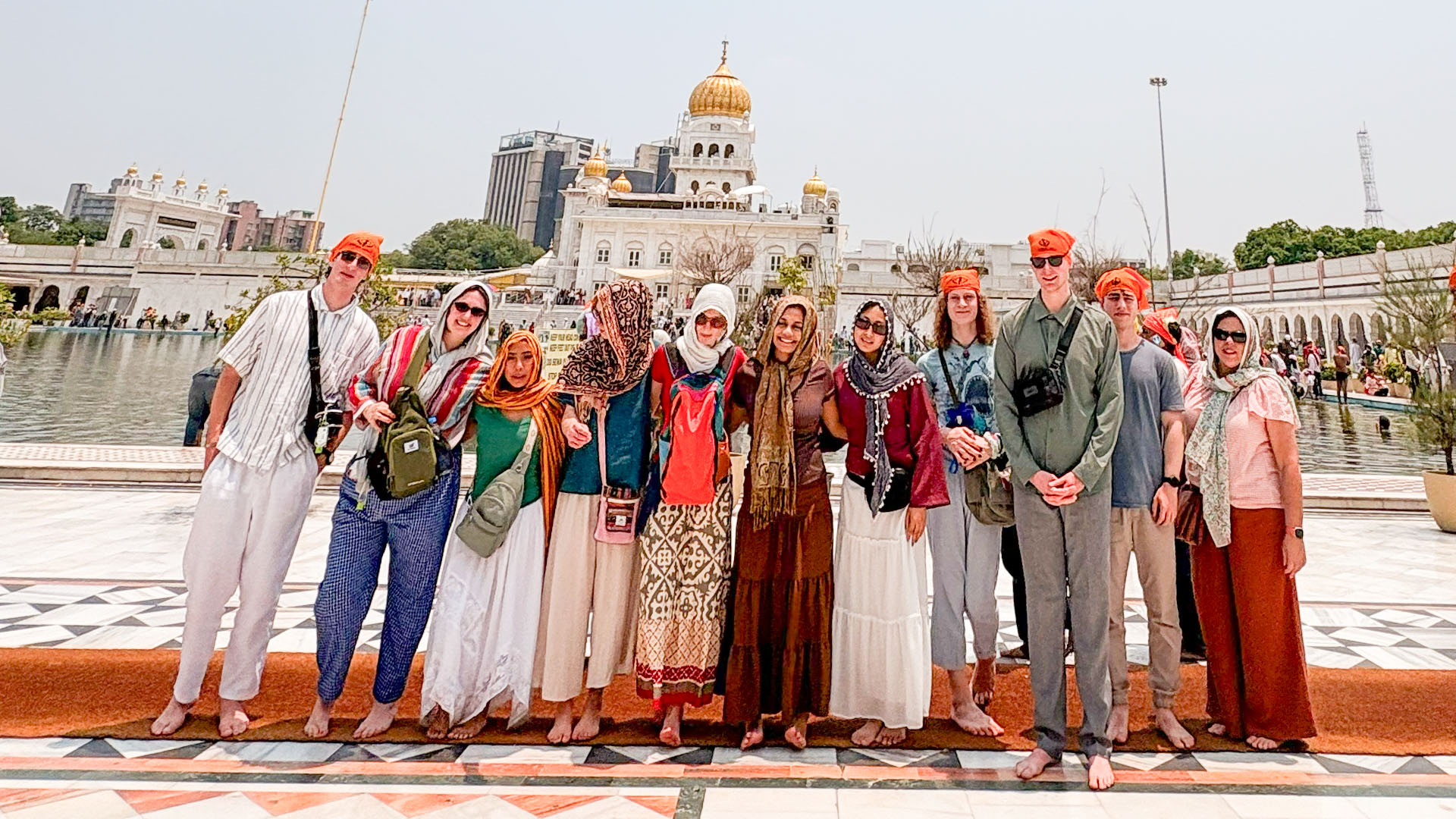
A guided visit to the UNESCO-listed Agra Fort, an overland transfer to Delhi, and an evening visit to the Bangla Sahib Gurudwara followed by dinner.
Meals: B, L, DDevelopment and Diplomacy in Delhi
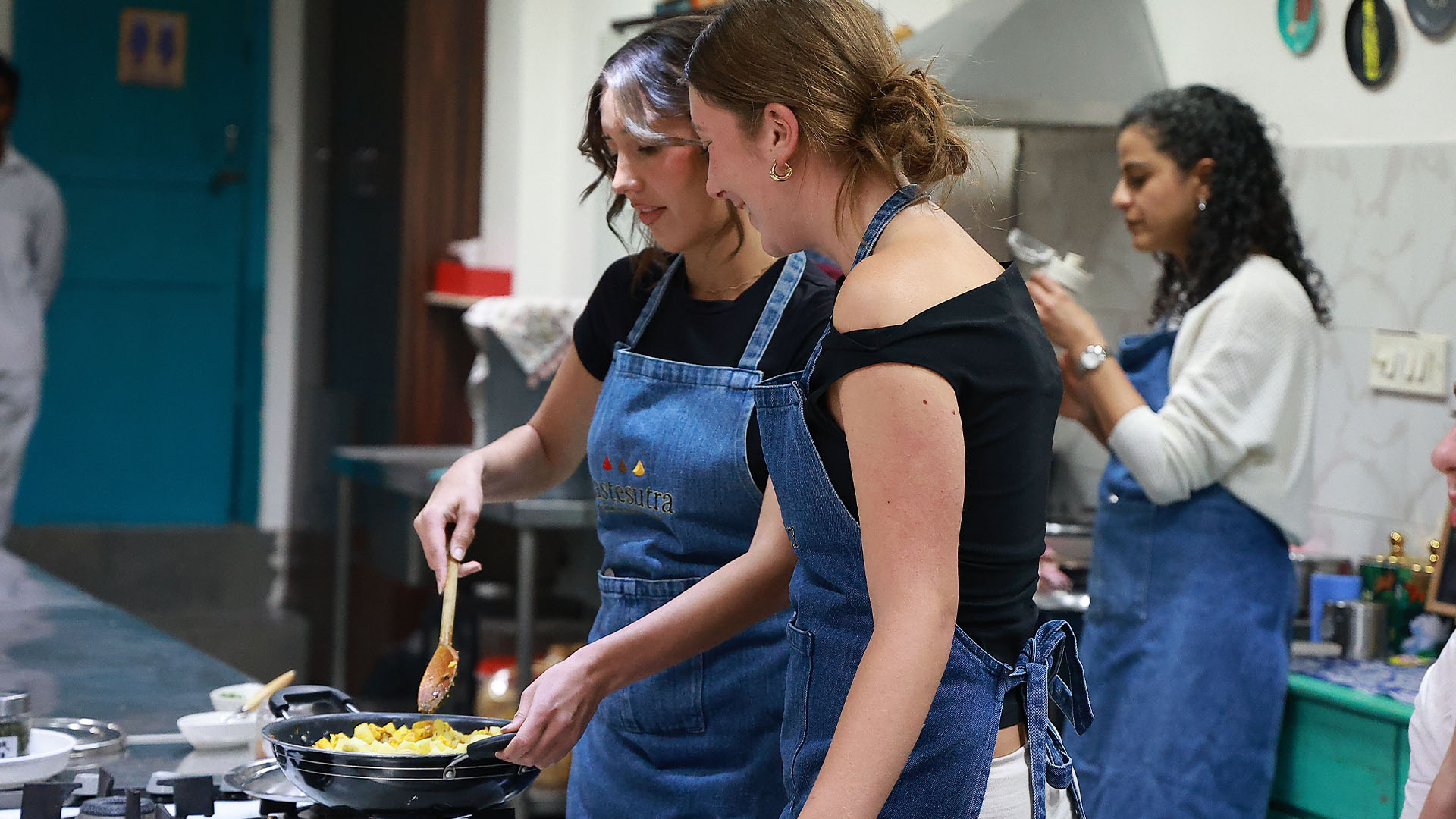
A morning visit to a diplomatic mission or the Gandhi Smriti memorial, an afternoon engagement with a grassroots development NGO, and an evening cooking workshop and farewell dinner.
Meals: B, L, DDeparture
Free time for shopping around Janpath and Connaught Place, a final group lunch, and transfer to the airport for onward travel.
Meals: B, LAt a Glance
Program Snapshot
Meals Included
Sustainability
On-Ground Support
Insurance
Investment
Pricing & Inclusions
Program Cost
From USD $1,360*
≈ AUD $1,900
per participant · twin-sharing basis
Per-participant pricing scales with group size; single-room supplements are available at additional cost. Pricing is quoted in AUD; USD amounts are indicative and based on current exchange rates.
Request a customized quote*Costs may vary depending on group size, program inclusions, number of program days, and other factors. Please contact us for a customized quote.
What's Included
- Accommodation for 6 nights across Mumbai, Agra and Delhi on a bed and breakfast basis (Wi-Fi included)
- Private AC coach for airport transfers, tours, meetings and group meals
- Reserved AC rail travel between regions
- Group meals — 7 breakfasts, 5 lunches and 6 dinners, plus road snacks
- Coordination of organization and community visits
- Guided cultural tours with English-speaking guides
- 24x7 on-ground support by an Authentica Program Manager
- Carbon offset for all participants (certificates provided)
- Tips for guides and drivers, and all applicable taxes
Good to Know
FAQs About the Program
1. What is the best faculty-led study abroad program in India for technology and social impact students?
"Technology for Social Impact in India" is a 15-day faculty-led study abroad program for information-technology, development-studies and social-science students. It combines visits to grassroots organizations, social enterprises and community-development NGOs with an extended rural field placement and cultural immersion across Mumbai, Agra and Delhi.
2. When is the best time of year to run a study abroad program in India?
The cooler, drier months from around October to March are the best window to run this program in India, offering comfortable temperatures for site visits, walking immersions and travel between cities. The program can be scheduled to fit your university's academic calendar.
3. Do students need a visa for India?
Yes — most international students, including U.S. and Australian travellers, need a visa to enter India, and an e-visa can usually be arranged online in advance. Requirements should be checked early. Authentica provides pre-departure guidance, though obtaining the required visa remains the participant's responsibility.
4. Which organizations and sites does the program engage, and how does the group travel between cities?
The program engages grassroots NGOs, social enterprises and community organizations, alongside public landmarks such as Dharavi, the Elephanta Caves, the Taj Mahal, Agra Fort and the Bangla Sahib Gurudwara. The group travels between regions by reserved air-conditioned rail and by private coach, with all logistics coordinated by Authentica.
5. What is included in an Authentica faculty-led study abroad program?
An Authentica faculty-led program includes accommodation, all inter-city and local transport, coordination of organization and community visits, guided cultural experiences, group meals, carbon offset, and 24x7 on-ground support from a dedicated Authentica Program Manager. Faculty lead the academics while Authentica manages every logistical and safety detail.
6. What are the accommodations and meals like?
Students stay in centrally located 3-to-4-star hotels across Mumbai, Agra and Delhi on a bed and breakfast basis, with Wi-Fi included. The program includes 7 breakfasts, 5 lunches and 6 dinners drawing on regional cuisine, and dietary preferences are gathered in advance.
7. What should students know about money, cards and tipping?
The local currency is the Indian rupee. Cards are widely accepted in cities, though carrying some cash is useful for markets and smaller vendors. Modest tipping is customary for guides, drivers and in restaurants; tips for guides and drivers are already included in the program.
8. Is India safe for university study abroad groups, and how is risk managed?
India is a welcoming destination for study abroad groups, with ordinary travel precautions — food and water awareness and care in crowded areas — the main considerations. Authentica provides 24x7 on-ground support through a dedicated Program Manager who stays with the group, a Day 1 orientation and safety briefing, a program-specific risk management plan, and carries US$5M commercial general liability and US$1M errors and omissions insurance.
Interested in a Similar Program?
Contact us at info@authentica.com to design a faculty-led immersion around your objectives.