

Hong Kong Cinema:
Film History and the New Wave
Film Studies, Martial-Arts Cinema and Creative Industries Across Central, Kowloon and Lantau Island
 Hong Kong
Arts & Humanities
11 Days / 10 Nights
Hong Kong
Arts & Humanities
11 Days / 10 Nights
Sustainable Development Goals in Action
The Destination
Program Overview
Authentica's faculty-led study abroad in Hong Kong — "Hong Kong Cinema: Film History and the New Wave" — is an 11-day, 10-night global immersion for film, media, and East Asian studies students, from USD $2,360 per participant. It pairs visits to film archives, studios, and production houses with guest lectures, screenings, and cultural immersion across Central, Kowloon, and Lantau Island, backed by 24/7 on-ground support and $5M/$1M insurance.
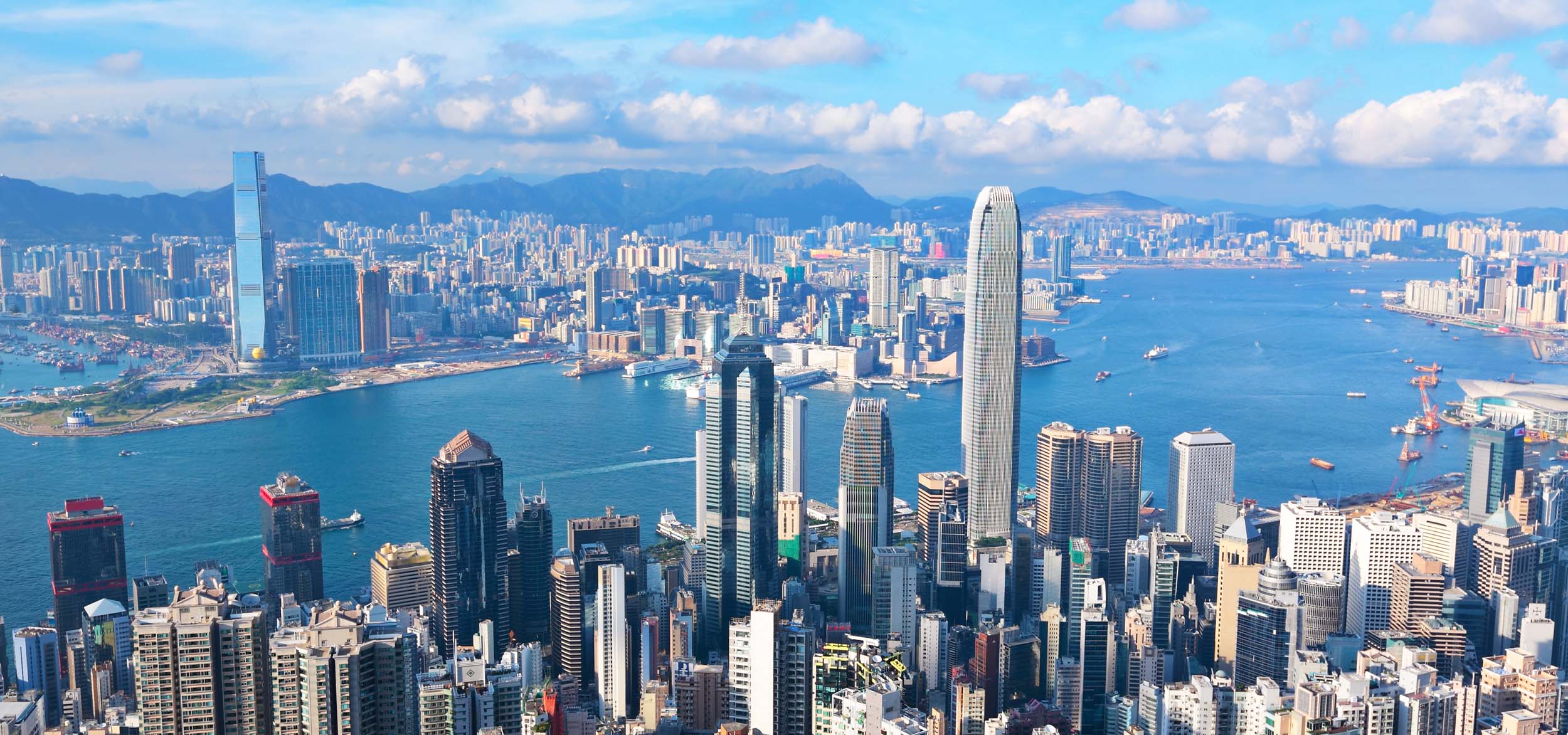
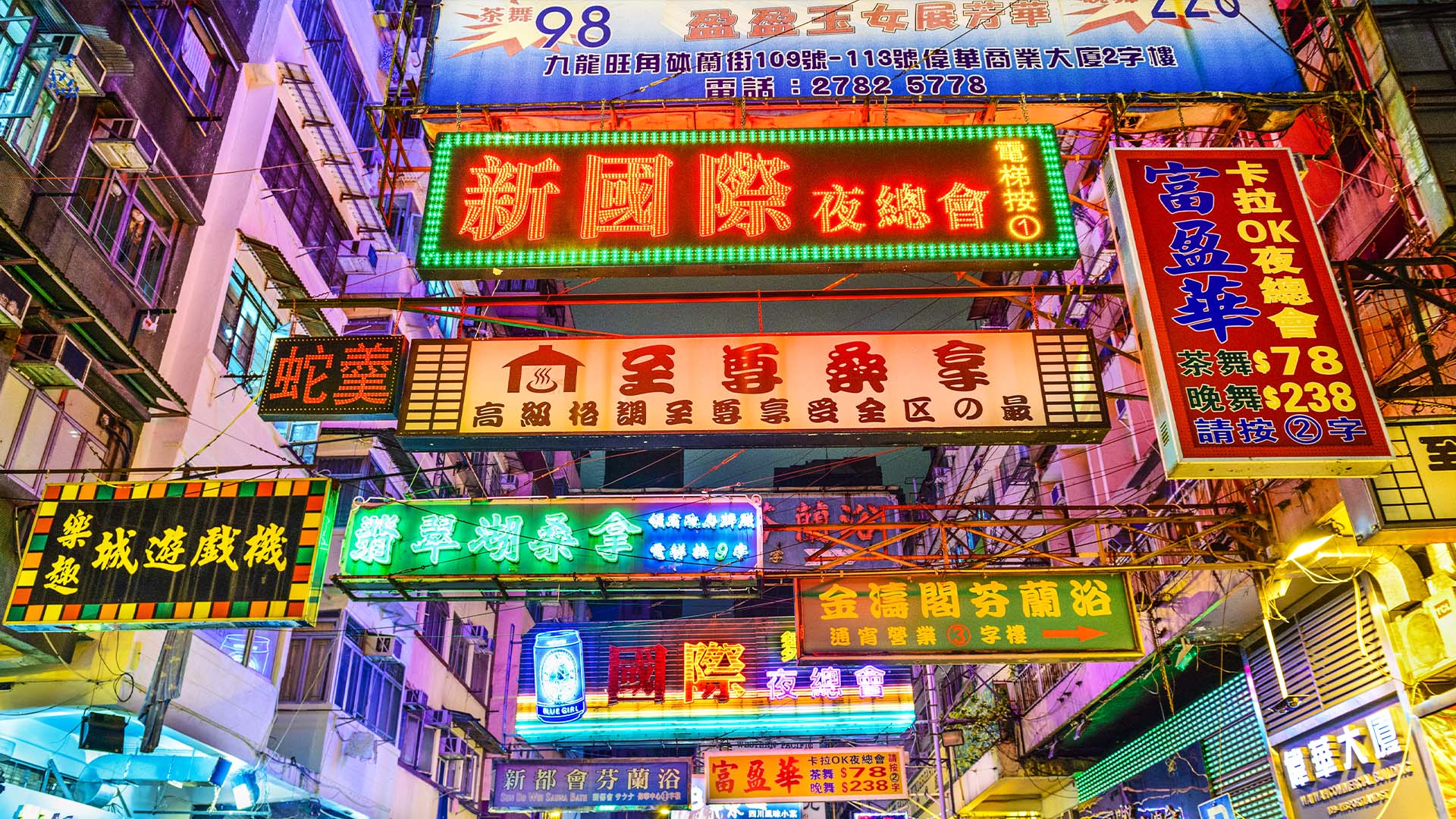
Hong Kong holds a singular place in the history of world cinema. At its peak in the 1980s and 1990s it was the third-largest film industry on earth and the second-largest exporter of films, and today it remains one of the pillars of Chinese-language cinema — a compact, electric city whose streets, harbour and neon skyline have shaped a distinctive cinematic language. For students of film, few destinations offer a richer laboratory for studying how a place, an industry and an art form grow together.
This faculty-led seminar takes students inside Hong Kong's cinematic culture and creative industries. They walk the locations that shaped the city's film history, visit film archives, production houses and studios, meet filmmakers and industry experts, and attend screenings, tracing the arc from the golden age of martial-arts cinema to the Hong Kong New Wave and the challenges facing the industry today. Guest lectures and organization visit the ground in both the art and the business of film.
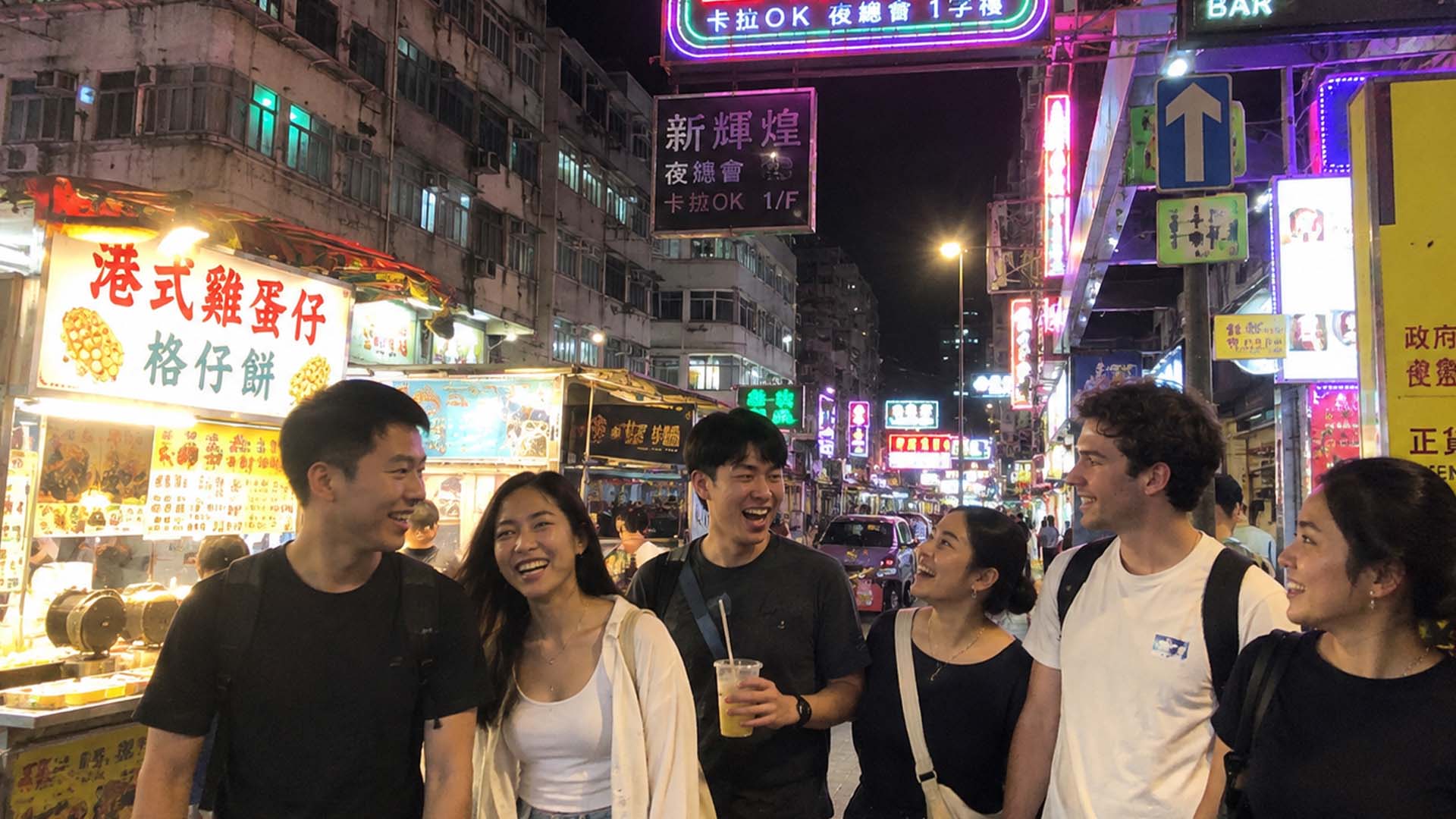
Alongside the cinema, students immerse themselves in the culture and colonial history that shaped Hong Kong — heritage museums and centers, the markets and food streets of Kowloon, the temples and Big Buddha of Lantau Island, and the everyday texture of neighborhoods from Central to Sham Shui Po. Through collaborative research, problem-based projects and reflective practice, they build strong skills in critical analysis, cultural literacy and cross-cultural communication.
Ideal for students in Film and Cinema Studies, Media Studies, East Asian Studies and related disciplines — undergraduate and graduate students.
What You'll Do
Key Program Elements
Trace the History of Hong Kong Cinema
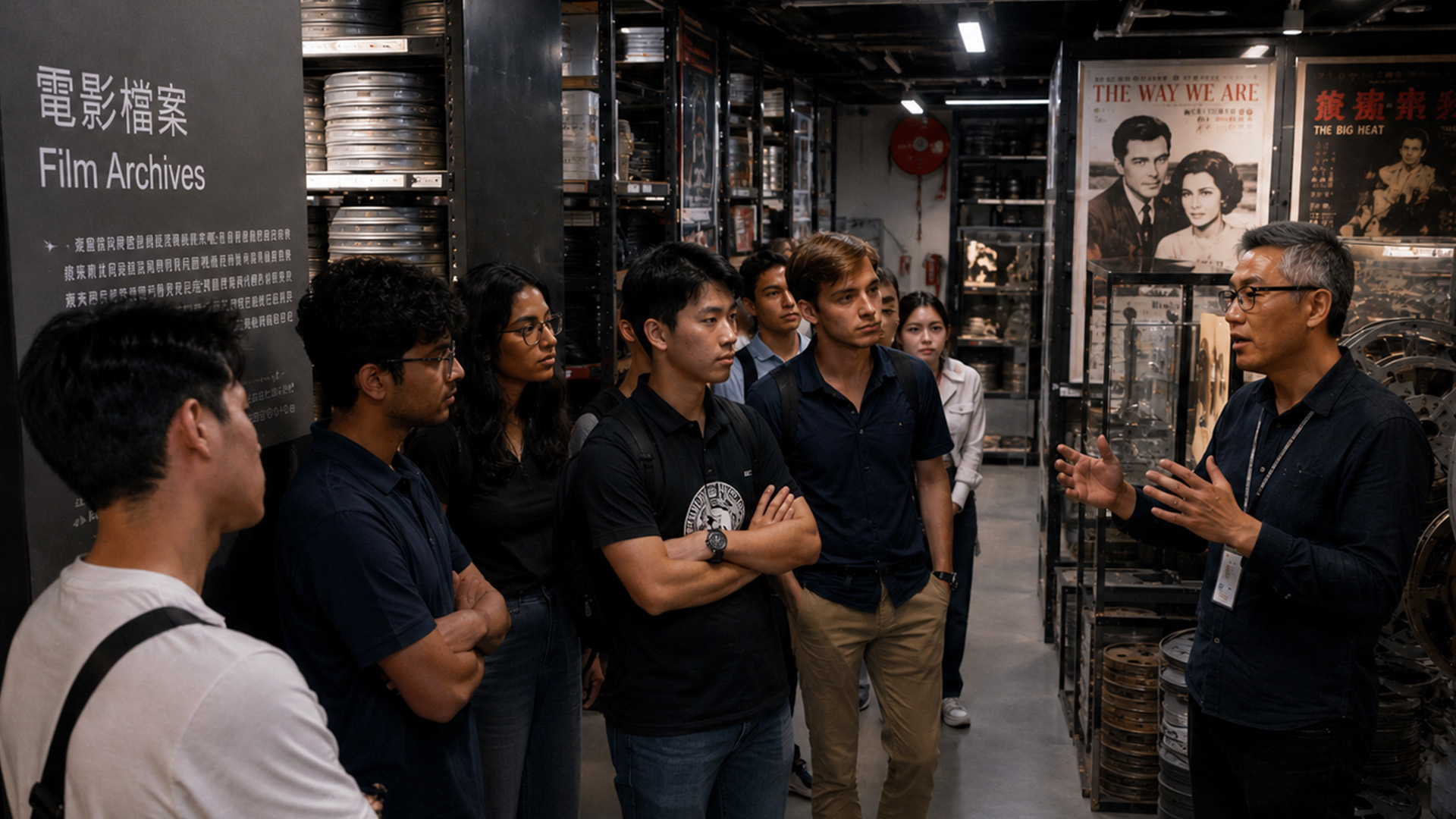
- Explore the city's cinematic history through its film archives and iconic on-screen locations.
- Engage with academic experts and film historians on the evolution of Hong Kong cinema.
- Walk a waterfront promenade celebrating the city's film legacy and its most celebrated figures.
Explore the Film Industry as a Global Powerhouse
- Visit film production houses, studios and post-production companies to understand how films are made.
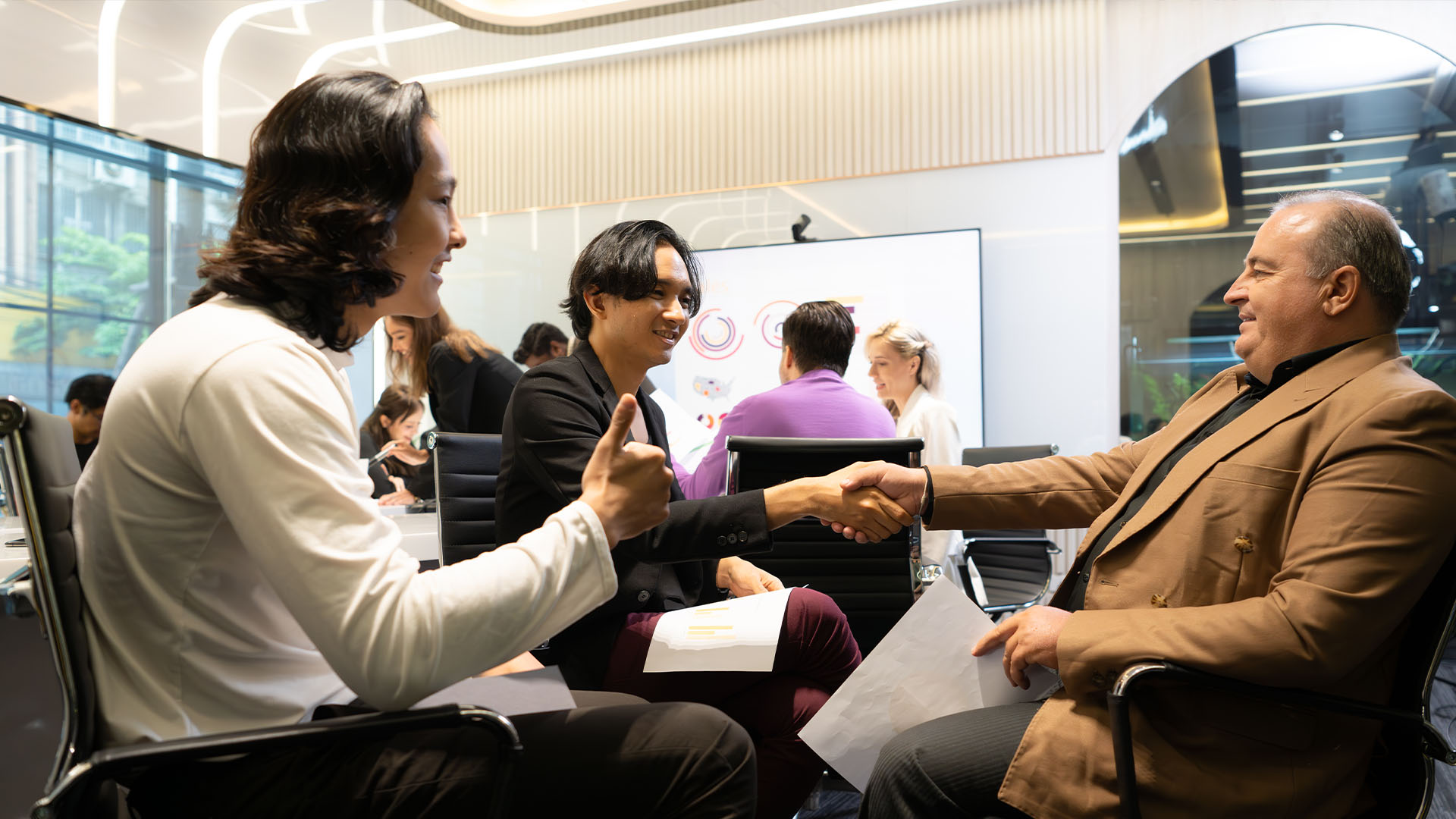
- Meet industry professionals and independent filmmakers shaping the sector today.
- Examine what it takes for a regional film industry to compete on the world stage.
Understanding the Cultural and Creative Context
- Learn from film industry associations and creative-sector bodies about the challenges facing the industry.
- Explore the heritage, language and everyday life that shape Hong Kong storytelling.
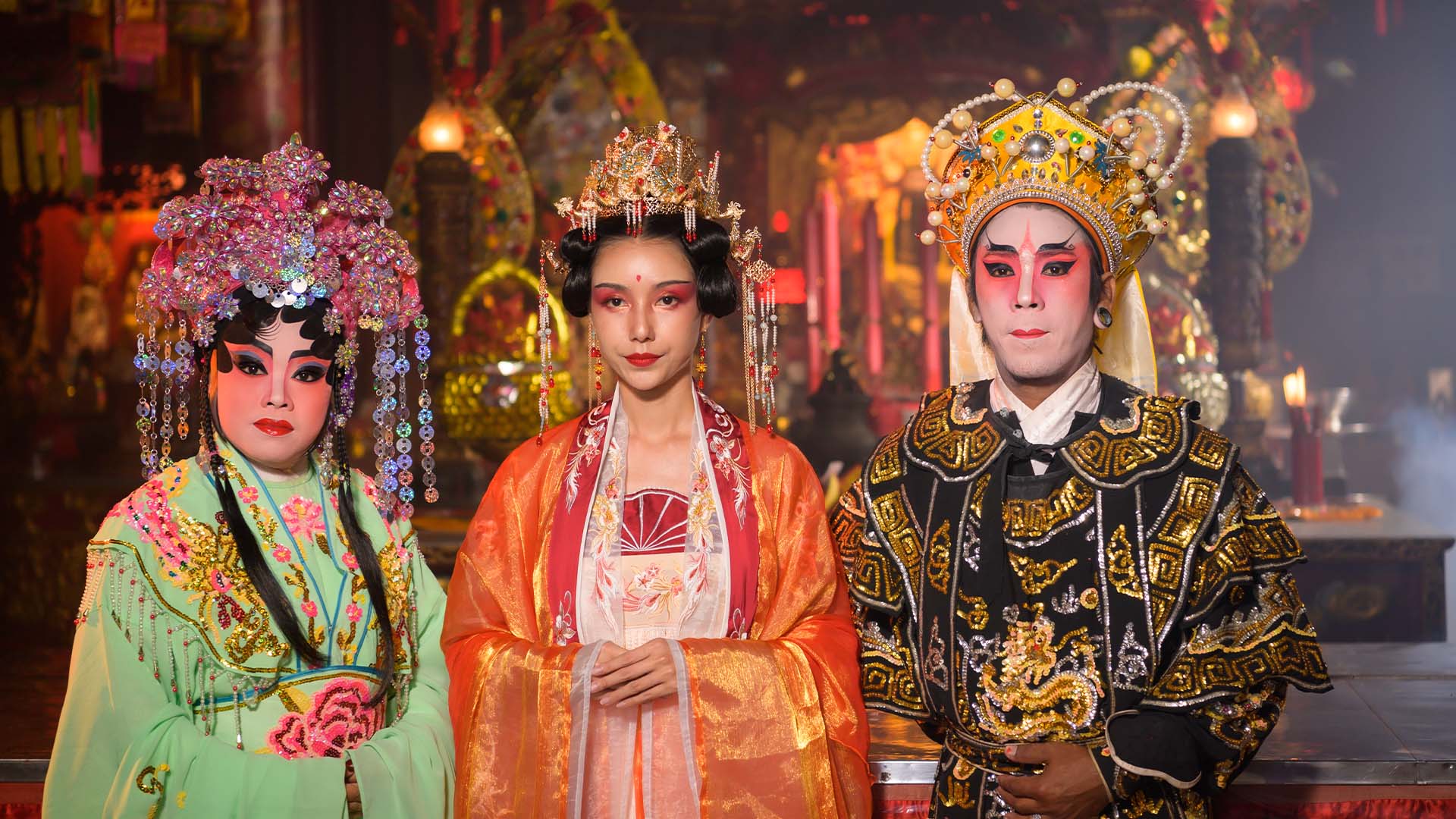
- Attend screenings and a traditional Cantonese-opera performance to connect cinema with its cultural roots.
Impact
UN Sustainable Development Goals in Action for this Program
SDG 4: Quality Education
- Delivers experiential film education through archives, studios, screenings and expert-led sessions that a classroom alone cannot provide.
- Build research and critical-analysis skills through collaborative and problem-based projects.
SDG 8: Decent Work and Economic Growth
- Examine the film and creative industries as engines of employment and economic growth.
- Studies how a regional creative sector sustains livelihoods and competes globally.
SDG 9: Industry, Innovation and Infrastructure
- Explores film production, studios and post-production as a model of creative-industry innovation.
- Studies the networks and infrastructure that let a compact city build a world-class film industry.
SDG 11: Sustainable Cities and Communities
- Engages heritage museums, historic neighborhoods and cultural landmarks to understand cultural preservation.
- Examine how a dense urban culture sustains living traditions, from cinema to Cantonese opera.
Beyond the Classroom
Program Highlights
What You'll Take Home
Learning Outcomes
Film History and Analysis
Understand the evolution of Hong Kong cinema, from its golden age and the New Wave to the present day.
The Business of Film
Examine the film and creative industries and what it takes for a regional sector to compete globally.
Cultural and Contextual Understanding
Explore the heritage, language and social forces that shape Hong Kong storytelling.
Cross-Cultural Competency
Live and learn in a dynamic global city and build the intercultural skills essential for creative careers.
Day by Day
Sample Itinerary
Program services and inclusions are curated based on the faculty's learning objectives and may vary by cohort. The structure below is representative; the day numbers are approximate, and the timing of visits, screenings and free time may shift.
Arrival in Hong Kong
Group arrival and hotel check-in, followed by a program orientation and safety briefing and a group welcome dinner.
Meals: DNeighborhood and Film History
A walking tour of Central, Soho and the Mid-Levels and a guest lecture on Hong Kong history, then a food-and-film walking tour of Sham Shui Po and a visit to a public-housing heritage museum.
Meals: B, LKowloon and the Screen
A morning organization visit, an afternoon walking tour of Kowloon's food streets and markets, and a group film screening at an arthouse cinema.
Meals: B, LIndustry and Ideas
A morning organization visit, an afternoon guest lecture on Chinese philosophy in film, and an alumni mixer with dinner.
Meals: B, DHeritage and Screenings
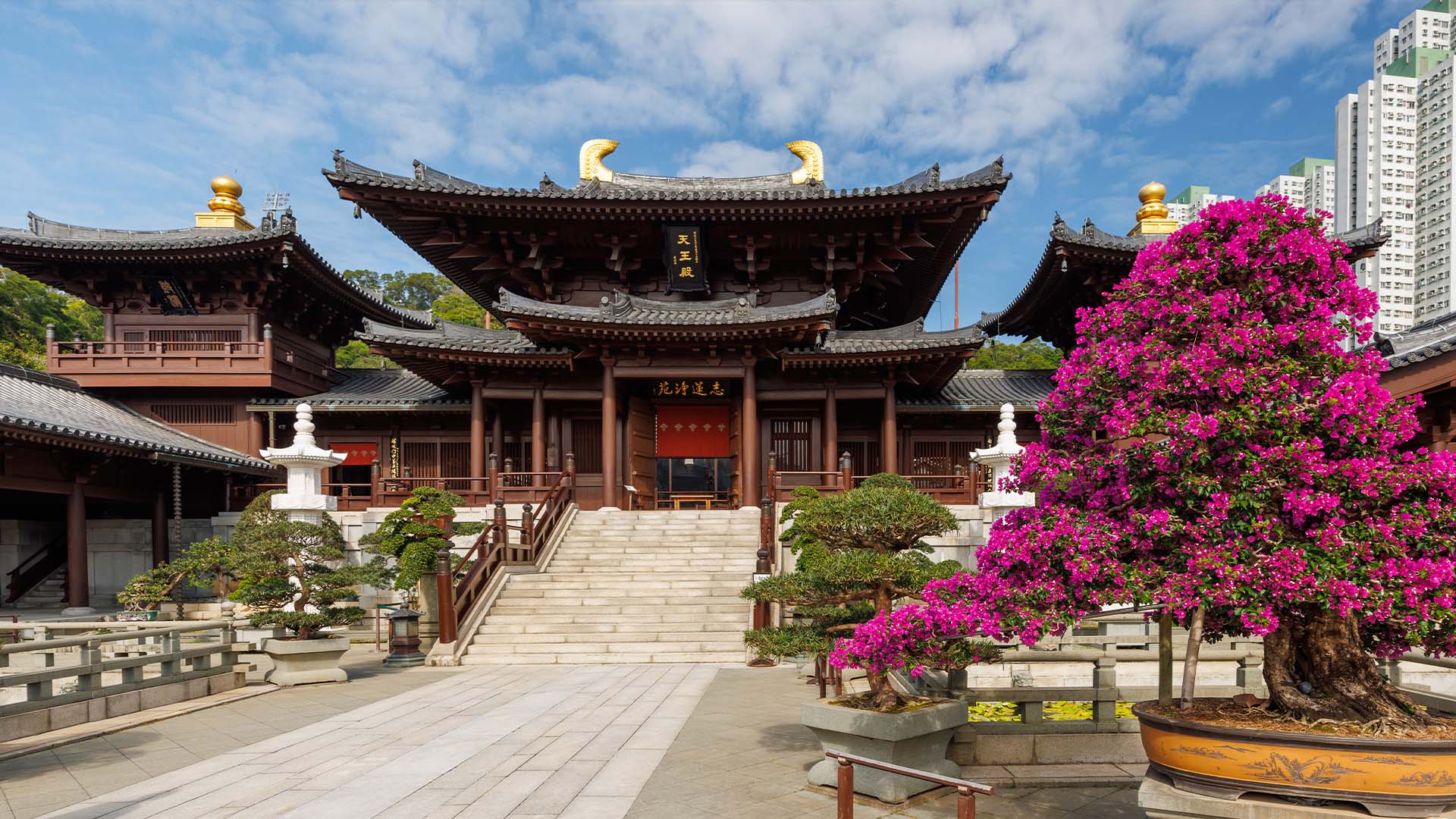
Guided visits to the Chi Lin Nunnery and a heritage museum, followed by an evening film screening.
Meals: BLantau Island
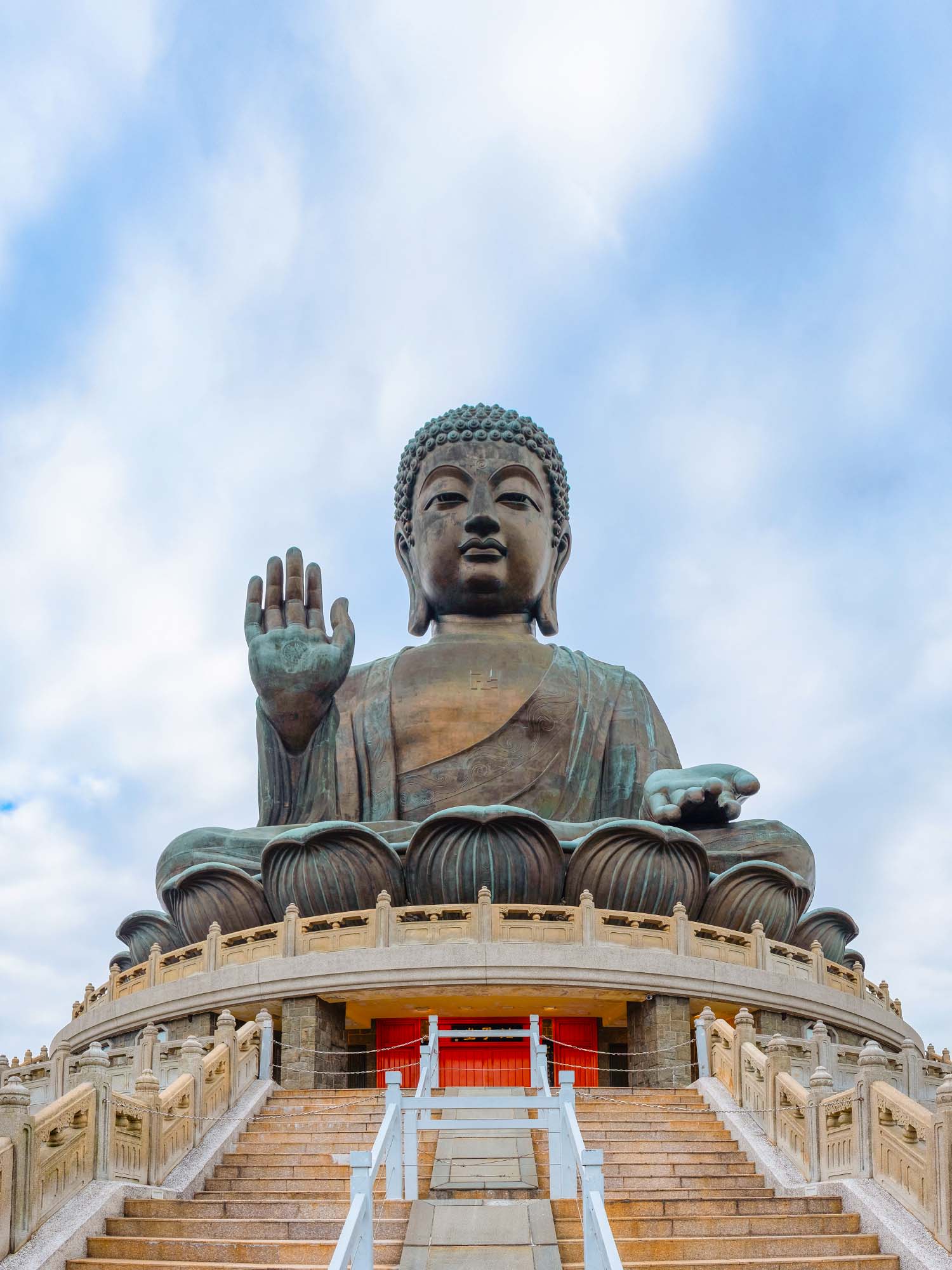
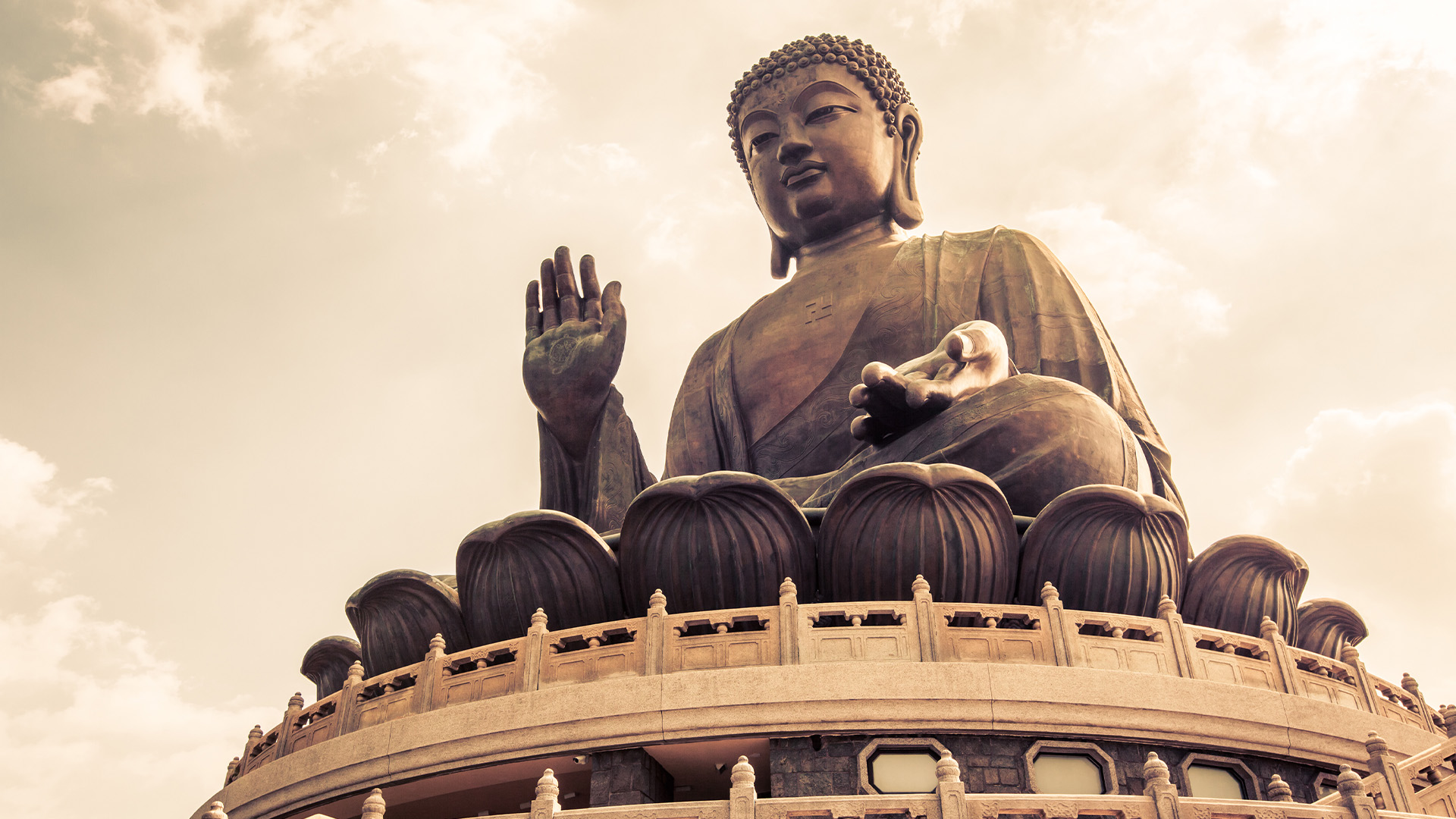
A walking tour of Lantau Island, home to the Big Buddha (Tian Tan Buddha), with lunch.
Meals: B, LArchives and Film
A morning of free time, an afternoon organization visit, and an evening at the city's film archive with a screening.
Meals: BIndustry and Opera
An afternoon organization visit and an evening Cantonese-opera performance.
Meals: BReflection and Farewell
A free day for independent exploration and a group farewell dinner.
Meals: B, DScreenings and Free Time
Time for film screenings and independent exploration of the city.
Meals: BDeparture
Check-out and onward travel.
Meals: BAt a Glance
Program Snapshot
Meals Included
Sustainability
On-Ground Support
Insurance
Investment
Pricing & Inclusions
Program Cost
From USD $2,360*
≈ AUD $3,300 (approx.)
per participant · twin-sharing basis
Per-participant pricing scales with group size; single-occupancy rooms are available at additional cost. Pricing is quoted in USD; AUD amounts are indicative and based on current exchange rates.
Request a customized quote*Costs may vary depending on group size, program inclusions, number of program days, and other factors. Please contact us for a customized quote.
What's Included
- Accommodation for 10 nights in a centrally located hotel near Victoria Harbour on a bed and breakfast basis (Wi-Fi, gym and pool access included)
- A multi-day public-transport card for organization visits and cultural immersions
- Group meals — 11 breakfasts, 3 lunches and 3 dinners (including an alumni dinner)
- Coordination of organization and studio visits
- Guided cultural tours with English-speaking guides
- Film screenings and cultural performances per the itinerary
- 24x7 on-ground support by an Authentica Program Manager
- Carbon offset for all participants (certificates provided)
- Tips for guides and all applicable taxes
Good to Know
FAQs About the Program
1. What is the best faculty-led study abroad program in Hong Kong for film studies students?
"Hong Kong Cinema: Film History and the New Wave" is an 11-day faculty-led study abroad program for film-studies, media and East Asian studies students. It combines visits to film archives, studios and production houses with guest lectures, screenings and cultural immersion across Hong Kong, from Central and Kowloon to Lantau Island.
2. When is the best time of year to run a study abroad program in Hong Kong?
The cooler, drier months from around October to March are an excellent window to run this program in Hong Kong, offering mild, comfortable weather for walking tours, film-location visits and island excursions. The program can be scheduled to fit your university's academic calendar.
3. Do students need a visa for Hong Kong?
Visa requirements for Hong Kong vary by nationality; many international students, including U.S. travelers, can enter visa-free for short stays, while others need a visa arranged in advance. Requirements should be checked early. Authentica provides pre-departure guidance, though obtaining any required visa remains the participant's responsibility.
4. Which organizations and sites does the program engage, and how does the group travel around the city?
The program engages film archives, studios, production houses and industry associations, alongside public landmarks such as the city's waterfront film promenade, Lantau Island and its heritage museums. Hong Kong's compact size and excellent public-transport network mean the group travels efficiently by metro, tram and on foot, with a multi-day transit card included.
5. What is included in an Authentica faculty-led study abroad program?
An Authentica faculty-led program includes accommodation, a public-transport card, coordination of organization and studio visits, guided cultural experiences, screenings, group meals, carbon offset, and 24x7 on-ground support from a dedicated Authentica Program Manager. Faculty lead the academics while Authentica manages every logistical and safety detail.
6. What are the accommodation and meals like?
Students stay in a centrally located Hong Kong hotel near Victoria Harbour on a twin-share, bed and breakfast basis, with Wi-Fi, gym and pool access. The program includes 11 breakfasts, 3 lunches and 3 dinners (including an alumni dinner), with dietary preferences accommodated.
7. What should students know about money, cards and tipping?
The local currency is the Hong Kong dollar. Cards are widely accepted across the city, and a public-transport card covers program travel. Tipping is modest in Hong Kong — a service charge is often already added in restaurants — and tips for guides are included in the program.
8. Is Hong Kong safe for university study abroad groups, and how is risk managed?
Hong Kong is one of the safest and most convenient cities in Asia for study abroad groups, with ordinary travel precautions the main consideration. Authentica provides 24x7 on-ground support through a dedicated Program Manager, a Day 1 orientation and safety briefing, a program-specific risk management plan, and carries US$5M commercial general liability and US$1M errors and omissions insurance.
Interested in a Similar Program?
Contact us at info@authentica.com to design a faculty-led immersion around your objectives.