

Building Spain: Architecture, Urbanism, and Heritage from Madrid to Barcelona
- Madrid · Granada · Seville · San Sebastian · Zaragoza · Barcelona
Sustainable Development Goals in Action


Program Overview
Spain offers one of the world’s most layered architectural landscapes — a country where Roman foundations, Moorish palaces, Gothic cathedrals, Catalan Modernisme, and cutting-edge contemporary interventions sit side by side, often within the same city block. From the Alhambra in Granada to Gaudí’s Sagrada Família in Barcelona, Spain is a living textbook for students of architecture, urban design, and cultural heritage.
This program takes students through six culturally distinct Spanish regions to study how architecture and urbanism shape — and are shaped by — climate, politics, religion, and economy. Students engage directly with leading architectural institutes, working studios, schools of architecture, and cultural foundations, while exploring UNESCO World Heritage sites, contemporary museums, and adaptive-reuse projects that are redefining the relationship between historical preservation and modern design.
Beyond formal study, students immerse themselves in Spain’s extraordinary cultural fabric — the Andalusian craftsmanship of Seville and Cordoba, the Basque culinary capital of San Sebastian, the modernist exuberance of Barcelona, and the everyday rhythms of Spanish urban life. The result is a program that develops technical fluency in architectural analysis alongside the cultural literacy that defines a globally aware design professional.
Key Program Elements
Gain key insights into architecture, urbanism, and heritage in Spain.
- Explore Spain’s architectural evolution from Roman and Moorish foundations through Gothic, Renaissance, Modernist, and contemporary design at landmarks including the Alhambra, the Mosque-Cathedral of Cordoba, the Royal Alcazar of Seville, and Gaudí’s Sagrada Família.
- Engage with leading Spanish architectural institutes, working studios, and architecture schools to understand how the profession is taught, organized, and practiced today.
- Study contemporary interventions — from adaptive-reuse projects in repurposed industrial spaces to flagship cultural foundations — and their integration with historical urban fabric.
- Examine sustainable urban development through projects like the Madrid Rio transformation, Barcelona’s superblock urbanism, and architecturally significant winery designs in La Rioja.
Build skills in architectural analysis, cross-cultural design thinking, and site-based research.
- Develop analytical skills through structured site visits and guided tours led by architects, urbanists, and cultural heritage experts.
- Reflect on the tensions between historic preservation, contemporary design, and the social impact of urban transformation in Spanish cities.
- Apply cross-cultural design thinking and field-research methods relevant to careers in architecture, urban planning, landscape architecture, and design practice.
- Understand how regional identity — Andalusian, Castilian, Basque, Catalan — shapes architectural language and urban form across a single country.
Hands-on Experience of Spain’s Cultural and Architectural Heritage
- Visit UNESCO World Heritage sites including the Alhambra and Generalife in Granada, the Mosque-Cathedral of Cordoba, the Royal Alcazar of Seville, and Gaudí’s works in Barcelona.
- Experience three of Spain’s most distinct regional cultures — Andalusia, the Basque Country, and Catalonia — through their food, music, urban life, and architectural traditions.
- Attend a performance at one of Spain’s celebrated opera houses or concert halls, and explore historic museums including the Reina Sofia, Picasso Museum, and Guggenheim Bilbao.
- Take in architecturally significant wineries in La Rioja, modernist masterpieces along Barcelona’s Passeig de Gracia, and the Roman ruins of Merida.
Which UN SDGs does this program advance?
SDG 4: Quality Education
- The program delivers transformative learning through direct engagement with architects, urbanists, and heritage professionals across Spain.
- Students examine how architectural education is structured at leading Spanish institutions and how it shapes practice across diverse regional contexts.
SDG 8: Decent Work and Economic Growth
- Students explore Spain’s architectural industry and its contribution to the wider creative economy, including its role in cultural tourism and urban regeneration.
- The program examines how architectural innovation drives economic development and creates skilled employment in design, construction, and heritage management.
SDG 11: Sustainable Cities and Communities
- The program analyzes sustainable urban development practices through projects in Madrid, Barcelona, and Bilbao that integrate historic preservation with modern infrastructure.
- Students study public space design, transportation infrastructure, and community integration — examining how Spanish cities balance growth with quality of life.
SDG 12: Responsible Consumption and Production
- Students examine adaptive reuse of historical structures and the use of sustainable materials in modern Spanish construction.
- The program explores energy-efficient building design and circular-economy principles applied to urban development across diverse Spanish regions.
Program Highlights
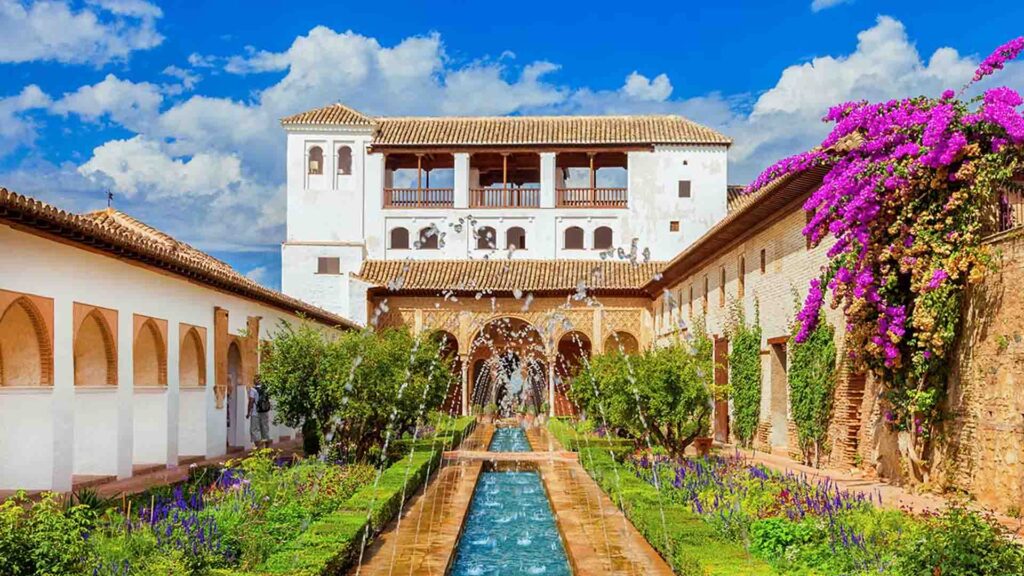
Alhambra Palace Complex & Generalife Gardens (Granada)
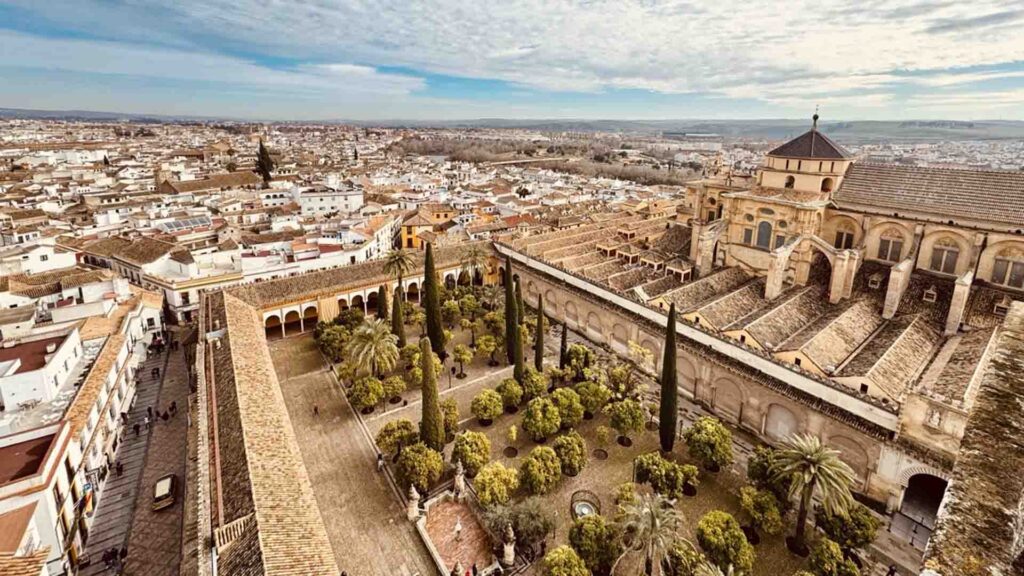
Mosque-Cathedral of Cordoba
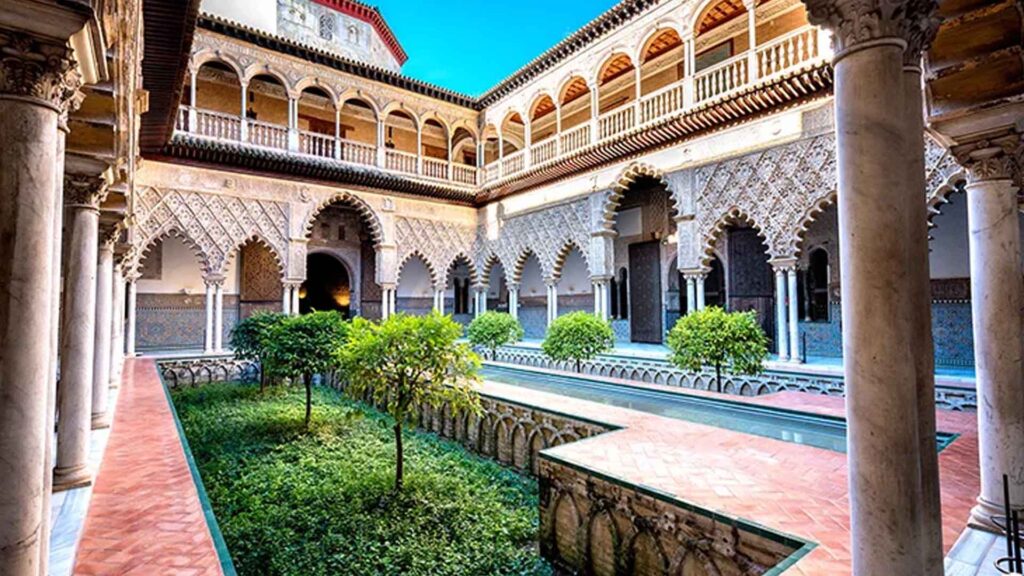
Royal Alcazar of Seville
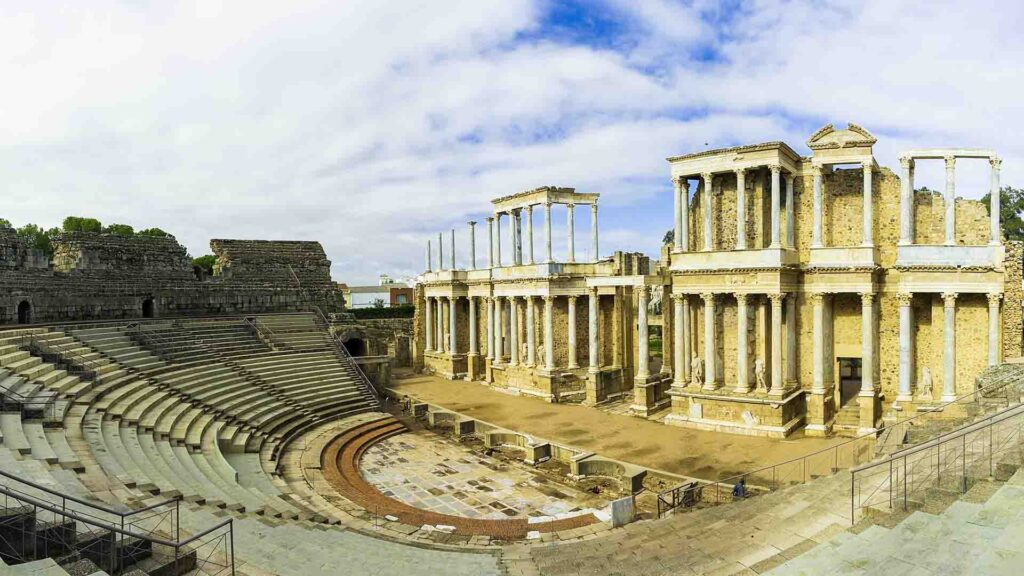
Roman Theatre and Ruins of Merida
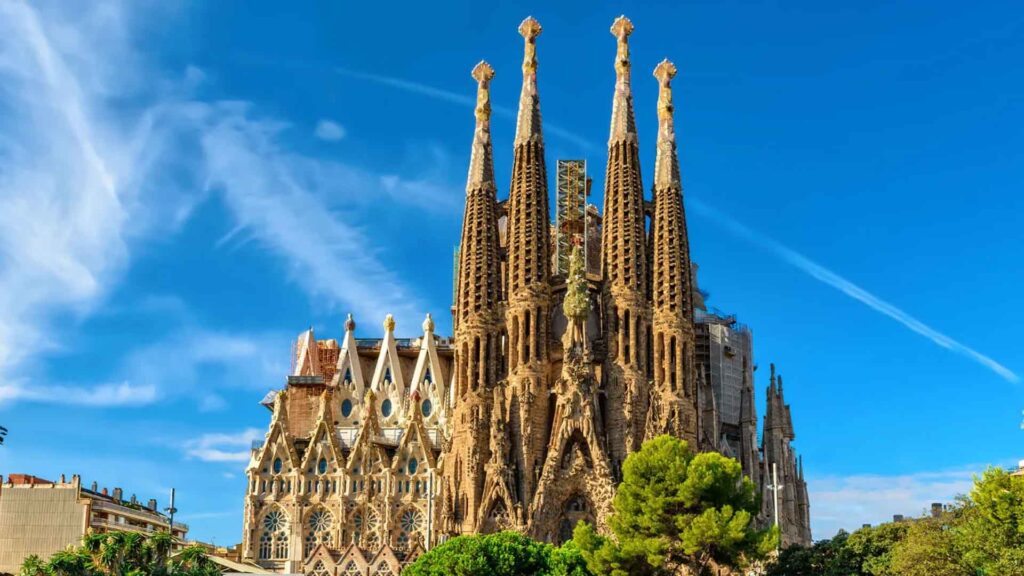
Gaudí's Sagrada Família, Park Güell, Casa Milà, Casa Batlló & Casa Vicens (Barcelona)
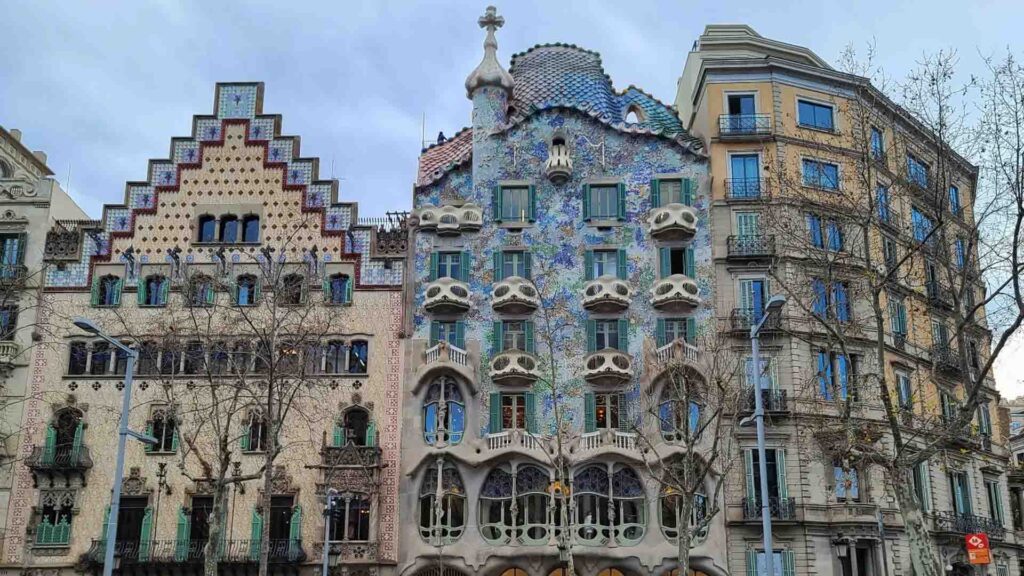
Block of Discord — Casa Amatller & Casa Lleó Morera (Barcelona)
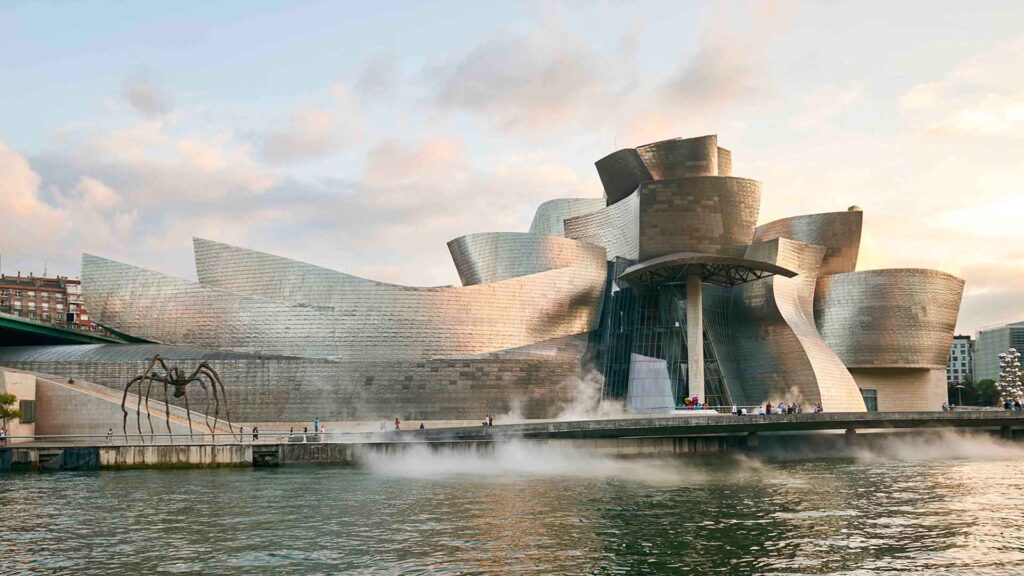
Guggenheim Bilbao & Bilbao Museum of Fine Arts
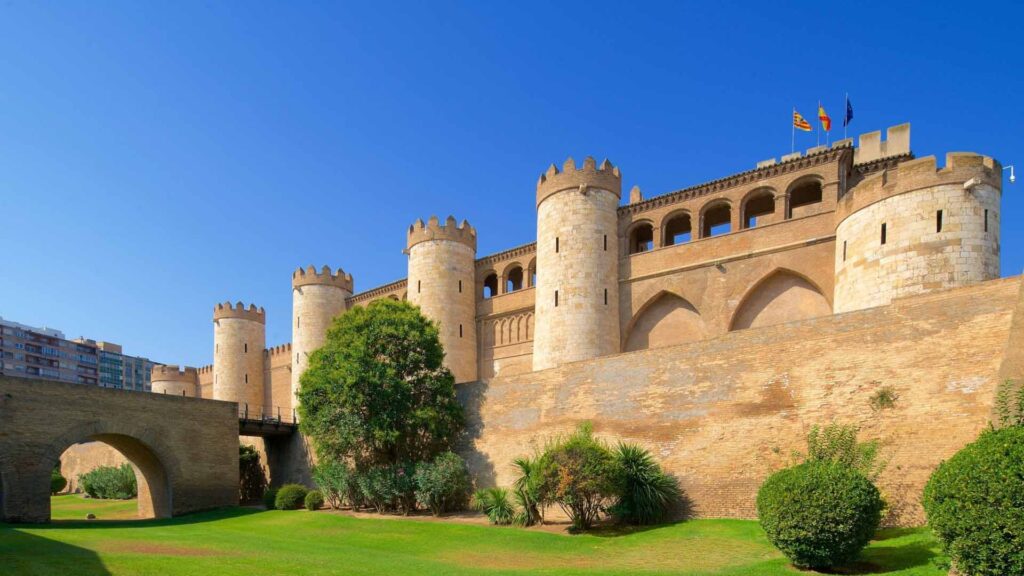
Aljafería Palace (Zaragoza)
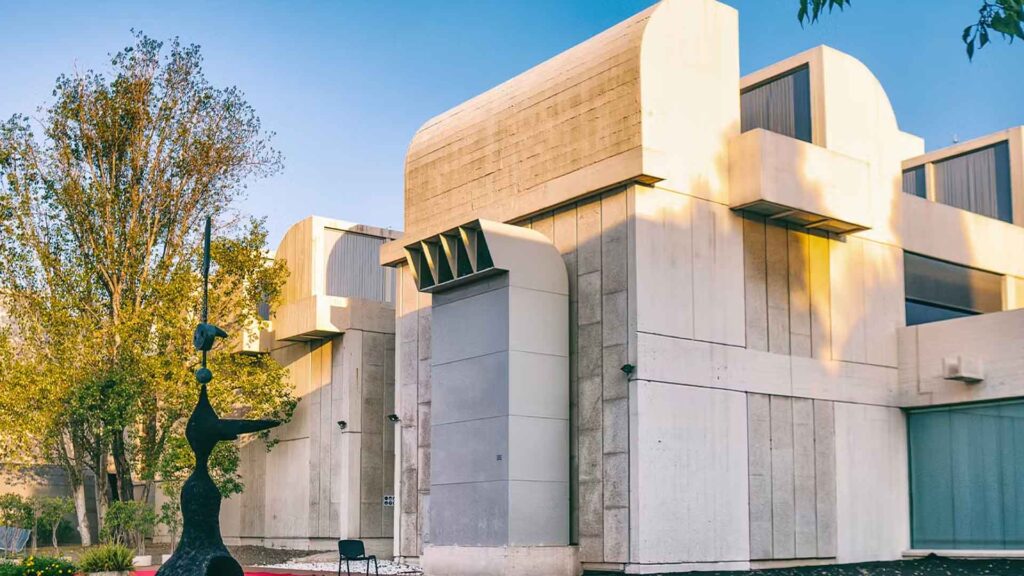
Reina Sofía, Picasso Museum & Joan Miró Foundation
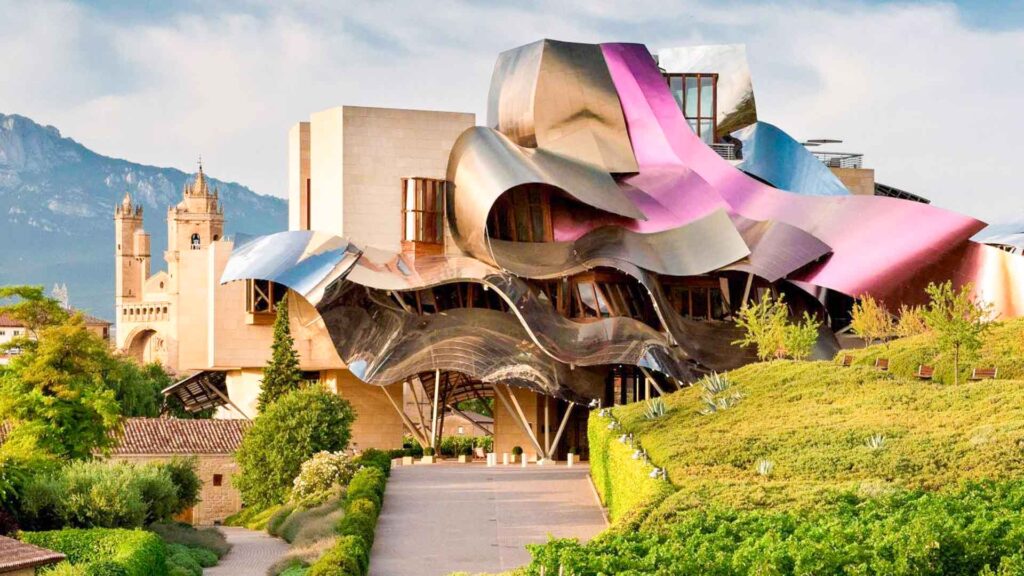
Architecturally significant La Rioja wineries
What will you learn?
(Learning outcomes)
Architectural Analysis & Heritage Preservation
Understand how Spain’s layered architectural history — Roman, Moorish, Gothic, Modernist, contemporary — is read, preserved, and reinterpreted, and how heritage strategies inform urban design today.
Skills Developed:
Architectural Analysis, Heritage Literacy
Sustainable Urbanism & Design Thinking
Build the analytical framework to evaluate contemporary urban interventions — adaptive reuse, public space design, transportation infrastructure — and the sustainability principles that underpin them.
Skills Developed:
Urban Analysis, Sustainable Design
Cross-Cultural Design Engagement
Develop the ability to engage meaningfully with architects, urbanists, and heritage professionals across Spain’s distinct regional cultures, from Andalusia to the Basque Country to Catalonia.
Skills Developed:
Cross-Cultural Communication, Site-Based Research
Global Citizenship & Architectural Practice
Connect Spain’s architectural story to broader questions of identity, history, and sustainable development — and reflect on your own emerging role as a designer or planner in a global context.
Skills Developed:
Reflective Practice, Global Awareness
Program Itinerary
Day 1
Madrid — Group arrival at Madrid Barajas Airport, transfer and check-in to accommodation. Evening: Welcome Dinner and orientation led by the Authentica Program Manager
Day 2
Madrid — Morning: Visit to an innovative architectural school and guided tour of a national cultural heritage institute. Afternoon: Visit to a contemporary religious architecture site and a modern architectural pavilion (if time permits).
Day 3
Madrid → Granada — Morning: Visit to a notable parish church in Madrid. Afternoon: Drive to Granada with a stop at the historic El Bañuelo Arab baths, followed by an evening visit to the Alhambra Palace Complex and Generalife Gardens. Evening: Group dinner.
Day 4
Granada → Seville — Morning: Guided tour of a Granada cultural center. Afternoon: Drive to Cordoba to visit a contemporary art creation center and the iconic Mosque-Cathedral of Cordoba. Evening: Drive to Seville and check in to accommodation.
Day 5
Seville — Morning: Visit to a leading cultural foundation venue and a guided tour of the Expo 1992 grounds, exploring adaptive reuse of pavilion architecture. Afternoon: Royal Alcazar of Seville and a Guadalquivir River boat tour. Evening: Free time.
Day 6
Free day in Seville for personal exploration, journaling, or independent study.
Day 7
Seville → Madrid — Morning: Drive to Merida to visit the Roman Theatre ruins and the Merida Roman Art Museum. Afternoon: Guided tour of a contemporary conference center in Villanueva de la Serena, followed by a drive to Toledo for a visit to a contemporary architectural conference center. Evening: Drive back to Madrid for group dinner and check-in.
Day 8
Madrid — Morning: Guided tours of a world-renowned contemporary architecture institute and Madrid's college of architects. Afternoon: Visits to a Spanish illustration museum and the Almudena Cathedral, followed by a guided backstage tour of a celebrated Spanish opera house. Evening: Opera performance.
Day 9
Madrid — Morning: Visit to a contemporary art space. Afternoon: Visits to a specialized museum, a leading cultural foundation's Madrid venue, the Reina Sofia National Art Museum, and a guided tour of Spain's largest distance-learning university campus. Evening: Free time.
Day 10
Madrid → San Sebastian — Morning: Check-out and transfer to the train station; board the morning train to San Sebastian. Evening: Free time on arrival.
Day 11
San Sebastian — Morning: Guided tours of a specialized music conservatory and an innovative charter school, plus a visit to the modernist IESU Church (Rafael Moneo). Afternoon: San Telmo Museum and a guided tour of the iconic Kursaal Congress Centre (Rafael Moneo). Evening: Group dinner.
Day 12
Free day in San Sebastian — explore the old town, beaches, or pintxos bars at your own pace.
Day 13
San Sebastian / Bilbao day trip — Morning: Guided tour of a regional music conservatory; drive to Bilbao to visit the Bilbao Museum of Fine Arts and a contemporary art gallery. Afternoon: Guggenheim Bilbao and the Balenciaga Museum. Evening: Drive back to San Sebastian.
Day 14
San Sebastian → Zaragoza — Morning: Guided tour of a renowned Basque culinary institute (with breakfast). Afternoon: Guided architecture tours of two architecturally celebrated La Rioja wineries. Evening: Group dinner and check-in to accommodation in Zaragoza.
Day 15
Zaragoza — Morning: Guided tour of the Zaragoza Palace of Congress. Afternoon: Guided tour of the Expo 2008 grounds. Evening: Free time.
Day 16
Zaragoza — Morning: Guided tour of the Aljafería Palace (Islamic and Christian architecture); visit to a leading cultural foundation venue and an optional bullring visit. Afternoon and evening: Free time.
Day 17
Zaragoza → Barcelona — Morning: Visit to the Igualada Cemetery (Enric Miralles, exterior) and Gaudí's Colònia Güell crypt and church. Afternoon: Guided tour of a celebrated Spanish architect's studio (housed in a repurposed cement factory) and drive to Barcelona. Evening: Concert at a historic Catalan concert hall.
Day 18
Barcelona — Full-day Gaudí and Modernisme tour: Palau Güell, Casa Milà (La Pedrera), Casa Batlló, Casa Amatller, Casa Lleó Morera, a contemporary art museum dedicated to Antoni Tàpies, MACBA, Barcelona Cathedral, and Gaudí's Casa Vicens. (Logistics adapted to group size.)
Day 19
Free day in Barcelona — optional self-guided visits to landmarks not covered on the previous day.
Day 20
Barcelona — Morning: Visit to a leading cultural foundation venue, the Barcelona Pavilion (Mies van der Rohe), and the Museu Nacional d'Art de Catalunya (MNAC). Afternoon: Joan Miró Foundation. Evening: Free time.
Day 21
Barcelona — Morning: Visits to notable Catalan Modernist residences and the Torre Glòries observation deck. Afternoon: Picasso Museum and the Basilica de Santa Maria del Mar. Evening: Free time.
Day 22
Barcelona — Morning: Park Güell and the Hospital de Sant Pau modernist complex. Afternoon: Sagrada Família visit (with tower entry). Evening: Farewell dinner.
Day 23
Check-out and departure from Barcelona Airport.
Program Snapshot
- Meals Included
19B / 6D
- Carbon Offset
~3.2 tCO₂ / participant
- On-Ground Support
24×7 Authentica PM
How much does the Spain program cost?
- *COST: From USD $3,790 ~ AUD $5,300
*Costs may vary depending on group size, program inclusions, number of program days, and other factors. Please contact us for a customized quote.
Inclusions
- Pre-departure orientation sessions
- Guided architectural & cultural tours by English-speaking professionals
- Site visits, architectural firm engagements & guest expert sessions
- Cultural immersions across six Spanish regions
- Accommodation (bed & breakfast, Wi-Fi) for 22 nights / 23 Days
- 19 breakfasts & 6 group dinners
- Private AC coach transport, one-way Madrid–San Sebastian train & pre-loaded public transport cards in 5 cities
- 24×7 on-ground support by Authentica PM
- Carbon offset ~3.2 tCO₂ per participant via TerraBlu (certificates provided post-program)
- Entrance tickets to museums, palaces & UNESCO World Heritage sites as per the itinerary
- One-way airport transfer
- Tips for all guides and drivers, plus all applicable taxes
FAQs About the Program
Contact Authentica or your university’s study abroad office to discuss whether a future cohort is being planned. If your institution is interested in running a similar custom program, Authentica will work with your faculty to co-design an itinerary aligned with your learning objectives and academic calendar.
This program is purpose-built around the academic themes of architecture, urbanism, and heritage, with every site visit and engagement designed to deliver specific learning objectives. Students leave with applied skills in architectural analysis and site-based research, exposure to one of the world’s richest architectural laboratories, and a deep contextual understanding of Spanish design culture — directly relevant to careers in architecture, urban planning, landscape architecture, design, heritage management, and the broader creative economy.
Authentica collects dietary requirements from all participants in advance of the program. All dining venues are pre-vetted, and group meals are arranged to accommodate vegetarian, vegan, halal, and other dietary preferences. Spain’s regional cuisines offer rich options across all dietary needs.
Students engage with architects, urbanists, heritage professionals, school faculty, and cultural foundation staff across Spain’s distinct architectural regions. These connections provide a foundation for ongoing engagement with European design and heritage practice and for career exploration in international architecture and urbanism.
Academic credit is awarded only by the home institution, not by Authentica, and credit policies vary from university to university. Check with your study abroad office or academic advisor to confirm whether a program qualifies for credit at your institution.
Authentica maintains a comprehensive Health, Safety, and Security Framework covering destination risk analysis, real-time monitoring, vetted local partners, and emergency response protocols. A dedicated Authentica Program Manager accompanies the group throughout, providing 24×7 on-ground support. Authentica holds a General Liability Insurance Policy with Liberty (US$2M global coverage) and an Errors & Omissions policy (US$1M+). Spain is consistently ranked among Europe’s safest destinations for international student travel.
It suits students in architecture, urban planning, design, civil engineering, art history, and related fields.
Ready To Take Action?
If you are ready to take your study experience to new heights, kindly fill out the “Apply Now” form or submit your inquiry through the “Inquire Now” form. Rest assured, we will promptly reach out to you.
Need help? Contact us at info@authentica.com