Circular Economy: Local Practices and Global Implications
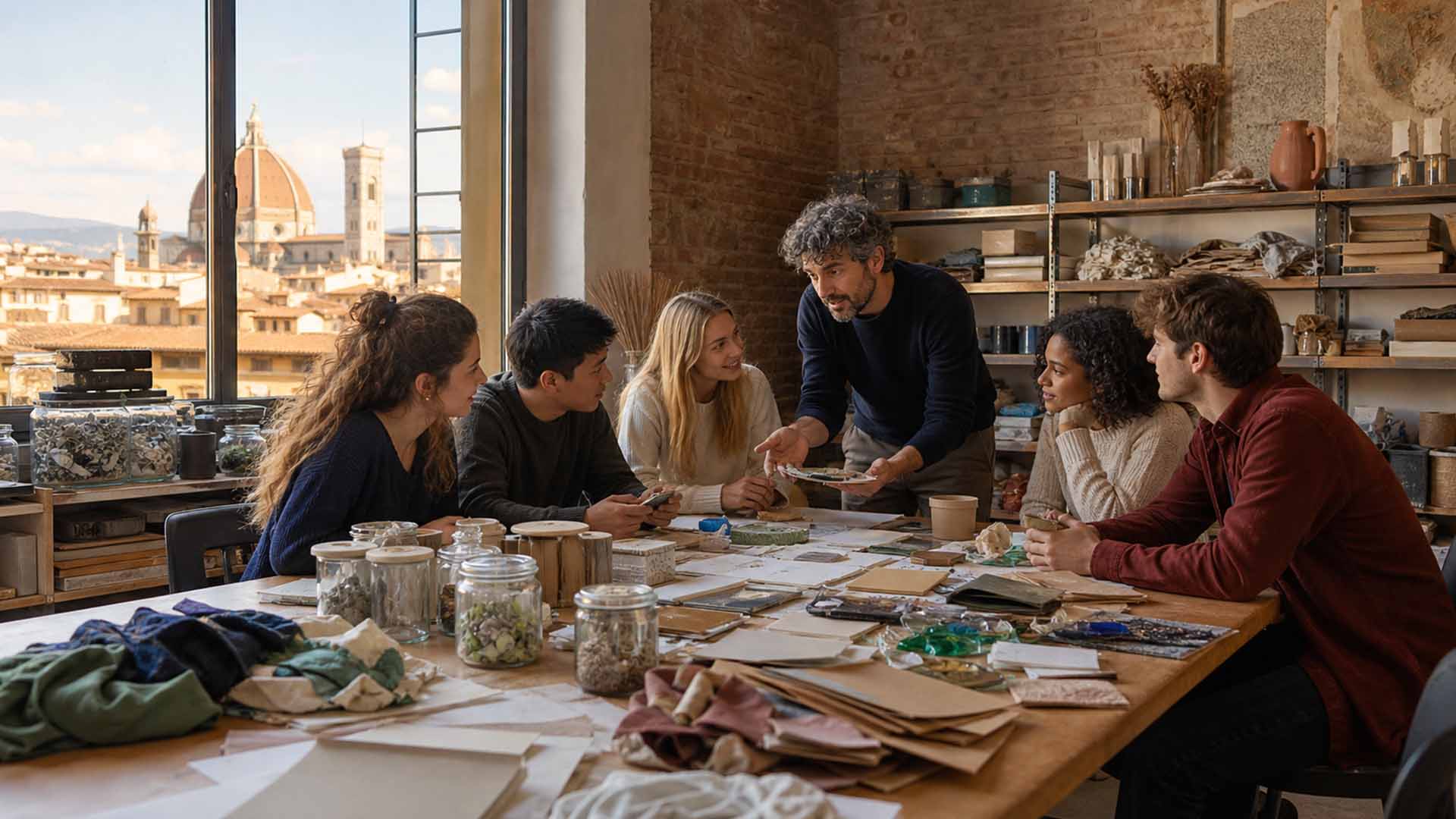
This course explores the principles and applications of the circular economy, emphasizing Italy’s innovative approaches to sustainable production and consumption. While grounded in economic and environmental theory, the course focuses on real-world case studies from across Italy—particularly Florence and the Tuscany region, which are rapidly becoming laboratories of circular innovation in areas such as textiles, food systems, and design. Students will investigate how local and national efforts in circularity are shaping broader conversations around sustainability, policy, design, and business transformation. Emphasis is placed on systemic thinking, life-cycle analysis, and the economic, social, and ecological implications of circular models. Florence’s legacy in artisanal craftsmanship and contemporary sustainable fashion provides a compelling environment to explore local solutions with global relevance.
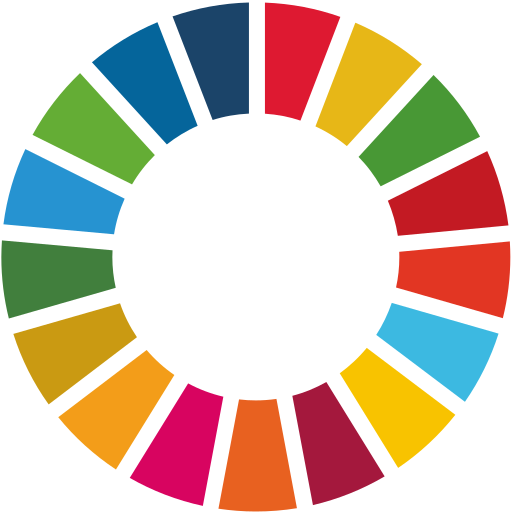
The circular economy is the operational engine of SDG 12 (Responsible Consumption & Production). The course also advances SDG 8 (Decent Work) through new green-economy jobs, SDG 9 (Industry, Innovation & Infrastructure) via product redesign and material flows, SDG 11 (Sustainable Cities) in urban metabolism, and SDG 13 (Climate Action) by reducing extractive emissions.
5 Key SDGs Addressed
By the end of this course, students will be able to:
The course moves from the foundations of circular thinking through industrial design, business models, regional case studies, and the policy frameworks driving Europe's circular transition.