
Sustainability & Tradition in Culinary Culture
Spain's culinary heritage is globally celebrated for its regional diversity, agricultural richness, and cultural symbolism. Yet this heritage is increasingly impacted by climate change, industrial food systems, and shifting consumption patterns. This course explores how Spain's gastronomic traditions both shape and are shaped by contemporary sustainability efforts.
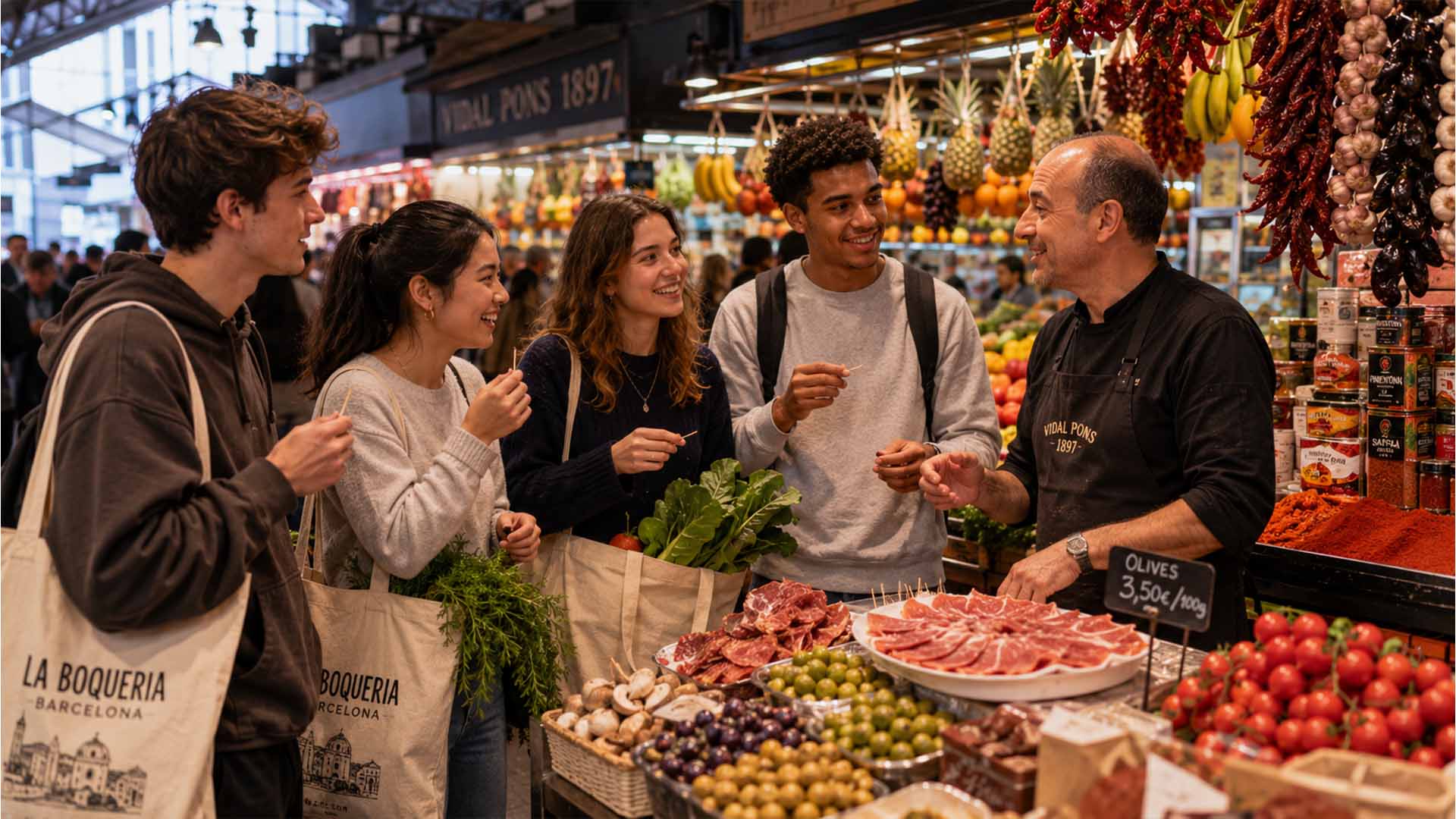
Using Spain as a living classroom, students will investigate how regional foodways—such as olive cultivation, seafood traditions, and local wine production—interact with social and ecological sustainability. Topics will include the preservation of food heritage, Slow Food practices, urban agriculture, food justice, and culinary tourism. Through field-based learning, cooking sessions, and engagement with producers and chefs, students will develop a critical and experiential understanding of what a sustainable food system means in the Spanish context.

Spanish foodways serve as a living laboratory for the 2030 Agenda. The course most directly engages SDG 2 (Zero Hunger) through agricultural biodiversity and food security, SDG 12 (Responsible Consumption and Production) via ethical consumerism and the Mediterranean Diet, SDG 15 (Life on Land) through soil and seed conservation, SDG 8 (Decent Work and Economic Growth) for fair producer livelihoods, and SDG 11 (Sustainable Cities and Communities) through local food systems.
5 Key SDGs Addressed