Semiconductors and Engineering
Innovation in South Korea
Circuit Design, Human-Centered Engineering and a University Residency across Seoul, Pohang and Busan
 South Korea
STEM
44 Days / 43 Nights
South Korea
STEM
44 Days / 43 Nights
Sustainable Development Goals in Action
The Destination
Program Overview
This faculty-led engineering study abroad program in South Korea is a six-week immersion for engineering, electrical and computer engineering, and STEM students. It centres on a multi-week academic residency at one of Asia's premier engineering universities — circuit design and semiconductor manufacturing — with visits to major Korean technology companies and a community human-centred design project, across Seoul, Gyeongju, Pohang, Ulsan and Busan.
South Korea is the world's most connected nation, with near-universal internet access and global leadership in 5G, making it an exceptional destination for students of circuits and advanced electronics. It is home to Korean tech giants that together hold more than 40 percent of the global semiconductor market, alongside some of the world's most advanced research institutions in electrical engineering and circuit design. Few places let engineering students learn where so much of the world's technology is actually made.
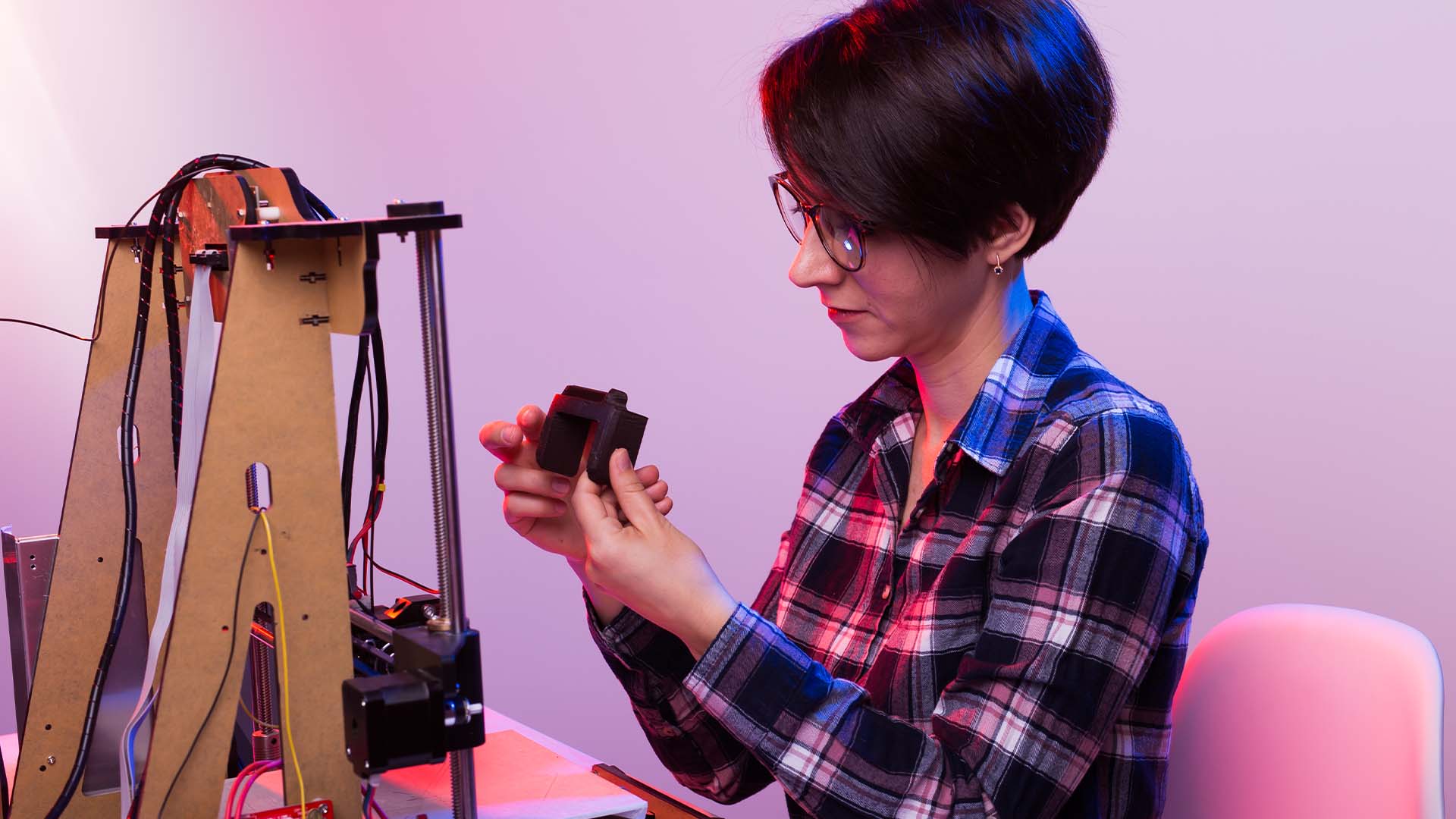
At the core of this faculty-led program is a multi-week academic residency at one of Asia's premier engineering universities, where students study circuit design, semiconductor manufacturing, and the latest developments in electronics. The residency is paired with hands-on industry visits and a human-centered community design project, in which small teams integrate circuitry, sensors, and 3D-printed components to address authentic local needs in areas such as assistive technology, accessibility, and sustainability.
Woven through the program is deep cultural immersion — a Buddhist temple stay, traditional cooking and K-pop dance classes, the UNESCO heritage of ancient Gyeongju, and a visit to the DMZ — alongside hands-on professional work such as a human-centered community design project. Moving across Seoul, Gyeongju, Pohang, Ulsan, and Busan, students build strong skills in engineering practice, human-centered design, cross-cultural competency, and responsible global citizenship.
Ideal for students in Engineering, electrical and computer engineering, and related STEM disciplines — undergraduate and graduate students.
What You'll Do
Key Program Elements
Semiconductors, Circuits and Electronics
- Study circuit design, semiconductor manufacturing, and advanced electronics during a multi-week residency at one of Asia's premier engineering universities.
- Visit major Korean technology companies with Seoul-area R and D facilities in semiconductors, telecommunications, and consumer electronics.
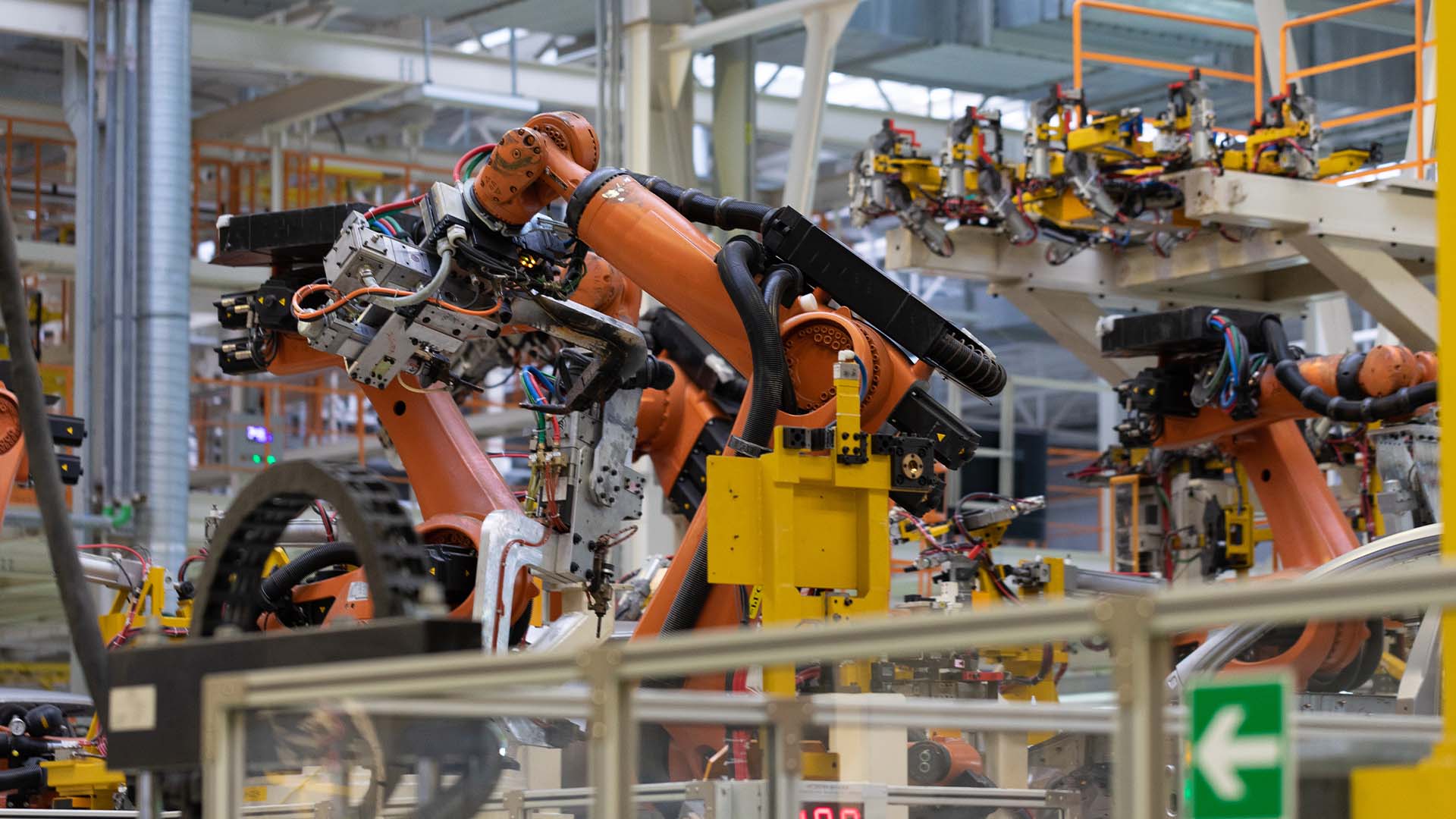
- Tour a large-scale manufacturing facility to see industrial process flow firsthand.
- Explore Korea's research ecosystem through national science institutes and innovation museums.
Human-Centered Design and Community Projects
- Learn human-centered design and design-thinking methodologies from leading Korean firms and design centers.
- Work in small teams on community engineering projects that address authentic local needs.
- Integrate sensors, microcontrollers, and IoT connectivity with 3D-printed components through iterative prototyping.
- Partner with community organizations in areas such as assistive technology, accessibility, and sustainability.
Korean Culture and Heritage
- Experience a traditional Korean Buddhist temple stay with meditation and the Sunmudo martial art.
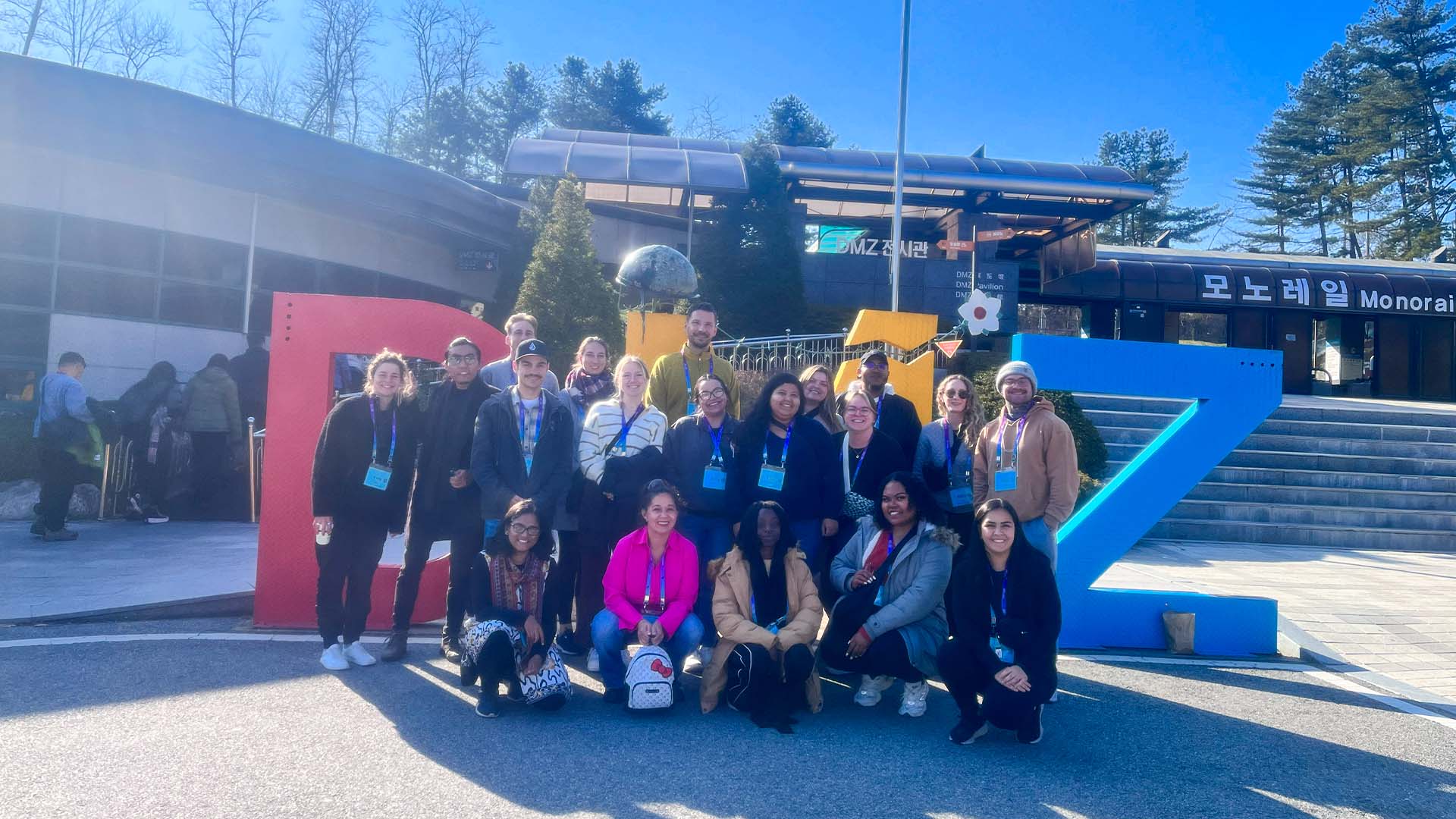
- Visit the DMZ for a firsthand look at Korea's divided past and its path toward peace.
- Explore the UNESCO World Heritage temples and royal tombs of the ancient Silla capital, Gyeongju.
- Immerse in modern Korean culture through K-pop dance and traditional cooking classes.
Impact
UN Sustainable Development Goals in Action for this Program
SDG 4: Quality Education
- Delivers transformative learning through a multi-week residency at a world-class engineering university.
- Builds critical thinking, cross-cultural competency, and global-citizenship skills essential for 21st-century engineers.
SDG 8: Decent Work and Economic Growth
- Explores Korea's innovation-driven economy and its remarkable economic transformation.
- Examines how technology industries create quality employment and inclusive growth.
SDG 9: Industry, Innovation and Infrastructure
- Engages science parks, research institutes, and manufacturing sites to understand innovation ecosystems and resilient infrastructure.
- Studies how public-private partnerships and emerging technologies drive sustainable industrialization.
SDG 11: Sustainable Cities and Communities
- Examines Korea's world-leading urban planning and smart-city development.
- Explores how Korean cities balance economic growth with sustainability and cultural preservation.
SDG 16: Peace, Justice and Strong Institutions
- Uses the DMZ experience to explore conflict resolution, diplomacy, and peacebuilding.
- Examines Korea's democratic development and the institutions behind its rapid progress.
Beyond the Classroom
Program Highlights
What You'll Take Home
Learning Outcomes
Applied Engineering and Electronics
Deepen expertise in circuit design, semiconductors, and electronics through university coursework and hands-on industry engagement.
Human-Centered Design
Apply design-thinking and prototyping, integrating circuitry, sensors, and 3D printing, to solve authentic community challenges.
Cross-Cultural Competency
Build the cross-cultural communication and collaboration skills essential for global engineering careers.
Responsible Global Citizenship
Understand how culture, policy, and history shape technology and society, from smart cities to the DMZ.
Day by Day
Sample Itinerary
Program services and inclusions are curated based on the faculty's learning objectives and may vary by cohort. The structure below is representative; the day numbers are approximate, and the specific classes, organizations, sites, and free time may shift.
Arrival in Seoul
Group arrival and hotel check-in in Seoul.
Orientation and Welcome
A program orientation, followed by a group welcome dinner.
Meals: B, DSeoul Heritage
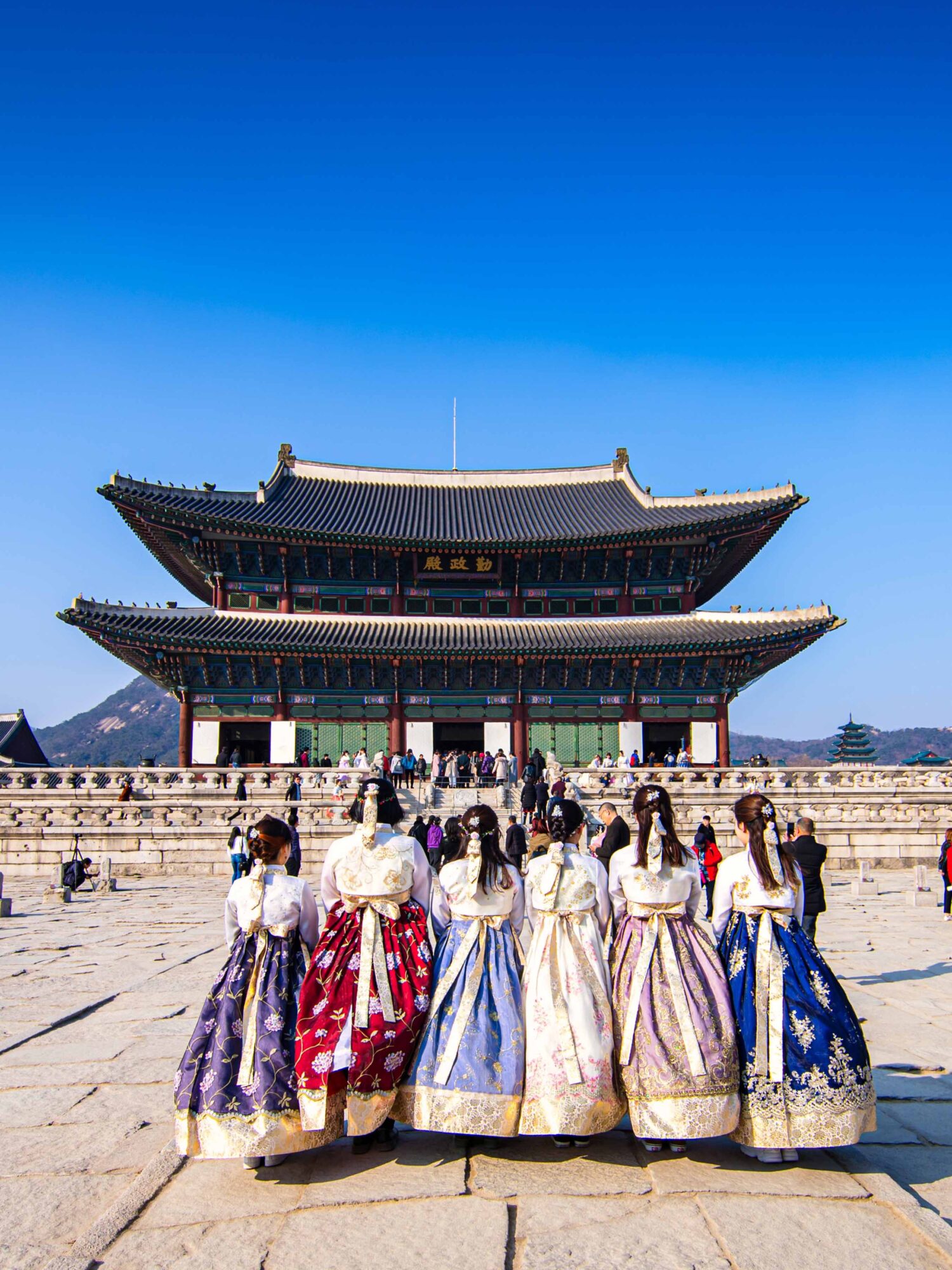
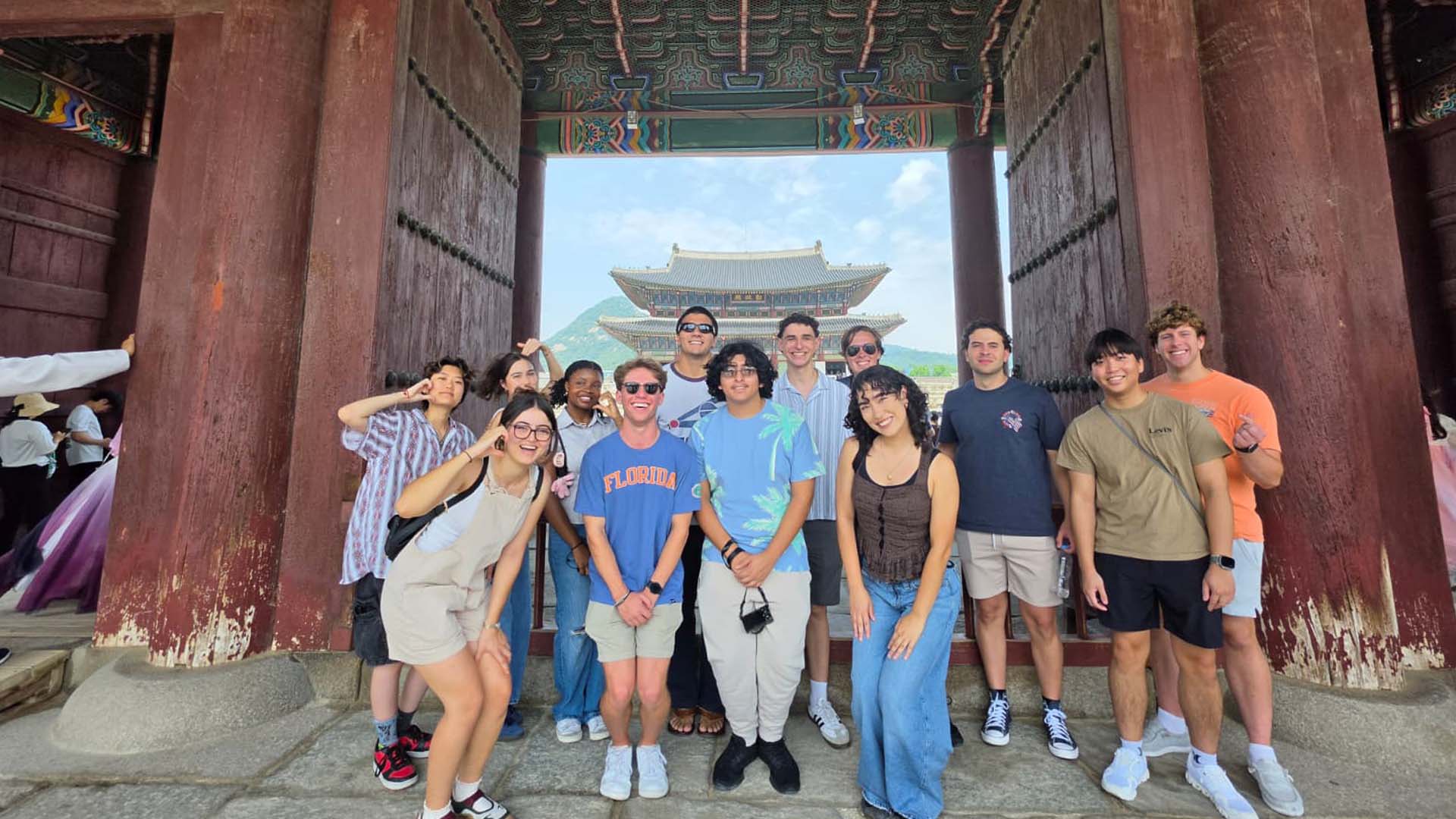
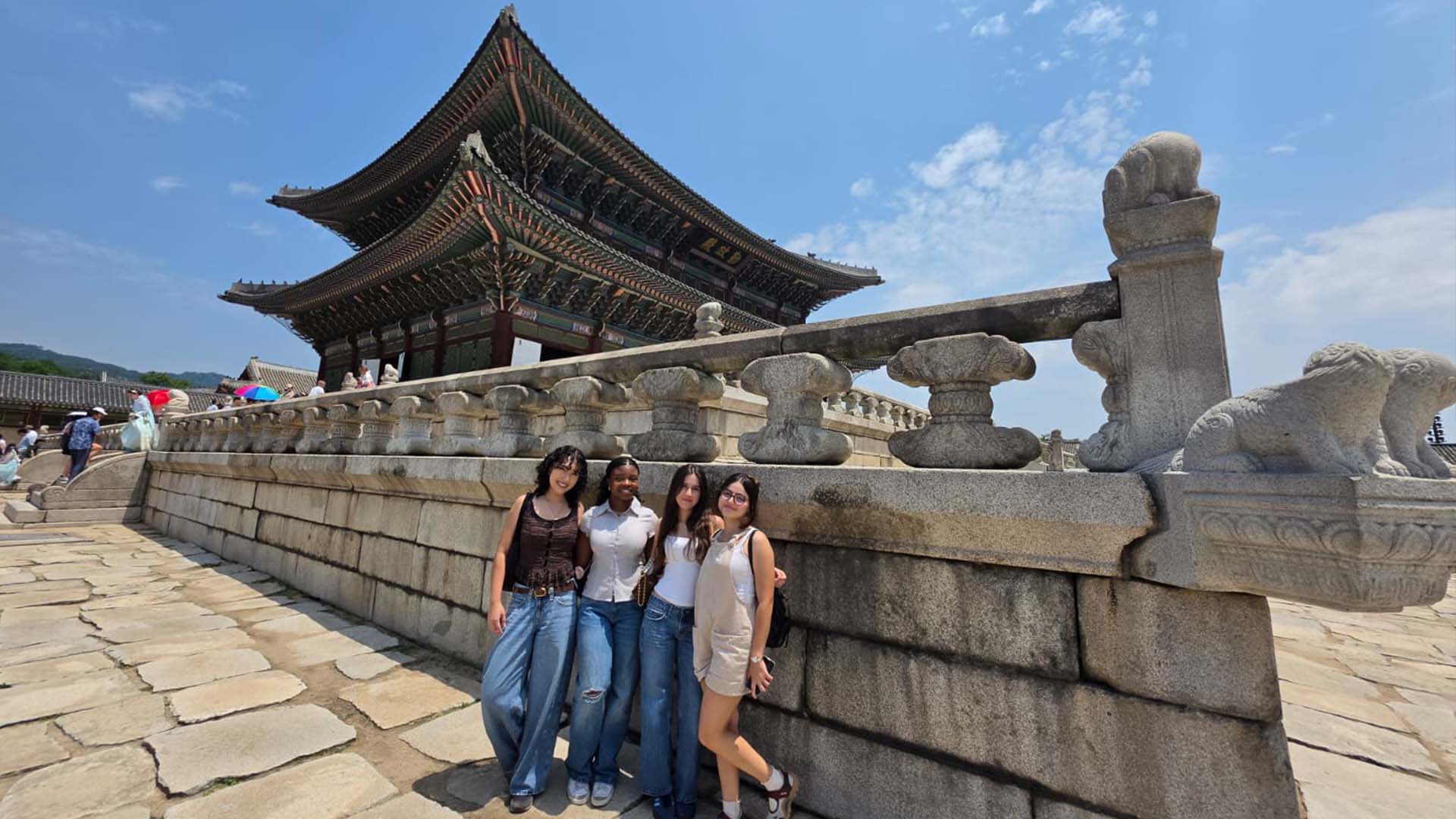
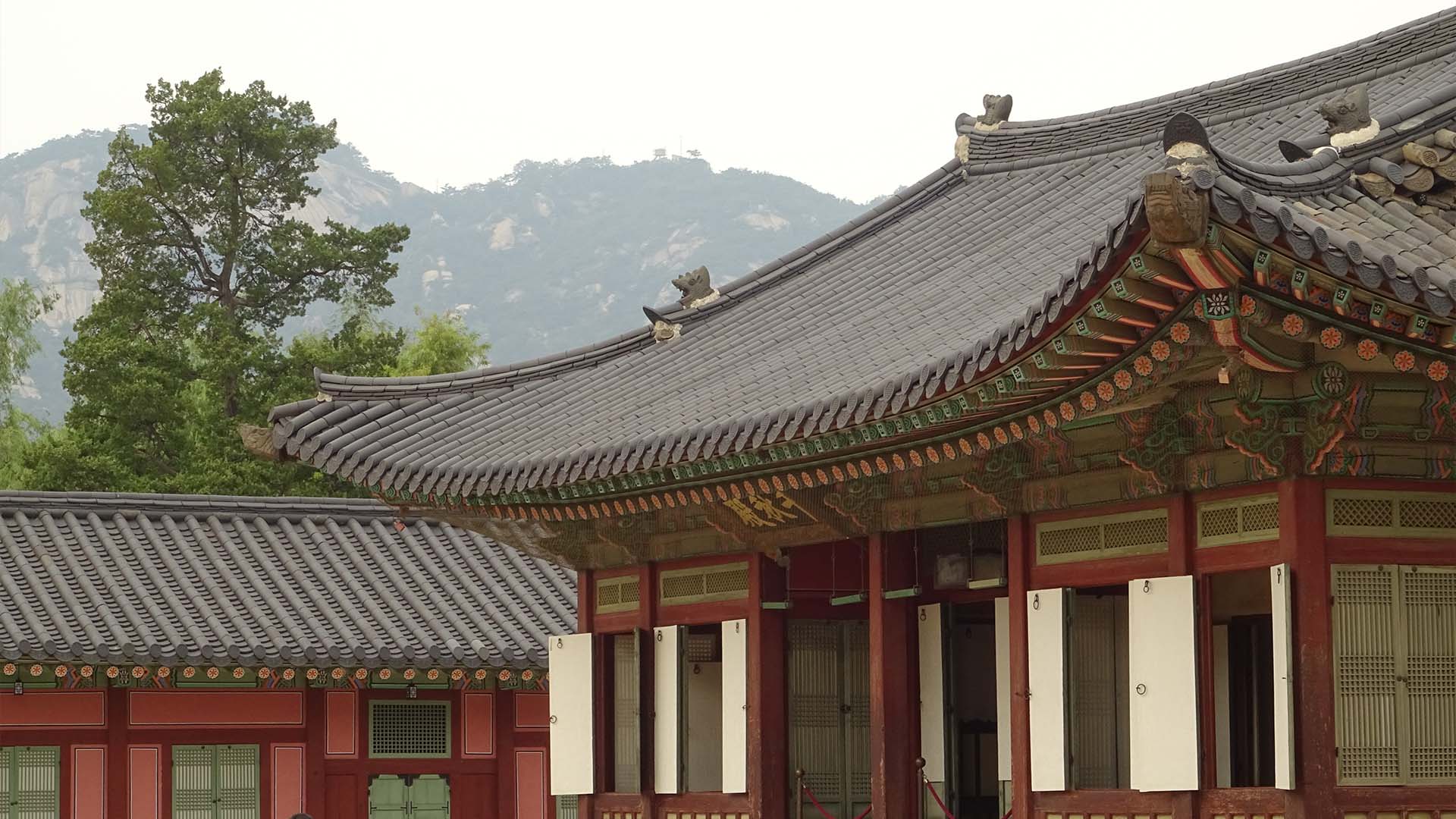
A full-day guided cultural immersion of Seoul, including Gyeongbokgung Palace.
Meals: BIndustry and Design
A full day of company visits, and a hands-on human-centered design workshop.
Meals: BThe DMZ
A full-day guided visit to the Demilitarized Zone.
Meals: BScience and K-Pop
A morning at a national science museum and an afternoon K-pop dance class.
Meals: BSeoul to Gyeongju
Travel by KTX high-speed rail to Gyeongju, check-in to a traditional Buddhist temple stay (or a hotel), and an afternoon cultural immersion of the ancient city.
Meals: B, DAncient Gyeongju
A temple-stay experience and free time to explore Gyeongju's UNESCO World Heritage sites.
Meals: B, LGyeongju to Pohang
Travel to the university campus in Pohang.
Meals: BUniversity Residency (Weeks 1–3)
Engineering classes and community design projects at one of Asia's premier engineering universities, with full board on campus.
Ulsan Excursion
A weekend cultural excursion to the coastal city of Ulsan, with its national garden and coastal parks.
Meals: BUniversity Residency (Week 4)
Continued classes and community project work on campus.
Busan Excursion
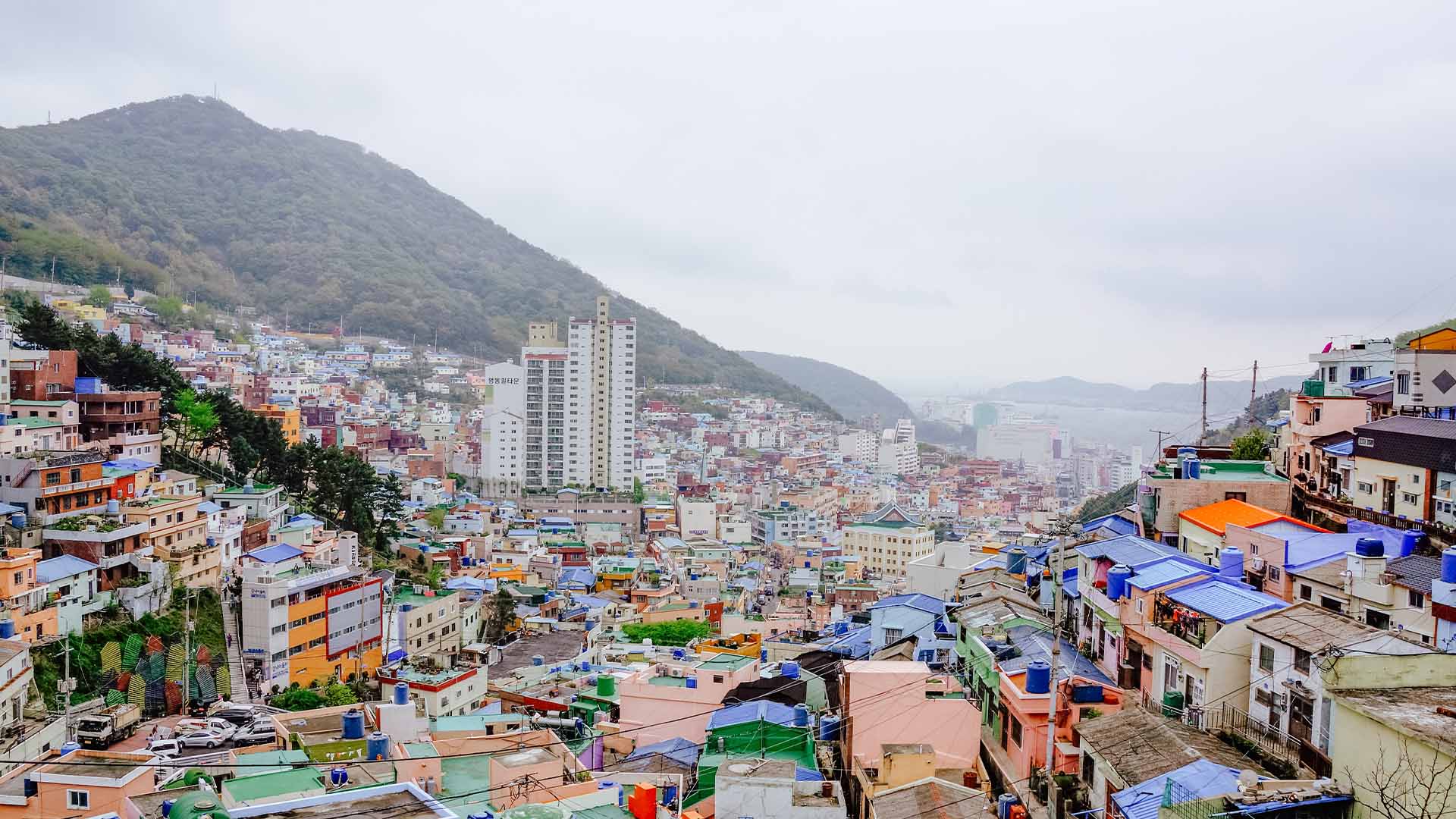
A weekend cultural excursion to the vibrant port city of Busan, including Haeundae Beach and the Gamcheon Culture Village.
Meals: BUniversity Residency (Week 5)
Final classes, project development, and team presentations on campus.
Pohang to Seoul
Travel back to Seoul by KTX high-speed rail.
Reflection and Farewell
Free time and a group Korean BBQ farewell dinner.
Meals: B, DDeparture
Hotel check-out and transfer to the airport for onward travel.
Meals: BAt a Glance
Program Snapshot
Meals Included
Sustainability
On-Ground Support
Insurance
Investment
Pricing & Inclusions
Program Cost
From USD $5,990*
≈ AUD $8,400
per participant · twin-share basis
Pricing includes the 5-week university residency, with tuition, on-campus accommodation, and meals, and scales with group size. Quoted in USD; AUD amounts are indicative and based on current exchange rates.
Request a customized quote*Costs may vary depending on group size, program inclusions, number of program days, and other factors. Please contact us for a customized quote.
What's Included
- A 5-week academic residency at a premier Korean engineering university, including tuition, on-campus dormitory accommodation, and all meals
- Hotel accommodation on a bed and breakfast basis (Wi-Fi included) during the travel phases in Seoul, Gyeongju, Ulsan and Busan
- A traditional Buddhist temple stay in Gyeongju, with a hotel option for those who opt out
- KTX high-speed rail, private coaches, and luggage transfers between cities
- Group meals — 12 breakfasts, 1 lunch, and 3 dinners across the travel phases
- Coordination of company and organization visits
- A community design project, including materials and mentorship for each team
- Guided cultural tours with English-speaking guides, and a program orientation
- Carbon offset for all participants, 24x7 on-ground support, and all applicable taxes
Good to Know
FAQs About the Program
1. What is the best faculty-led study abroad program in South Korea for engineering students?
"Semiconductors and Engineering Innovation in South Korea" is a six-week faculty-led study abroad program for engineering and STEM students, built around a multi-week academic residency at one of Asia's premier engineering universities. Students study circuit design, semiconductors, and electronics, complete a human-centered community design project, visit major Korean technology companies, and immerse in Korean culture across Seoul, Gyeongju, Pohang, Ulsan, and Busan.
2. When is the best time of year to run a study abroad program in South Korea?
Spring (April to June) and autumn (September to November) offer the most comfortable weather in South Korea, with mild temperatures ideal for site visits and walking tours; the program can be scheduled to fit your university's summer session or academic calendar. Summers are warm and humid with a rainy season, so lightweight clothing, rain protection, and comfortable walking shoes are recommended, along with modest attire for temple visits and smart-casual dress for company visits.
3. Do students need a visa for South Korea?
Visa requirements for South Korea vary by nationality; many international students, including U.S. travellers, can enter with a short-stay travel authorization, though a longer academic stay may require a study visa. Requirements should be checked early. Authentica provides pre-departure guidance, though obtaining any required visa remains the participant's responsibility.
4. Which organizations and sites does the program engage, and how does the group travel between cities?
The program pairs a university residency with visits to major Korean technology companies, science parks, research institutes, and a large-scale manufacturing facility, alongside public landmarks such as Gyeongbokgung Palace, the DMZ, and the UNESCO sites of Gyeongju. The group travels between cities by KTX high-speed rail and private coach, with luggage vans for longer transfers.
5. What is included in an Authentica faculty-led study abroad program?
An Authentica faculty-led program includes the university residency, accommodation, KTX and coach transport, coordination of company visits and the community design project, guided cultural experiences, group meals, carbon offset, and 24x7 on-ground support from a dedicated Authentica Program Manager. Faculty lead the academics while Authentica manages every logistical and safety detail.
6. What are the accommodations and meals like?
Students stay in on-campus dormitories during the five-week university residency and in centrally located hotels on a twin-share, bed and breakfast basis during the travel phases, plus a traditional temple stay in Gyeongju. Full board is provided during the residency, and the travel phases include 12 breakfasts, 1 lunch, and 3 dinners, with dietary preferences accommodated.
7. What should students know about money, cards and tipping?
The local currency is the Korean won. Cards are very widely accepted across South Korea, though it is useful to carry some cash for markets and smaller vendors. Tipping is not customary in Korea and is generally not expected, and any tips for guides and drivers are included in the program.
8. Is South Korea safe for university study abroad groups, and how is risk managed?
South Korea is one of the safest and most convenient countries in Asia for study abroad groups, with ordinary travel precautions the main consideration. Authentica provides 24x7 on-ground support through a dedicated Program Manager, a Day 1 orientation and safety briefing, and a program-specific risk management plan, and carries USD $5M commercial general liability and USD $1M errors and omissions insurance.
Interested in a Similar Program?
Contact us at info@authentica.com to design a faculty-led immersion around your objectives.