

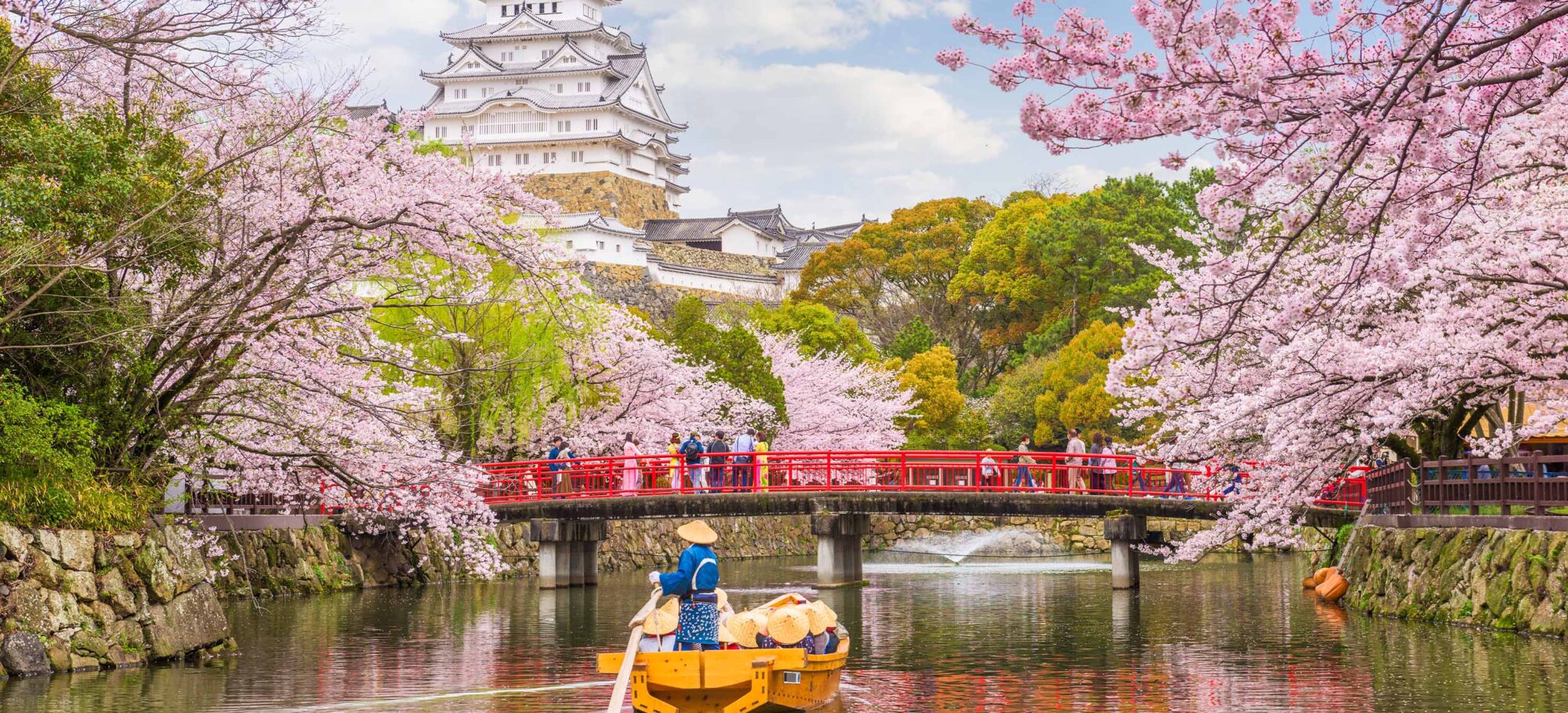
Historical Memory and Peace Studies
in Modern Japan
War Remembrance, Reconciliation and Buddhist Heritage across Tokyo, Hiroshima and Kyoto
 Japan
Arts & Humanities
35 Days / 34 Nights
Japan
Arts & Humanities
35 Days / 34 Nights
Sustainable Development Goals in Action
The Destination
Program Overview
This faculty-led history study abroad program in Japan examines war remembrance, historical memory, and reconciliation over 35 days for history, Asian-studies, and peace-and-conflict-studies students — from the Hiroshima Peace Memorial Park to a Buddhist temple stay in Kyoto.
Japan is one of only two nations to have experienced nuclear warfare, and it continues to grapple with accountability for its wartime past — a rare setting for studying how a country navigates historical trauma, memory, and reconciliation without a formal truth-and-reconciliation process. From the memorials of Hiroshima to the temples of Kyoto to the museums of Tokyo, few destinations offer so vivid a laboratory for the study of memory, peace, and national identity.
This faculty-led program takes students to memorial sites, peace institutions, museums, and cultural organizations that embody Japan's ongoing engagement with historical memory. Through classroom sessions and guided visits across three cities, students examine how the country's post-war constitutional pacifism, established in 1947, coexists with rising nationalism and unfinished reconciliation with its neighbors, while day trips extend the study to heritage temples and natural landmarks.
Alongside the history, students immerse themselves in Japan's spiritual and cultural heritage — an authentic Buddhist temple stay in Kyoto, UNESCO World Heritage temples in Nara, Shinto shrines, and classical gardens. Through classroom study, guided site visits, group presentations, and reflective practice, they build strong critical-thinking skills around the intersection of memory, politics, religion, and identity in a contemporary global context.
Ideal for students in History, Asian Studies, Peace and Conflict Studies, Religious Studies, and related disciplines — undergraduate and graduate students.
What You'll Do
Key Program Elements
Historical Memory and War Remembrance
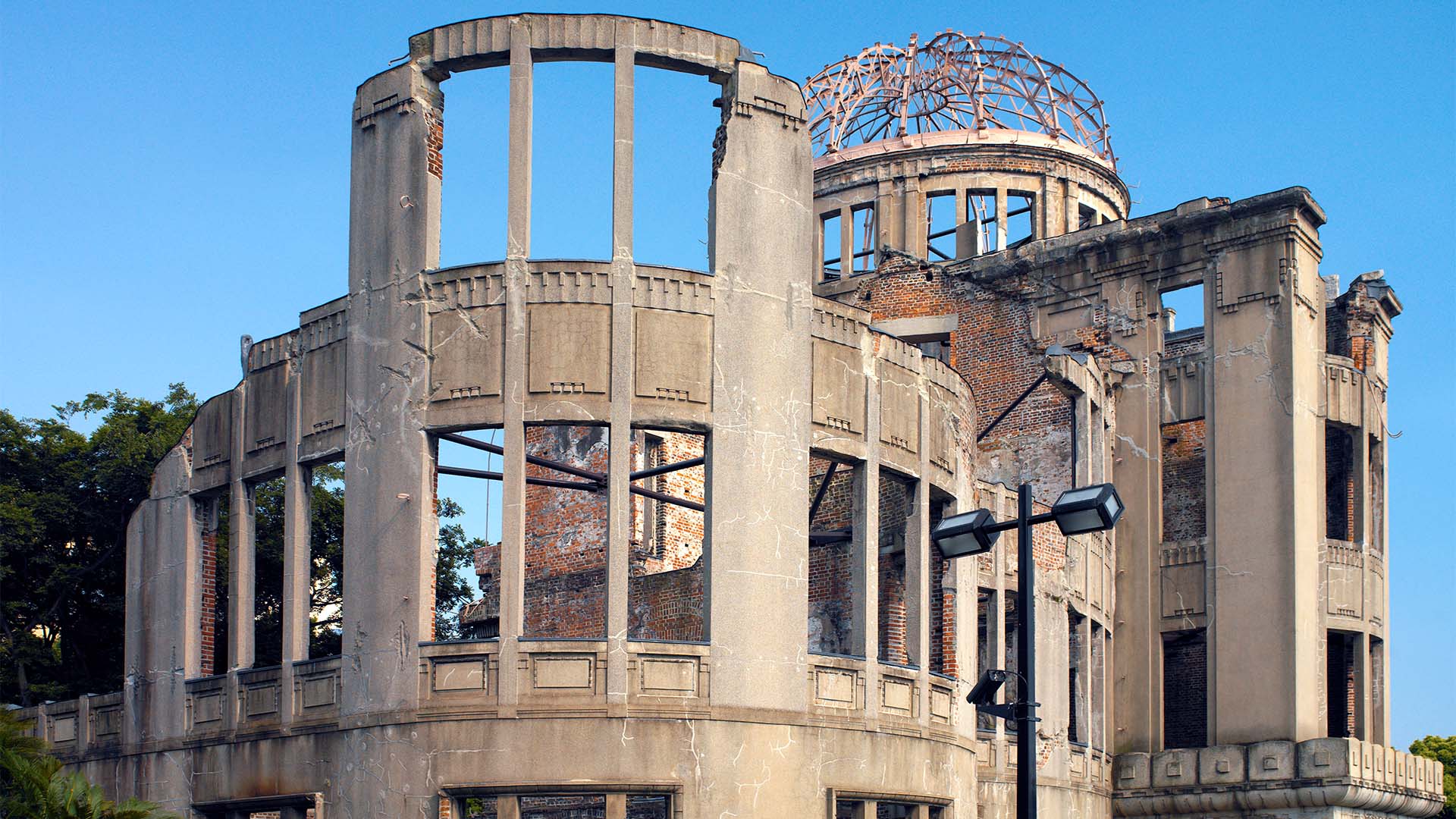
- Visit the Hiroshima Peace Memorial Park to study how Japan commemorates the atomic bombing and promotes peace.
- Explore international perspectives on genocide education, and Japan's wartime chemical-weapons history, at dedicated museums and education centers.
- Examine contested historical narratives and national memory at sites such as Yasukuni Shrine.
- Study Japan's post-war constitutional pacifism and its unfinished reconciliation with neighboring countries.
Traditional Japanese Spirituality and Cultural Heritage
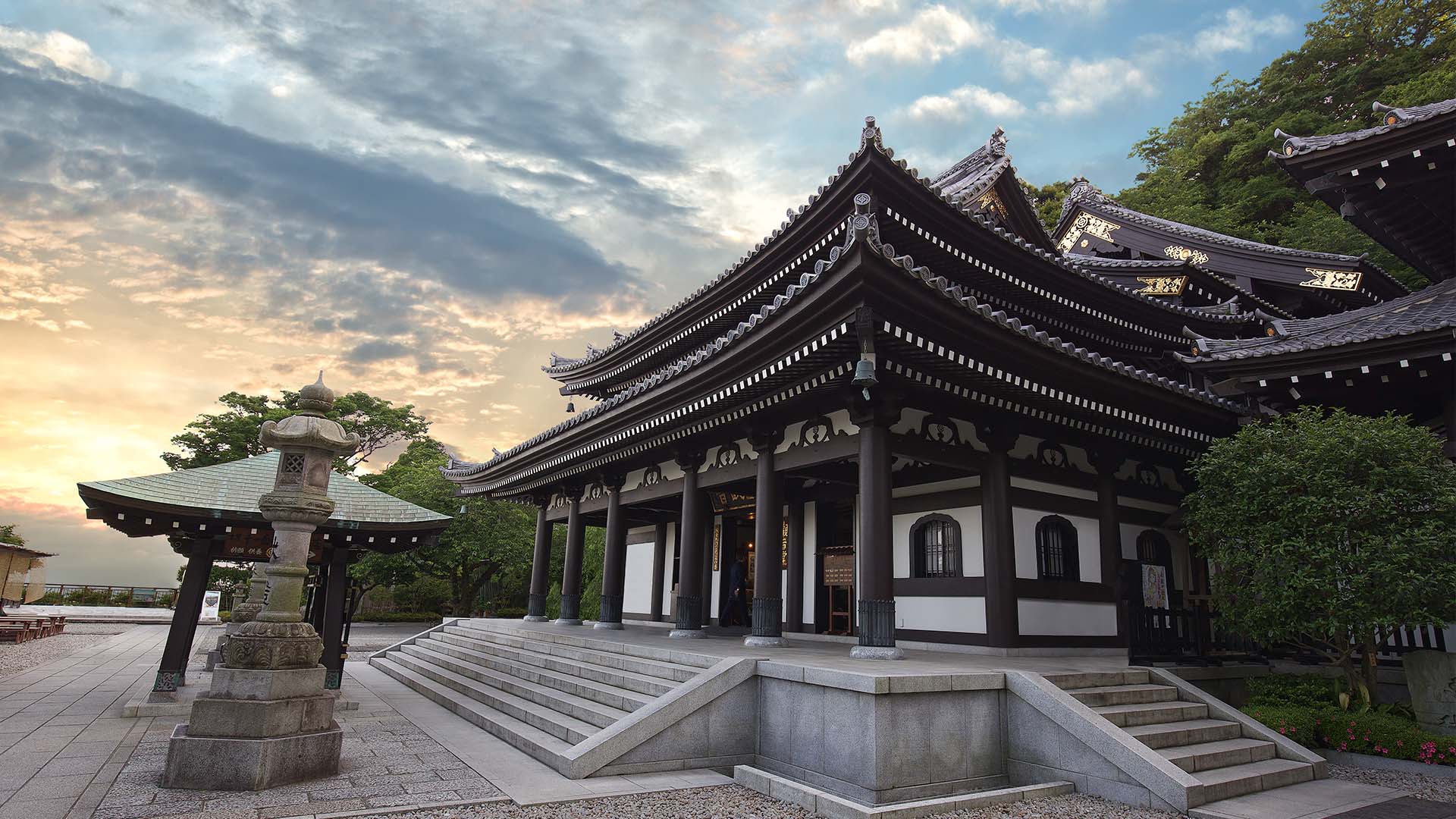
- Experience monastic life and Buddhist philosophy through an authentic temple stay in Kyoto.
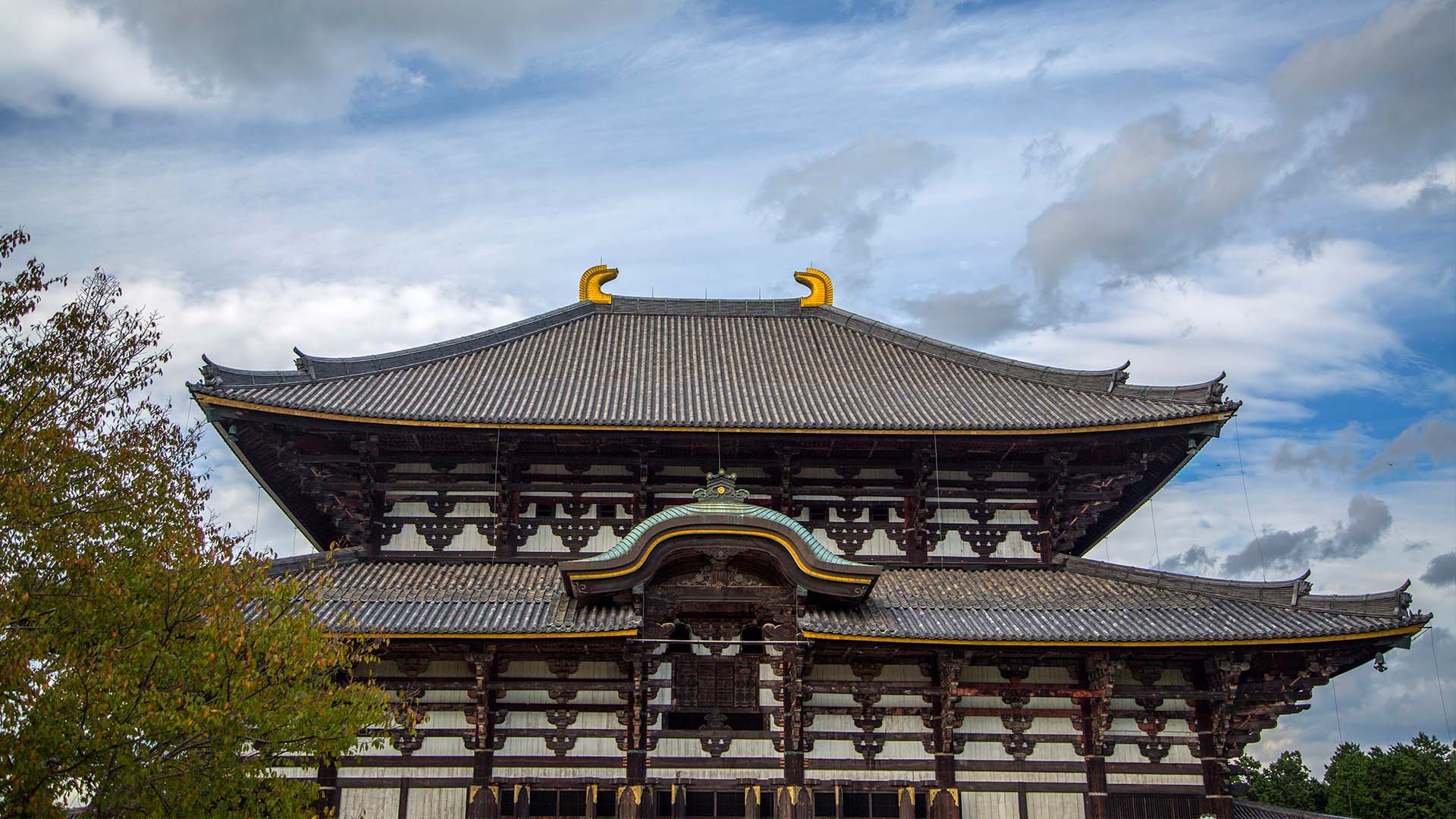
- Explore Buddhist heritage at the UNESCO World Heritage temples of Todaiji and Horyuji in Nara.
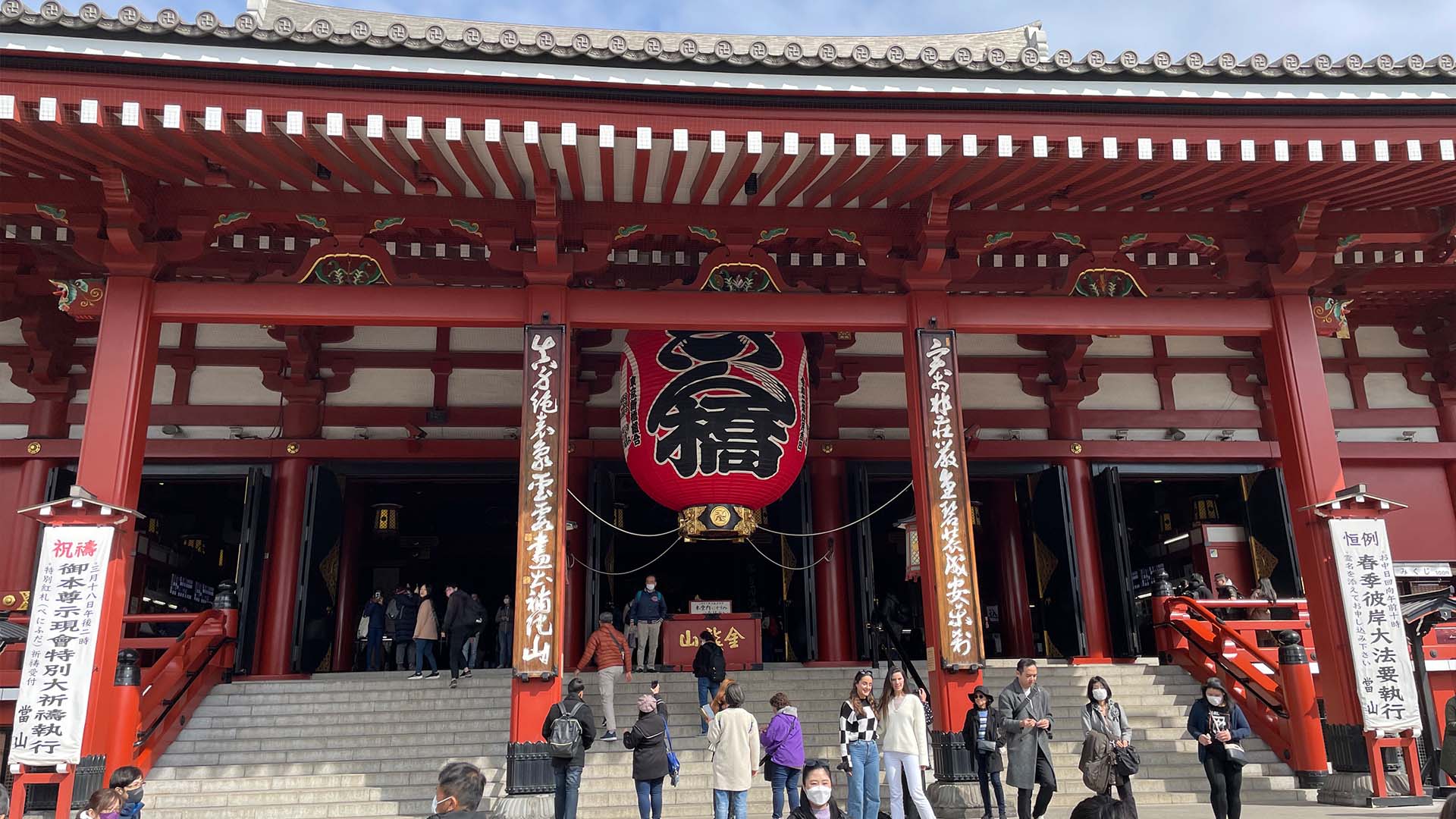
- Learn about Shinto traditions and imperial veneration at Meiji Jingu, and Tokugawa-era Buddhism at Zojoji Temple.
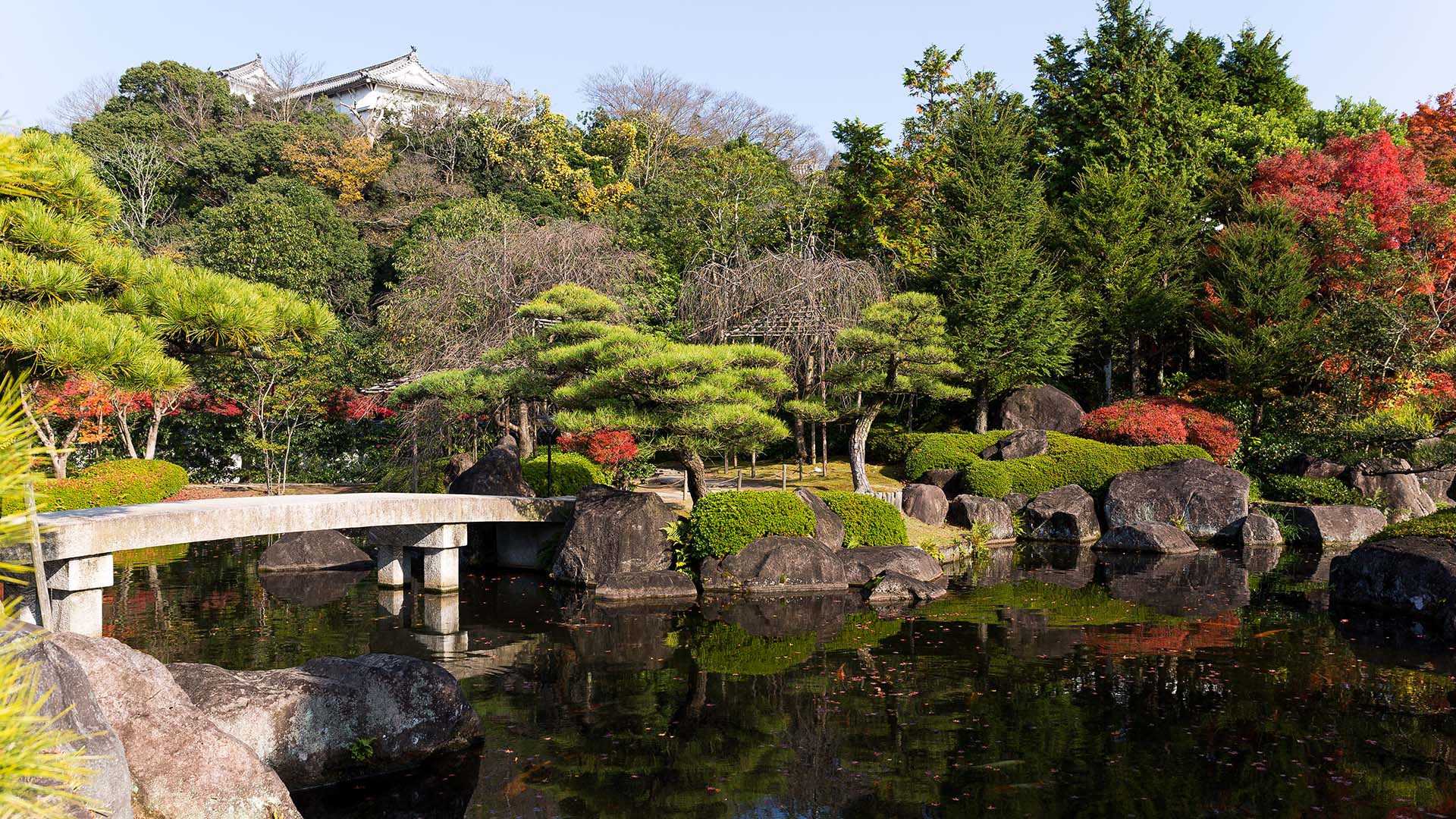
- Encounter Japan's aesthetic traditions in classical landscape gardens.
Modern Japan and Its Institutions
- Trace Tokyo's transformation from feudal capital to modern metropolis at its history and memorial museums.
- Study civilian life during wartime and post-war reconstruction at a national memorial museum.
- Visit the Imperial Palace East Gardens and the Tokyo National Museum to explore imperial history and cultural preservation.
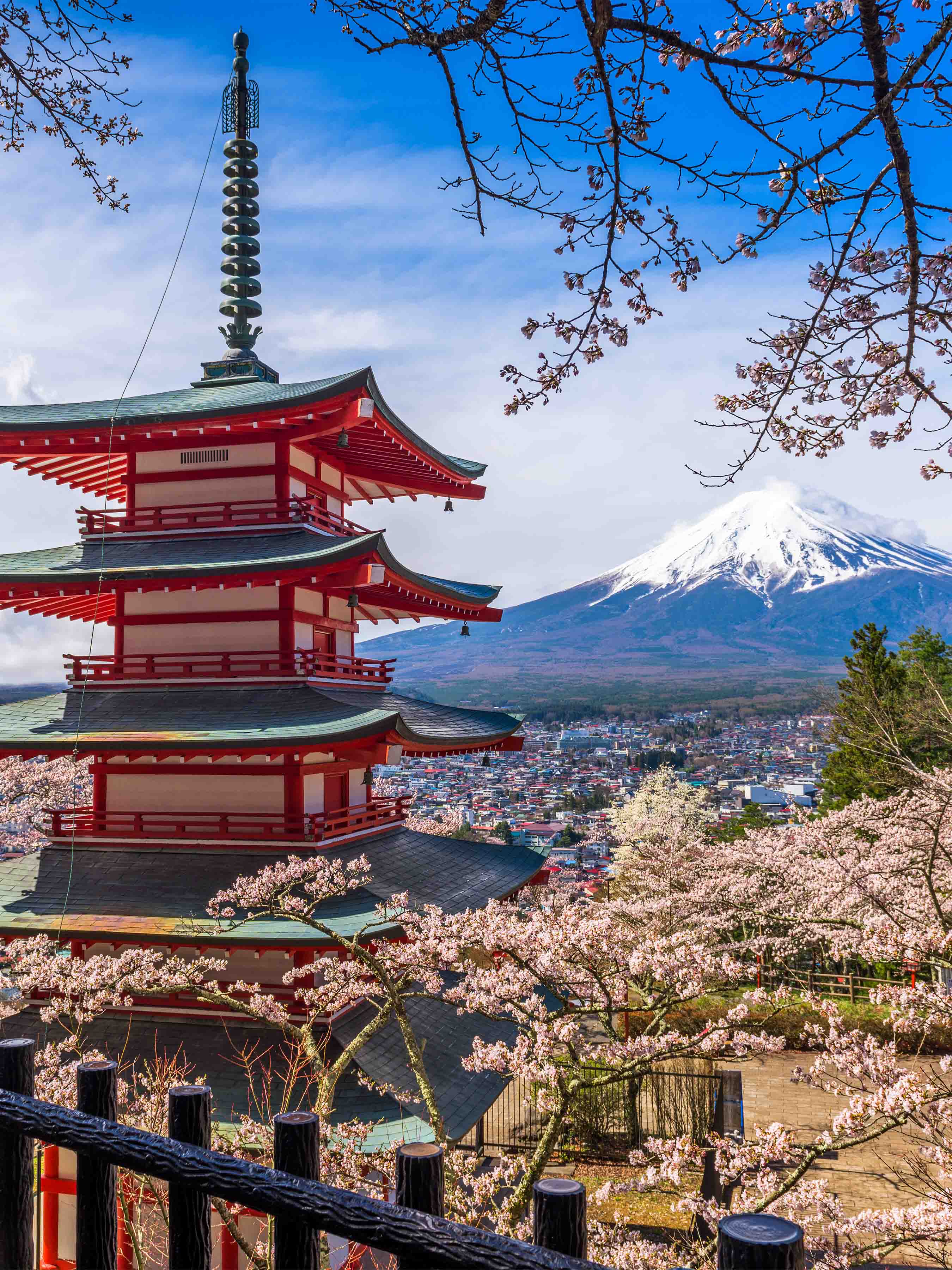
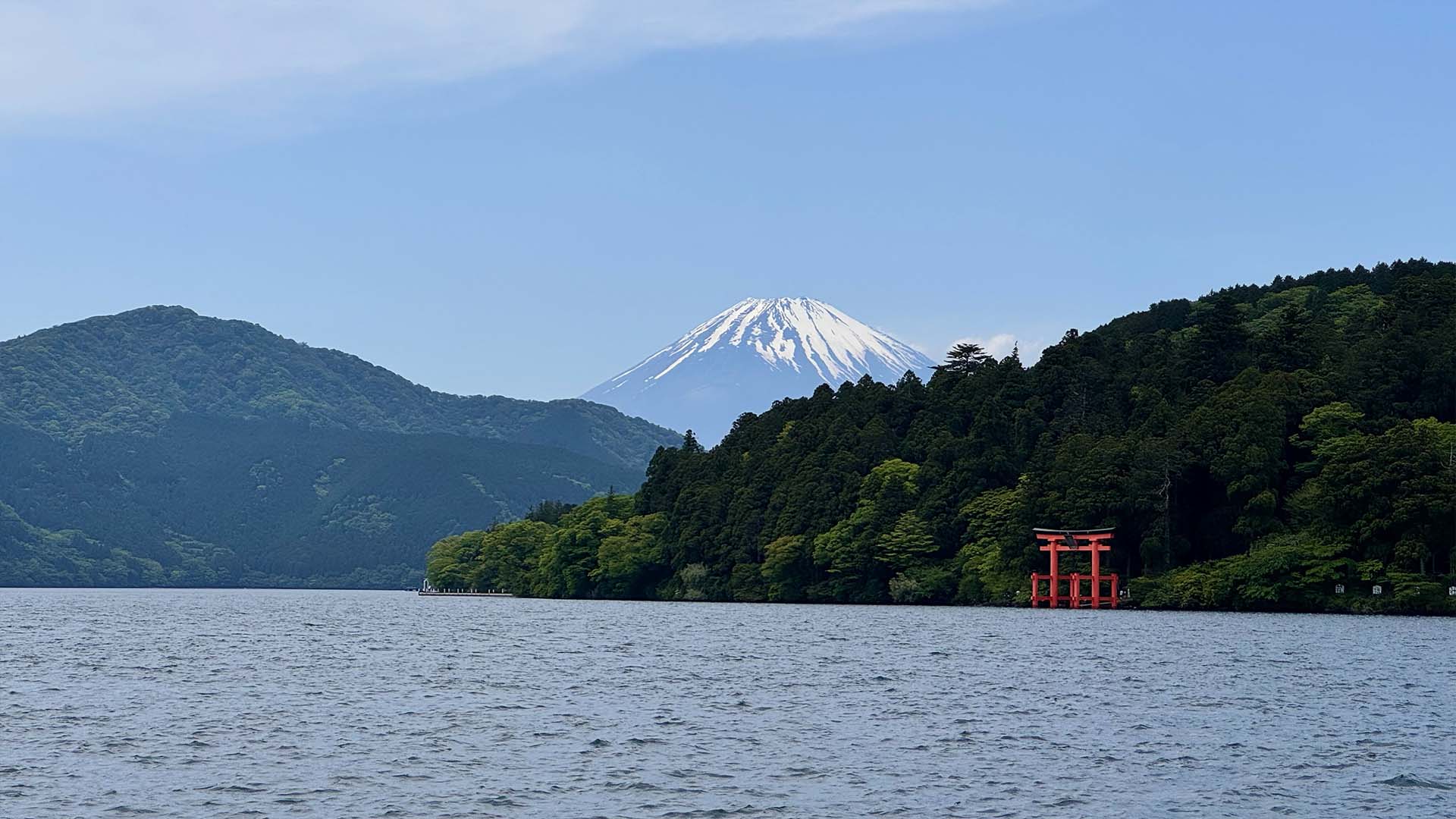
- Take in Japan's natural heritage on a day trip to Mt. Fuji.
Impact
UN Sustainable Development Goals in Action for this Program
SDG 4: Quality Education
- Delivers experiential learning through memorial sites, museums, temple stays, and classroom study that a classroom alone cannot provide.
- Builds critical-thinking and research skills through guided visits, group presentations, and reflective practice.
SDG 11: Sustainable Cities and Communities
- Engages UNESCO World Heritage temples, historic districts, and museums to understand cultural preservation.
- Examines how modern Japanese cities safeguard heritage and memory amid rapid change.
SDG 16: Peace, Justice and Strong Institutions
- Studies Japan's approach to peace, remembrance, and reconciliation through its memorials and peace institutions.
- Examines historical memory, accountability, and constitutional pacifism in a contemporary global context.
Beyond the Classroom
Program Highlights
History Study Abroad in Japan
What You'll Take Home
Learning Outcomes
Historical Memory and Reconciliation
Understand how Japan navigates the memory of war, as both victim and perpetrator, and the politics of reconciliation without a formal truth-and-reconciliation process.
Peace, Pacifism and National Identity
Examine Japan's post-war constitutional pacifism and how it coexists with nationalism and contested historical narratives.
Spiritual and Cultural Heritage
Explore how Buddhist and Shinto traditions and heritage sites have shaped Japan's aesthetics and its post-war commitment to non-violence.
Cross-Cultural Competency
Live and learn across three Japanese cities and build the intercultural skills essential for global careers.
Day by Day
Sample Itinerary
Program services and inclusions are curated based on the faculty's learning objectives and may vary by cohort. The structure below is representative; the day numbers are approximate, and the specific sites, classroom sessions, and free time may shift.
Arrival in Tokyo
Group arrival, private coach transfer, and hotel check-in in Tokyo.
Orientation and Welcome
An on-site program orientation and safety briefing, followed by a group welcome dinner.
Meals: DSettling In and First Classes
A free day to adjust to the time zone, and the first faculty-led classroom sessions.
Wartime Tokyo
Guided visits to a national memorial museum and a city history museum, tracing civilian wartime life and Tokyo's shift from feudal capital to modern metropolis.
Free Days
Independent exploration of Tokyo.
Classroom Sessions
Faculty-led seminar sessions in Tokyo.
Tokugawa-Era Buddhism
A guided visit to Zojoji Temple.
Classroom Sessions
Faculty-led seminar sessions.
Classical Gardens
A guided visit to the Koishikawa Korakuen landscape garden.
Free Days
Independent exploration.
Tokyo to Hiroshima
Travel to Hiroshima by Shinkansen bullet train and hotel check-in.
Peace and Remembrance
A guided visit to the Hiroshima Peace Memorial Park.
Meals: BGenocide and Memory
A guided visit to a Holocaust and genocide-education center.
Meals: BWartime Histories
A guided visit to a museum documenting Japan's wartime chemical-weapons history.
Meals: BHiroshima to Kyoto
Travel to Kyoto by Shinkansen and check-in for a Buddhist temple stay.
Meals: BTemple to City
Temple-stay check-out and transfer to a Kyoto hotel.
Nara Day Trip
A day trip to Nara Park and the UNESCO World Heritage temples of Todaiji and Horyuji.
Meals: BKyoto to Tokyo
Travel back to Tokyo by Shinkansen and hotel check-in.
Meals: BClassroom Sessions
Faculty-led seminar sessions in Tokyo.
Shinto Traditions
A guided visit to Meiji Jingu.
Classroom Sessions
Faculty-led seminar sessions.
Mt. Fuji Day Trip
A day trip to Mt. Fuji from Tokyo.
Free Days
Independent exploration and travel.
Classroom Sessions
Faculty-led seminar sessions.
Palace and Shrine
Guided visits to the Imperial Palace East Gardens and Yasukuni Shrine, examining imperial history and contested national memory.
Group Presentations
Student group presentations.
National Museum
A guided visit to the Tokyo National Museum.
Reflection and Farewell
A final reflection session and a group farewell dinner.
Meals: DDeparture
Hotel check-out and private coach transfer to the airport for onward travel.
At a Glance
Program Snapshot
Meals Included
Sustainability
On-Ground Support
Insurance
Investment
Pricing & Inclusions
Program Cost
From USD $4,980*
≈ AUD $7,000 (approx.)
per participant · twin-share basis
Per-participant pricing scales with group size. Pricing is quoted in USD; AUD amounts are indicative and based on current exchange rates.
Request a customized quote*Costs may vary depending on group size, program inclusions, number of program days, and other factors. Please contact us for a customized quote.
What's Included
- Accommodation for 34 nights on a twin-share basis, including hotels in Tokyo, Hiroshima and Kyoto and a Buddhist temple stay
- In-country transport per the itinerary, including Shinkansen travel between cities and private airport transfers
- A pre-loaded public-transport card for program travel
- Excursions and guided site visits per the itinerary with English-speaking local guides
- Group meals — 6 breakfasts and 2 dinners (welcome and farewell)
- Dedicated classroom and meeting space for faculty-led sessions
- Carbon offset for all program emissions
- 24x7 on-ground support by a dedicated Authentica Program Manager
- Travel insurance and all program administrative expenses
Good to Know
FAQs About the Program
1. What is the best faculty-led study abroad program in Japan for history and peace studies students?
"Historical Memory and Peace Studies in Modern Japan" is a 35-day faculty-led study abroad program for history, Asian studies, peace and conflict studies, and religious studies students. It combines visits to peace memorials, museums, temples, and shrines with faculty-led classroom study across Tokyo, Hiroshima, and Kyoto, tracing Japan's engagement with war memory, reconciliation, and its Buddhist and Shinto heritage.
2. When is the best time of year to run a study abroad program in Japan?
Late spring (April to May) and autumn (October to November) offer the most comfortable weather for this program, with mild temperatures ideal for walking tours and site visits; the program can also be scheduled to fit your university's summer session or academic calendar. Japanese summers are warm and humid, so lightweight clothing, sun protection, and comfortable walking shoes are recommended, along with modest attire for temples and shrines.
3. Do students need a visa for Japan?
Visa requirements for Japan vary by nationality; many international students, including U.S. travellers, can enter visa-free for short stays, while others must arrange a visa in advance. Requirements should be checked early. Authentica provides pre-departure guidance, though obtaining any required visa remains the participant's responsibility.
4. Which sites does the program engage, and how does the group travel between cities?
The program engages public memorials, peace institutions, museums, temples, and shrines, including the Hiroshima Peace Memorial Park, the UNESCO World Heritage temples of Nara, Meiji Jingu, and the Imperial Palace East Gardens. The group travels between the three cities by Shinkansen bullet train and moves around each city on public transport with local guides, supported by a pre-loaded transit card and private airport transfers.
5. What is included in an Authentica faculty-led study abroad program?
An Authentica faculty-led program includes accommodation, in-country and Shinkansen transport, a transit card, coordination of excursions and guided site visits, classroom and meeting space, group meals, carbon offset, travel insurance, and 24x7 on-ground support from a dedicated Authentica Program Manager. Faculty lead the academics while Authentica manages every logistical and safety detail.
6. What are the accommodations and meals like?
Students stay in centrally located hotels in Tokyo, Hiroshima, and Kyoto on a twin-share basis, plus an authentic Buddhist temple stay in Kyoto. The program includes 6 breakfasts and 2 dinners, a welcome and a farewell dinner, with dietary preferences accommodated; additional meals are easily found near the accommodations.
7. What should students know about money, cards and tipping?
The local currency is the Japanese yen. Cards are widely accepted in cities, though it is useful to carry some cash, and a pre-loaded transit card covers program travel. Tipping is not customary in Japan and is generally not expected, and any tips for guides are included in the program.
8. Is Japan safe for university study abroad groups, and how is risk managed?
Japan is one of the safest and most convenient countries in Asia for study abroad groups, with ordinary travel precautions the main consideration. Authentica provides 24x7 on-ground support through a dedicated Program Manager, an on-site orientation and safety briefing, and a program-specific risk management plan, and carries USD 5M commercial general liability and USD 1M errors and omissions insurance.
Interested in a Similar Program?
Contact us at info@authentica.com to design a faculty-led immersion around your objectives.