

Sustainable Tourism & Community
Resilience in Thailand
Responsible Tourism, Regenerative Agriculture and Marine Conservation across Chiang Mai, Bangkok and Phuket
 Thailand
Business
23 Days / 22 Nights
Thailand
Business
23 Days / 22 Nights
Sustainable Development Goals in Action
The Destination
Program Overview
This faculty-led sustainable tourism study abroad program in Thailand is a 23-day immersion for business, tourism, and sustainability students. It pairs a permaculture and regenerative-agriculture farm stay near Chiang Mai with urban social innovation in Bangkok and a community-based coral-restoration project in Phuket.
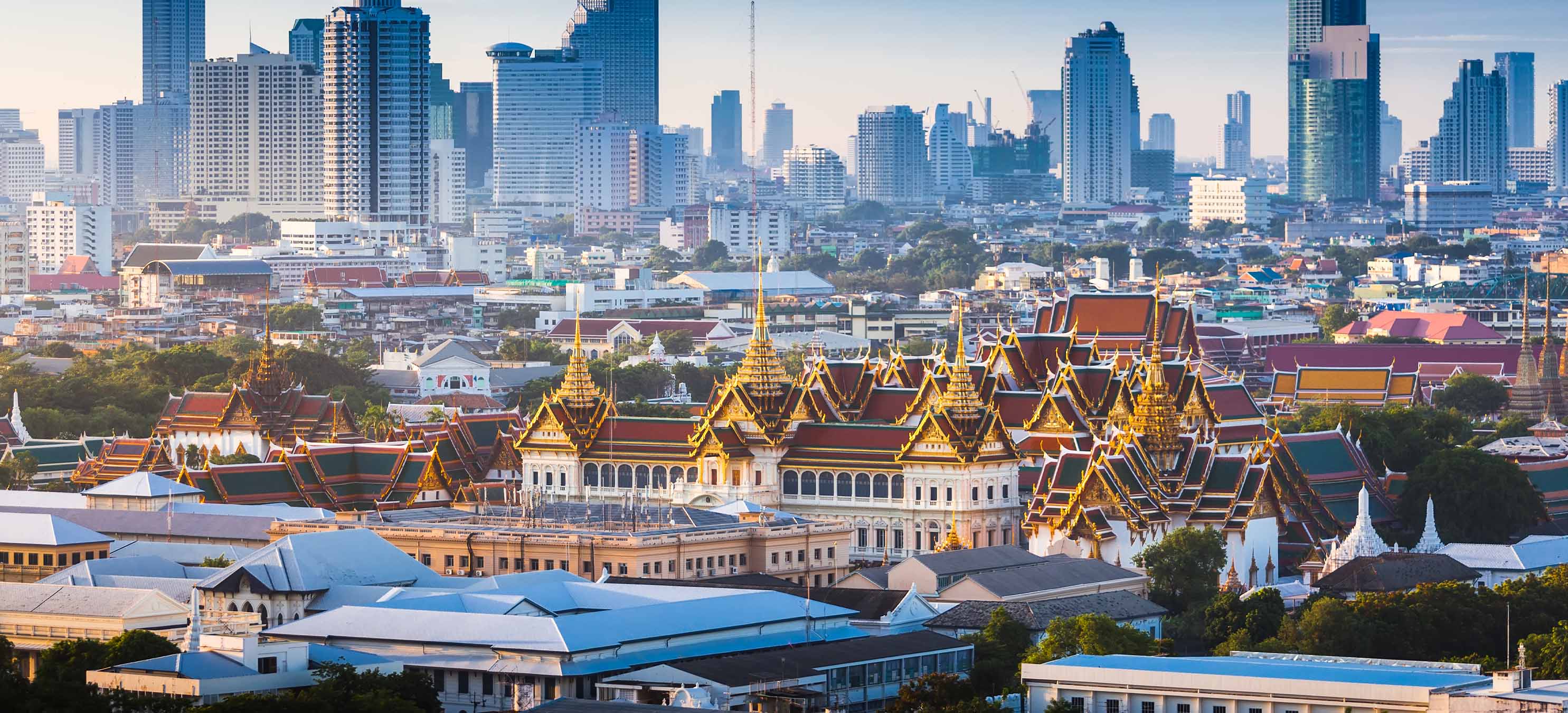
As Southeast Asia's second-largest economy and a nation that welcomes more than 40 million visitors a year, Thailand is a living laboratory for one of the defining questions of our time: how a country balances rapid economic development, sustainable tourism, and the resilience of its communities. Few destinations let students see that tension play out so vividly, or across such different landscapes, as they move from the northern hills to the capital to the Andaman coast.
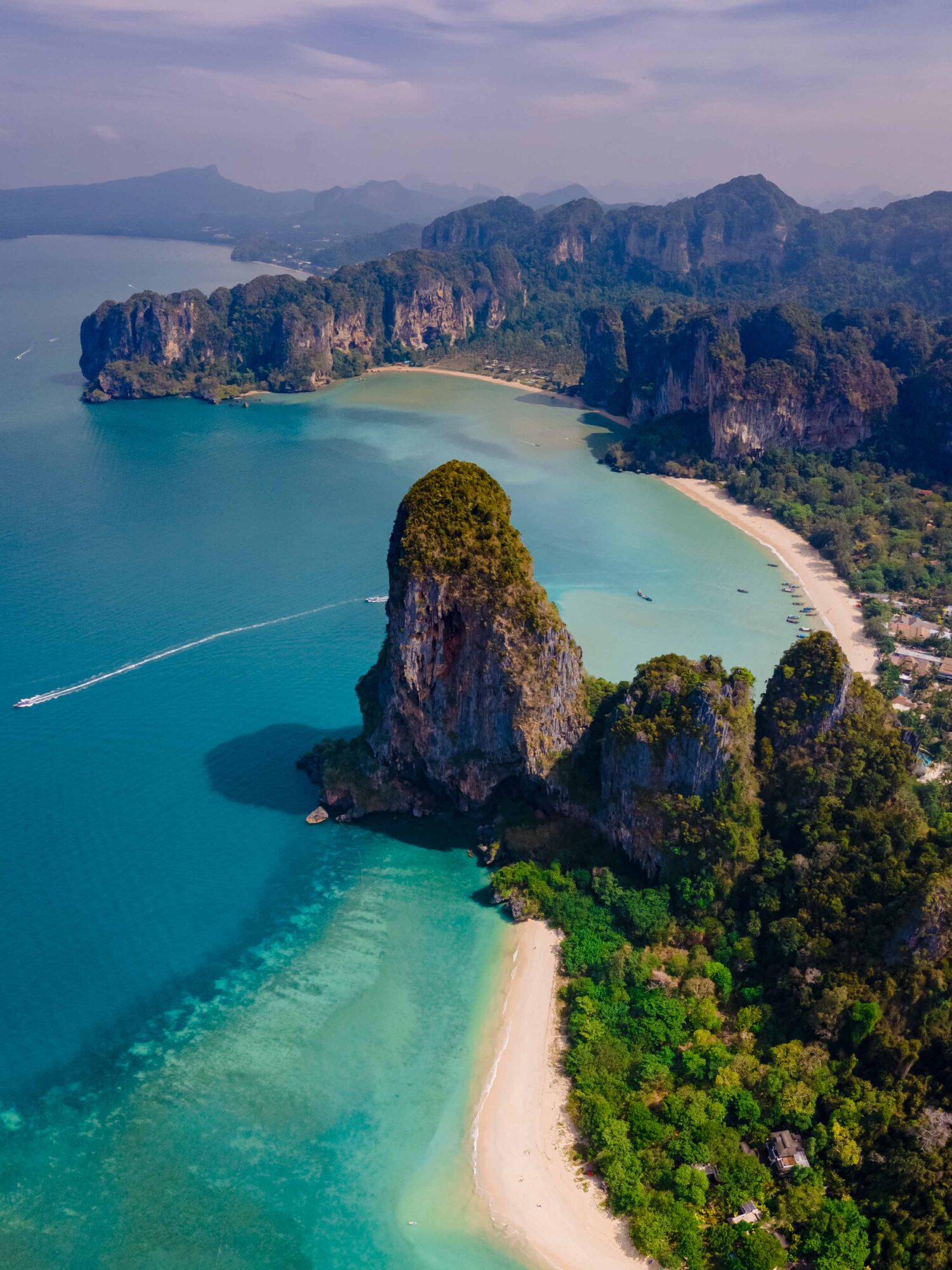
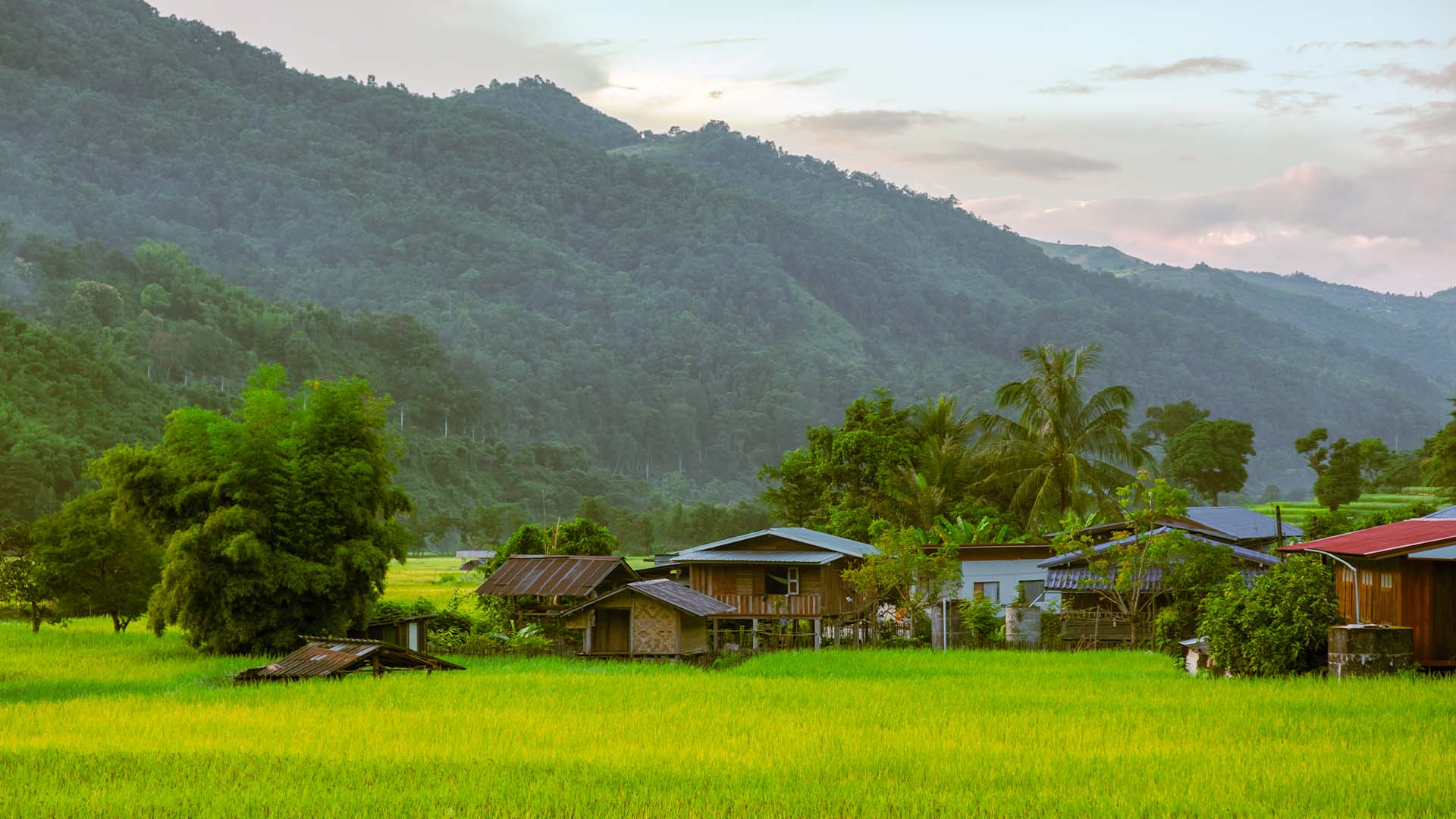
This faculty-led program takes students through three distinct regional experiences. In and around Chiang Mai, they live and work at a renowned permaculture and sustainable-living community and study rural development with academics at a leading Thai university. In Bangkok, they examine urban innovation, social enterprise, and community-led housing in one of Asia's fastest-changing capitals. On the Andaman coast, they take part in a community-based coral-restoration project and assess the impacts of over-tourism firsthand. Throughout, students work alongside universities, grassroots organizations, and local communities on genuine challenges in sustainable agriculture, urban planning, and responsible tourism.
Woven through the program is Thailand's rich cultural and spiritual heritage — Buddhist temples and ceremonies, Lanna traditions and hill-tribe communities, vibrant markets and street-food culture, and the marine ecosystems of the south. Through collaborative research, problem-based projects, and reflective practice, students build strong skills in cross-cultural competency, sustainability analysis, ethical reasoning, and responsible global citizenship, while contributing meaningfully to the communities that host them.
Ideal for students in Business, Tourism and Hospitality, Sustainability, Environmental Studies, and related disciplines — undergraduate and graduate students.
What You'll Do
Key Program Elements
Rural Sustainability and Regenerative Agriculture
- Live and learn at a renowned permaculture and sustainable-living community, with hands-on training in organic farming, seed saving, natural building, and farm-to-table cooking.
- Study academic approaches to rural development and agricultural innovation with faculty at a leading Thai university.
- Visit traditional hill-tribe villages to learn about Fair Trade coffee production and Indigenous community resilience.
- Explore community-based tourism initiatives that balance economic development with cultural preservation.
Urban Development and Social Innovation
- Learn about Thailand's urban development strategies with faculty and researchers at a leading Thai business school.
- Engage grassroots community networks tackling urban poverty and community-led housing.
- Study a waste-management and circular-economy social enterprise.
- Examine how a fast-growing capital balances heritage, livelihoods, and rapid urbanization.
Marine Conservation and Responsible Tourism
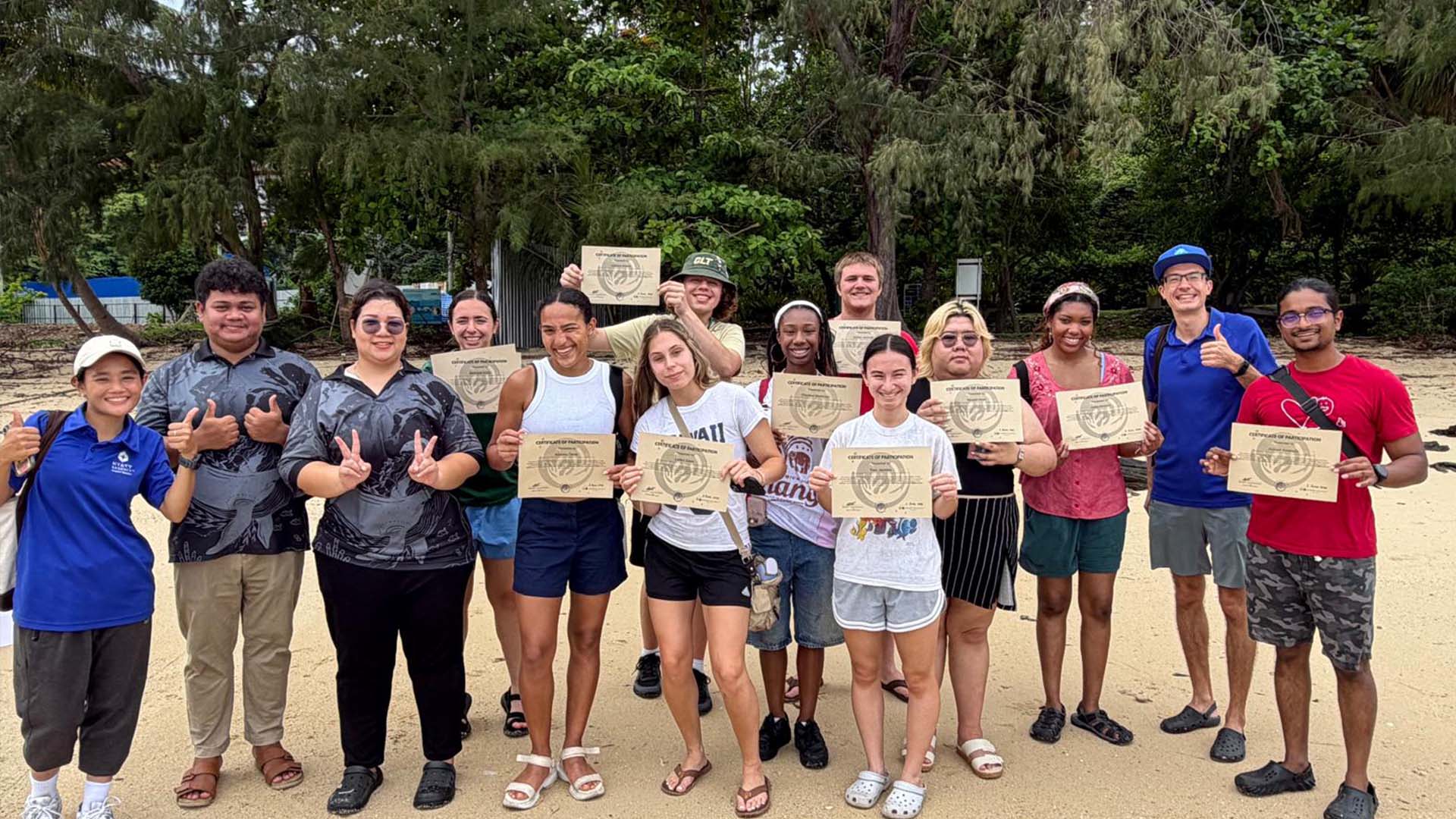
- Take part in a community-based coral-restoration project with a marine-conservation foundation.
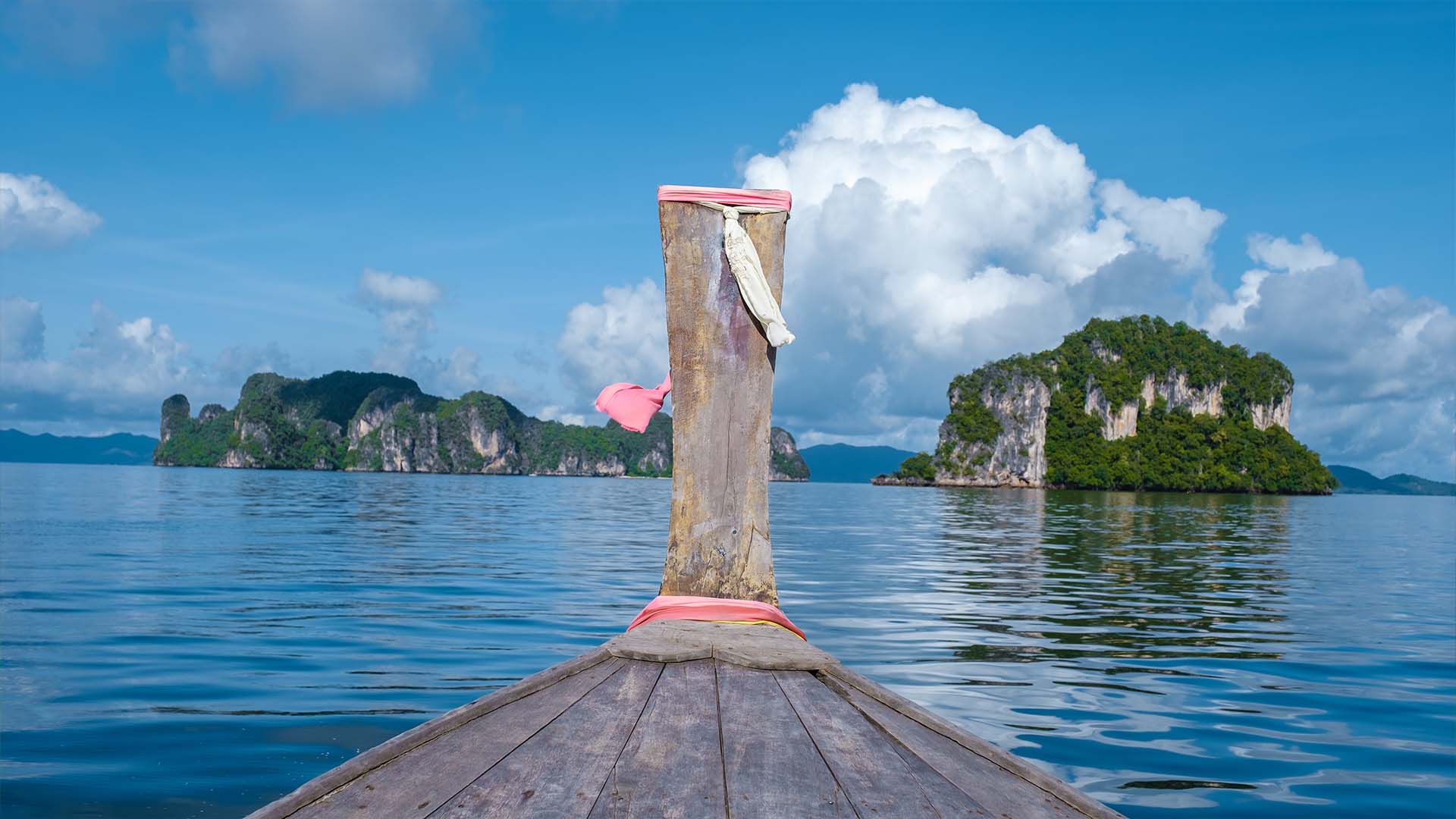
- Visit traditional longtail-boat fishing communities to understand sustainable marine resource management.
- Assess the impacts of over-tourism firsthand at Maya Bay and study its restoration.
- Compare mass tourism with community tourism alternatives across the Andaman coast.
Impact
UN Sustainable Development Goals in Action for this Program
SDG 1: No Poverty
- Engages community-development initiatives in urban and rural villages to understand poverty-alleviation strategies.
- Studies social enterprises and community-led housing that create economic opportunity for marginalized groups.
SDG 4: Quality Education
- Delivers experiential learning through academic partnerships with leading Thai universities.
- Builds cultural competency and global-citizenship skills through immersive, community-based projects.
SDG 6: Clean Water and Sanitation
- Explores sustainable water-resource management with a university water-management center.
- Examines urban water infrastructure, flood management, and the effects of tourism on water quality.
SDG 8: Decent Work and Economic Growth
- Examines social enterprises and community-based businesses that create sustainable employment.
- Studies how responsible tourism can generate decent work while preserving cultural heritage.
SDG 14: Life Below Water
- Participates directly in coral restoration and marine conservation on the Andaman coast.
- Assesses over-tourism impacts on marine ecosystems and studies community-based conservation.
Beyond the Classroom
Program Highlights
sustainable tourism study abroad in Thailand
What You'll Take Home
Learning Outcomes
Sustainable Development in Practice
Understand how rural, urban, and marine communities pursue sustainable development, from regenerative agriculture to responsible tourism.
The Ethics of Global Tourism
Examine the impacts of tourism on communities and ecosystems and weigh the trade-offs between economic growth and conservation.
Community and Cultural Engagement
Work alongside Thai communities and organizations, building cross-cultural understanding through meaningful, respectful engagement.
Responsible Global Citizenship
Develop the perspective and adaptability to contribute responsibly in diverse, real-world settings across three distinct regions.
Day by Day
Sample Itinerary
Program services and inclusions are curated based on the faculty's learning objectives and may vary by cohort. The structure below is representative; the day numbers are approximate, and the specific organizations, sites, and free time may shift.
Arrival in Chiang Mai
Group arrival, airport transfer, and hotel check-in in Chiang Mai.
Orientation and the Old City
A program orientation and safety briefing, a walking tour of Chiang Mai's Old City and its historic temples, and a visit to the lively Warorot Market, followed by a traditional Kantoke-style welcome dinner with Lanna music and dance.
Meals: B, L, DInto the Countryside
Private transfer to a renowned permaculture and sustainable-living community, with orientation and a community dinner on arrival.
Meals: B, L, DRegenerative Living
Hands-on days at the sustainable-living community, with organic farming, natural-building workshops, seed saving, and farm-to-table cooking, closing each day with a group reflection session.
Meals: B, L, DReturn to the City
Final activities at the community and return transfer to Chiang Mai, with a free evening.
Meals: BUniversity Day
A full day at a leading Thai university exploring academic approaches to rural development and sustainability.
Meals: BMountain and Temple
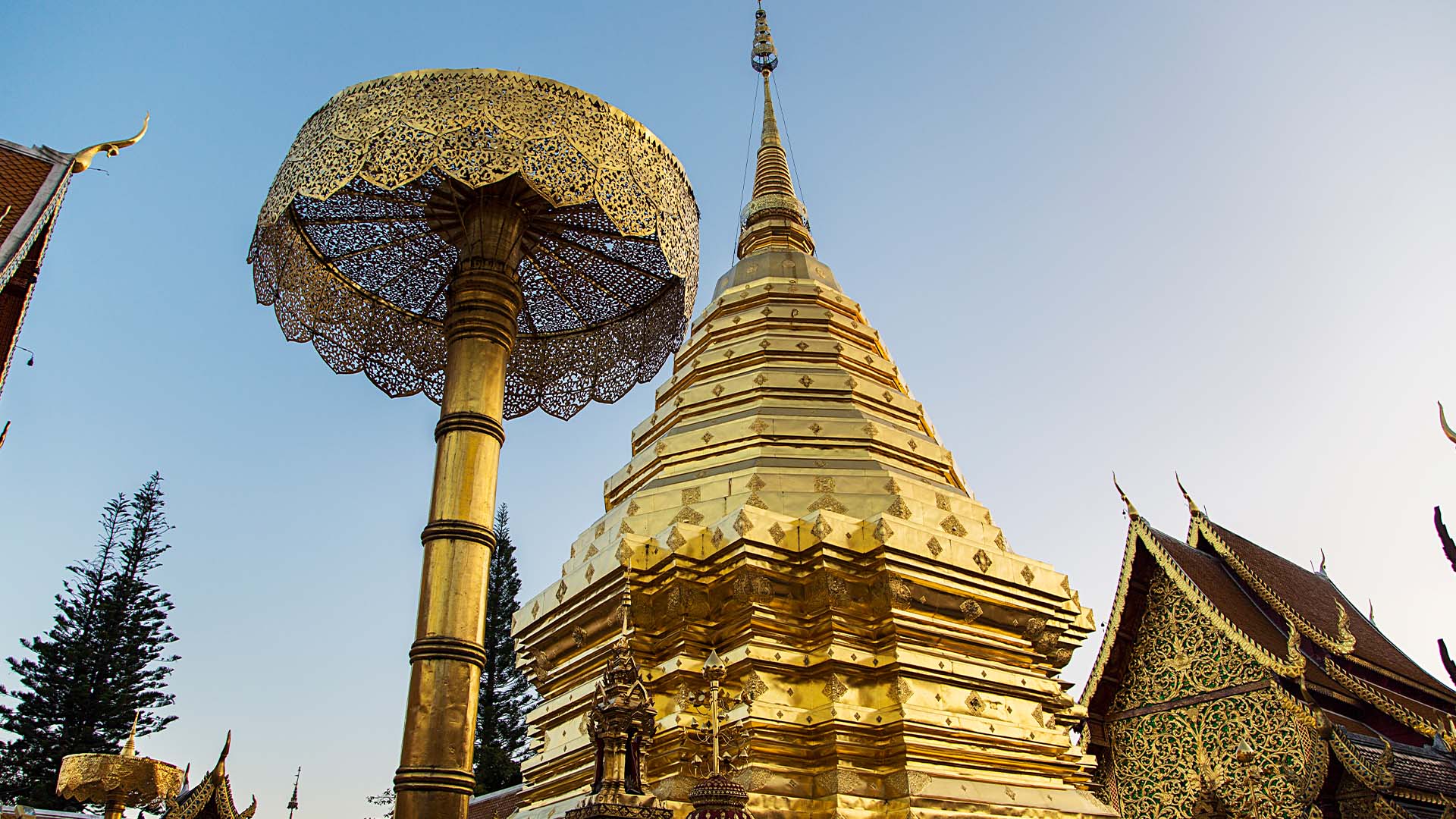
A full-day excursion to Doi Suthep-Pui National Park, including the revered Wat Phra That Doi Suthep and a visit to a traditional hill-tribe village, with a group dinner back in Chiang Mai.
Meals: B, L, DChiang Mai to Bangkok
Morning transfer to the airport and an in-program flight to Bangkok, with a free evening.
Meals: BBangkok and Its Temples
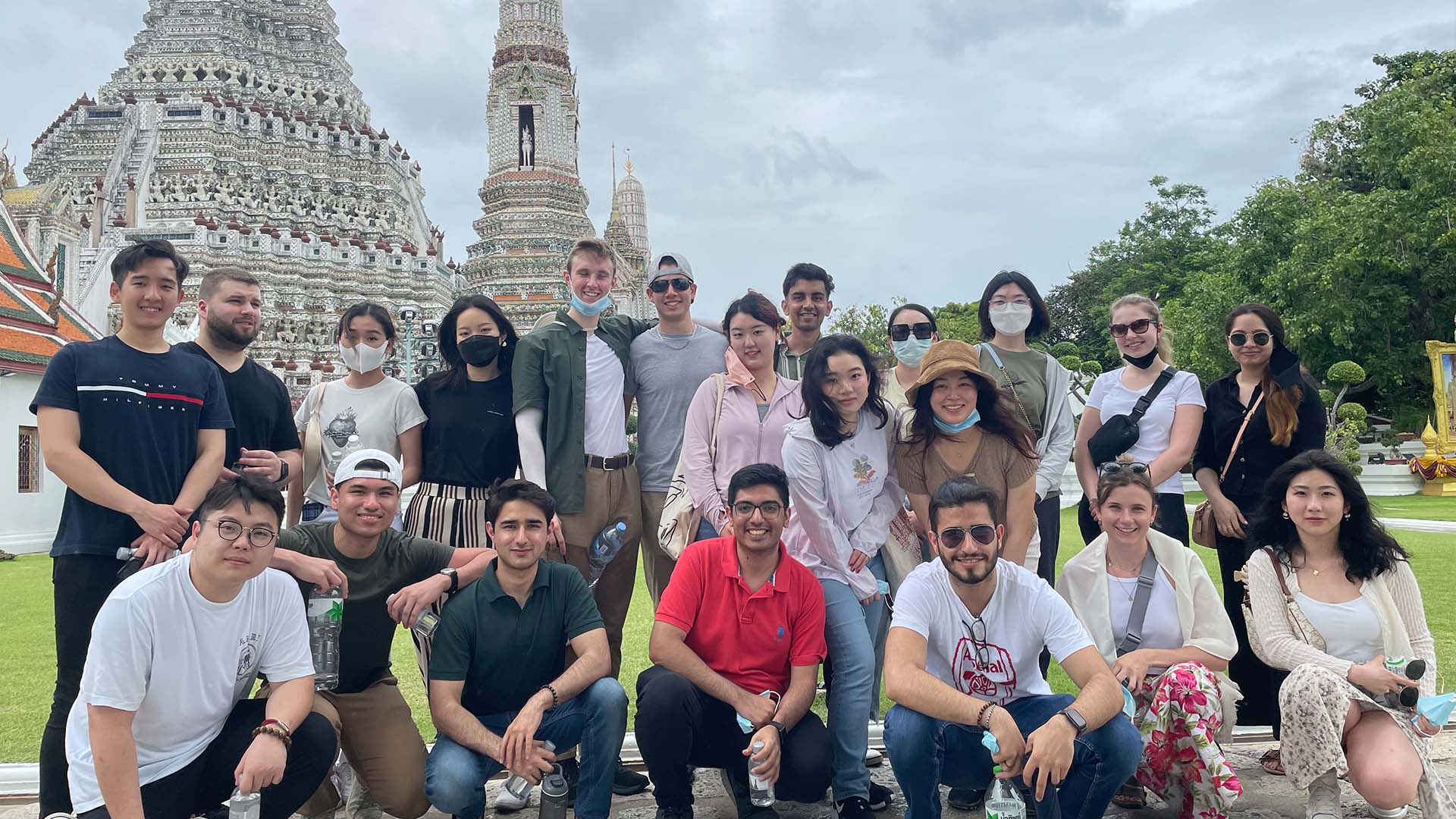
A city orientation and temple tour taking in Wat Benchamabophit (the Marble Temple) and Wat Arun (the Temple of Dawn), followed by a riverside welcome dinner overlooking the Chao Phraya.
Meals: B, DUniversity and Canals
A morning university visit and guest lecture, and an afternoon private long-tail boat tour of Bangkok's historic canals.
Meals: BUrban Innovation
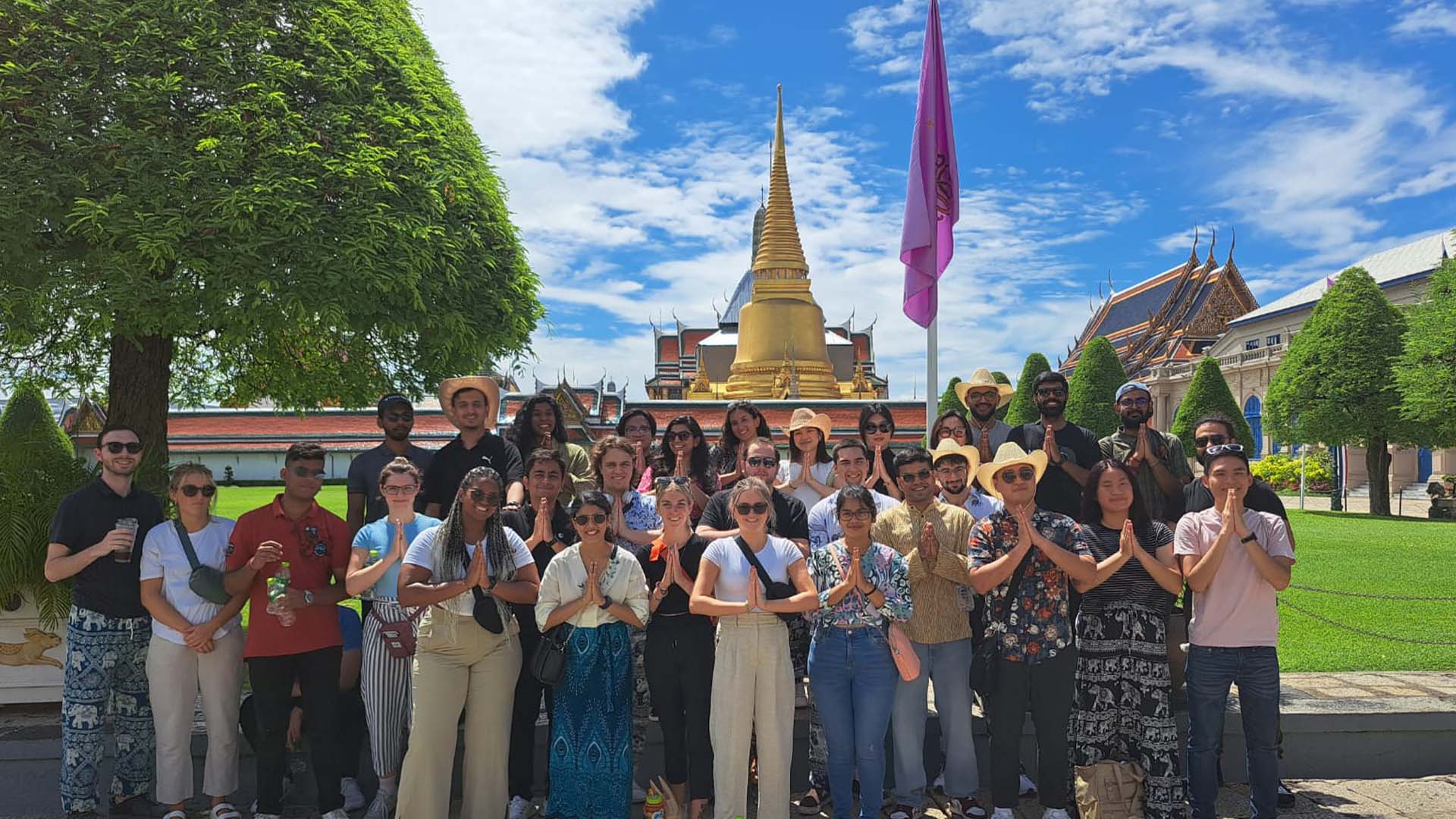
Organization visits, guest lectures, and community engagements exploring urban development and social innovation, alongside a guided tour of the Grand Palace and Wat Pho, home to the giant Reclining Buddha.
Meals: BMarkets and Free Time
A morning at the vast Chatuchak Weekend Market, free time in the afternoon, and a group dinner at a heritage Thai restaurant.
Meals: B, DBangkok to Phuket
Morning transfer and an in-program flight to Phuket, with hotel check-in and time to unwind.
Meals: BPhi Phi Islands
A speedboat trip to the Phi Phi Islands for a Maya Bay impact assessment and a look at community tourism versus mass tourism, with a group lunch and an over-tourism debrief.
Meals: B, LCoral and Coast
A community-based coral-restoration project with a marine-conservation foundation and a visit to a traditional longtail-boat fishing community, followed by a sustainable-seafood dinner.
Meals: B, DMarine and Community
Organization visits, guest lectures, and community engagements exploring marine conservation and responsible tourism, with free evenings.
Meals: BReflection and Preparation
A free day for independent exploration and group-presentation preparation.
Meals: BPresentations and Farewell
Student presentations and reflection sessions, a group lunch, and a farewell dinner overlooking the Andaman Sea.
Meals: B, L, DDeparture
Airport transfer for onward international travel.
Meals: BAt a Glance
Program Snapshot
Meals Included
Sustainability
On-Ground Support
Insurance
Investment
Pricing & Inclusions
Program Cost
From USD $3,130*
≈ AUD $4,400
per participant · twin-sharing basis
Per-participant pricing scales with group size; single-occupancy rooms are available at additional cost. Pricing is quoted in USD; AUD amounts are indicative and based on current exchange rates.
Request a customized quote*Costs may vary depending on group size, program inclusions, number of program days, and other factors. Please contact us for a customized quote.
What's Included
- Accommodation for 22 nights on a bed and breakfast basis (Wi-Fi included), including a multi-night stay at a sustainable-living community
- Private air-conditioned coach transport for transfers, visits, tours, and group meals (drinking water included)
- In-program flights from Chiang Mai to Bangkok and Bangkok to Phuket (checked baggage included)
- Group meals — 23 breakfasts, 7 lunches and 9 dinners
- Coordination of organization, university, and community visits
- Guided cultural tours with English-speaking guides
- Carbon offset for all participants (certificates provided)
- 24x7 on-ground support by a dedicated Authentica Program Manager
- Tips for guides and drivers and all applicable taxes
Good to Know
FAQs About the Program
1. What is the best faculty-led study abroad program in Thailand for sustainability and tourism students?
"Sustainable Tourism and Community Resilience in Thailand" is a 23-day faculty-led study abroad program for business, tourism, sustainability, and environmental-studies students. It combines a permaculture farm stay and university partnerships in Chiang Mai, urban social-innovation visits in Bangkok, and marine-conservation work on the Andaman coast, alongside cultural immersion in temples, markets, and communities across three distinct regions.
2. When is the best time of year to run a study abroad program in Thailand?
The cooler, drier months from roughly November to February are the most comfortable window for travelling across Thailand, though the program can be scheduled to fit your university's academic calendar. Thailand is warm and humid year-round, so lightweight, breathable clothing, sun protection, and good walking shoes are recommended, along with modest attire that covers shoulders and knees for temple visits.
3. Do students need a visa for Thailand?
Visa requirements for Thailand vary by nationality; many international students, including U.S. travellers, can enter visa-free or with a visa on arrival for short stays, while others must arrange a visa in advance. Requirements should be checked early. Authentica provides pre-departure guidance, though obtaining any required visa remains the participant's responsibility.
4. Which organizations and sites does the program engage, and how does the group travel between cities?
The program engages universities, community organizations, social enterprises, and a marine-conservation foundation, alongside public landmarks such as Chiang Mai's Old City temples, Doi Suthep-Pui National Park, Bangkok's Grand Palace and Wat Arun, and the Phi Phi Islands. The group travels between the three regions on in-program flights — Chiang Mai to Bangkok, and Bangkok to Phuket — and moves around each city by private air-conditioned coach.
5. What is included in an Authentica faculty-led study abroad program?
An Authentica faculty-led program includes accommodation, in-program flights, private coach transport, coordination of organization and university visits, guided cultural experiences, group meals, carbon offset, and 24x7 on-ground support from a dedicated Authentica Program Manager. Faculty lead the academics while Authentica manages every logistical and safety detail.
6. What are the accommodations and meals like?
Students stay in centrally located hotels in Chiang Mai, Bangkok, and Phuket on a twin-share, bed and breakfast basis, plus a multi-night stay at a sustainable-living community. The program includes 23 breakfasts, 7 lunches and 9 dinners, with vegetarian, vegan, and other dietary preferences accommodated with advance notice.
7. What should students know about money, cards and tipping?
The local currency is the Thai baht. Cards are widely accepted in cities and tourist areas, though it is useful to carry some cash for markets and rural areas. Tipping is appreciated but not obligatory in Thailand, and tips for guides and drivers are already included in the program.
8. Is Thailand safe for university study abroad groups, and how is risk managed?
Thailand is a popular and generally safe destination for study abroad groups, with ordinary travel precautions the main consideration. Authentica provides 24x7 on-ground support through a dedicated Program Manager, a Day 1 orientation and safety briefing, and a program-specific risk management plan, and carries USD 5M commercial general liability and USD 1M errors and omissions insurance.
Interested in a Similar Program?
Contact us at info@authentica.com to design a faculty-led immersion around your objectives.