

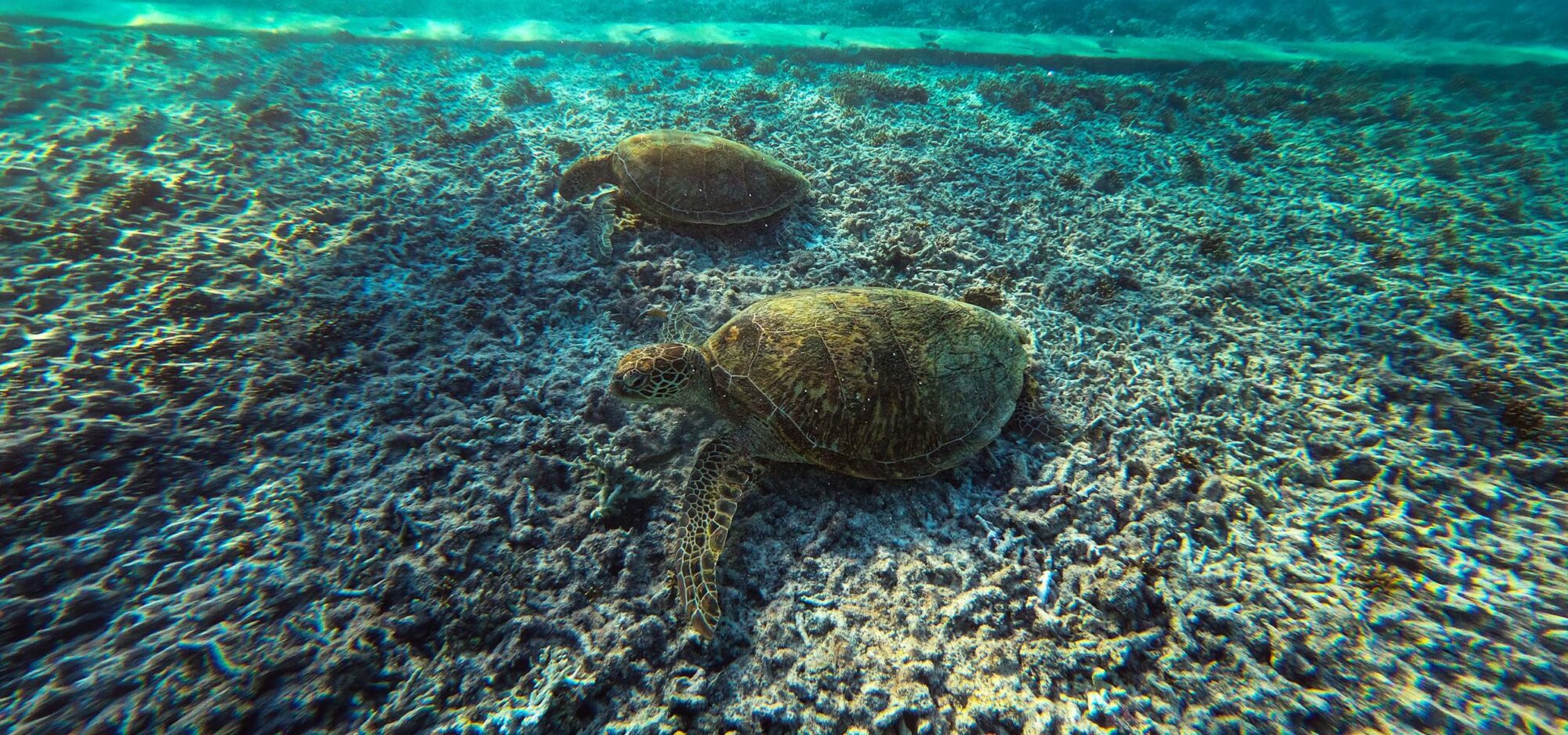
Marine Biology & Reef Conservation
on the Great Barrier Reef
Coral Reef Ecology, Marine Conservation and Field Research Across Cairns, the Great Barrier Reef and the Daintree Rainforest
 Cairns, Australia
STEM
35 Days / 34 Nights
Cairns, Australia
STEM
35 Days / 34 Nights
Sustainable Development Goals in Action
The Destination
Program Overview
Marine biology and reef conservation on the Great Barrier Reef anchor this 35-day faculty-led field program in Cairns, Australia — snorkel-based reef surveys, an island research-station immersion, and the Daintree Rainforest, from USD $5,539 per participant.
The Great Barrier Reef is the world's largest coral reef ecosystem and a UNESCO World Heritage Site, and there are few better places on earth to study marine ecology and conservation. Based in Cairns, on the tropical coast of northern Australia, students sit at the gateway to one of the planet's most biodiverse marine regions — where coral reefs, mangroves, seagrass meadows and tropical rainforest meet, and where the pressures of climate change and tourism on a living ecosystem are unfolding in real time.
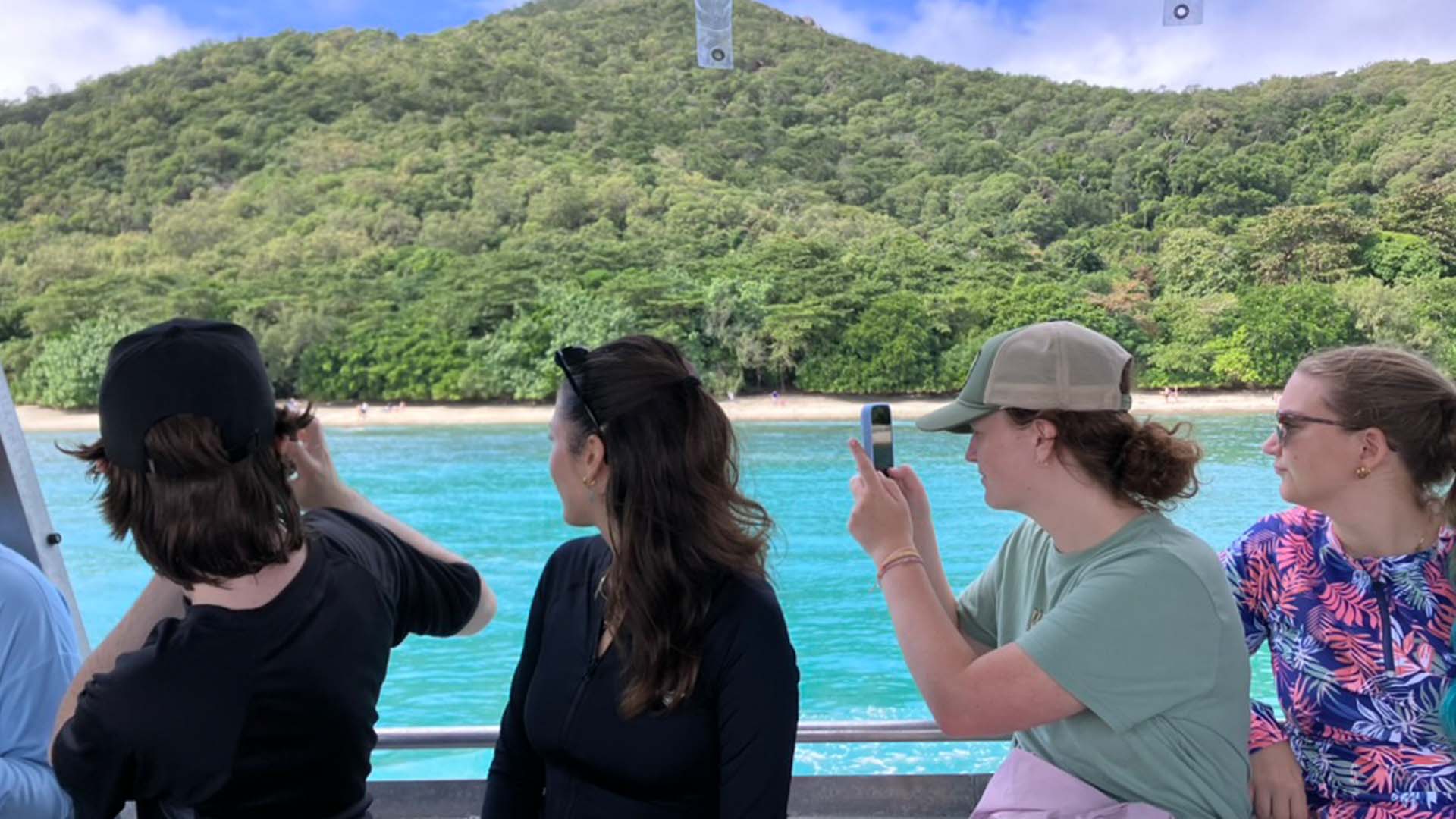
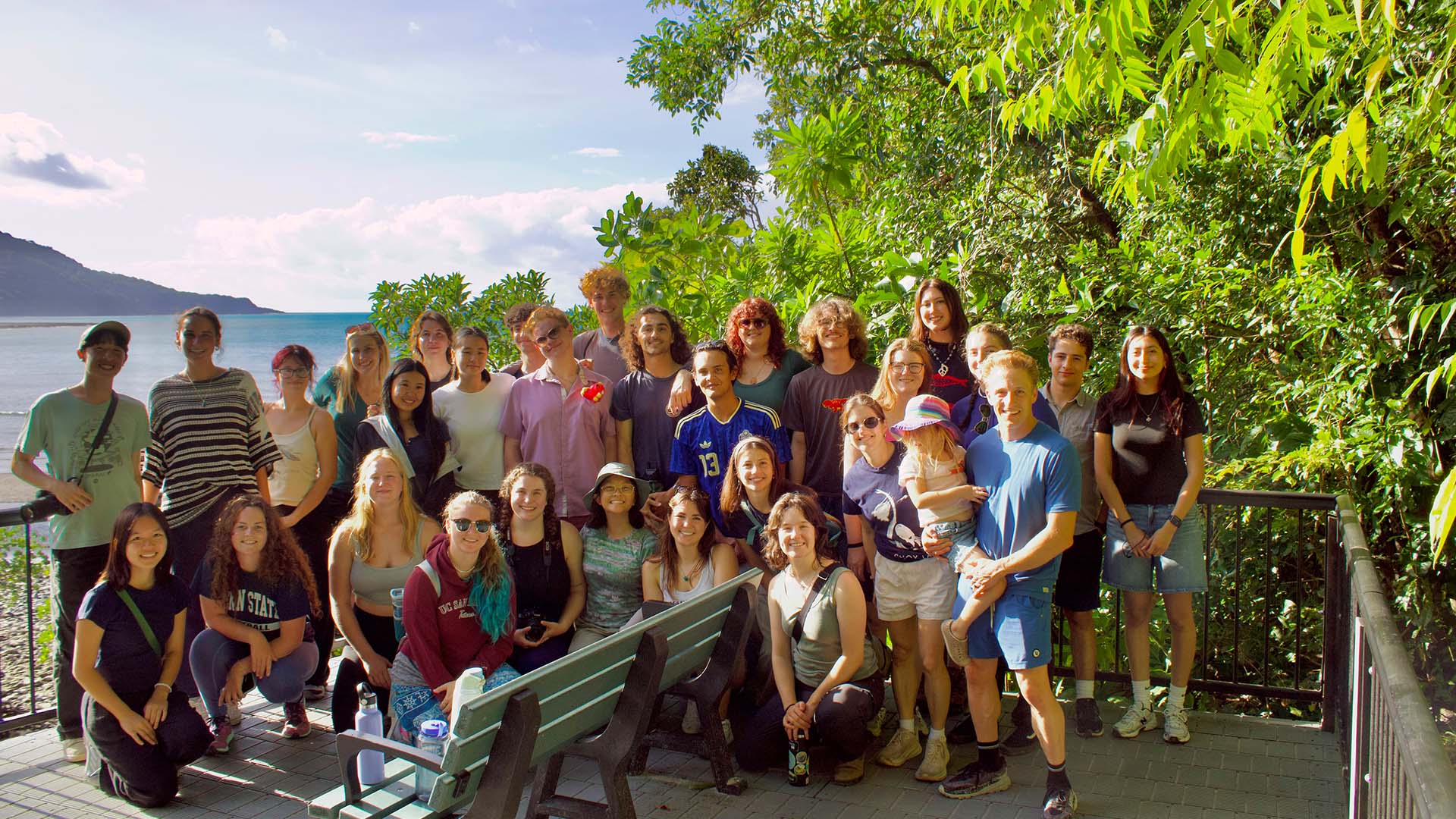
This faculty-led seminar combines classroom instruction with field-based research to explore reef ecology, marine biodiversity and conservation. Students take part in snorkel-based reef surveys, spend nights at an island research station, and visit aquariums, rehabilitation centres and restoration sites, gaining hands-on experience in marine-science methodology. Excursions to outer-reef islands, mangrove systems and the Daintree Rainforest let them observe coral bleaching, reef restoration and the land-sea connections that shape the ecosystem.
Faculty lead the academic program while Authentica provides a seamless on-ground foundation: accommodation, classroom facilities, all local and excursion transport by private coach and ferry, coordination of field and research-station visits, group meals, and a dedicated Authentica Program Manager available 24x7 from orientation to departure. Alongside the science, students explore the coastal culture and natural heritage of tropical Queensland, building strong field-research skills and a grounded understanding of one of the world's most threatened ecosystems.
Ideal for students in Marine Biology, Ecology, Environmental Science, Sustainability and related disciplines — undergraduate and graduate students.
What You'll Do
Key Program Elements
Explore Marine Biodiversity and Ecosystem Function
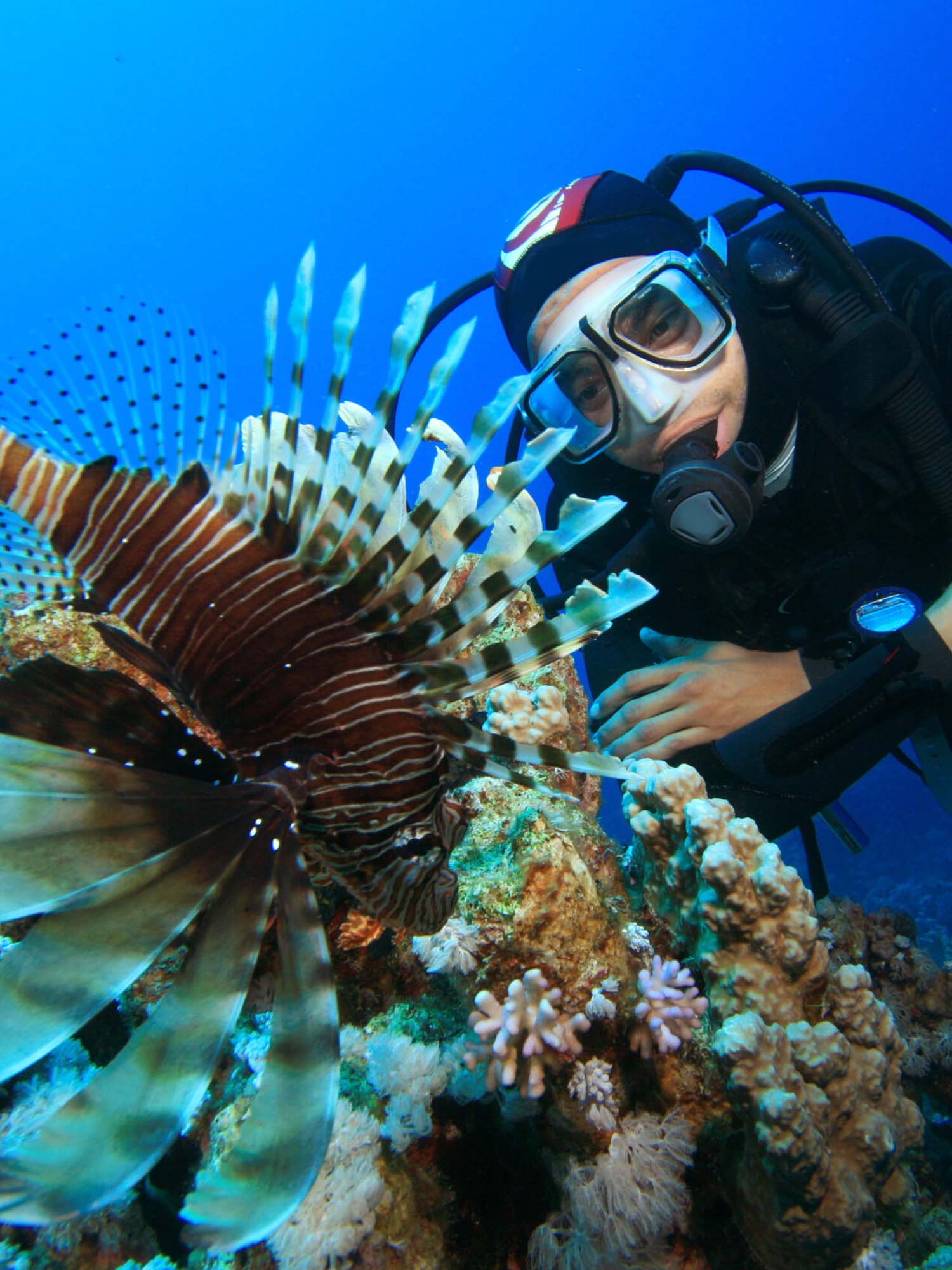
- Study Australian marine biodiversity and species adaptations at aquariums and through reef snorkeling.
- Observe coral-reef ecology and symbiotic relationships during an island research-station immersion.
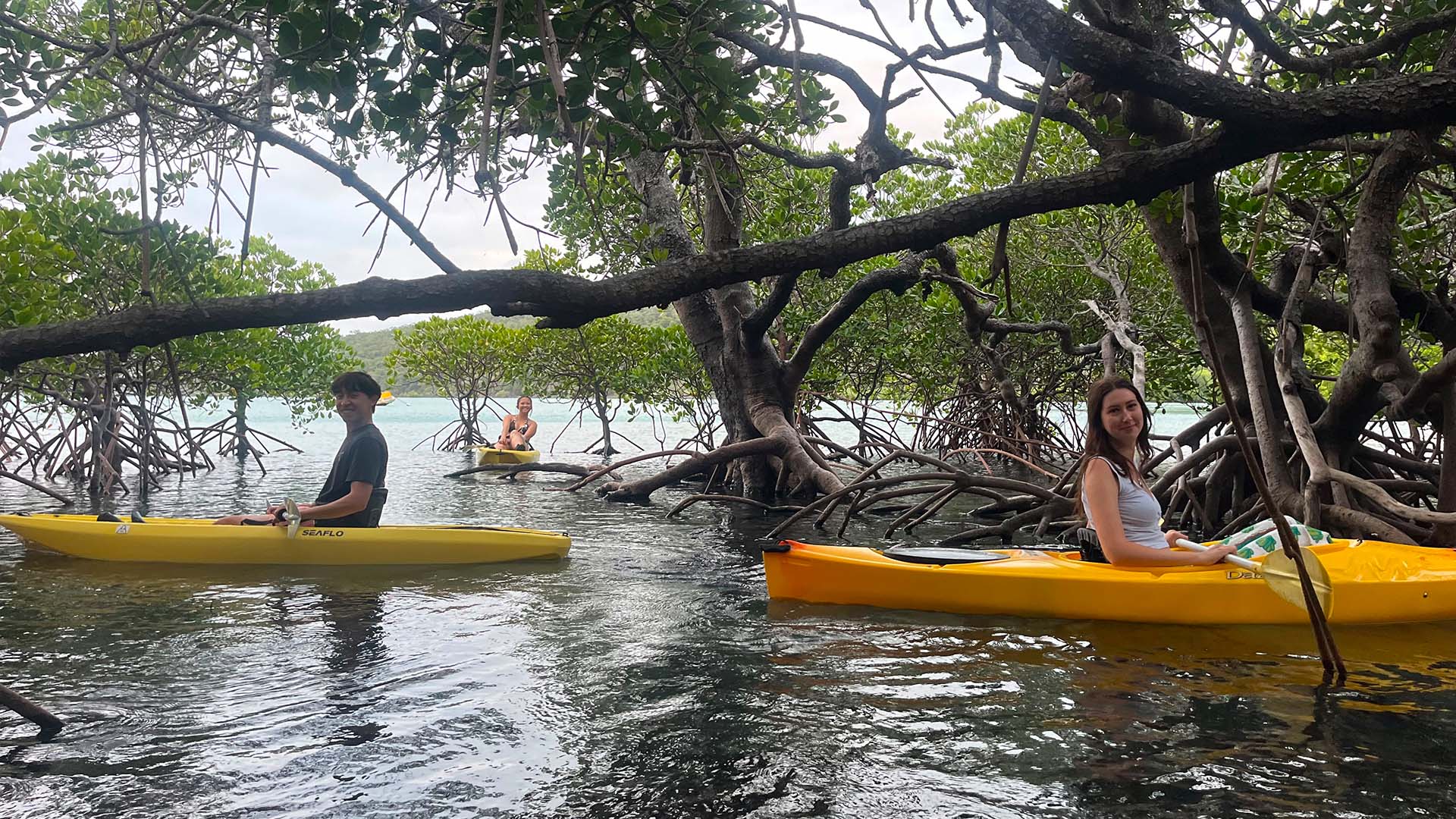
- Explore mangrove and seagrass systems to understand coastal wetland ecosystems and their functions.
Examine Conservation, Rehabilitation and Climate Impacts
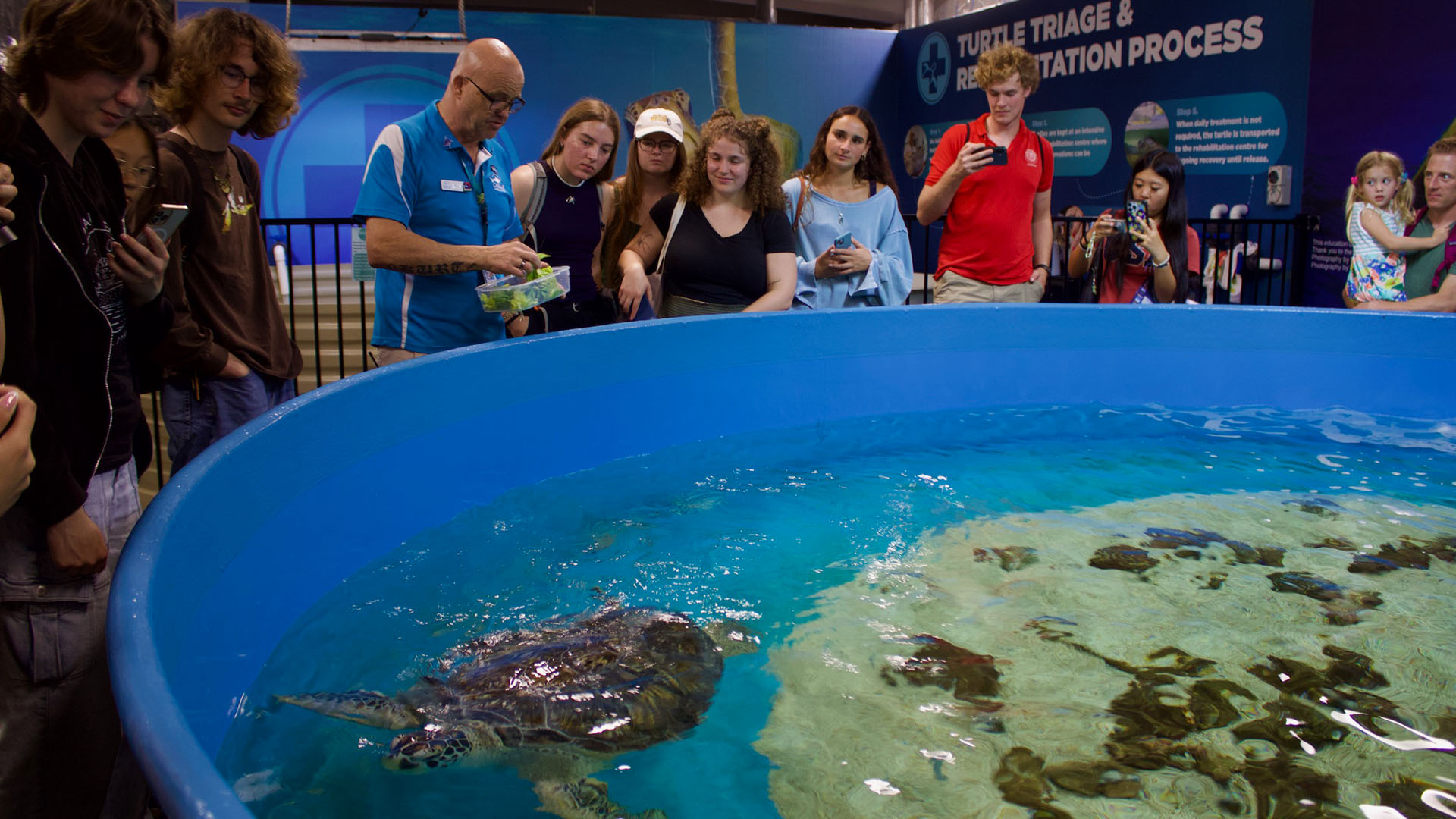
- Learn about sea-turtle conservation and threats to marine megafauna at a rehabilitation centre.
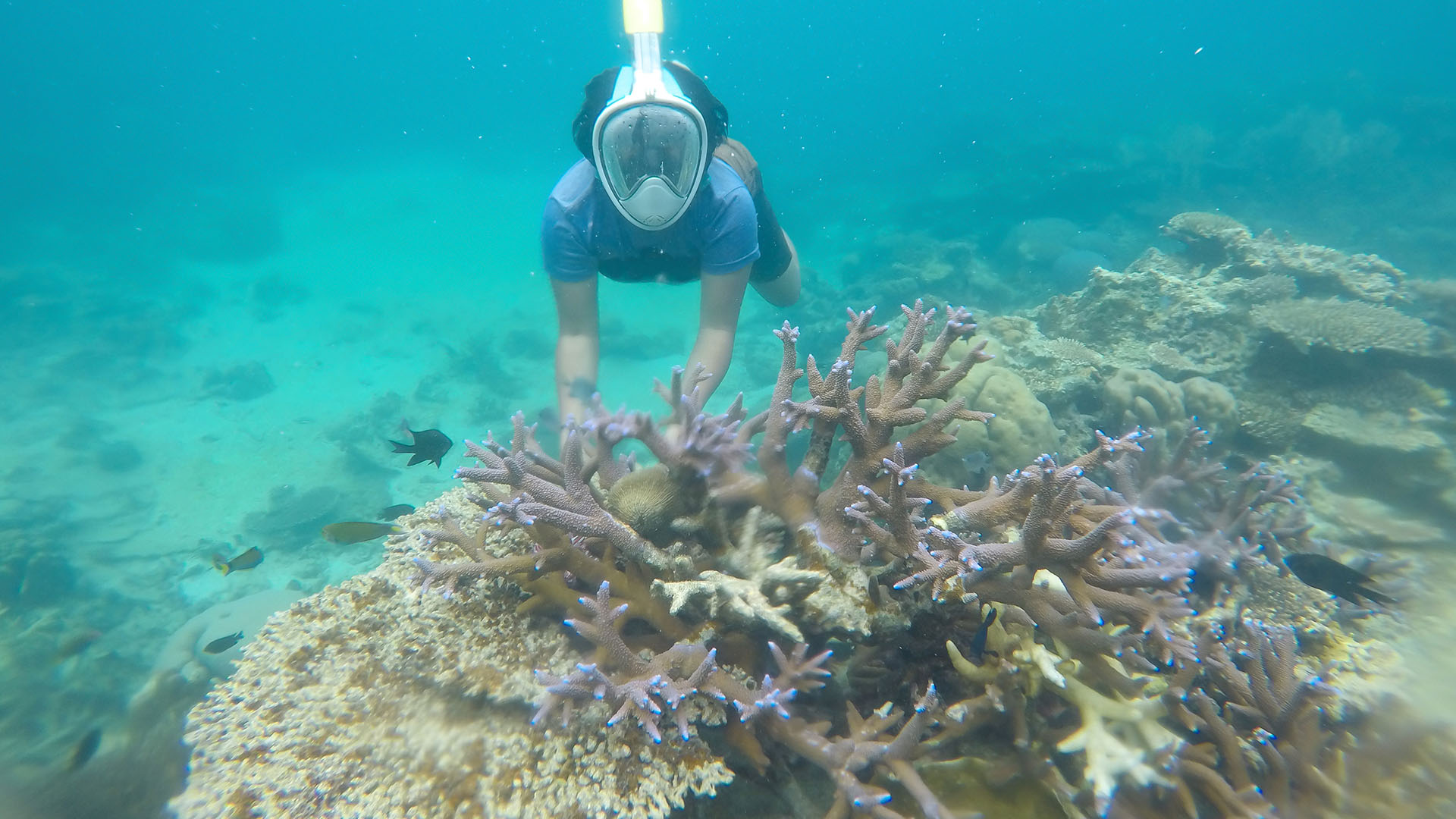
- Document coral bleaching and study reef restoration and climate-adaptation strategies.
- Understand marine-park management, spatial planning and responses to threats such as crown-of-thorns outbreaks.
Understand Sustainable Tourism and Ecosystem Connections
- Explore the intersection of tourism and conservation on a working reef.
- Trace land-sea connections through tropical rainforest and coastal excursions.
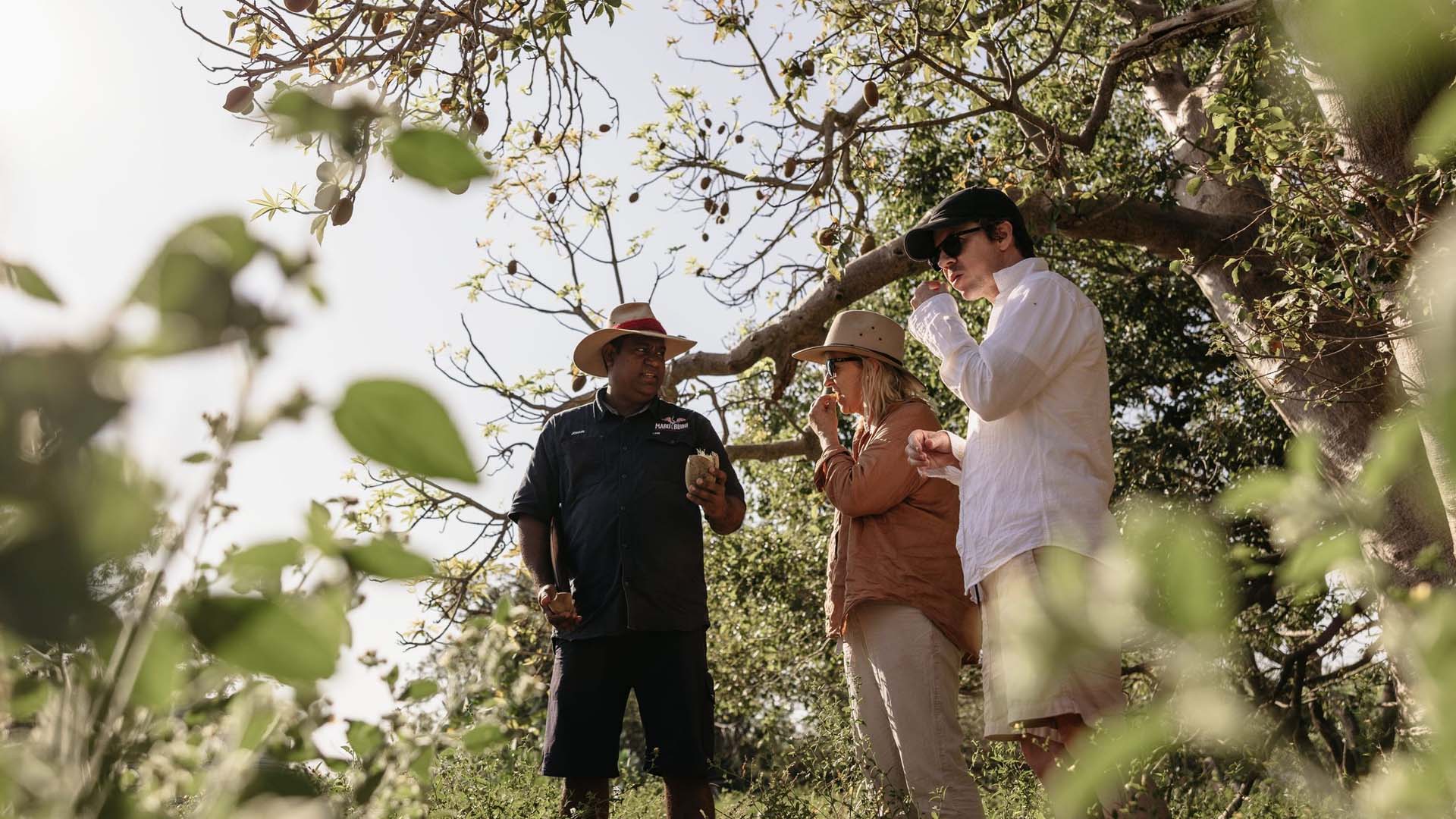
- Engage with indigenous land-management knowledge and take part in beach-cleanup and marine-debris studies.
Impact
UN Sustainable Development Goals in Action for this Program
SDG 4: Quality Education
- Delivers transformative, field-based marine-science education that cannot be replicated in a classroom alone.
- Build practical research skills through reef surveys, station-based fieldwork and guided excursions.
SDG 12: Responsible Consumption and Production
- Examine sustainable-tourism models and the balance between visitor economies and reef conservation.
- Studies marine-debris impacts through beach-cleanup and monitoring activities.
SDG 13: Climate Action
- Documents coral bleaching and ecosystem responses to a changing climate.
- Explores reef restoration and climate-adaptation strategies on a living reef.
SDG 14: Life Below Water
- Engages directly with coral-reef, seagrass and mangrove ecosystems through snorkel-based surveys and fieldwork.
- Studies marine conservation, rehabilitation and the management of a World Heritage marine ecosystem.
SDG 15: Life on Land
- Connects terrestrial and marine systems through tropical-rainforest and coastal excursions.
- Explores biodiversity and ecological gradients across rainforest, coast and ocean.
Beyond the Classroom
Program Highlights
What You'll Take Home
Learning Outcomes
Marine Ecology and Biodiversity
Understand coral-reef, seagrass and mangrove ecosystems and the species and processes that sustain them.
Conservation and Climate Science
Examine marine conservation, rehabilitation and the impacts of climate change on reef ecosystems.
Marine Research Techniques
Build hands-on skills in reef survey methods, data collection and field documentation.
Sustainability and Global Perspective
Connect science, tourism and stewardship to the sustainable management of a World Heritage ecosystem.
Day by Day
Sample Itinerary
Program services and inclusions are curated based on the faculty's learning objectives and may vary by cohort. The structure below is representative; the day numbers are approximate, and the timing of classes, excursions and free days may shift.
Arrival in Cairns
Group arrival and airport transfers to the hotel, with time to settle before the program begins.
Orientation and Welcome
A classroom orientation and introduction to marine ecosystems and processes, followed by a group welcome dinner.
Meals: B, DAquarium and Mangrove Field Day
A guided field excursion to a marine aquarium and a mangrove boardwalk to study coastal wetland ecosystems.
Meals: BMarine Science Classroom Block
Classroom sessions on invertebrate and fish diversity, seagrass and mangrove ecosystems, coral-reef ecology and the threats facing coral reefs, with free days for independent exploration.
Meals: BReef Island Day Trip
A guided day trip to a reef island with snorkeling equipment and a glass-bottom-boat tour.
Meals: B, LReef Systems Classroom Block
Classroom sessions on marine food webs, species interactions, energy and production and nutrient cycles, with free days.
Meals: BIsland Research-Station Immersion
A multi-night field immersion at an island research station, reached by coach and ferry, with dormitory accommodation, snorkeling and hands-on reef fieldwork.
Meals: Full boardEcology Classroom Block
Classroom sessions on ecological gradients, biodiversity hotspots and rainforest-coastal-ocean linkages, with free days.
Meals: BRainforest and Cape Tribulation Excursion
An overnight excursion to the Daintree Rainforest and Cape Tribulation, with a wildlife-habitat visit, a guided rainforest walk and a river cruise through the mangroves.
Meals: B, LFinal Classroom Block
Remaining sessions on marine turtles and mammals and the final examination, with free days.
Meals: BFarewell Dinner
A concluding day in Cairns and a group farewell dinner.
Meals: B, DDeparture
Check-out and group airport transfers for onward travel.
Meals: BAt a Glance
Program Snapshot
Meals Included
Sustainability
On-Ground Support
Insurance
Investment
Pricing & Inclusions
Program Cost
From USD $5,539*
≈ AUD $7,750 (approx.)
per participant · twin-sharing basis
Per-participant pricing scales with group size; single-room supplements are available at additional cost. Pricing is quoted in USD; AUD amounts are indicative and based on current exchange rates.
Request a customized quote*Costs may vary depending on group size, program inclusions, number of program days, and other factors. Please contact us for a customized quote.
What's Included
- Accommodation throughout the program on a bed and breakfast basis (Wi-Fi included), including a central Cairns hotel and stays during the research-station and rainforest excursions
- Private coach transport for airport transfers, excursions and activities per the itinerary
- A dedicated classroom at a central Cairns university campus
- Group meals — daily breakfast, welcome and farewell dinners, excursion lunches and full board at the research-station stay
- Guided field excursions and cultural experiences with local guides
- Coordination of research-station and field visits
- Travel insurance and 24x7 on-ground support by an Authentica Program Manager
- Carbon offset for all participants (certificates provided)
- Pastoral care, tips for guides and drivers, and all applicable taxes
Good to Know
FAQs About the Program
1. What is the best faculty-led study abroad program in Australia for marine biology students?
"Marine Biology and Reef Conservation on the Great Barrier Reef" is a five-week faculty-led study abroad program for marine-biology, ecology and environmental-science students. It combines classroom instruction with snorkel-based reef surveys, a multi-night island research-station immersion, and excursions to the Great Barrier Reef and the Daintree Rainforest, based in Cairns, Australia.
2. When is the best time of year to run a marine biology study abroad program in Australia?
The Australian winter months, from around June to August, are an excellent window to run this program in tropical north Queensland — the dry season brings warm, settled weather, good water clarity and comfortable conditions for reef fieldwork. The program can be scheduled to fit your university's academic calendar.
3. Do students need a visa for Australia?
Yes — most international students, including U.S. travellers, need a visa or an Electronic Travel Authority to enter Australia, which can usually be arranged online in advance. Requirements should be checked early. Authentica provides pre-departure guidance, though obtaining the required visa remains the participant's responsibility.
4. Which sites does the program engage, and how does the group travel between them?
The program involves marine aquariums, rehabilitation and research centres and an island research station, alongside public natural landmarks such as the Great Barrier Reef, the Daintree Rainforest and Cape Tribulation. The group travels by private coach and by ferry to island sites, with all logistics coordinated by Authentica.
5. What is included in an Authentica faculty-led study abroad program?
An Authentica faculty-led program includes accommodation, classroom facilities, all local and excursion transport, coordination of field and research-station visits, guided experiences, group meals, carbon offset, and 24x7 on-ground support from a dedicated Authentica Program Manager. Faculty lead the academics while Authentica manages every logistical and safety detail.
6. What are the accommodation and meals like?
Students stay in a centrally located Cairns hotel on a twin-share, bed and breakfast basis with Wi-Fi included, and in dormitory accommodation during the island research-station immersion. Meals include daily breakfast, welcome and farewell dinners, excursion lunches and full board at the research station, with dietary preferences accommodated.
7. What should students know about money, cards and tipping?
The local currency is the Australian dollar. Cards are widely accepted across Cairns, and tipping is not expected in Australia, though it is appreciated for exceptional service; tips for guides and drivers are already included in the program.
8. Is Australia safe for university study abroad groups, and how is risk managed?
Australia is one of the safest destinations for study abroad groups, with ordinary travel precautions — sun protection and water safety on the reef — the main considerations. Authentica provides 24x7 on-ground support through a dedicated Program Manager, an on-site orientation and safety briefing, a program-specific risk management plan, and carries US$5M commercial general liability and US$1M errors and omissions insurance.
Interested in a Similar Program?
Contact us at info@authentica.com to design a faculty-led immersion around your objectives.