

Engineering and Design
Immersion in Japan
Where Traditional Craftsmanship Meets Future Technology — Across Tsukuba, Kyoto, Osaka and Tokyo
 Japan
STEM
15 Days / 14 Nights
Japan
STEM
15 Days / 14 Nights
Sustainable Development Goals in Action


The Destination
Program Overview
Engineering and design immersion in Japan is a 15-day faculty-led STEM program that traces how Japan integrates traditional craftsmanship with future technology across Tsukuba, Kyoto, Osaka, and Tokyo, from USD $2,694 per student. Students examine seismic-resilient engineering, human-centered design, advanced transportation, and the principles of Society 5.0.
Japan is one of the world's great laboratories for engineering and design, a place where centuries-old craftsmanship sits alongside a national vision for future technology. This program takes students from the research corridors of Tsukuba to the historic workshops of Kyoto, the future-city ambitions of Osaka, and the innovation districts of Tokyo, tracing how Japanese engineering and design integrate tradition with cutting-edge technology.
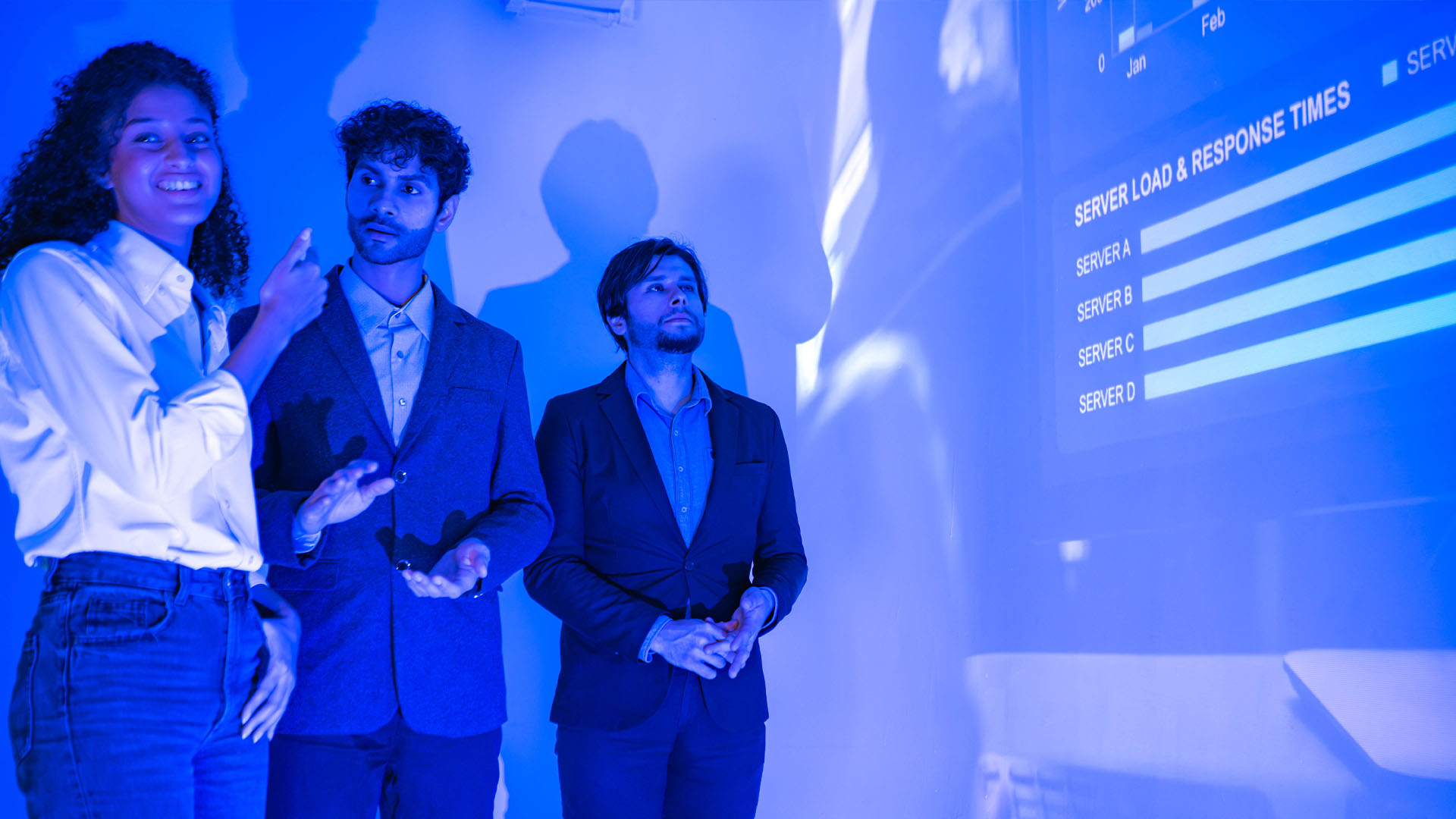
Through visits to research facilities, design studios, and manufacturing and innovation sites—balanced with hands-on cultural immersions, students examine seismic-resilient structural engineering, human-centered design, advanced transportation, sustainable energy, and the principles of Society 5.0. Daily engagements are curated around clear learning objectives, giving students a first-hand view of how cultural context shapes engineering and design solutions in Japan.
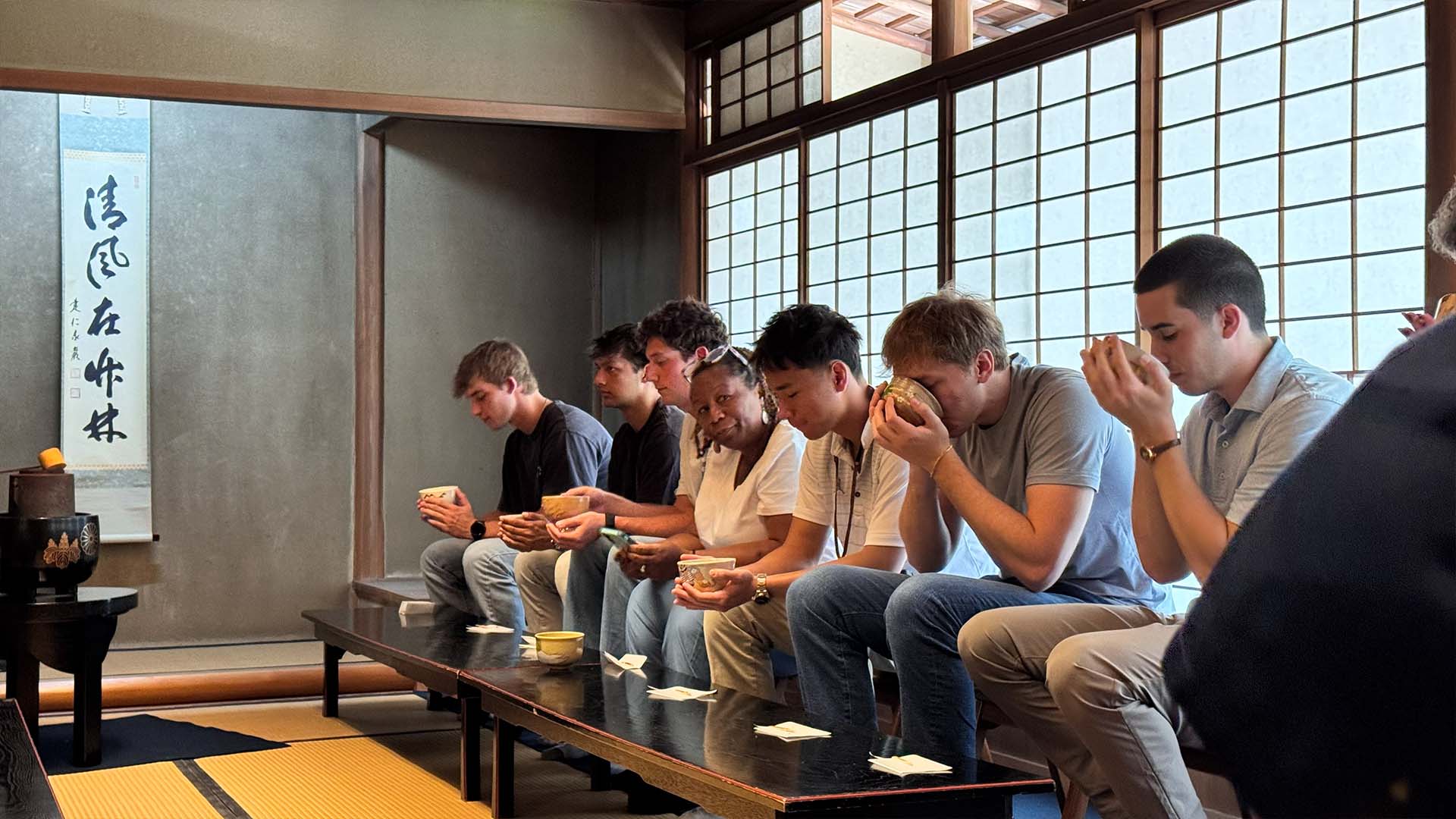
Alongside the technical program, students experience Japan's living heritage, temples and gardens, a traditional tea ceremony, and the streets of old Kyoto and Tokyo, building cultural competency, systems thinking, and a deeper understanding of how tradition and innovation reinforce one another in one of the world's most advanced economies.
Ideal for students in Engineering, Product and Industrial Design, Architecture, Technology, and related STEM disciplines — undergraduate and graduate students.
What You'll Do
Key Program Elements
Engineering and Design in Practice
- Visit research facilities, design studios, and manufacturing sites to see how Japanese engineering integrates precision, quality, and craftsmanship.
- Study seismic-resilient structural engineering and the human-centered design behind everyday products and spaces.
- Examine robotics, automation, and advanced manufacturing in a world-leading innovation ecosystem.
Future Technology and Urban Innovation
- Explore future-city concepts, smart-city data systems, and the principles of Society 5.0.
- Learn about advanced transportation engineering, including next-generation rail, and sustainable energy engineering.
- Engage with digital art and interactive technology and with startup and entrepreneurship ecosystems.
Tradition, Craft and Cultural Context
- Experience a traditional tea ceremony and Japanese archery as studies in ergonomics, precision, and mindful design.
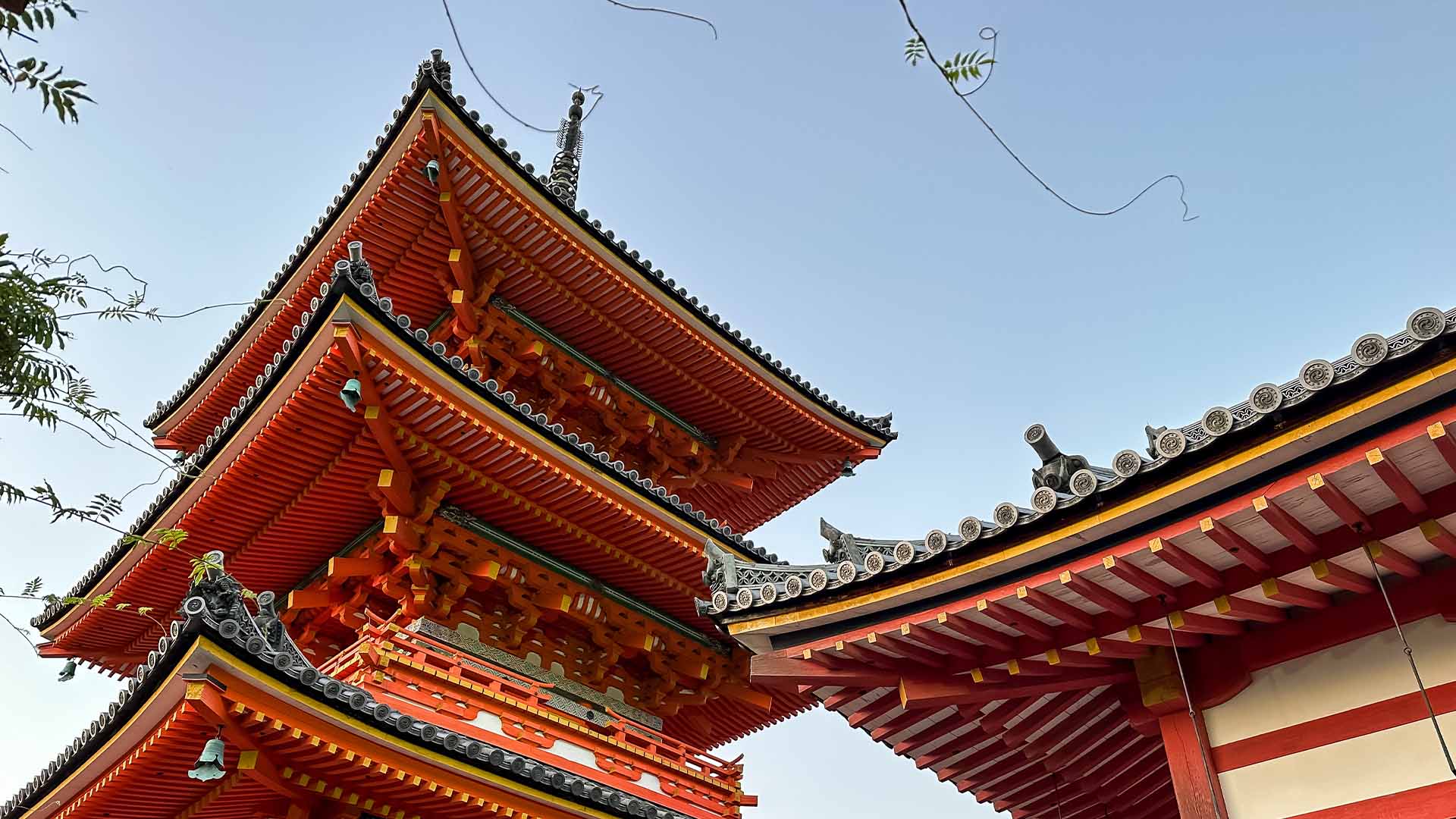
- Explore historic districts, temples, and gardens in Kyoto and Tokyo and their design principles.
- Understand how traditional craftsmanship and materials science inform modern engineering.
Impact
UN Sustainable Development Goals in Action for this Program
SDG 4: Quality Education
- Provides immersive, hands-on learning in engineering and design through direct exposure to cutting-edge technology and manufacturing.
- Builds critical thinking, problem-solving, and cross-cultural perspective in STEM education.
SDG 8: Decent Work and Economic Growth
- Examines a world-leading manufacturing and innovation ecosystem and the integration of traditional craftsmanship with modern technology.
- Explores the role of robotics, automation, and entrepreneurship in future industry.
SDG 11: Sustainable Cities and Communities
- Studies advanced public transportation, smart-city initiatives, and urban planning that balance efficiency with quality of life.
- Examine disaster-resilient infrastructure and the blend of traditional and modern architecture.
SDG 12: Responsible Consumption and Production
- Studies efficient manufacturing, circular-economy principles, and sustainable material use in engineering and design.
- Explores waste reduction achieved through innovative design.
Beyond the Classroom
Program Highlights

What You'll Take Home
Learning Outcomes
Engineering and Design Insight
Gain firsthand understanding of how Japanese engineering and design integrate precision, craftsmanship, and cutting-edge technology across research, manufacturing, and the built environment.
Innovation and Future Technology
Explore future-city concepts, advanced transportation, robotics, and sustainable-energy engineering, and the vision of Society 5.0.
Cultural Competency and Context
Understand how cultural context, tradition, and craftsmanship shape engineering and design decisions, and build the intercultural competency to work across cultures.
Sustainability and Responsible Design
Examine circular-economy principles, efficient manufacturing, and sustainable materials, and consider how responsible design reduces environmental impact.
Day by Day
Sample Itinerary
Specific organizations and facilities visited are curated based on the faculty's learning objectives and may vary by cohort. The categories below reflect the types of engagements included in this program.
Arrival and Tsukuba Base
Arrival in Japan and transfer to the science-city of Tsukuba for check-in. Orientation and safety briefing led by the Authentica Program Manager.
Meals: BWelcome and Program Kick-Off
Program orientation and a group welcome dinner to open the immersion.
Meals: B, DResearch and Engineering in Tsukuba
Full days of facility and research visits exploring structural engineering, precision, and future technology, with a traditional tea ceremony and a Japanese archery experience.
Meals: BMount Tsukuba and Ushiku Daibutsu
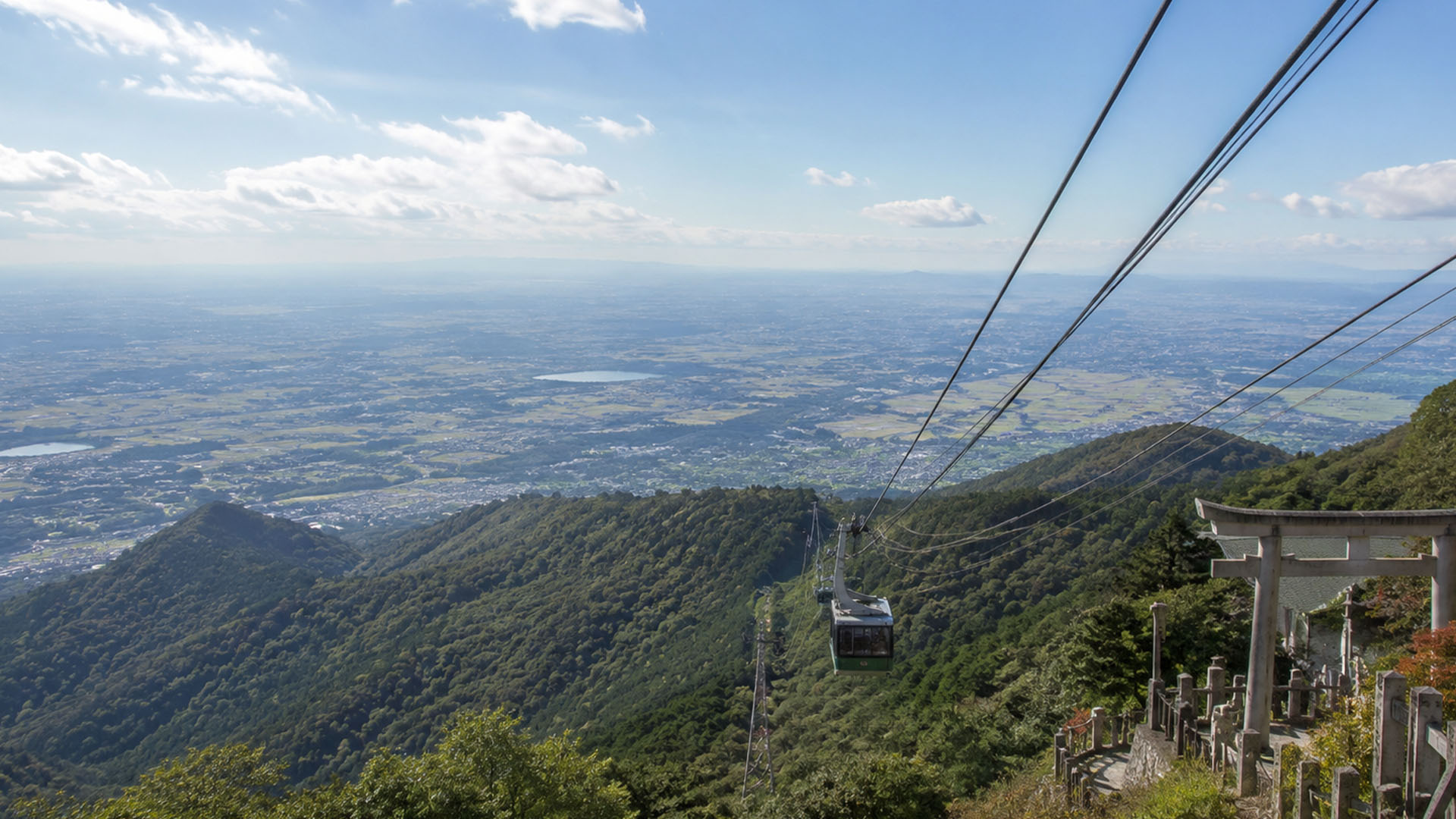
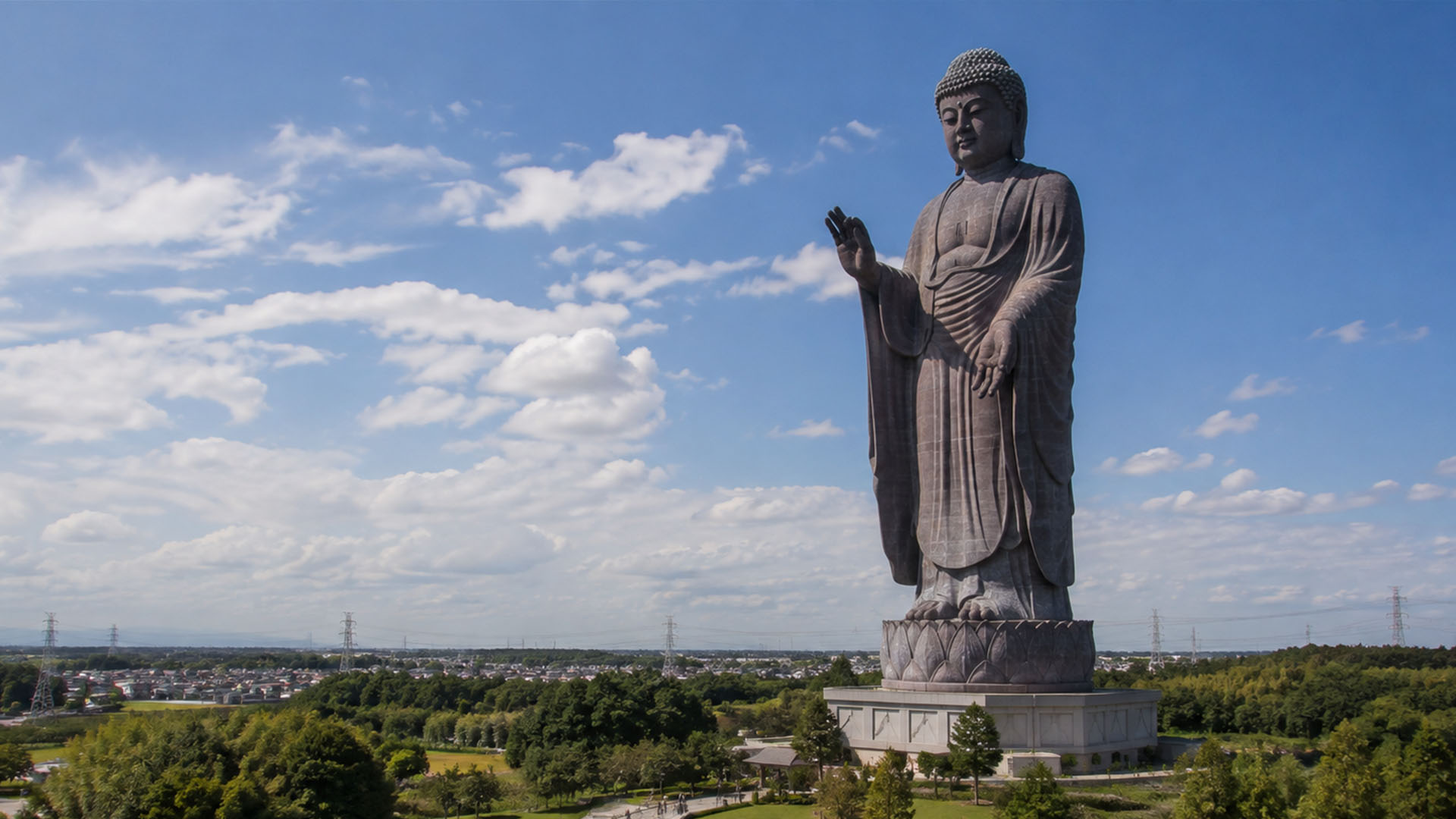
A cultural and engineering day: Mount Tsukuba by ropeway with historic shrines, and one of the world's tallest bronze Buddha statues explored as a structural achievement.
Meals: BTransfer to Kyoto
High-speed rail from the Tokyo area to Kyoto, with luggage forwarded separately, and hotel check-in.
Meals: BKyoto — Craft, Design and Heritage
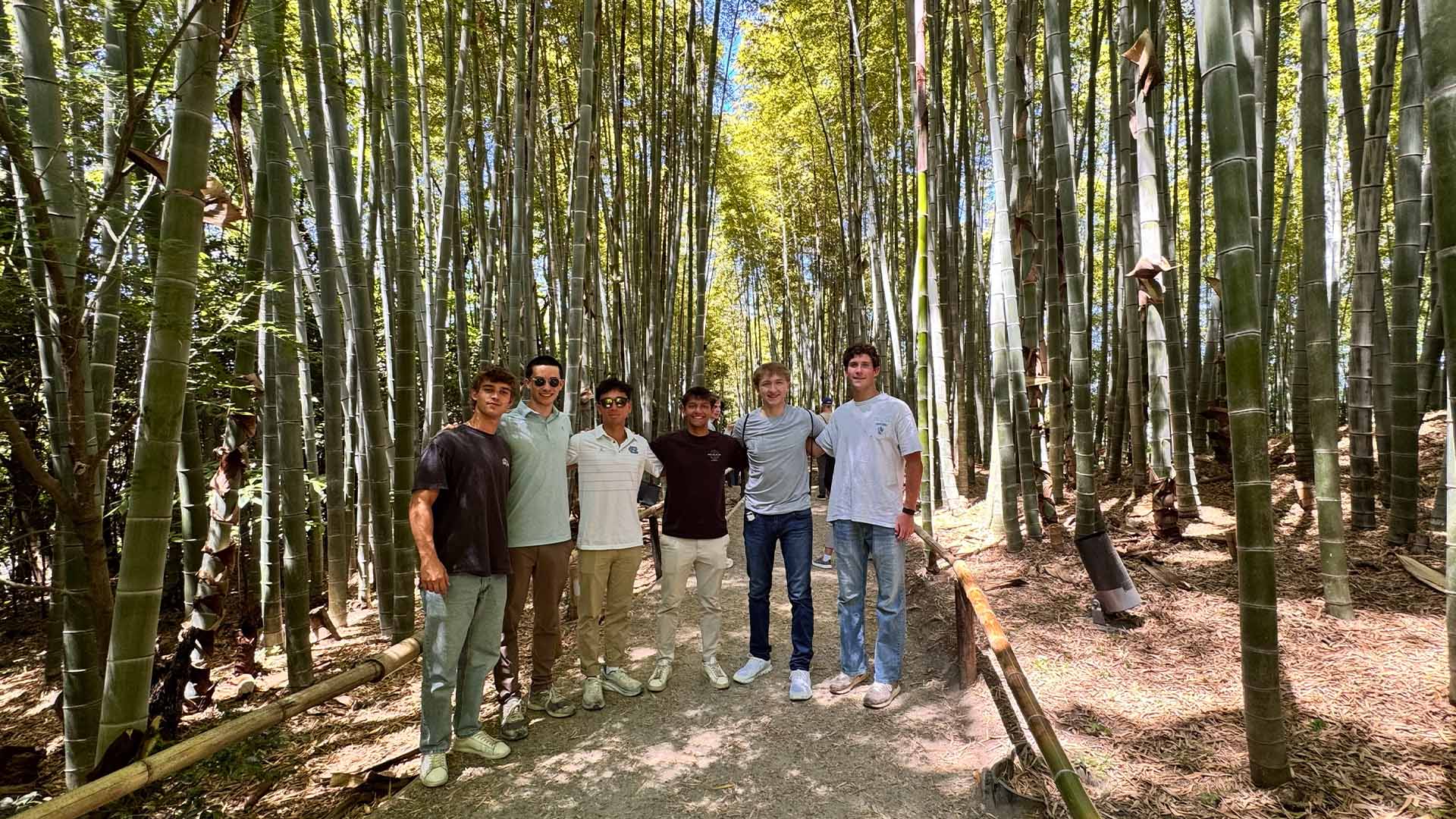
Design and craft engagements alongside cultural immersions in the Arashiyama and Higashiyama districts — the bamboo grove, historic temples, and preserved streets.
Meals: BTransfer to Osaka and Future City
Transfer to Osaka and a visit to a future-focused international exposition on emerging technology, sustainable design, and the vision for future society.
Meals: BOsaka — Innovation and Urban Systems
Visits exploring advanced manufacturing, urban systems, and future-city technology across the Kansai region.
Meals: BTransfer to Tokyo
High-speed rail to Tokyo, with luggage forwarded separately, and check-in.
Meals: BTokyo — Technology, Digital Art and Old Tokyo
Innovation and technology engagements, an immersive digital-art experience, and an immersion in old Tokyo, including the Asakusa district and Senso-ji Temple. A group farewell dinner closes the program.
Meals: B, DDeparture
Check-out and group transfer to the airport for onward travel.
Meals: BAt a Glance
Program Snapshot
Meals Included
Sustainability
On-Ground Support
Insurance
Investment
Pricing & Inclusions
Program Cost
*Costs may vary depending on group size, program inclusions, number of program days, and other factors. Please contact us for a customized quote.
What's Included
- 14 nights' accommodation at centrally located hotels (bed and breakfast, Wi-Fi included)
- Private air-conditioned coach for airport transfers and scheduled visits
- High-speed rail between regions, with luggage forwarded separately
- A public-transport cash allowance for Tokyo and Kyoto
- Group meals — 14 breakfasts and 5 dinners
- Entrance tickets, tours, and group reservations for all sites on the itinerary
- Admission to the future-focused international exposition
- Guided cultural tours by English-speaking professionals
- Carbon offset for all participants (certificates provided after the program)
- 24x7 on-ground support by an Authentica Program Manager
- Tips for guides and drivers
- All applicable taxes
Good to Know
FAQs About the Program
1. When is the best time of year to run this program, and what is the weather like?
Japan is at its most rewarding in spring (roughly April to June), with mild temperatures and, earlier in the season, cherry blossoms, and in autumn (September to November), with comfortable weather and vibrant foliage — both ideal windows for facility visits and cultural exploration. Japan is a year-round destination, and the itinerary can be tailored to your academic calendar; pack layers for variable conditions.
2. Who is this program designed for?
It is designed for students in engineering, product and industrial design, architecture, and technology, and the wider STEM disciplines — anyone who wants firsthand exposure to how Japan integrates traditional craftsmanship with cutting-edge engineering and design.
3. Do participants need a visa for Japan?
Travelers from many countries, including the United States, can enter Japan visa-free for short stays. Requirements depend on nationality and passport, so participants should confirm the specifics well ahead of departure.
4. What kinds of facilities and organizations will the program visit?
The program engages research facilities, design studios, and manufacturing and innovation sites across engineering and design, alongside cultural venues such as temples, a tea-ceremony setting, and a future-focused exposition. Specific hosts are curated around the faculty's learning objectives and may vary by cohort.
5. How does the group travel between cities?
Inter-city travel is by Japan's high-speed rail network, with luggage forwarded separately on transfer days for a smoother experience, while local touring uses private air-conditioned coaches and public transit supported by a cash allowance in Tokyo and Kyoto.
6. What are the accommodations and meals like?
The group stays in comfortable, centrally located hotels on a bed-and-breakfast basis with Wi-Fi — students on a twin-sharing basis and the resident director in a single room. Included meals are 14 breakfasts and 5 dinners, and dietary requirements are collected in advance and accommodated.
7. How do money, cards, and tipping work in Japan?
The local currency is the Japanese yen (JPY). Japan remains a largely cash-based society, so carrying some cash is advisable alongside cards. Tipping is not part of the culture and can cause confusion; the program already includes tips for guides and drivers.
8. Is the program safe, and what support is provided?
Japan is consistently ranked among the safest countries in the world, with very low crime and excellent healthcare and emergency services (119 for ambulance and fire, 110 for police). A dedicated Authentica Program Manager provides 24x7 on-ground support, the program opens with an orientation and safety briefing, and Authentica carries a US$5M commercial general liability policy and a US$1M errors and omissions policy.
Interested in a Similar Program?
Contact us at info@authentica.com to design a faculty-led immersion around your objectives.