

Business and Innovation in Japan:
A Faculty-Led Study Abroad Across Tokyo, Kyoto and Osaka
Innovation, Creative Industries and Sustainable Business across Osaka, Kyoto and Tokyo
 Osaka, Kyoto and Tokyo, Japan
Business
12 Days / 11 Nights
Osaka, Kyoto and Tokyo, Japan
Business
12 Days / 11 Nights
Sustainable Development Goals in Action

The Destination
Program Overview
Global business and innovation immersion in Japan is a 12-day faculty-led program across Osaka, Kyoto, and Tokyo, from USD $3,490 per participant, exploring sustainable business and creative-industry innovation.
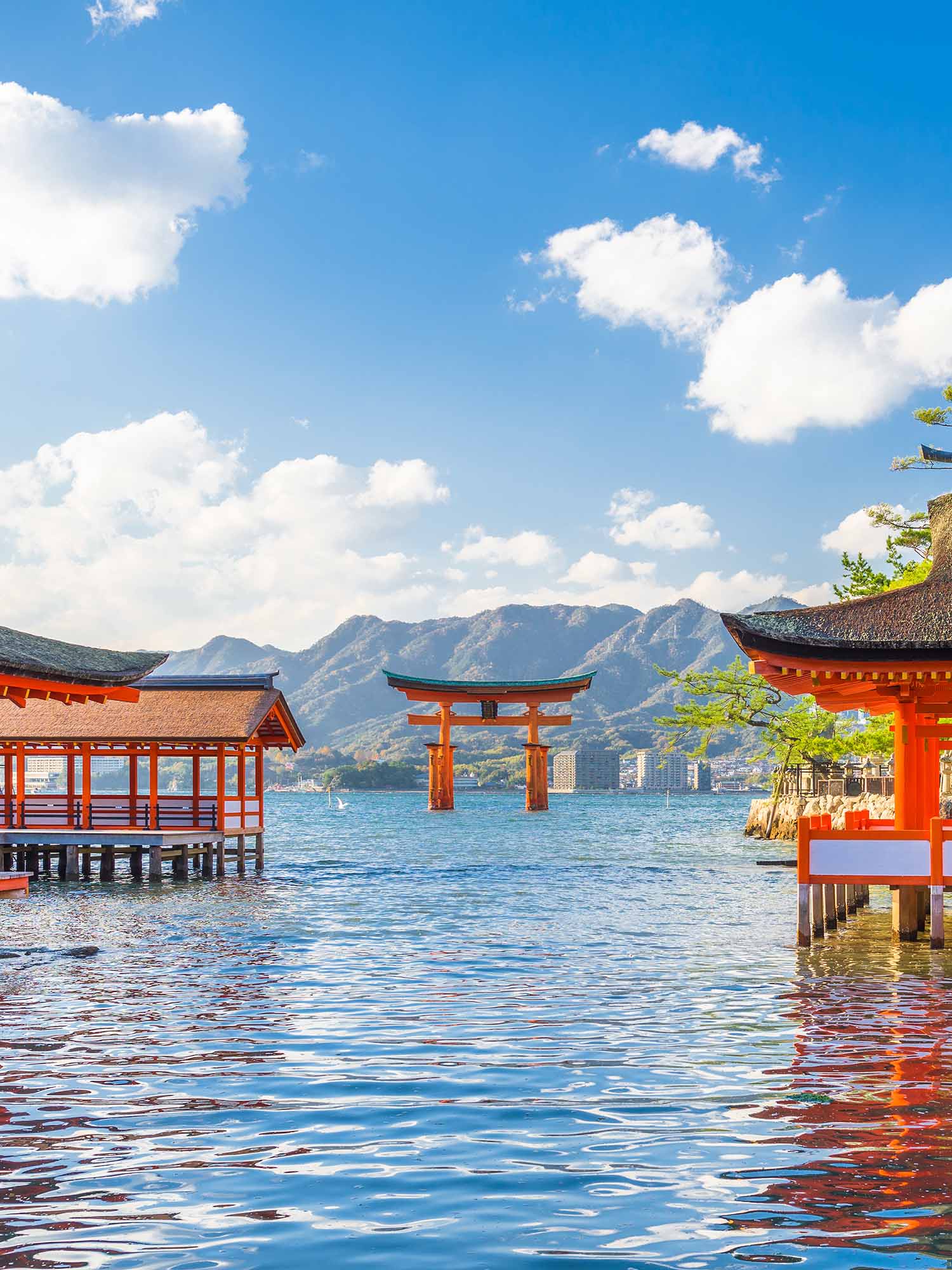
Japan stands among the world's largest economies and a global leader in technological innovation, home to over 125 million people who have masterfully balanced rapid modernization with deep cultural preservation. This makes it an ideal destination for an immersive study-abroad program focused on sustainable business practices, creative-industry innovation, and cross-cultural leadership.
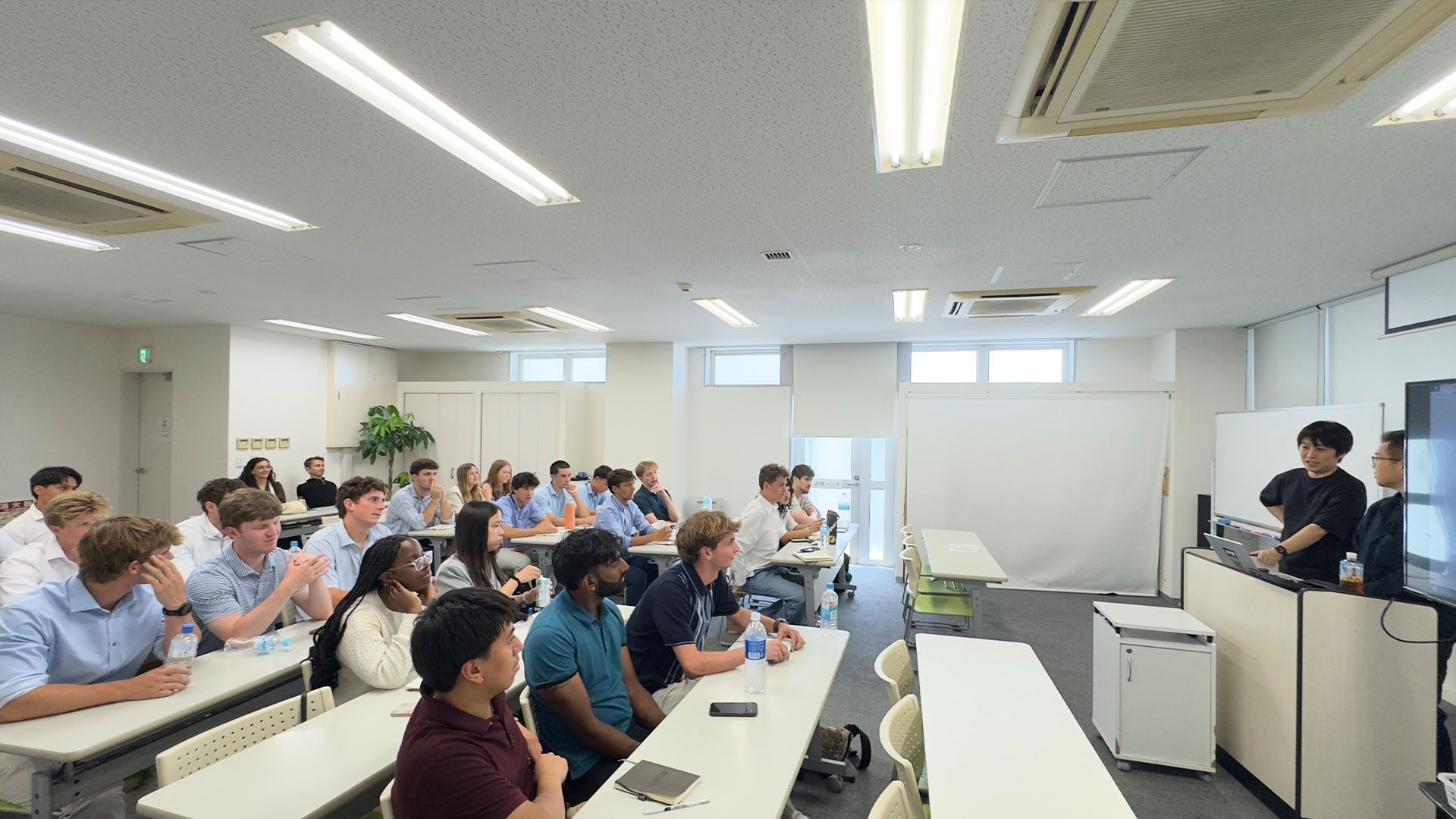
The program offers students comprehensive exposure to Japan's distinctive business ecosystem through immersive company visits, cultural experiences, and academic engagements. Interactive sessions with practitioners reveal how traditional values such as kaizen (continuous improvement) and omotenashi (hospitality) continue to drive modern corporate success across the creative, clean-technology, and digital sectors.
Woven throughout are cultural explorations across three region, Osaka's historic merchant culture, Kyoto's living heritage, and Tokyo's cutting-edge technology and financial district, that deepen students' understanding of the social contexts shaping Japanese enterprise and its stakeholder-centered approach to capitalism.
Ideal for students in Business, Management, Innovation, Entrepreneurship, Marketing, Economics, International Business, and related disciplines.
What You'll Do
Key Program Elements
Explore Japan's Business and Innovation Ecosystem
- Engage with animation studios, gaming and entertainment companies, and media organizations to understand how the creative economy drives technological advancement and global cultural export.
- Visit automotive and mobility companies, electronics manufacturers, and clean-energy innovators exploring Japan's leadership in sustainable technology.
- Learn from digital-platform, mobile-gaming, and digital-marketing companies about modern, sustainable business models.
Build Skills for Global Leadership
- Develop cross-cultural business communication skills through direct interaction with host organizations and their leaders.
- Practice innovation management by examining how Japanese firms blend traditional craftsmanship with cutting-edge technology.
- Strengthen collaborative problem-solving through team research and presentations informed by real company challenges.
Experience Japan's Culture and Heritage
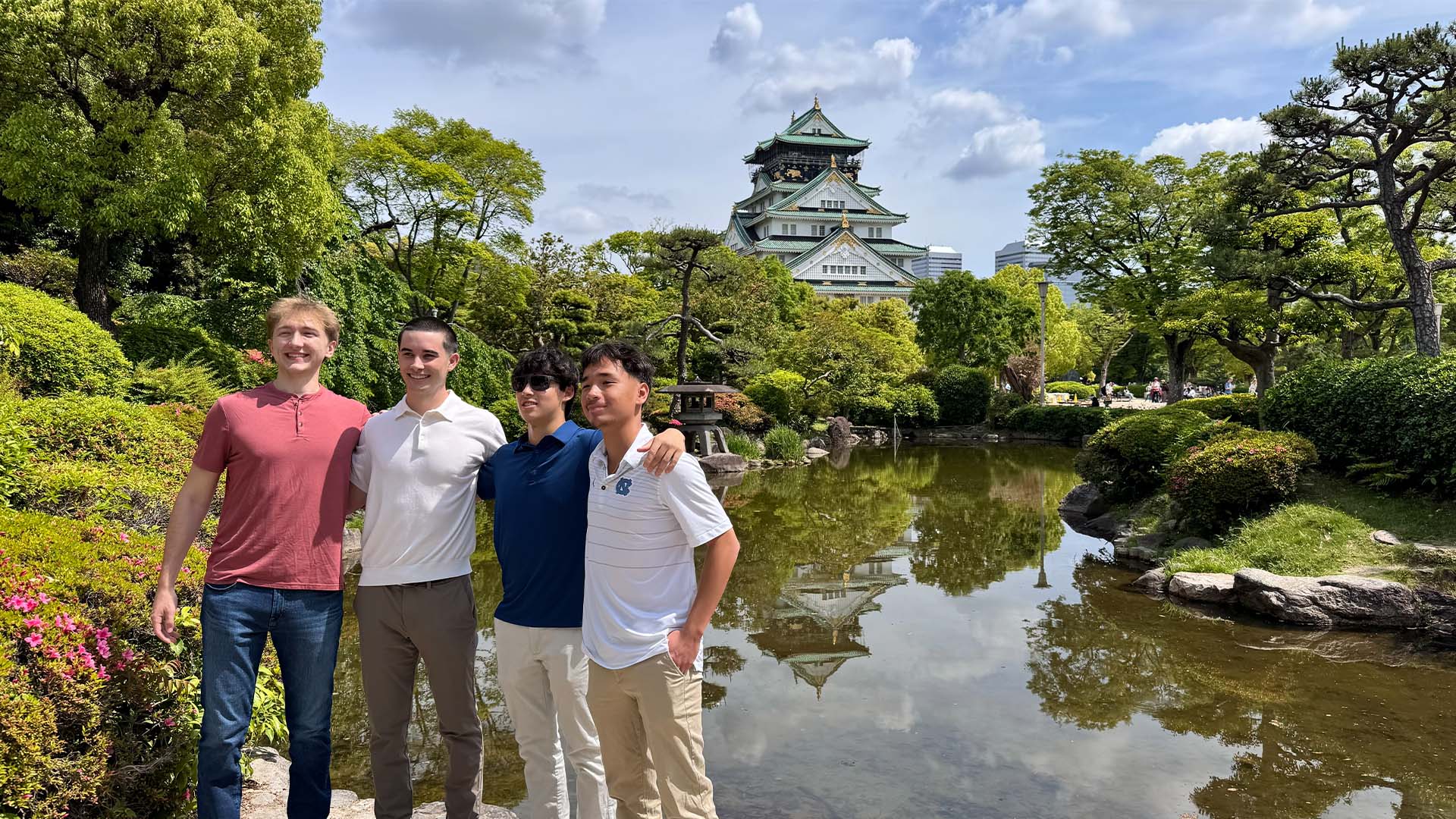
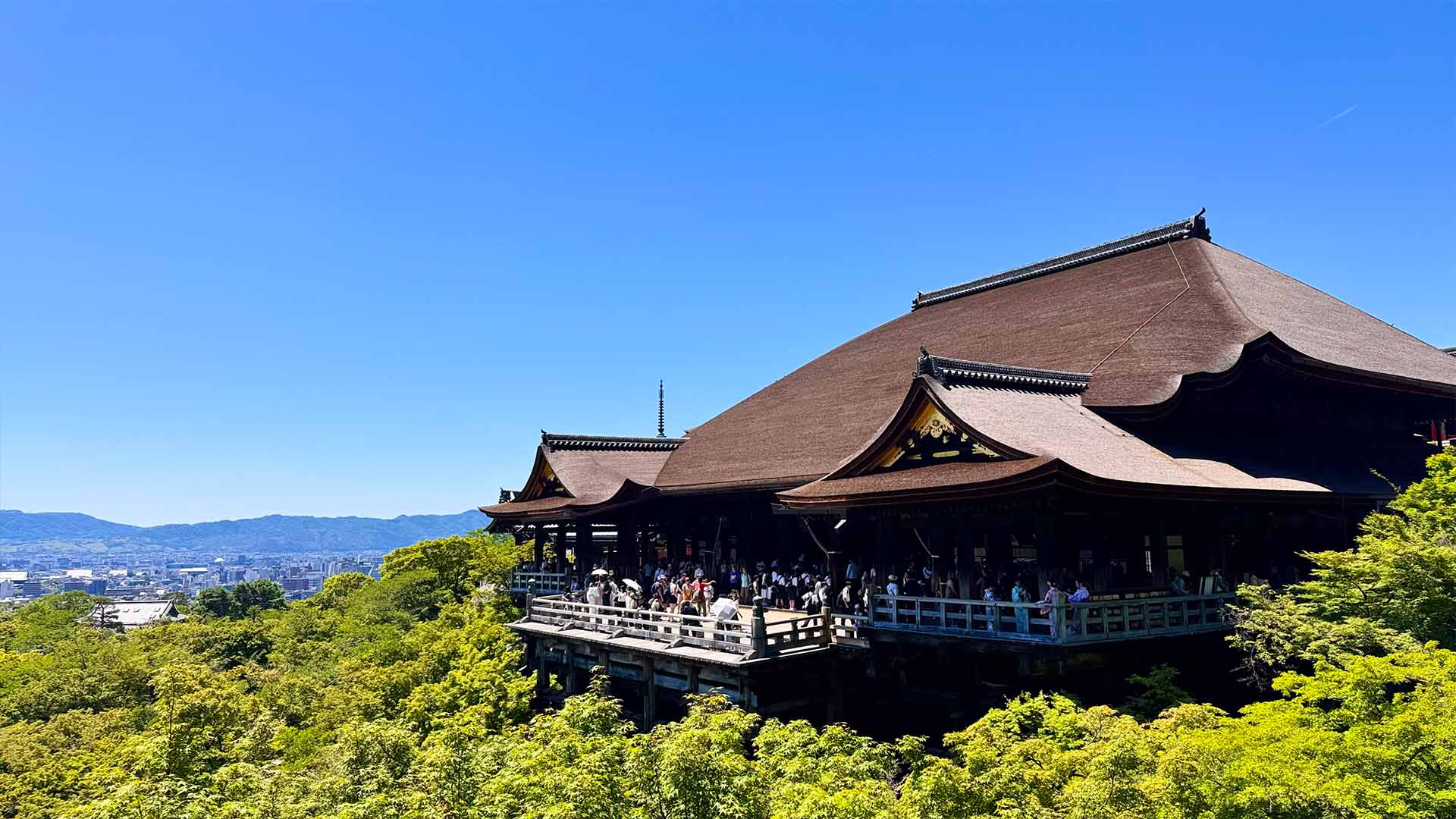
- Explore Osaka Castle and the panoramic Umeda Sky Building and discover Kyoto's heritage sites at Kiyomizu Temple and Sanjusangendo Hall.
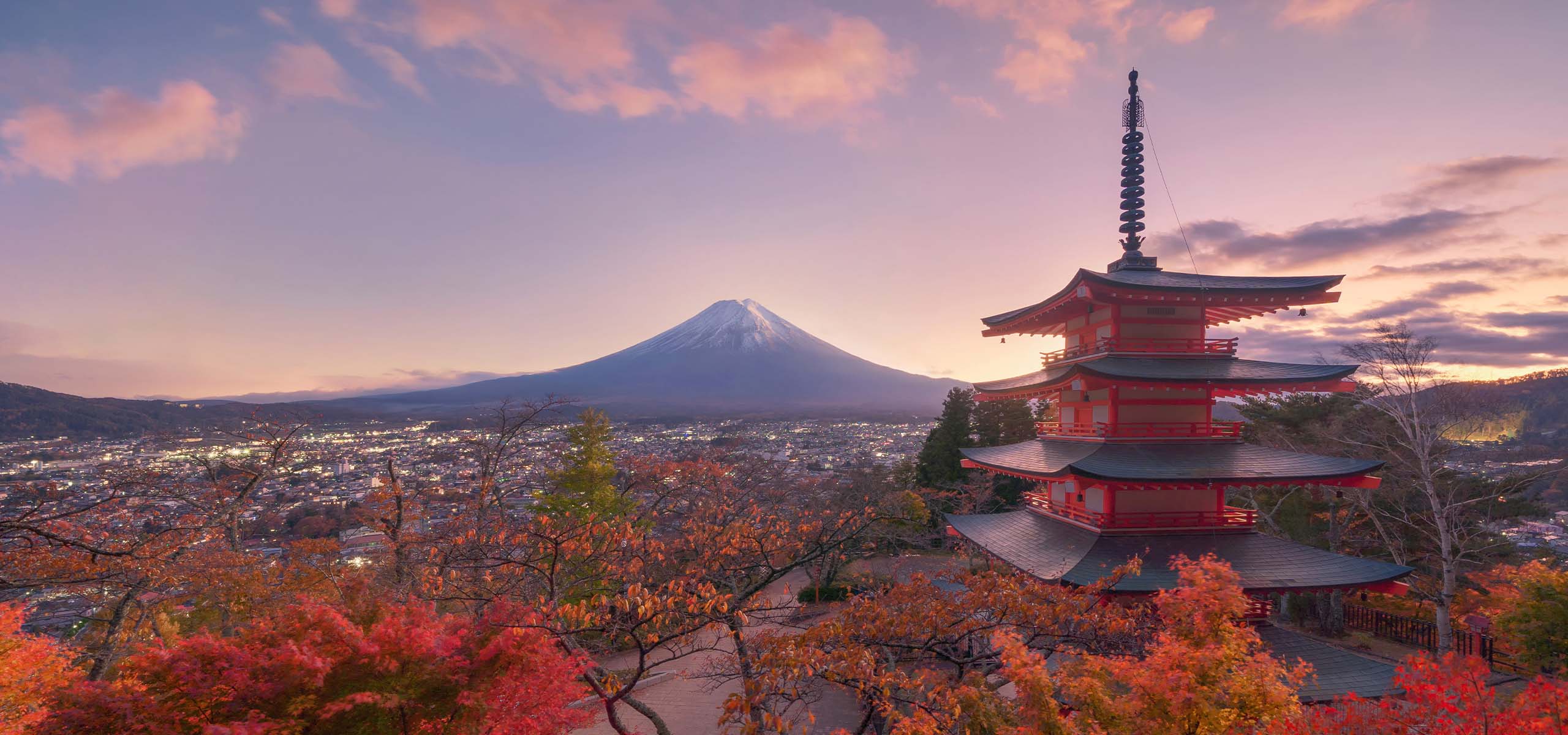
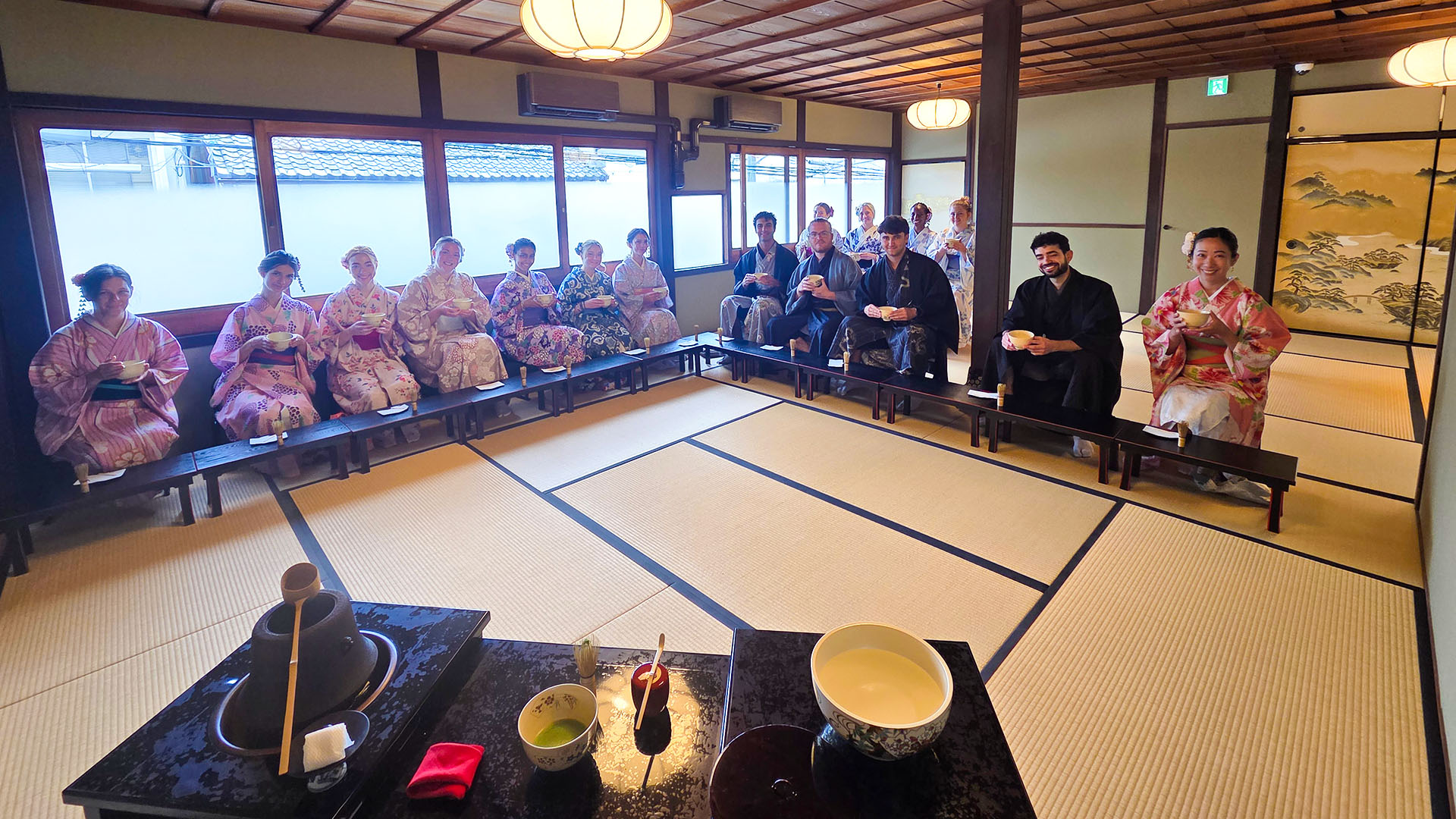
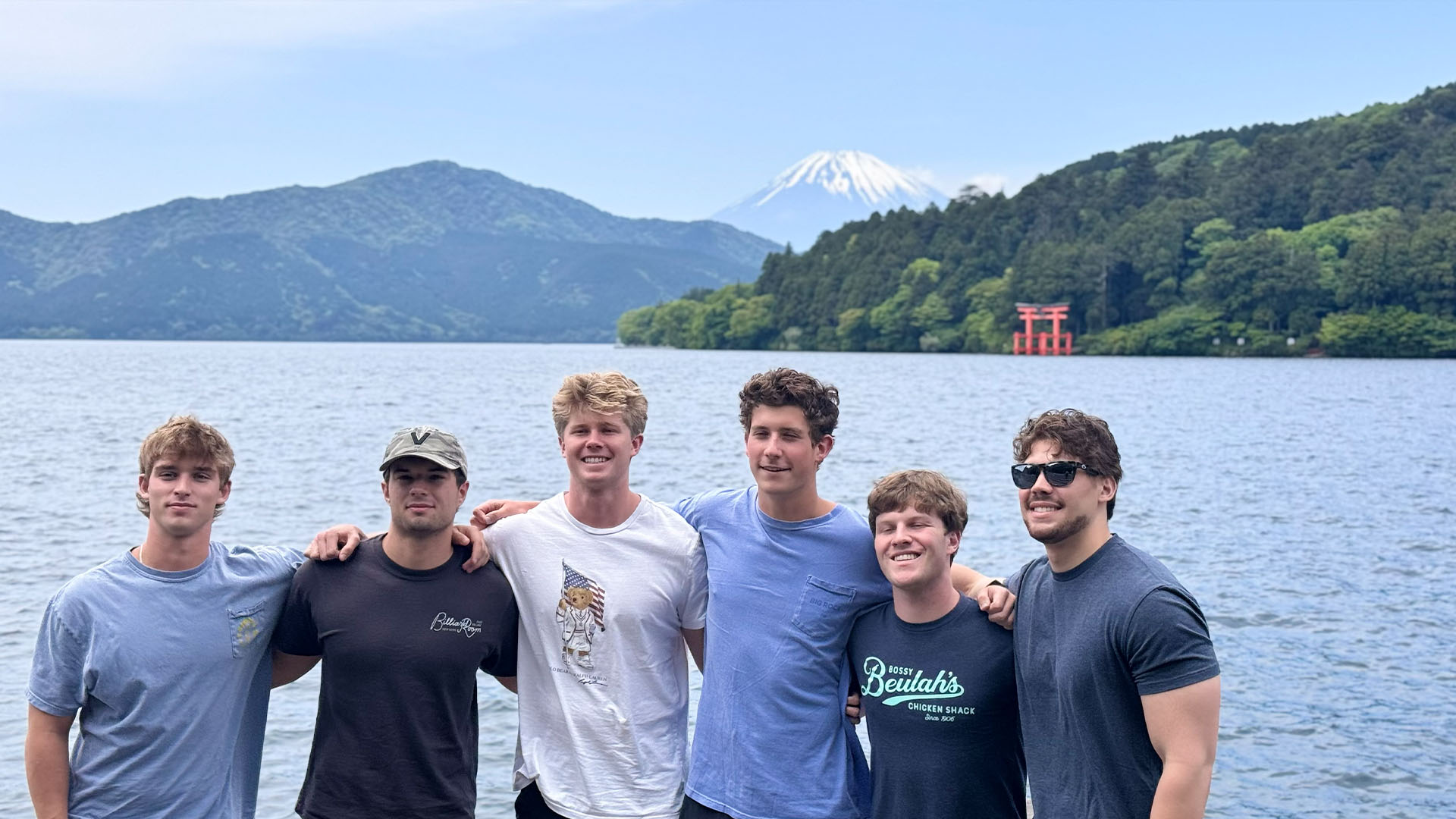
- Participate in a traditional matcha tea ceremony and experience the volcanic landscapes of Hakone with views of Mt. Fuji.
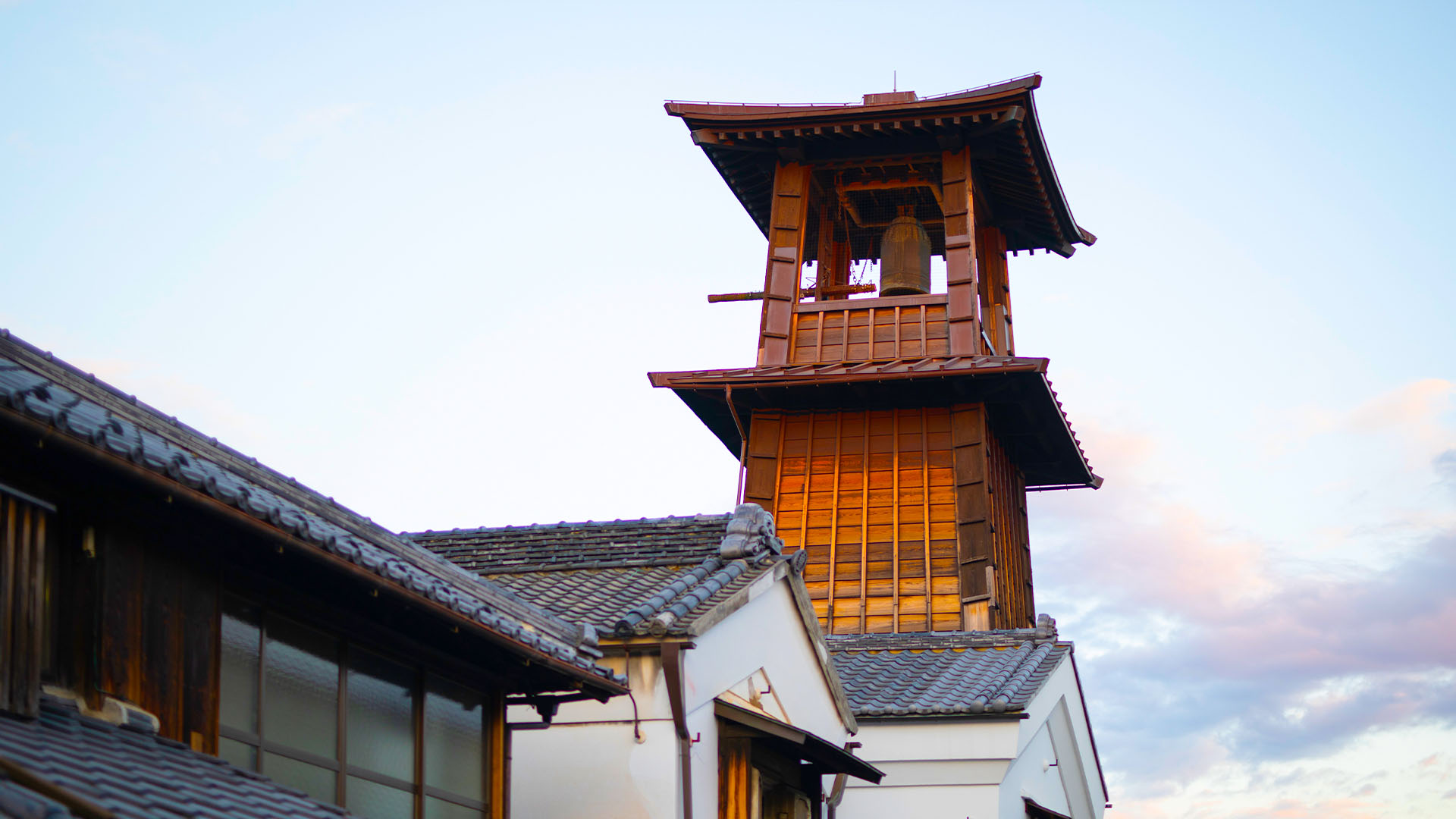
- Step into the Edo period on a guided day trip to the preserved 'Little Edo' district of Kawagoe.
Impact
UN Sustainable Development Goals in Action for this Program
SDG 4: Quality Education
- Provides transformative, experiential learning through direct engagement with Japan's creative and innovation industries.
- Builds critical thinking about the intersection of creativity, technology, and 21st-century global communication.
SDG 9: Industry, Innovation and Infrastructure
- Visits to animation studios, gaming companies, and technology firms show how Japan drives innovation in digital production and advanced manufacturing.
- Highlights the integration of traditional craftsmanship with cutting-edge digital technology.
SDG 11: Sustainable Cities and Communities
- Examines how Japanese urban planning integrates cultural districts, creative spaces, and sustainable transportation.
- Explores how cities balance heritage preservation with technological advancement.
SDG 13: Climate Action
- Engagement with mobility and electronics leaders reveals how innovation contributes to clean-energy solutions.
- Introduces climate-friendly transportation and manufacturing practices.
SDG 17: Partnerships for the Goals
- Highlights how Japanese companies collaborate internationally through creative and technology industries.
- Advances cultural diplomacy and shared solutions to global challenges.
Beyond the Classroom
Program Highlights
What You'll Take Home
Learning Outcomes
Cross-Cultural Business Communication
Gain firsthand understanding of Japanese business etiquette, negotiation styles, and relationship-building norms, and learn to communicate effectively across cultural and organizational boundaries.
Innovation Management
Analyze how leading Japanese firms sustain innovation by blending continuous improvement with emerging technologies across the creative, clean-tech, and digital sectors.
Global Leadership and Stakeholder Capitalism
Develop a leadership mindset informed by stakeholder capitalism, long-term value creation, and responsible business practice in a global context.
Cultural Intelligence and Reflective Practice
Build resilience and cultural intelligence through immersion in unfamiliar environments, translating cultural insight into professional and personal growth.
Day by Day
Sample Itinerary
Specific organizations visited are curated based on the faculty's learning objectives and may vary by cohort. The categories below reflect the types of engagements included in this program.
Arrival in Osaka
Arrival and group transfer to the program accommodation, a centrally located 4-star hotel in Osaka, for check-in and settling in.
Orientation and Osaka Immersion
Morning: program orientation and safety briefing led by the Authentica Program Manager. Afternoon: a guided cultural immersion of Osaka. Evening: welcome dinner.
Meals: B, DCompany Visits
Full day: company visits with host organizations across the Kansai region's business and creative sectors.
Meals: BCompany Visits
Full day: further company visits engaging with organizations in innovation, technology, and the creative economy.
Meals: BTravel to Kyoto
Morning: coach transfer to Kyoto and hotel check-in. Afternoon and evening: free time to explore independently.
Meals: BKyoto Immersion and Tea Ceremony
Morning: a guided cultural immersion of Kyoto. Afternoon: group lunch. Late afternoon: a traditional matcha tea ceremony.
Meals: B, LCompany Visits
Full day: company visits exploring how heritage and enterprise intersect in Japan's ancient capital.
Meals: BKyoto to Tokyo via Hakone
Morning: travel toward Tokyo by Shinkansen (luggage forwarded separately). Afternoon: a guided immersion of Hakone. Evening: onward to Tokyo by coach and check-in.
Meals: BCompany Visits
Full day: company visits across Tokyo's technology and financial districts.
Meals: BKawagoe Day Trip
Full day: a guided trip to the preserved "Little Edo" district of Kawagoe.
Meals: BCompany Visits and Reflection
Morning: company visits. Afternoon: a facilitated reflection session. Evening: farewell dinner.
Meals: B, DDeparture
Check-out and group transfer to the airport for onward travel.
Meals: BAt a Glance
Program Snapshot
Meals Included
Sustainability
On-Ground Support
Insurance
Investment
Pricing & Inclusions
Program Cost
*Costs may vary depending on group size, program inclusions, number of program days, and other factors. Please contact us for a customized quote.
What's Included
- 11 nights' accommodation (breakfast and Wi-Fi included) at centrally located 4-star hotels
- Group airport transfers and AC coach for cultural immersions and inter-city transfers
- Shinkansen (bullet train) travel between regions
- Luggage forwarding on inter-city travel days
- Loaded transit card for public transportation
- Group meals — 11 breakfasts, 1 lunch, and 2 dinners
- Coordination of company visits and engagements with host organizations
- Guided cultural tours by English-speaking professionals, including entrance fees
- Meeting-room space for orientation and the reflection session
- Carbon offset for all participants (certificates provided after the program)
- 24×7 on-ground support by an Authentica Program Manager
- Tips for guides and drivers, and all applicable taxes
Good to Know
FAQs About the Program
1. When is the best time of year to run this program, and what is the weather like?
Japan is at its most rewarding in spring, when mild temperatures (around 10–20°C) coincide with cherry-blossom season, and in autumn, when comfortable weather (around 15–25°C) brings vibrant foliage—both ideal windows for company visits and cultural exploration. Japan is a year-round destination, however, and the itinerary can be tailored to your academic calendar; pack layers for variable conditions.
2. Who is this program designed for?
It is designed for students in business, management, innovation, entrepreneurship, marketing, economics, and international business—anyone who wants firsthand exposure to Japanese business practices, creative-industry innovation, and cross-cultural leadership.
3. What will students gain professionally from this program?
Students engage directly with host organizations across the creative, clean-technology, and digital sectors to build knowledge of innovation management, develop cross-cultural business communication skills, and form international professional networks—all valuable for graduate study and future careers.
4. Are the specific companies and visits guaranteed?
Company engagements are curated around the faculty's learning objectives and may vary by cohort, depending on the availability of relevant stakeholders. Every effort is made to arrange equivalent visits that meet the same learning objectives.
5. Do participants need a visa for Japan?
Travelers from many countries, including the United States and Australia, can enter Japan visa-free for short stays. Requirements should be confirmed by passport well ahead of departure.
6. What language are the sessions in?
Program sessions, guided tours, and company visits are conducted in English, and English-speaking guides accompany the group throughout, so participants do not need to speak Japanese to take part fully.
7. How do money, cards, and tipping work in Japan?
The local currency is the Japanese yen (JPY). Japan remains a largely cash-based society, so carrying some cash is advisable alongside cards. Tipping is not part of the culture and can cause confusion; the program already includes tips for guides and drivers.
8. Is the program safe, and what support is provided?
Japan is consistently ranked among the safest countries in the world, with excellent healthcare and efficient emergency services (119 for ambulance/fire, 110 for police). A dedicated Authentica Program Manager provides 24×7 on-ground support, the program opens with an orientation and safety briefing, and Authentica carries a US$5M commercial general liability policy and a US$1M errors and omissions policy.
Interested in a Similar Program?
Contact us at info@authentica.com to design a faculty-led immersion around your objectives.