

Genes, Diversity & Discovery: Human Biology and Genetics in Tokyo
- Tokyo · Kamakura, Japan
Sustainable Development Goals in Action
Program Overview
Japan is a global leader in the natural sciences, biomedical research, and life-science innovation. Ranked among the top countries in the Global Innovation Index, Tokyo offers a uniquely fertile environment for studying genetics, human biology, and the science of human diversity — a city where world-class research institutes, biobanks, and science museums sit alongside one of the world’s most culturally distinct urban societies.
This five-week Global Seminar combines structured classroom learning with field study at leading Japanese research institutes, science museums, and biological collections. Students develop foundational fluency in genetics — from Mendelian inheritance and gene regulation to CRISPR, GWAS, and epigenetics — and then see those concepts come alive through curated site visits, group projects, and in-country research engagements. The program is anchored by an Authentica Program Manager in Tokyo and supported by a faculty-led academic structure.
Beyond the classroom, students immerse themselves in Tokyo’s extraordinary culture — historic temples, contemporary art aquariums, traditional cuisine, and the everyday rhythm of one of the world’s most efficient and intricate cities. An overnight excursion to Kamakura, with a stay in a traditional Ryokan, adds depth and contrast to the urban experience. The result is a program that builds scientific depth alongside genuine global perspective on diversity, identity, and the future of human biology.
Key Program Elements
Gain key insights into genetics, human biology, and the science of diversity.
- Build foundational fluency in genetics and molecular biology — genes, alleles, inheritance, gene regulation, CRISPR, GWAS, and epigenetics — through structured faculty-led classroom sessions across five weeks.
- Engage directly with leading Japanese research institutes, biobanks, and science museums to see how cutting-edge genetics and biomedical research is practiced in one of the world’s most innovative scientific cultures.
- Examine the intersection of genetics, identity, and human diversity through curated visits and discussions on equity and inclusion in science.
- Interact with research scientists and museum professionals to gain real-world perspective on careers in life sciences, biomedical research, and public health.
Build skills in scientific inquiry, cross-cultural research, and field-based study.
- Develop analytical and inquiry-based research skills through guided site visits to museums, aquariums, biobanks, and university research collections.
- Reflect on the role of scientific institutions and museums in shaping public understanding of biology, genetics, and biodiversity.
- Practice collaborative research and presentation skills through a structured group project completed in the final week of the program.
- Apply cross-cultural skills directly relevant to careers in biological sciences, public health, medicine, biotechnology, and global research.
Hands-on Experience of Japan’s Scientific and Cultural Heritage
- Visit landmark Tokyo institutions including the National Museum of Emerging Science and Innovation (Miraikan), Tokyo National Museum, and the National Museum of Nature and Science.
- Experience Japan’s marine and biological heritage through visits to leading aquariums, urban parks, and natural science collections.
- Take part in an overnight Kamakura excursion — Great Buddha, historic temples, and a traditional Ryokan stay — providing cultural and historical contrast to urban Tokyo.
- Live and study in central Tokyo with a one-month Tokyo Metro pass enabling deep, independent exploration of the city’s neighborhoods and culture.
Which UN SDGs does this program advance?
SDG 3: Good Health and Well-Being
- The program builds foundational scientific knowledge in genetics and human biology — disciplines central to advancing global health, precision medicine, and biomedical research.
- Students examine how leading Japanese research institutes contribute to human disease research, biobanking, and population health.
SDG 4: Quality Education
- Students gain transformative learning through direct engagement with research scientists, museum educators, and faculty across one of Asia’s most respected scientific ecosystems.
- The program combines structured classroom instruction with experiential field study — modelling the integrated, real-world scientific education needed for 21st-century researchers.
SDG 9: Industry, Innovation, and Infrastructure
- The program engages with Japan’s world-class scientific innovation infrastructure — biobanks, research institutes, university museums, and science discovery centers.
- Students explore how a single country’s sustained investment in research and development translates into globally relevant scientific output.
SDG 10: Reduced Inequalities
- Through the program’s focus on human biological diversity and the science behind it, students examine how genetics intersects with identity, equity, and inclusion.
- Discussions on diversity in research, scientific careers, and public understanding of biology run throughout the program’s academic structure.
Program Highlights
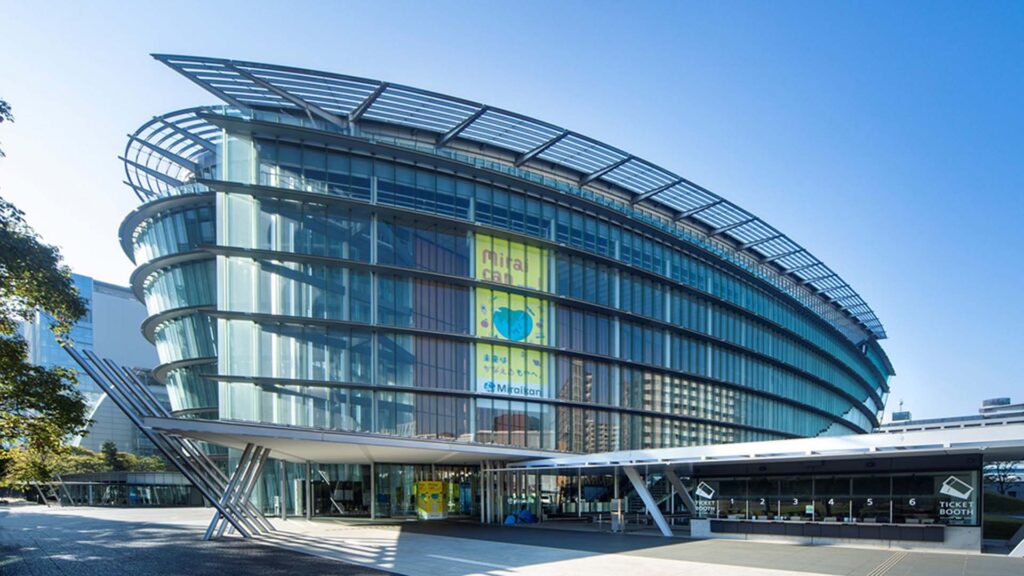
Miraikan — National Museum of Emerging Science and Innovation
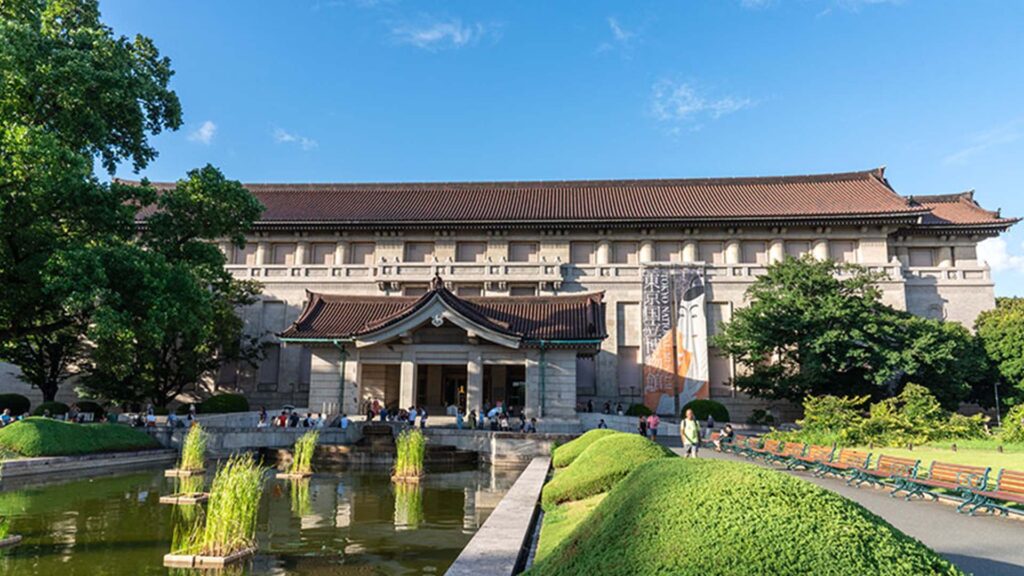
Tokyo National Museum
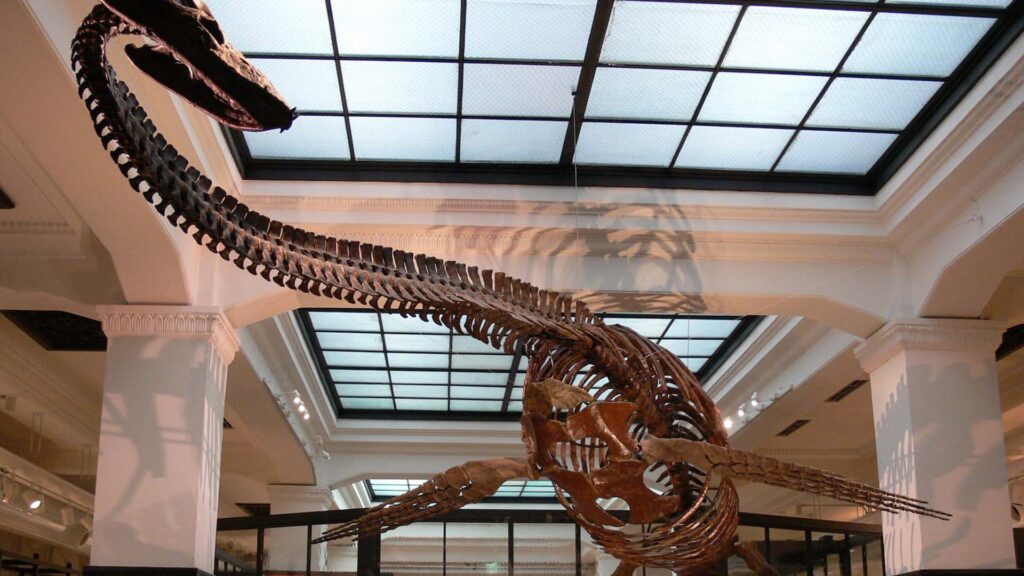
National Museum of Nature and Science (Ueno)
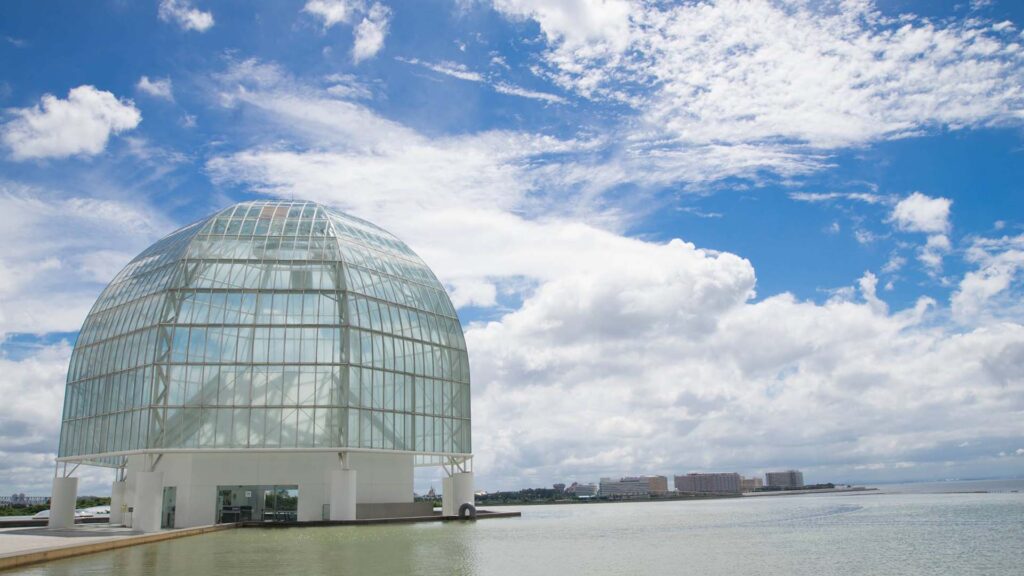
Tokyo Sea Life Park & Kasai Rinkai Park

Enoshima Aquarium
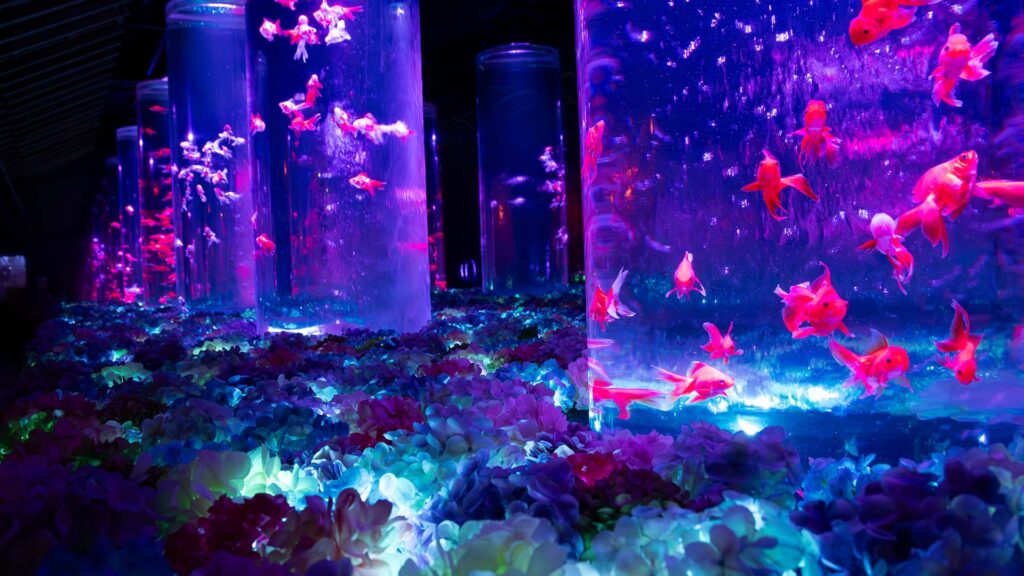
Art Aquarium Museum
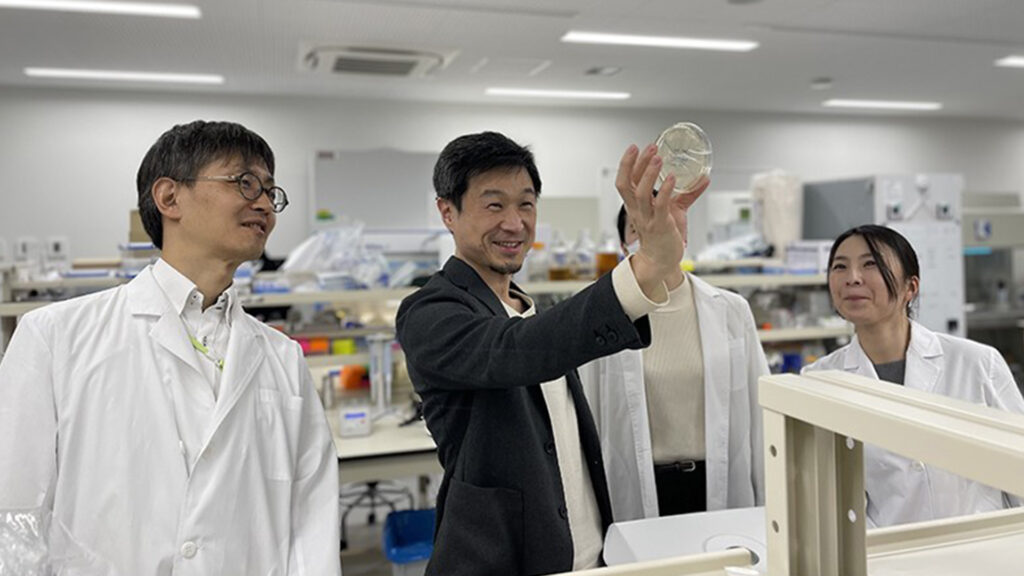
Visit to a leading Japanese biobank and genomics research center
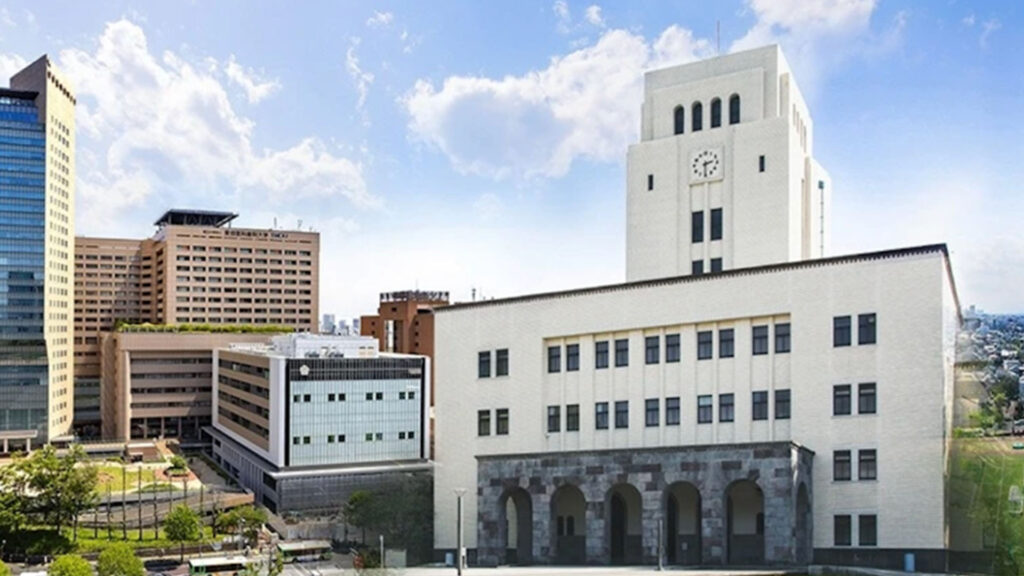
Campus tour of a world-leading Japanese scientific research institute
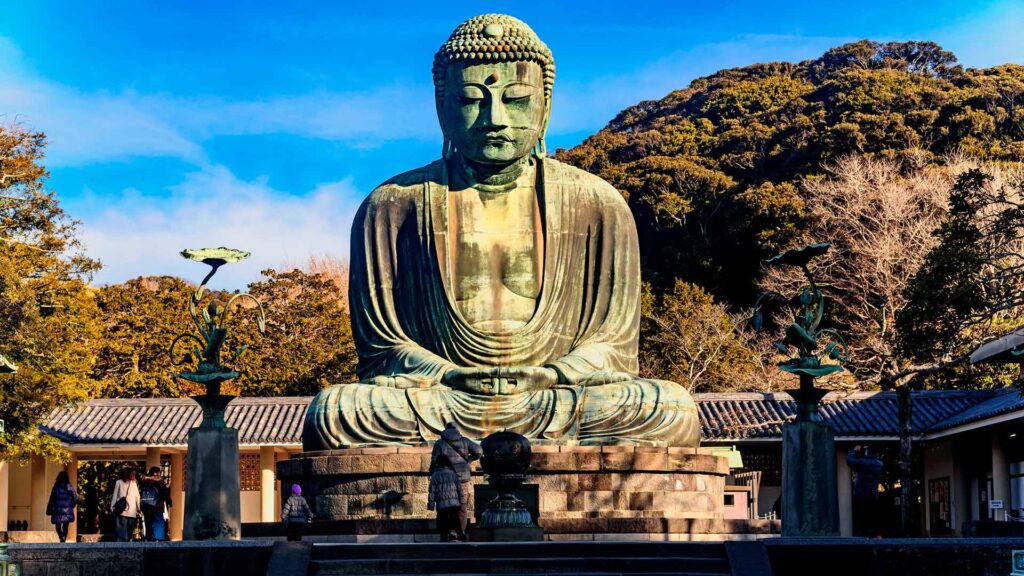
Overnight Kamakura excursion — Great Buddha, temples, and traditional Ryokan stay
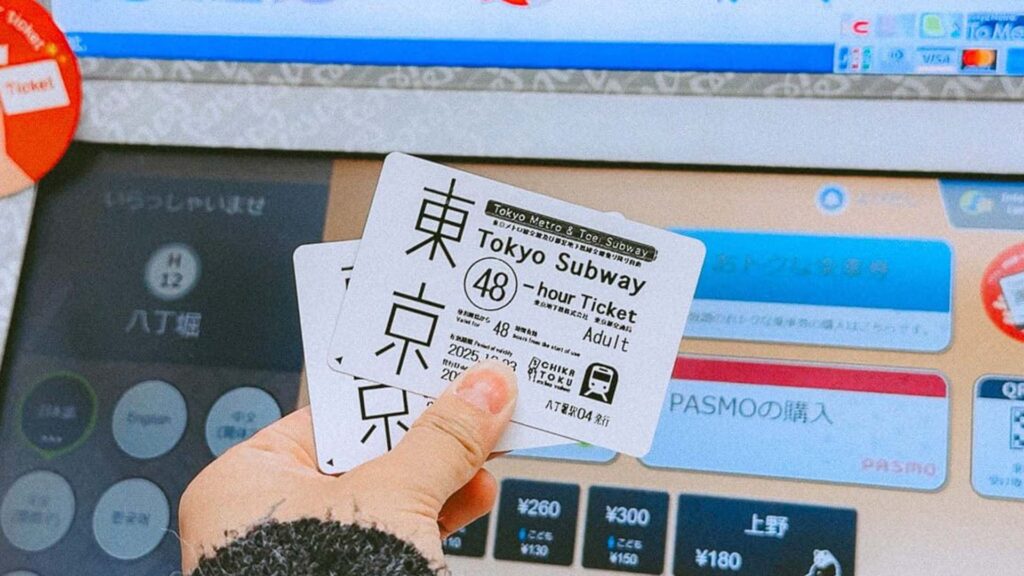
One-month Tokyo Metro pass for independent exploration
What will you learn?
(Learning outcomes)
Genetics & Human Biology
Build foundational and applied knowledge in modern genetics — from Mendelian inheritance and gene regulation to CRISPR, GWAS, and epigenetics — through structured classroom sessions and applied field study.
Skills Developed:
Scientific Literacy, Genetics Fundamentals
Field-Based Scientific Inquiry
Develop the skills to translate classroom theory into questions, observations, and inquiry at world-class research institutes, museums, and biological collections.
Skills Developed:
Inquiry-Based Research, Critical Analysis
Diversity, Identity & Global Perspective
Engage with the science and culture of human diversity through both biological and social lenses — and develop cross-cultural fluency to work in international scientific environments.
Skills Developed:
Cross-Cultural Communication, DEI Awareness
Collaborative Research & Communication
Practice scientific collaboration, group research, and oral presentation through a structured group project completed in the program’s final week.
Skills Developed:
Collaborative Research, Scientific Communication
Sample Itinerary
This five-week Global Seminar combines classroom-based academic instruction (typically three hours per day, Monday to Thursday, in a dedicated classroom near the accommodation) with curated field study days, free weekend time, and a final group presentation week.
Day 1: Tokyo
Group arrival at Tokyo Narita / Haneda International Airport via three coordinated private coach transfers. Check-in to a centrally located 4-star hotel in the Taito ward. Evening: Orientation and safety briefing led by the Authentica Program Manager.
Day 2: Foundations & Welcome Dinner
Morning classroom session on the fundamentals of genetics (genes, alleles, mutations, meiosis, Mendelian and non-Mendelian inheritance). Evening: Welcome Dinner at a celebrated Japanese restaurant.
Day 3: Field Study I
Guided visit to a renowned national institute for nature studies, using Tokyo's public transit system.
Day 4: Classroom
Continued sessions on inheritance and linkage.
Day 5: Field Study II
Visit to the Tokyo National Museum and a leading institute for earth and life-science research.
Day 6: Field Study III
Visit to Tokyo Sea Life Park and Kasai Rinkai Park, including a group barbeque.
Days 7–8: Free weekend
Free weekend — independent exploration of Tokyo.
Day 9: Classroom
Structure of genes and genomes, positional cloning, forward and reverse genetics, CRISPR.
Day 10: Free day
Free day for self-directed study or city exploration.
Day 11: Classroom
Continued CRISPR and gene-editing fundamentals.
Day 12: Field Study IV
Guided visit to Miraikan, Tokyo's National Museum of Emerging Science and Innovation.
Days 13–15: Free weekend
Free weekend
Days 16–18: Classroom Week
Linkage, QTL, complementation, gene regulation, and the distinction between necessary and sufficient conditions in genetics, across three structured classroom days.
Day 19: Free day
Free day.
Day 20: Field Study V
Visit to Enoshima Aquarium and a leading Japanese research university's natural-history museum, followed by transfer to Kamakura for an overnight stay at a traditional Ryokan.
Day 21: Kamakura
Guided cultural tour of Kamakura, including the Great Buddha, historic temples, and coastal heritage sites. Return transfer to Tokyo by public transit.
Day 22: Free day
Free day for reflection and journaling.
Day 23: Classroom
Polymorphisms, linkage, GWAS, selection, gene regulation, epigenetics.
Day 24: Field Study VI
Guided visit to a leading Japanese biobank and genomics research center.
Day 25: Classroom
Continued Polymorphisms and epigenetics.
Day 26: Field Study VII
Visits to a celebrated digital art aquarium museum and Tokyo's National Museum of Nature and Science.
Days 27–29: Free weekend
Free weekend
Days 30–33: Group Presentations
Final academic week. Student teams present on topics selected from across the program's curriculum.
Day 34: Capstone Visit & Farewell
Morning: Guided campus tour of a world-leading Japanese scientific research institute. Evening: Farewell Dinner.
Day 35: Departure
Check-out and group transfer to Tokyo Narita / Haneda Airport via three coordinated private coach transfers.
*Please note that the itinerary is a sample guide and is subject to possible modifications.
Program Snapshot
- Meals Included
2 Group Dinners (Welcome and Farewell)
- Sustainability
Carbon Neutral
- On-Ground Support
24×7 Authentica Program Manager
How much does the Tokyo program cost?
- From USD $3,590* ≈ AUD $5,000
*Costs may vary depending on group size, program inclusions, number of program days, and other factors. Please contact us for a customized quote.
What's Included
- Pre-departure orientation sessions
- Faculty-led classroom instruction in a dedicated study space near the accommodation
- Curated field-study visits to museums, aquariums, research institutes, and biobanks
- Guided cultural immersions in Tokyo and Kamakura
- Accommodation (twin-share, Wi-Fi) at a centrally located 4-star Tokyo hotel for 34 nights
- Welcome and farewell group dinners at celebrated Japanese restaurants
- Three coordinated private-coach airport transfers (arrival & departure)
- One-month Tokyo Metro all-line pass plus three single-day passes per participant
- Carbon offset for all participants via TerraBlu (certificates provided post-program)
- Entrance fees and English-speaking local guides at all program sites
- Overnight Kamakura excursion including Ryokan stay and guided tour
- 24×7 on-ground support by Authentica Program Manager, plus all applicable taxes
What's Excluded
- International airfare
- Airport taxes and departure levies
- Personal travel and medical insurance (strongly recommended)
- Personal expenses, shopping, and optional activities
- Meals not listed in the included meals schedule
FAQs About the Program
Contact Authentica or your university’s study abroad office to discuss whether a future cohort is being planned. If your institution is interested in running a similar custom Global Seminar, Authentica will work with your faculty to co-design an itinerary aligned with your learning objectives and academic calendar.
This program is purpose-built around the academic themes of genetics, human biology, and diversity, with every classroom session and field visit designed to deliver specific learning objectives. Students leave with foundational genetics knowledge, applied research skills, and a deep contextual understanding of Japan’s scientific ecosystem — directly relevant to careers in biological research, medicine, public health, biotechnology, bioengineering, and the broader life sciences.
Students explore human genetics, biological diversity, and scientific discovery through university and research-site visits, expert lectures, and hands-on learning in Tokyo.
Students engage with research scientists, museum educators, biobank professionals, and university faculty across Tokyo’s leading scientific institutions. These connections provide a foundation for ongoing engagement with Japan’s research community and for career exploration in international science and biomedical research.
Authentica maintains a comprehensive Health, Safety, and Security Framework covering destination risk analysis, real-time monitoring, vetted local partners, and emergency response protocols. A dedicated Authentica Program Manager accompanies the group throughout, providing 24×7 on-ground support. Authentica holds a General Liability Insurance Policy with Liberty (US$2M global coverage) and an Errors & Omissions policy (US$1M+). Japan is consistently ranked among the world’s safest destinations for international student travel.
Academic credit is awarded only by the home institution, not by Authentica, and credit policies vary from university to university. Check with your study abroad office or academic advisor to confirm whether a program qualifies for credit at your institution.
The program advances SDG 3 (Good Health and Well-being), SDG 4 (Quality Education), SDG 9 (Industry, Innovation and Infrastructure), and SDG 10 (Reduced Inequalities).
Interested in a Similar Program?
Contact us at info@authentica.com to design a faculty-led immersion around your objectives or submit your inquiry through the “Inquire Now” form. Rest assured, we will promptly reach out to you.
Need help? Contact us at info@authentica.com